
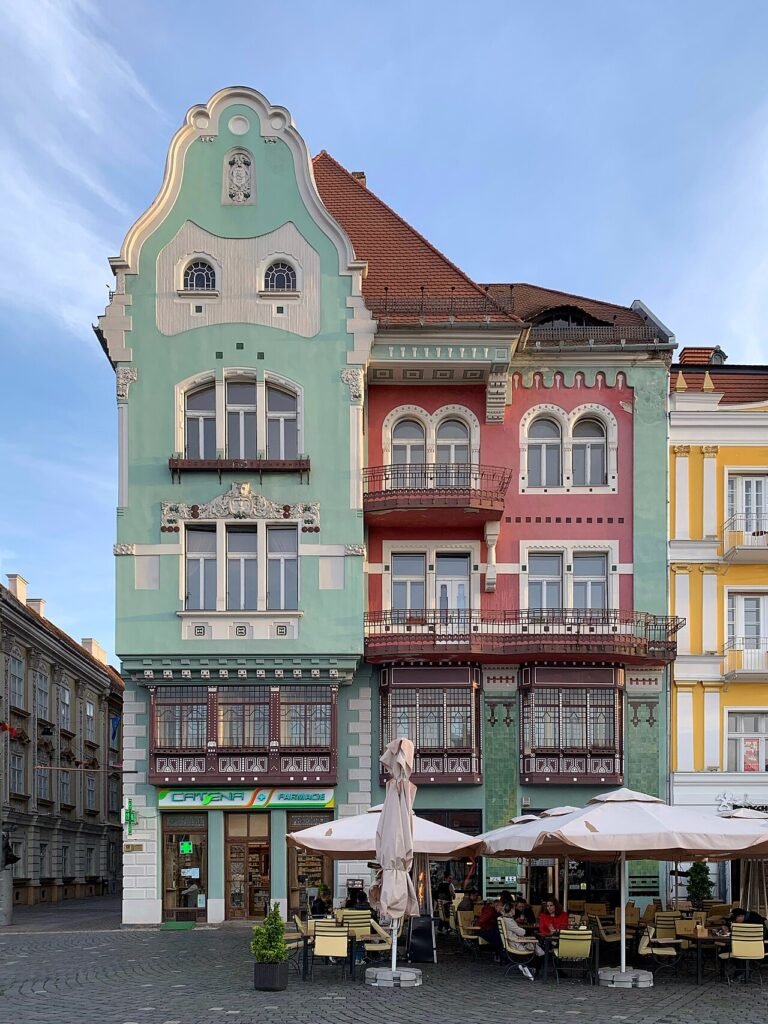
Timișoara — Secession Facades of the Banat
In the old Austro-Hungarian Banat, Timișoara built a dense early-twentieth-century city of Secession palaces. Its squares and outer districts still carry the…
Luigi De Marchi, architect, is the editor and publisher of Cultural Heritage Online. He founded the archive in 1998 as beniculturalionline.it and has published it without interruption since.
Contributions: 34 articles · 1,234 heritage places · 16 itineraries · 2 road-books
Published on beniculturalionline.it, the Italian archive of this publication, online since 1998. They are being brought into Cultural Heritage Online.
In the old Austro-Hungarian Banat, Timișoara built a dense early-twentieth-century city of Secession palaces. Its squares and outer districts still carry the…
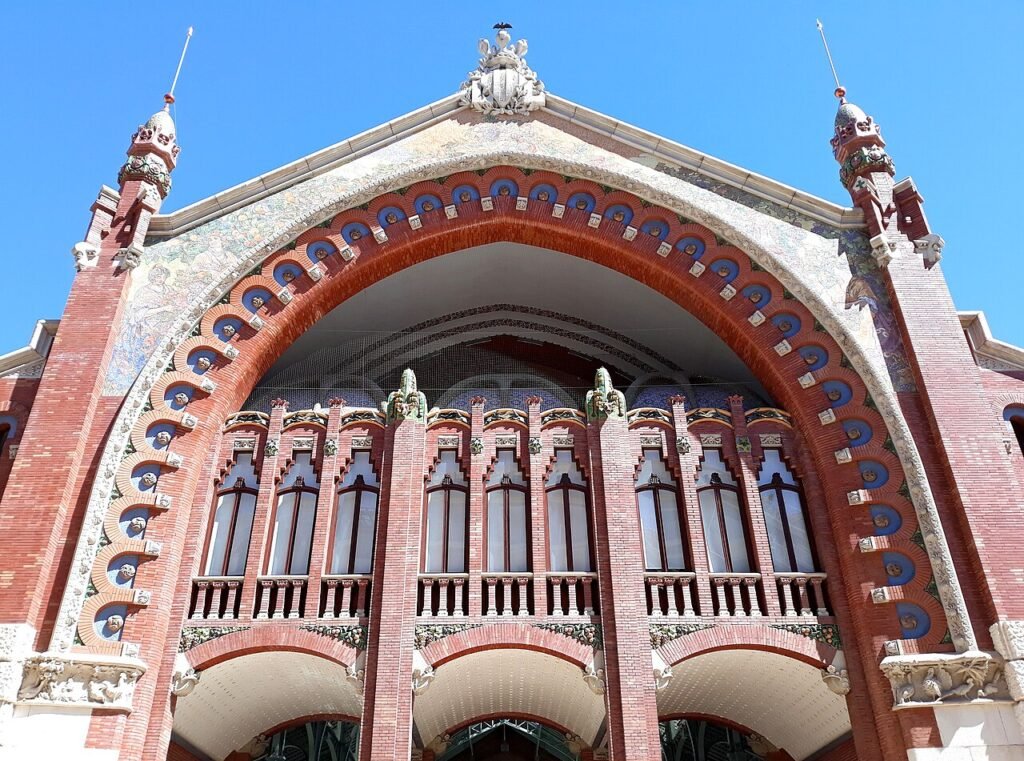
Between 1900 and 1917 Valencia rebuilt parts of itself in iron, glass and glazed ceramic. The result is one of Spain’s most concentrated displays of Art…
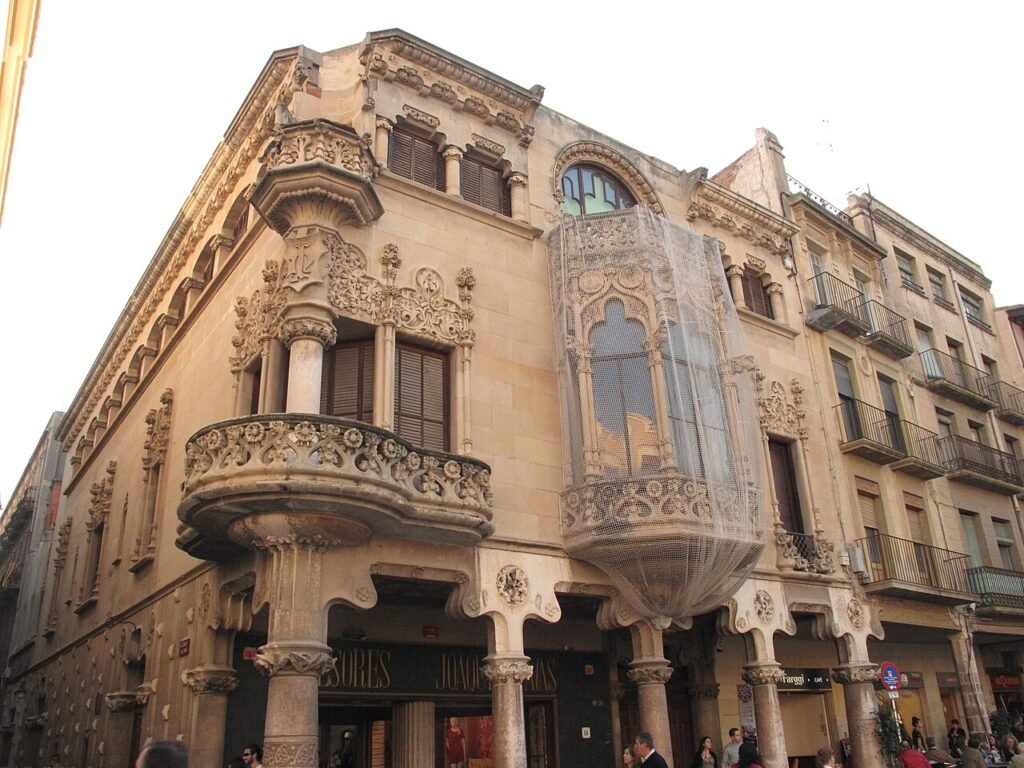
The second city of Catalan Modernisme after Barcelona, Reus carries the name of Antoni Gaudí and the buildings of Lluís Domènech i Montaner. Its Ruta del…
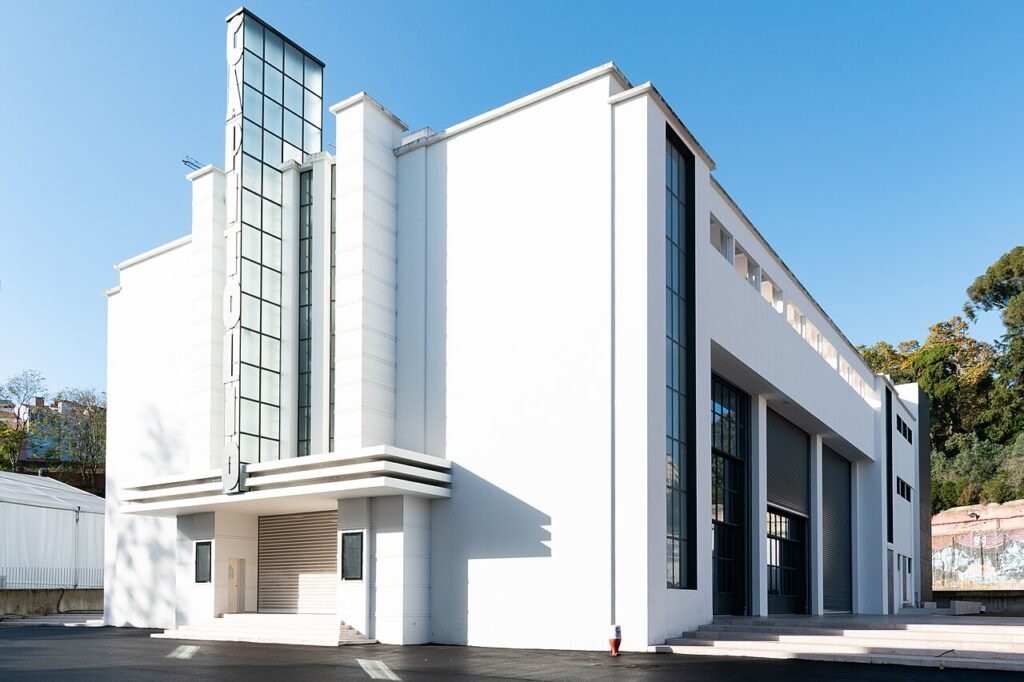
Portugal called its Art Nouveau Arte Nova, and Lisbon wore it in tiled shopfronts and ironwork. Two decades later the Déco cinemas of the avenues rewrote the…
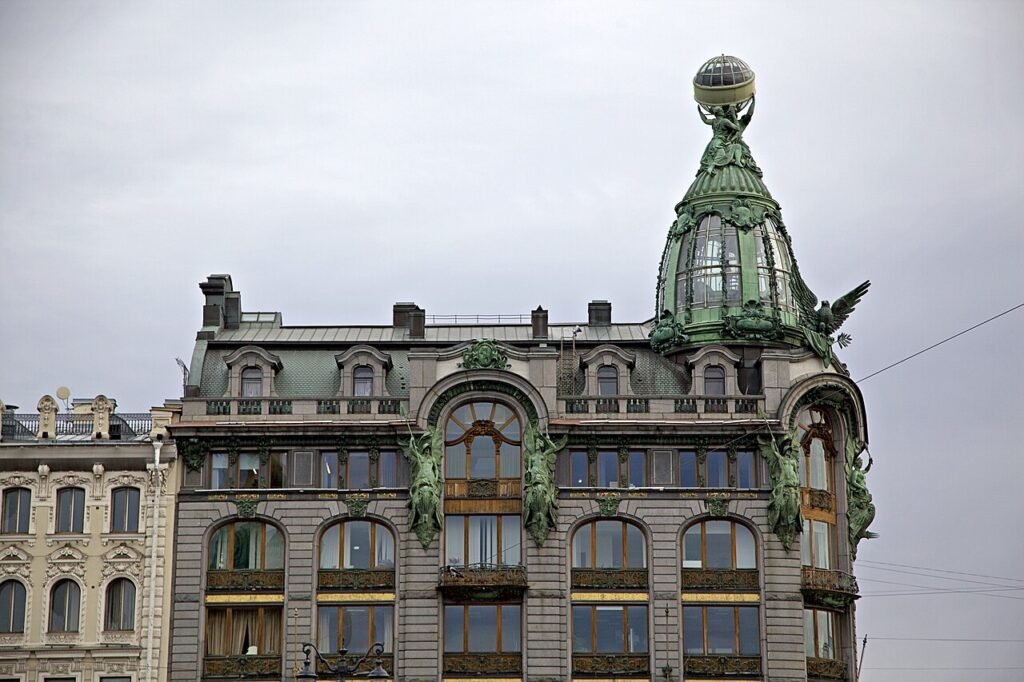
For roughly fifteen years before the First World War, Saint Petersburg developed its own reading of Art Nouveau, known in Russian as modern. Nevsky Prospekt…
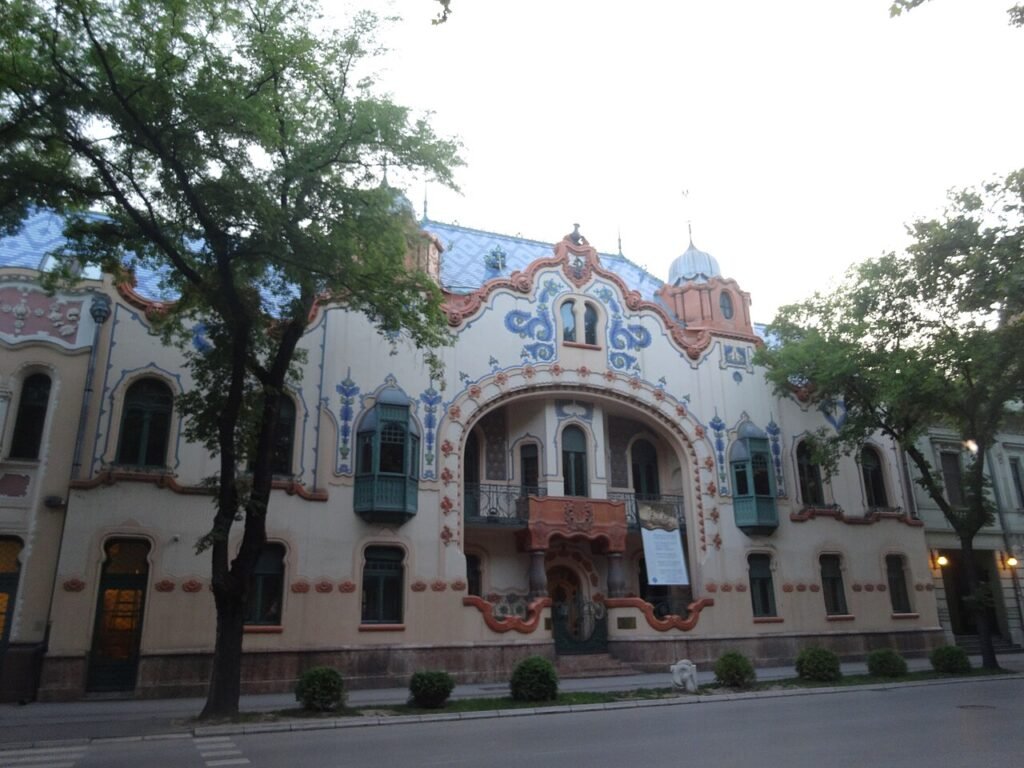
In the flat farmland of northern Serbia, a provincial market town spent the early 1900s reinventing itself in ceramic flowers and folk-art curves. Subotica…
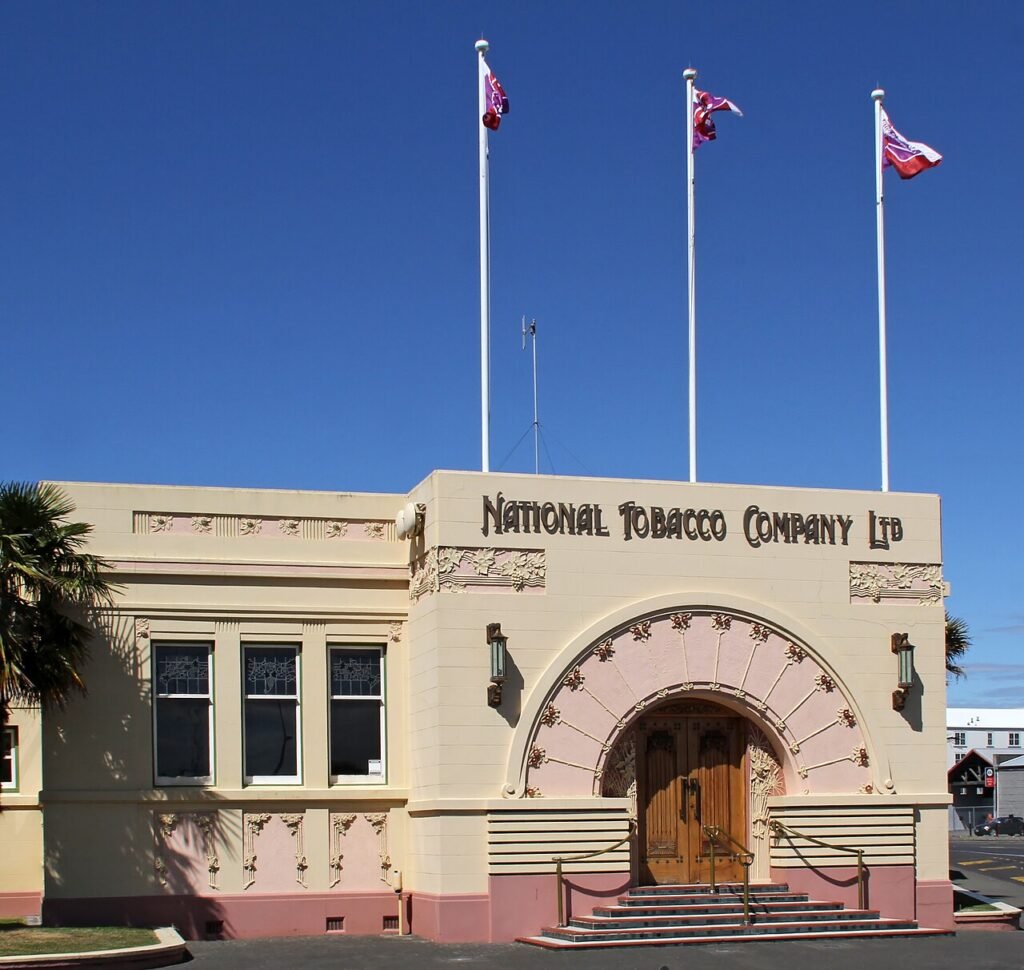
On 3 February 1931 an earthquake flattened the centre of Napier. The town that rose from the rubble is one of the most concentrated Art Déco townscapes…
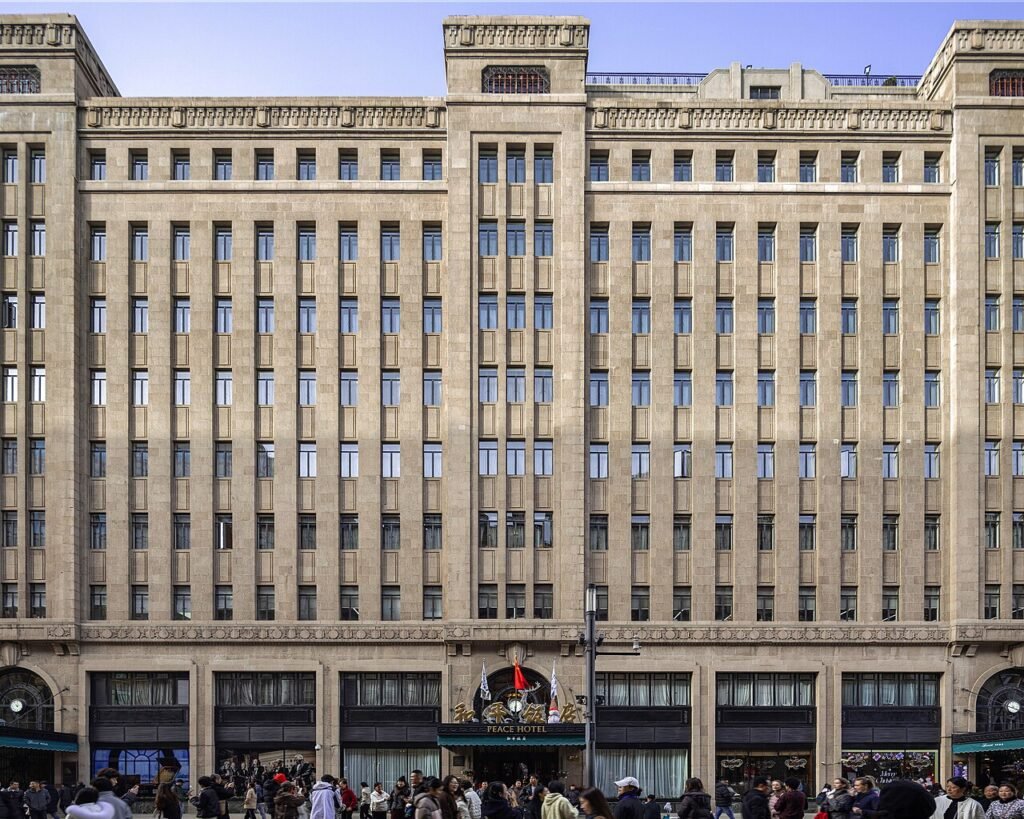
Between the world wars, a treaty-port boom raised one of the planet’s densest concentrations of Art Déco. Along the Bund and across the former concessions…
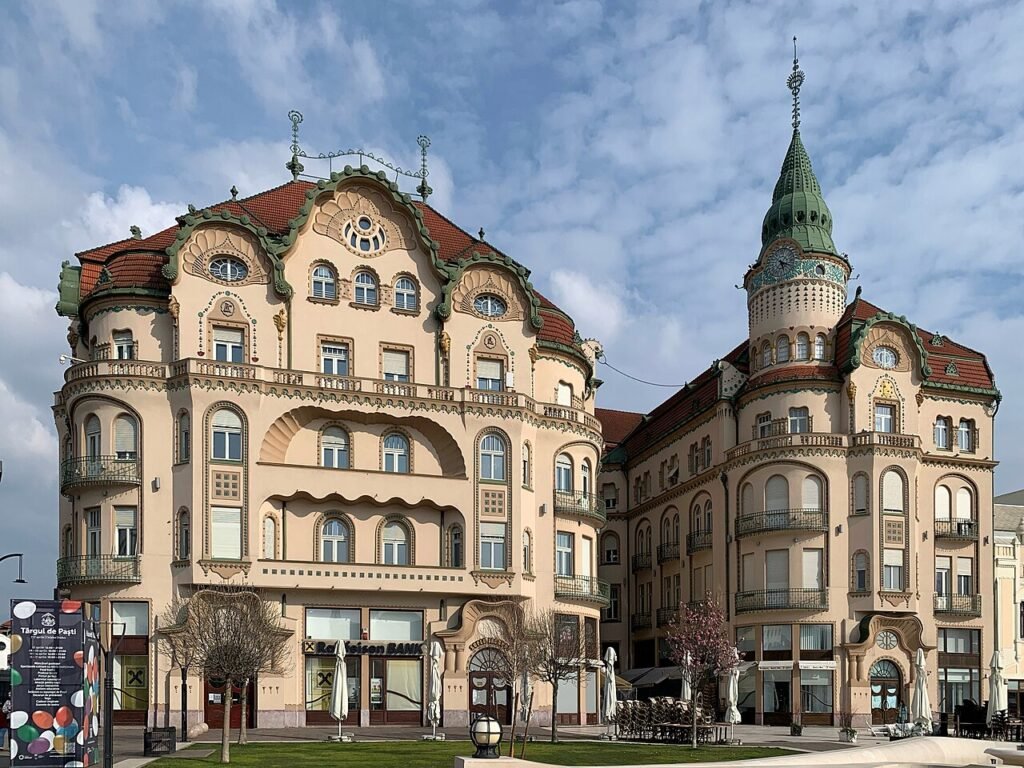
A short distance from the Hungarian border, Oradea preserves one of Central Europe’s densest concentrations of Secession architecture. Its squares and…
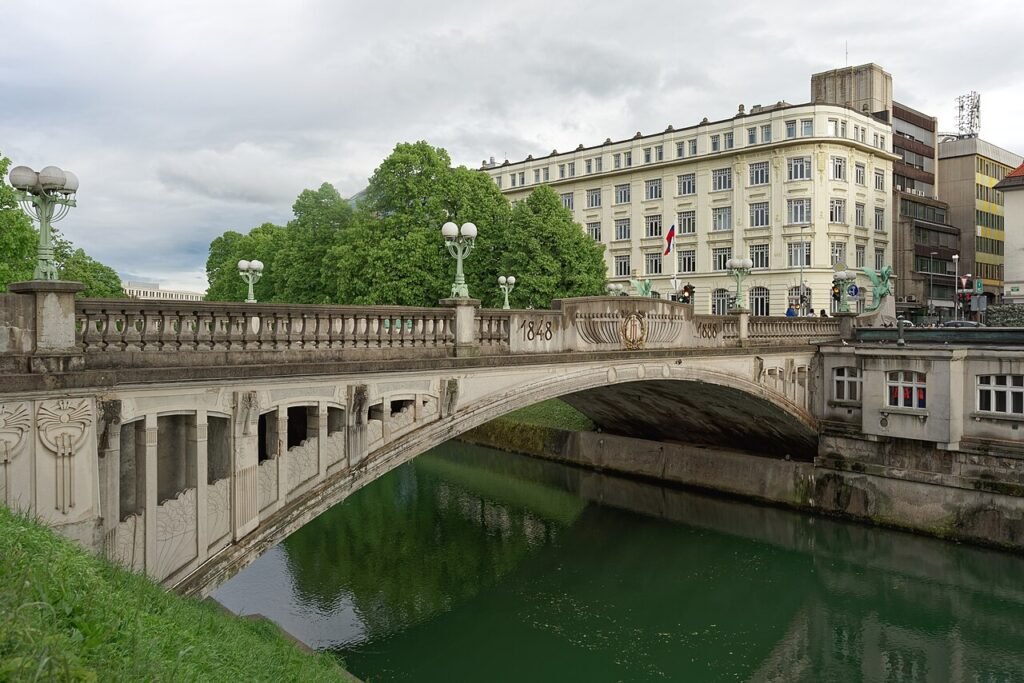
An earthquake in 1895 cleared the ground for a new Ljubljana. First came the Vienna Secession, then the architect Jože Plečnik, who reshaped the city along…