
Understanding SEO, GEO and AEO: Cultural Heritage Guide
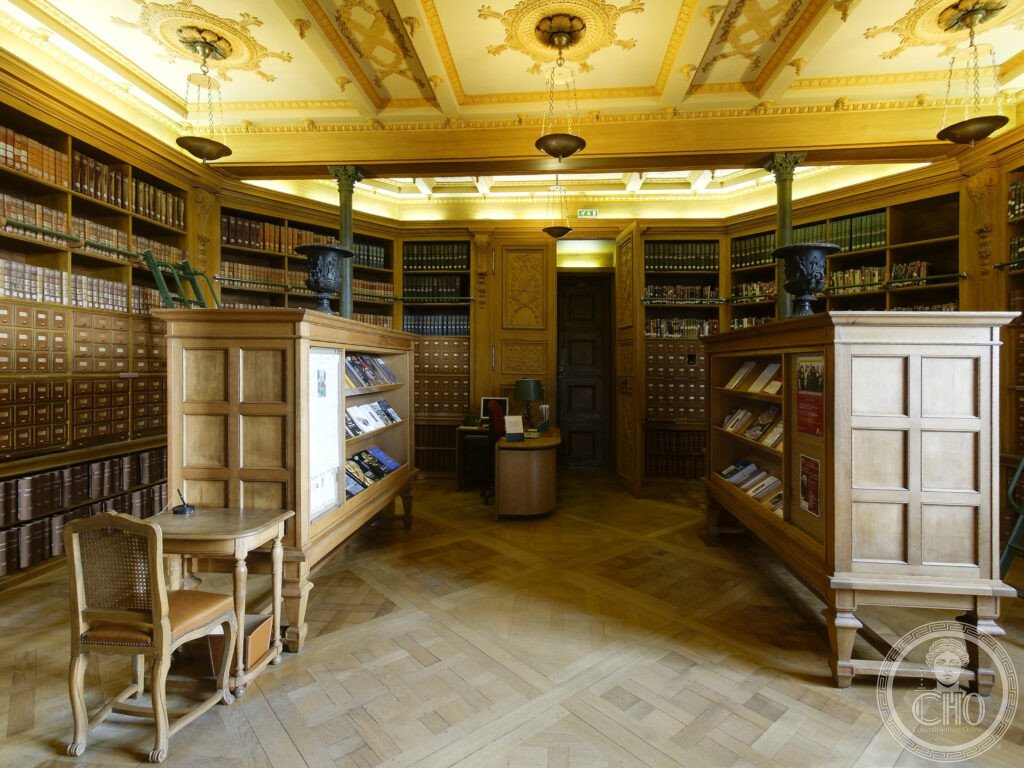
SEO, GEO and AEO explained through comparisons to a leaflet rack, a hotel concierge and a library card catalogue, not through jargon.
Digital visibility guides for cultural operators, organisers and small heritage venues.
SEO, GEO and AEO explained through comparisons to a leaflet rack, a hotel concierge and a library card catalogue, not through jargon.
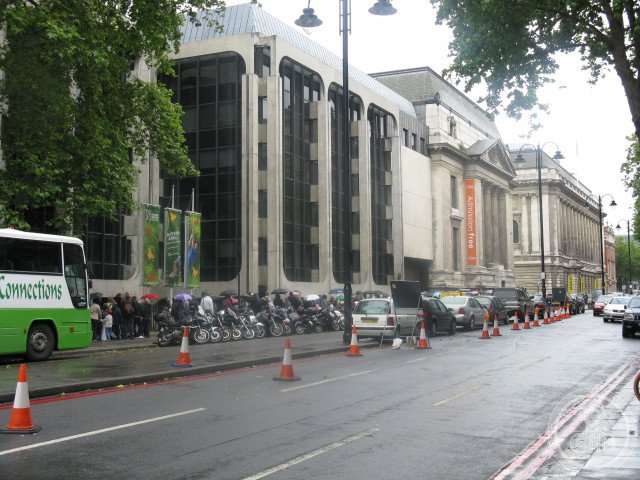
Museum-style free admission, not a disguised trial: no expiry, no card details, no pressure. What actually stays free on Cultural Heritage Online, explained plainly.
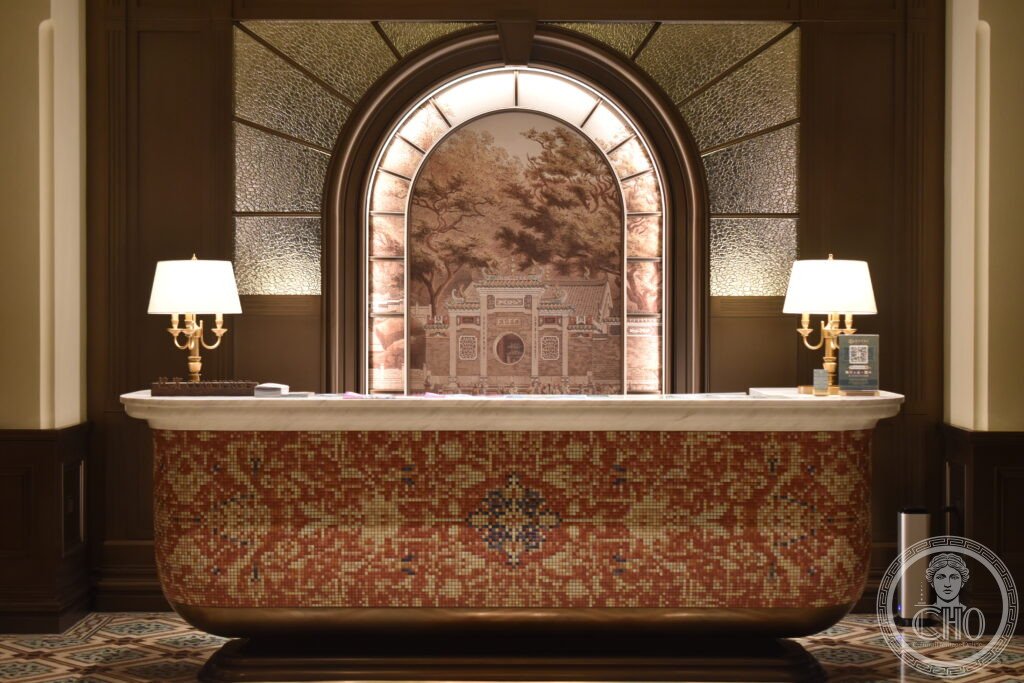
Travellers increasingly ask an AI assistant for recommendations the way they once asked a hotel concierge. It can only recommend what it has actually read.
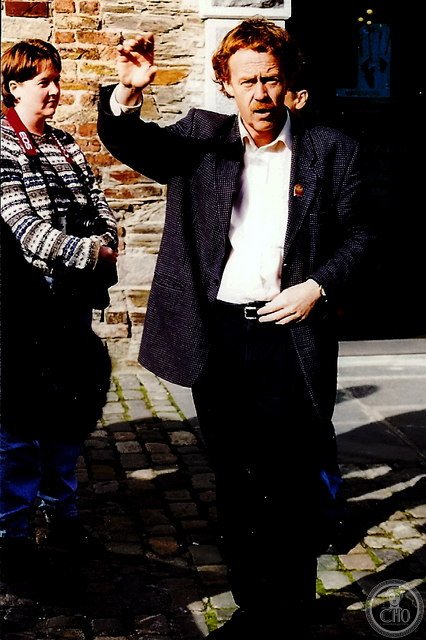
Word of mouth is the oldest marketing channel in Europe, and European Heritage Days show how far it already reaches. Here is what changes when it moves online.
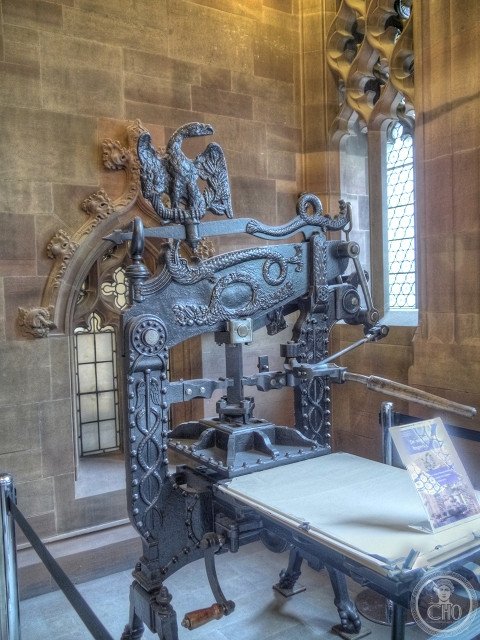
An advert says what you want people to hear. An independent story says what someone else found worth telling. Search engines and AI trust the second far more.
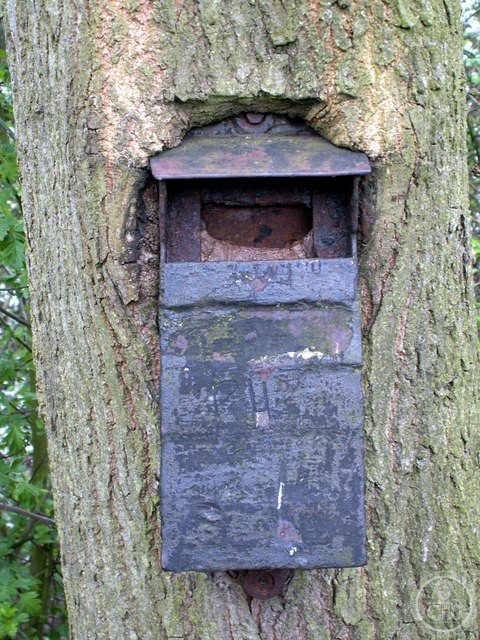
A leaflet dispenser left unchecked for years cannot tell you whether it worked. A free digital listing answers the three questions paper never could.
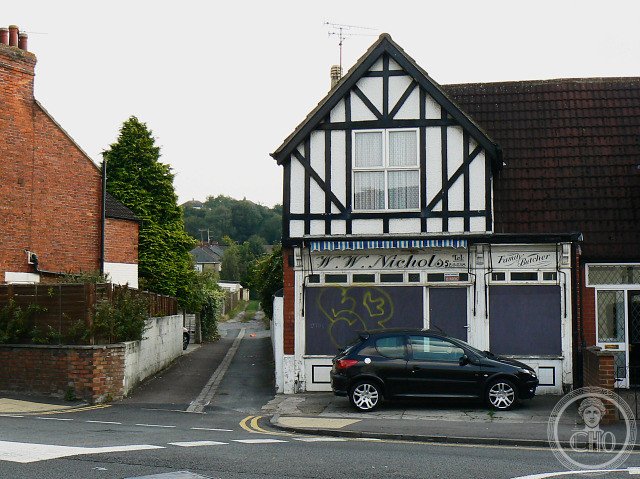
Some digital marketing offers behave like a pressuring door-to-door salesman. Others behave like a shopkeeper who lets you look before you buy. Four plain questions tell the two apart.

A printed leaflet can tell you how many copies disappeared from the rack. It can never tell you whether that turned into a visitor. Heritage owners who trust paper are not wrong to trust it — they are only missing the one thing digital listings add: proof of what actually worked.