
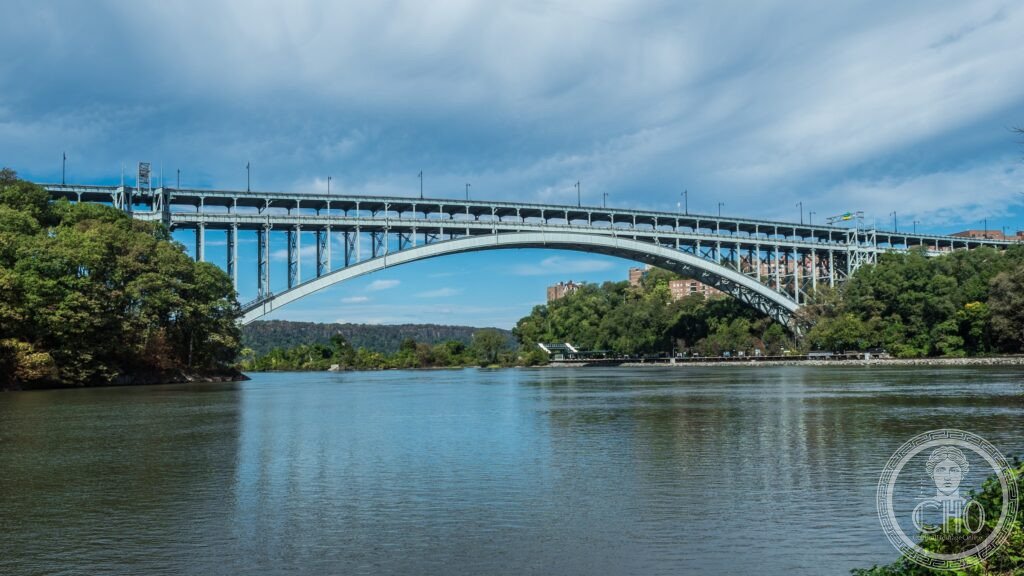
Henry Hudson Bridge (1936), Spuyten Duyvil, New York City
The northernmost crossing on Manhattan Island — a clean Art Deco steel arch carrying the Henry Hudson Parkway over the Harlem River Ship Canal, opened…

Luigi De Marchi, architect, is the editor and publisher of Cultural Heritage Online. He founded the archive in 1998 as beniculturalionline.it and has published it without interruption since.
Contributions: 6 articles · 1,209 heritage places · 8 itineraries · 2 road-books
Published on beniculturalionline.it, the Italian archive of this publication, online since 1998. They are being brought into Cultural Heritage Online.
The northernmost crossing on Manhattan Island — a clean Art Deco steel arch carrying the Henry Hudson Parkway over the Harlem River Ship Canal, opened…
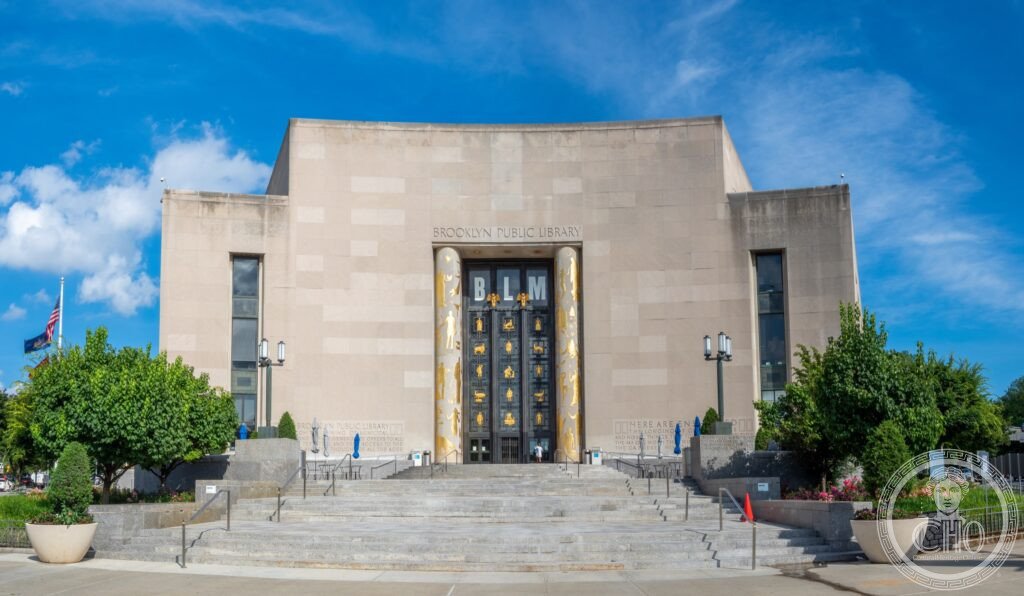
The flagship of the Brooklyn Public Library system, built during the New Deal in a curvilinear Art Deco style, its gilded bronze entrance panels depicting…
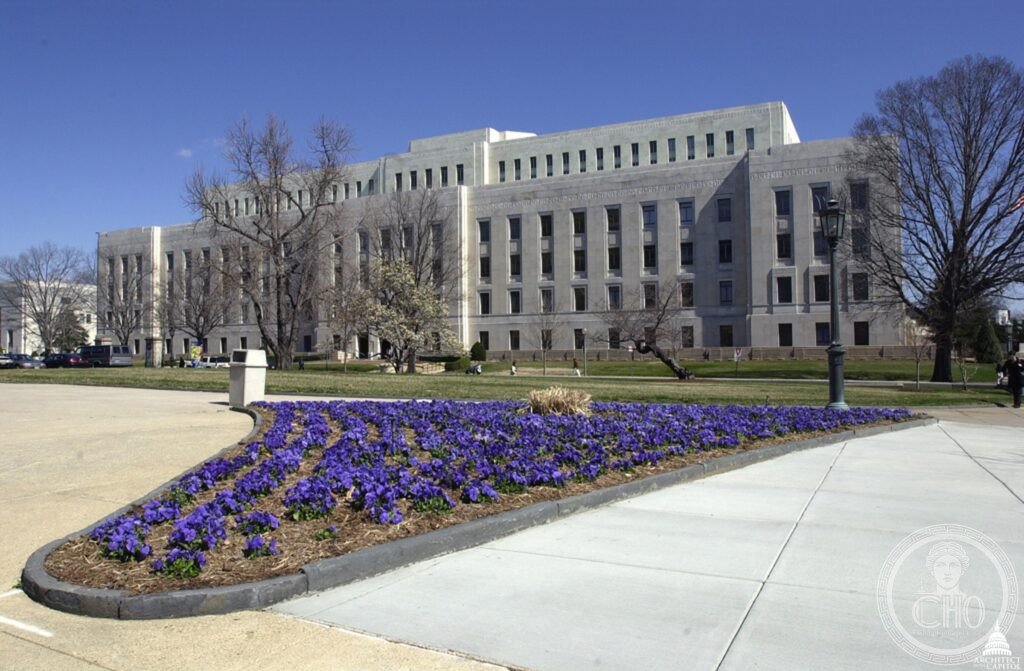
The second building of the Library of Congress, opened in 1939 in a restrained Art Deco style — its white marble facade and aluminium owl reliefs marking a…
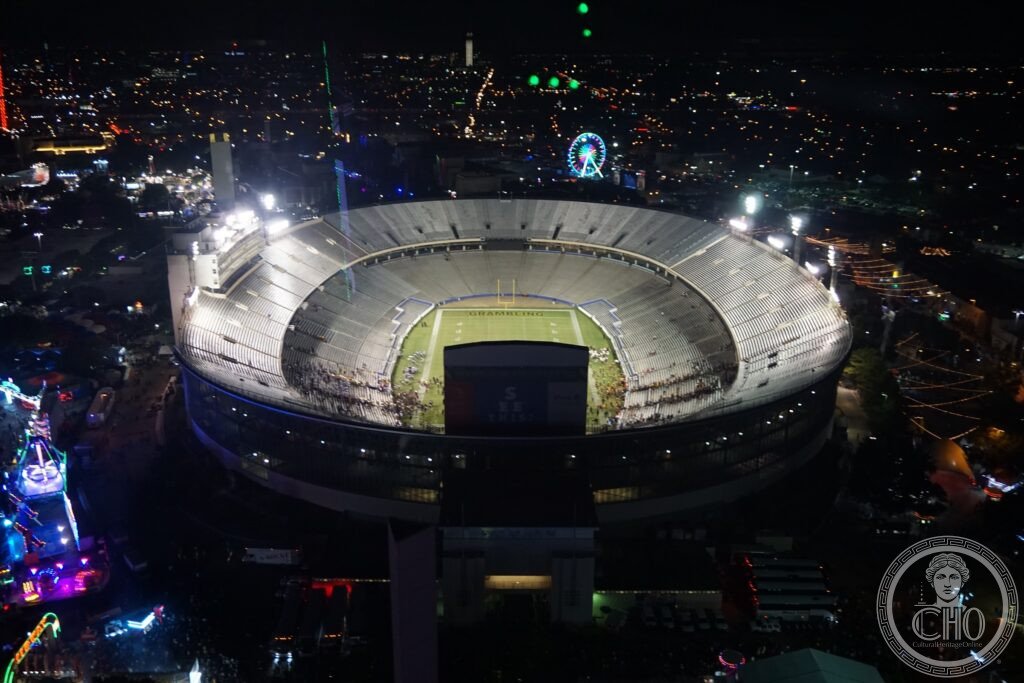
Built in 1930 and transformed in 1936 for the Texas Centennial Exposition, the Cotton Bowl is the largest Art Deco stadium in the American South and the…
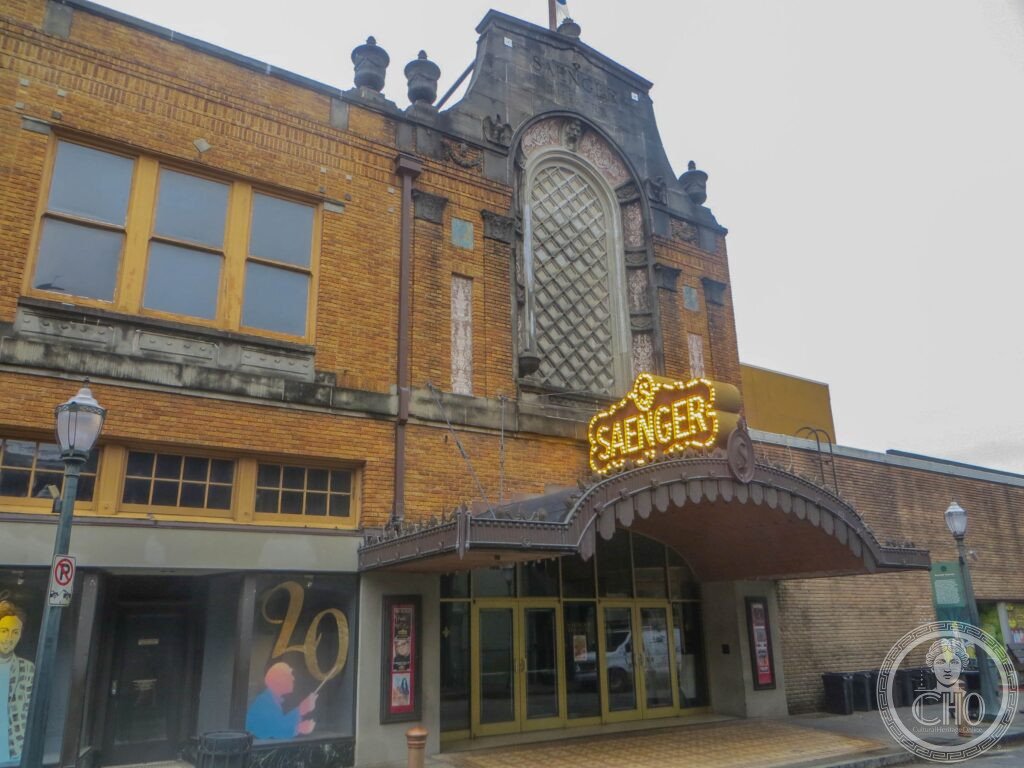
Mobile’s anchor performing arts venue since January 1927, the Saenger Theatre holds down the Lower Dauphin Street Historic District with a Moorish-inflected…
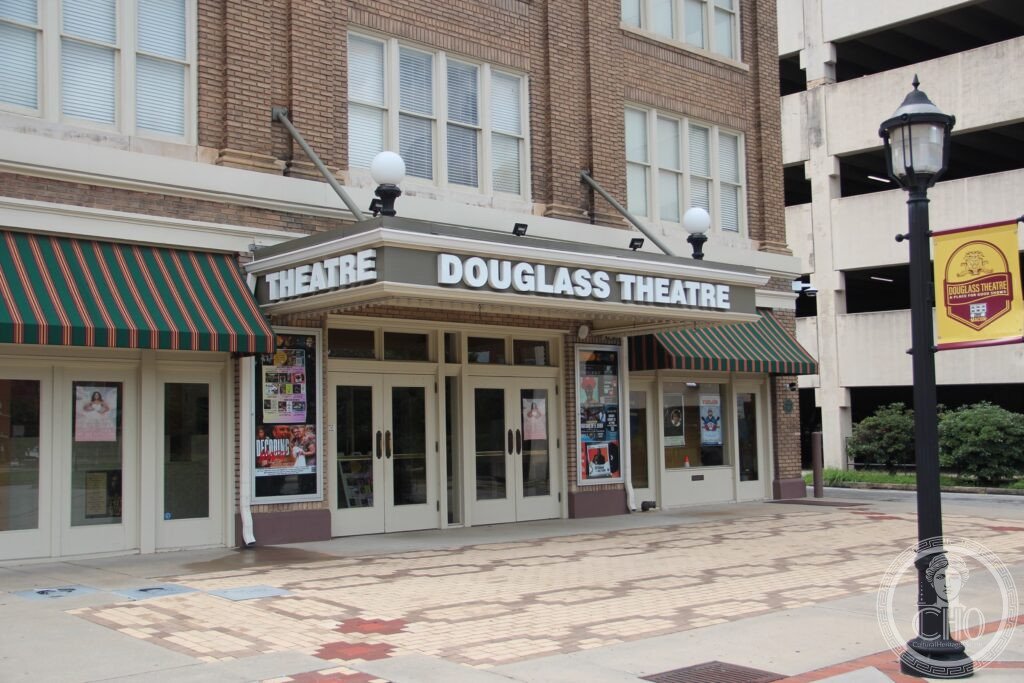
Macon’s “Black Broadway” since 1921, the Douglass Theatre launched the careers of Otis Redding and Little Richard on the same Chitlin’ Circuit stage — making…
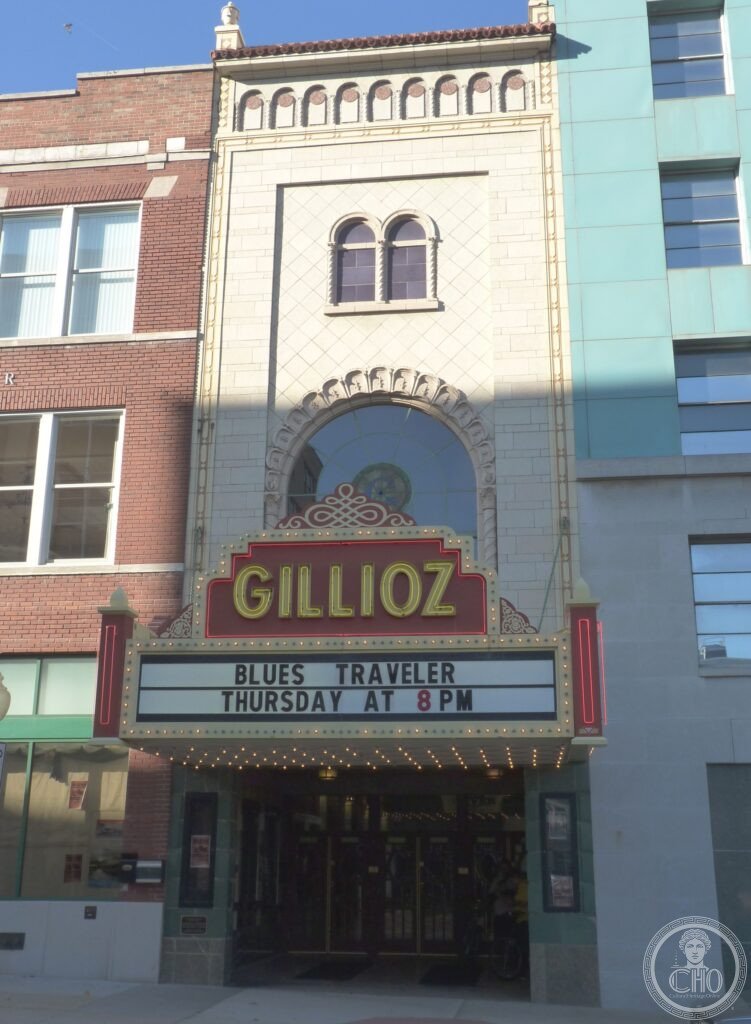
The Ozarks’ most ornate movie palace since 1926, the Gillioz anchors Springfield’s Park Central Square with Moorish arches and terracotta ornament — an…
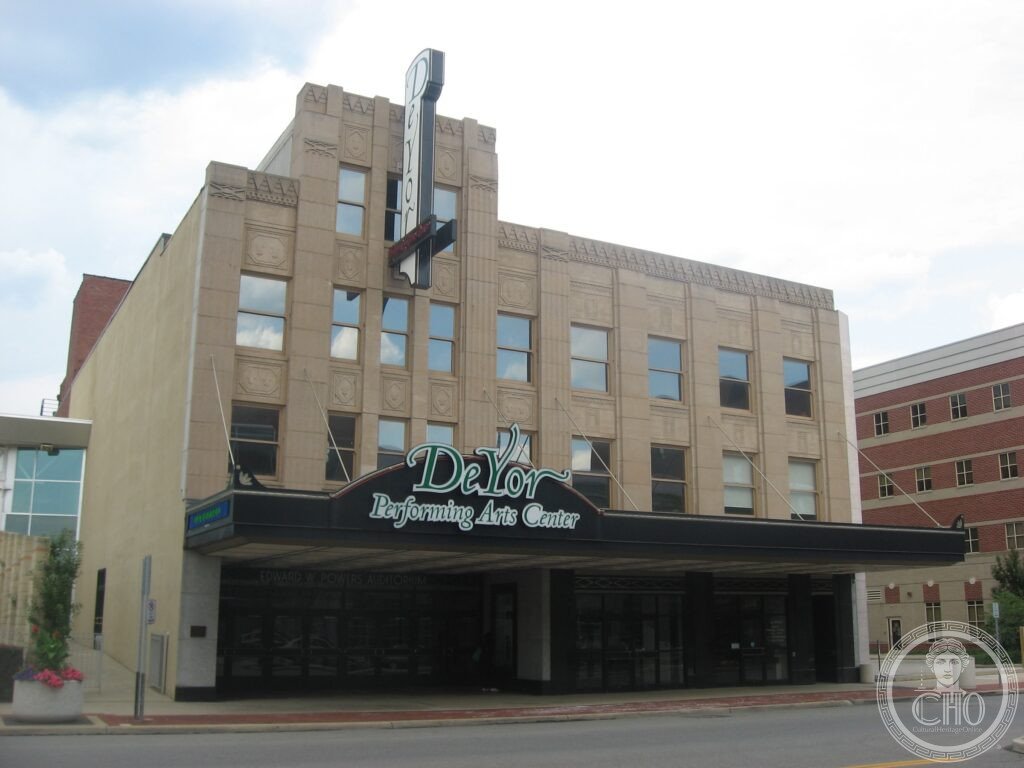
C. Howard Crane’s 1931 Art Deco theater for the Warner circuit in Youngstown, Ohio — the performance hall that has anchored the cultural life of the Mahoning…
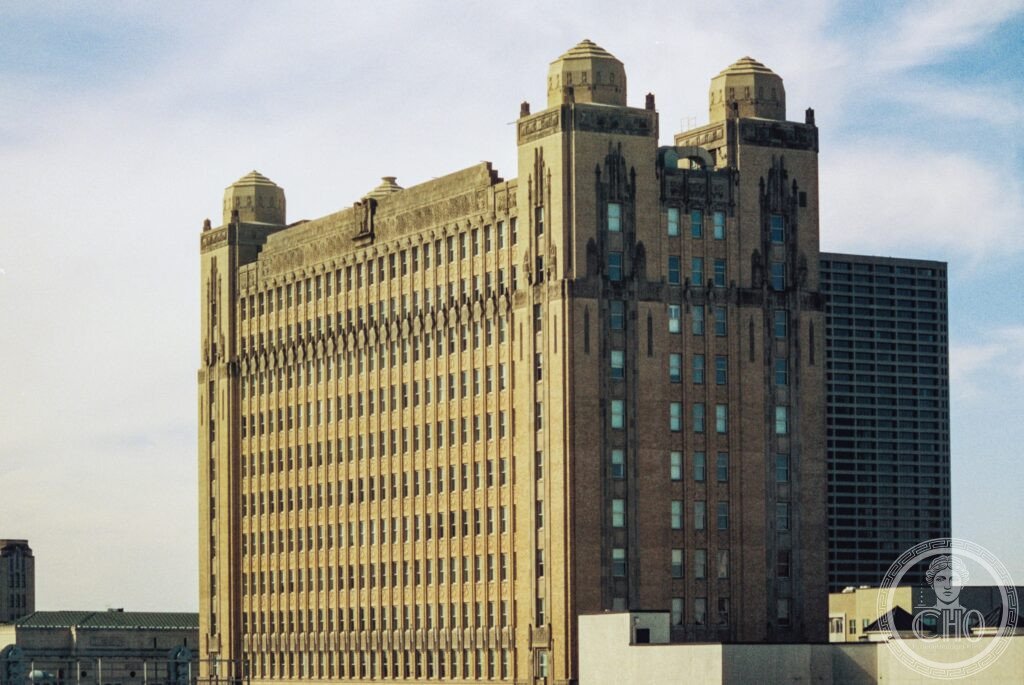
The T&P Station at 221 West Lancaster Avenue in Fort Worth — a 1931 Art Deco tower designed by Wyatt C. Hedrick that combined a working railway terminal with…
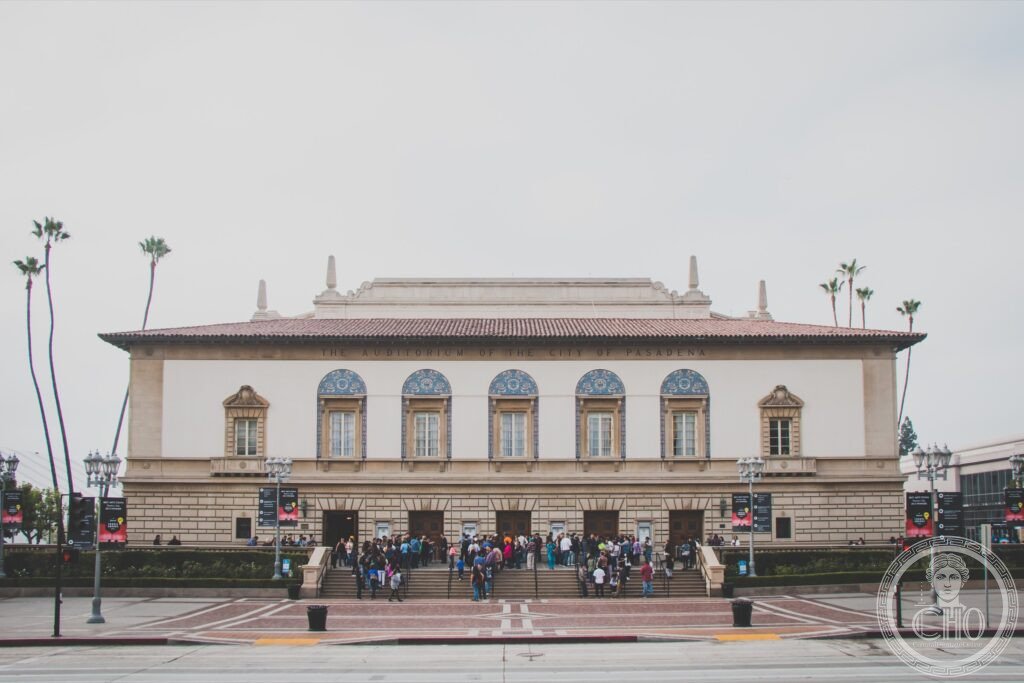
The 1932 civic auditorium at the heart of Pasadena’s Spanish Renaissance Civic Center complex — designed by Sylvanus Marston as the principal performance…