
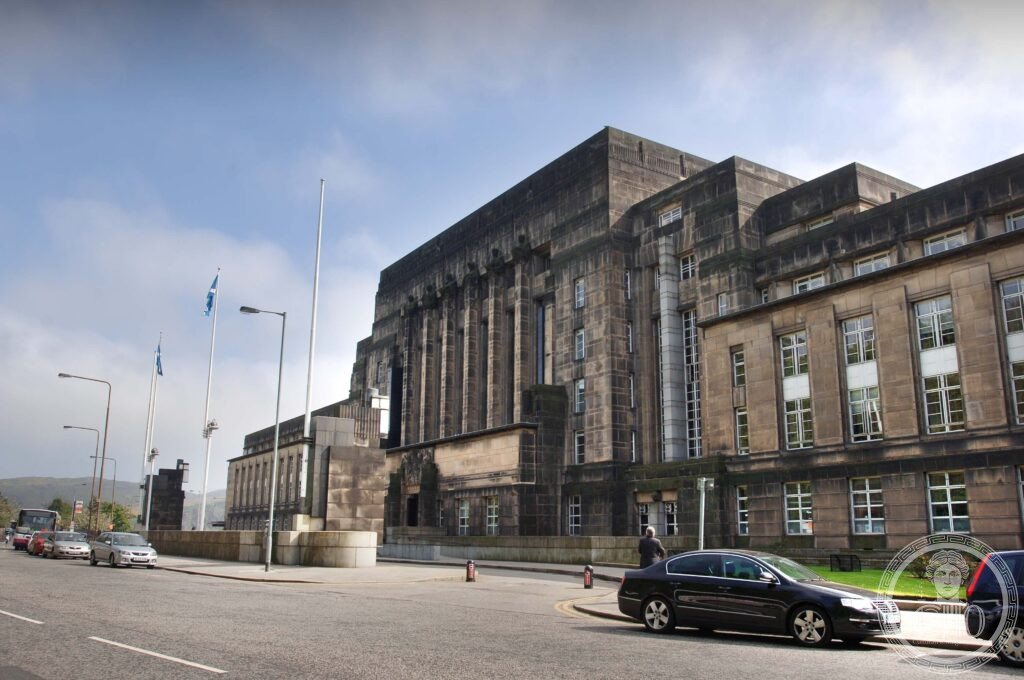
St Andrew’s House, Edinburgh
Carved into the southern face of Calton Hill and opened the day after Britain declared war on Germany, St Andrew’s House is perhaps the most dramatically…

Luigi De Marchi, architect, is the editor and publisher of Cultural Heritage Online. He founded the archive in 1998 as beniculturalionline.it and has published it without interruption since.
Contributions: 4 articles · 1,209 heritage places · 8 itineraries · 2 road-books
Published on beniculturalionline.it, the Italian archive of this publication, online since 1998. They are being brought into Cultural Heritage Online.
Carved into the southern face of Calton Hill and opened the day after Britain declared war on Germany, St Andrew’s House is perhaps the most dramatically…
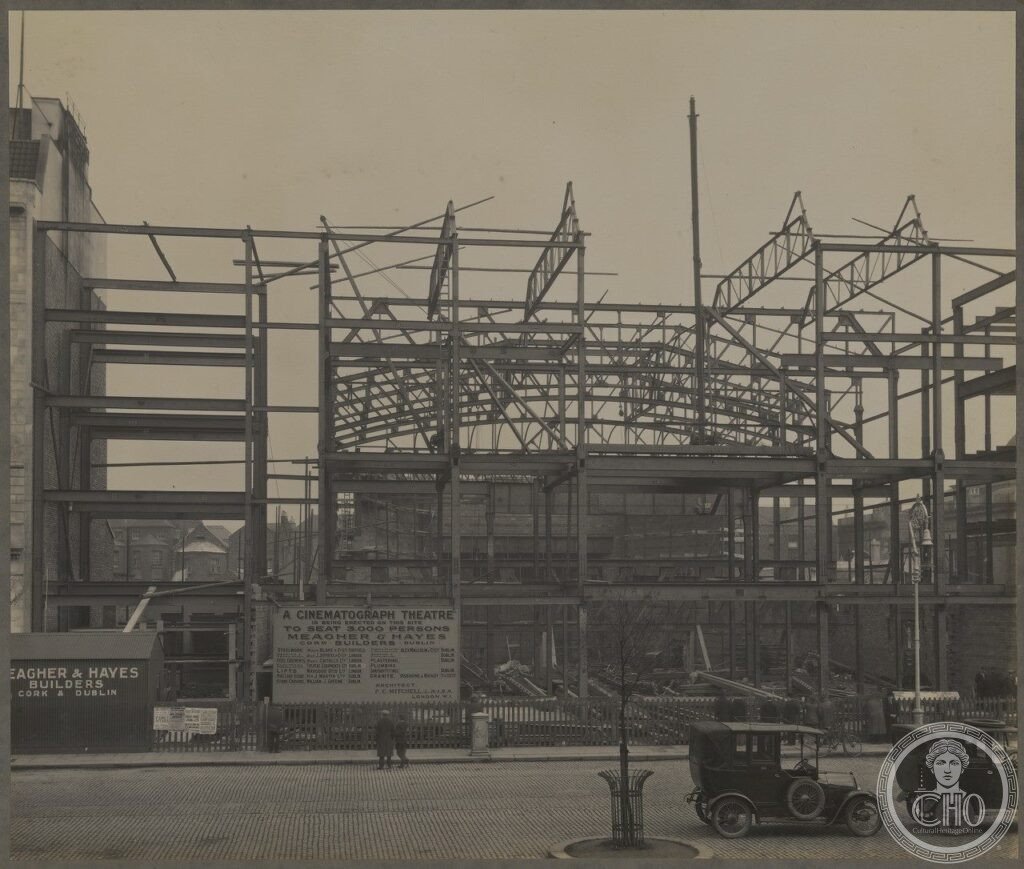
The Savoy Cinema on Upper O’Connell Street has been Dublin’s most storied picture house since it opened on 29 November 1929 with a capacity of 2,789 seats…

Rising fifty floors above the intersection of Broadway and Wall Street, One Wall Street is among the most refined Art Deco towers ever built in New York…
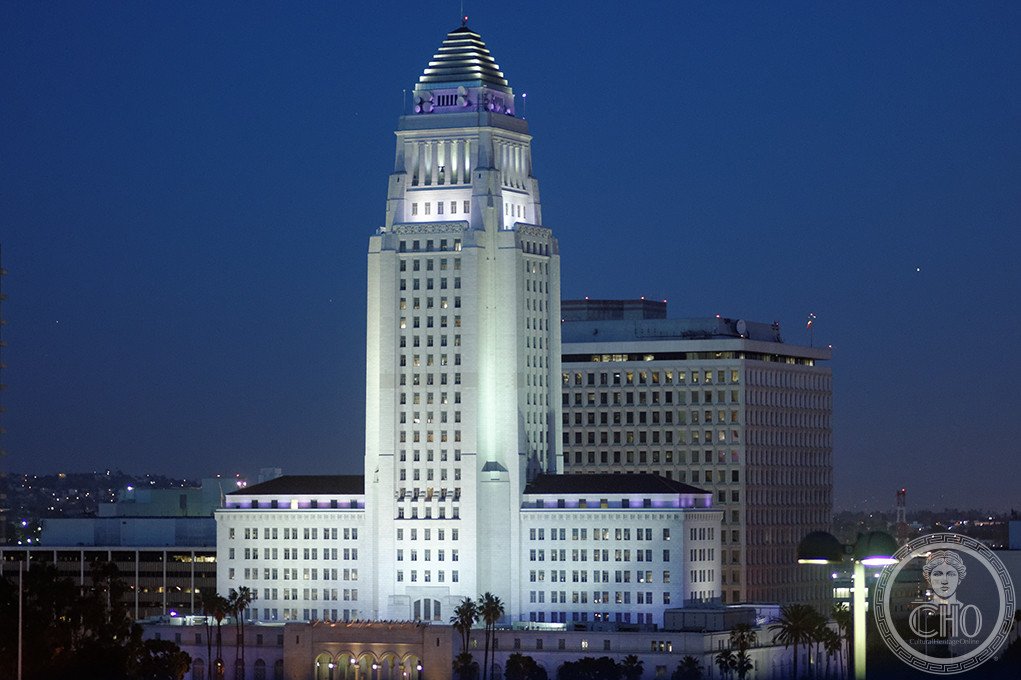
Standing 454 feet above the Civic Center, Los Angeles City Hall was the defining landmark of the young metropolis when it opened in 1928 — the only structure…

On 3 February 1931, a magnitude-7.8 earthquake levelled the centre of Napier and killed 256 people, leaving the city a field of rubble. What followed was one…
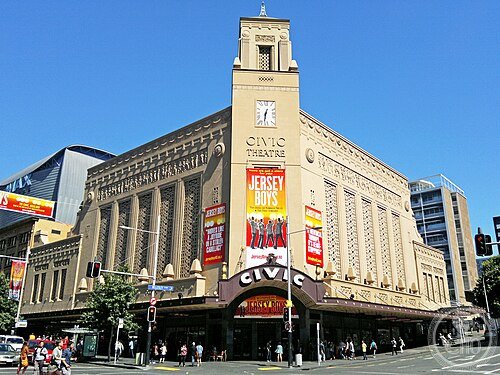
When the Auckland Civic Theatre opened on 20 December 1929, audiences stepped not into a conventional auditorium but into an enchanted outdoor world: a…
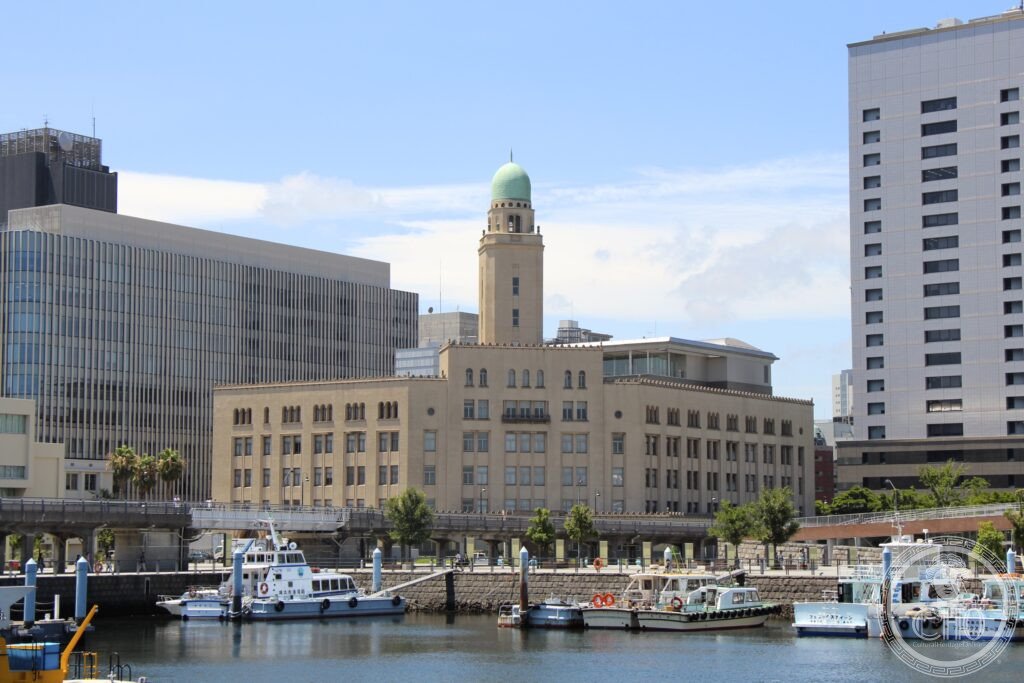
Rising at the edge of Yokohama’s historic waterfront, the Yokohama Customs Building is the most architecturally distinguished of the three landmark towers…
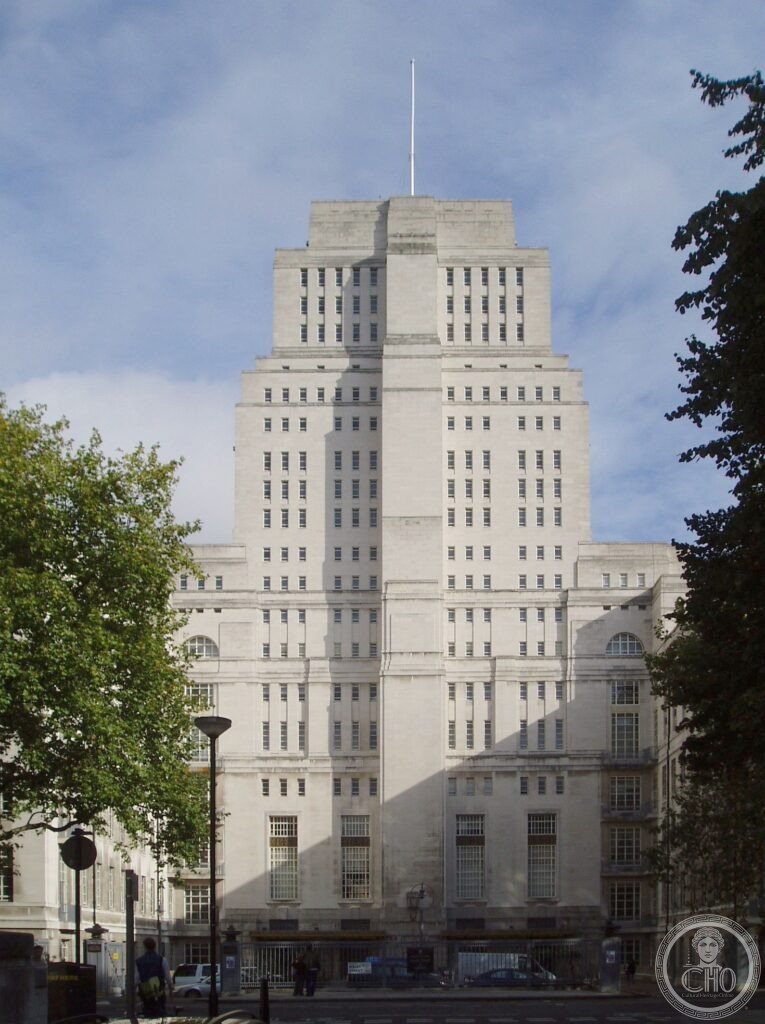
Rising nineteen floors above Bloomsbury on a base of Portland stone, Senate House is one of London’s most singular interwar monuments — a tower that feels…
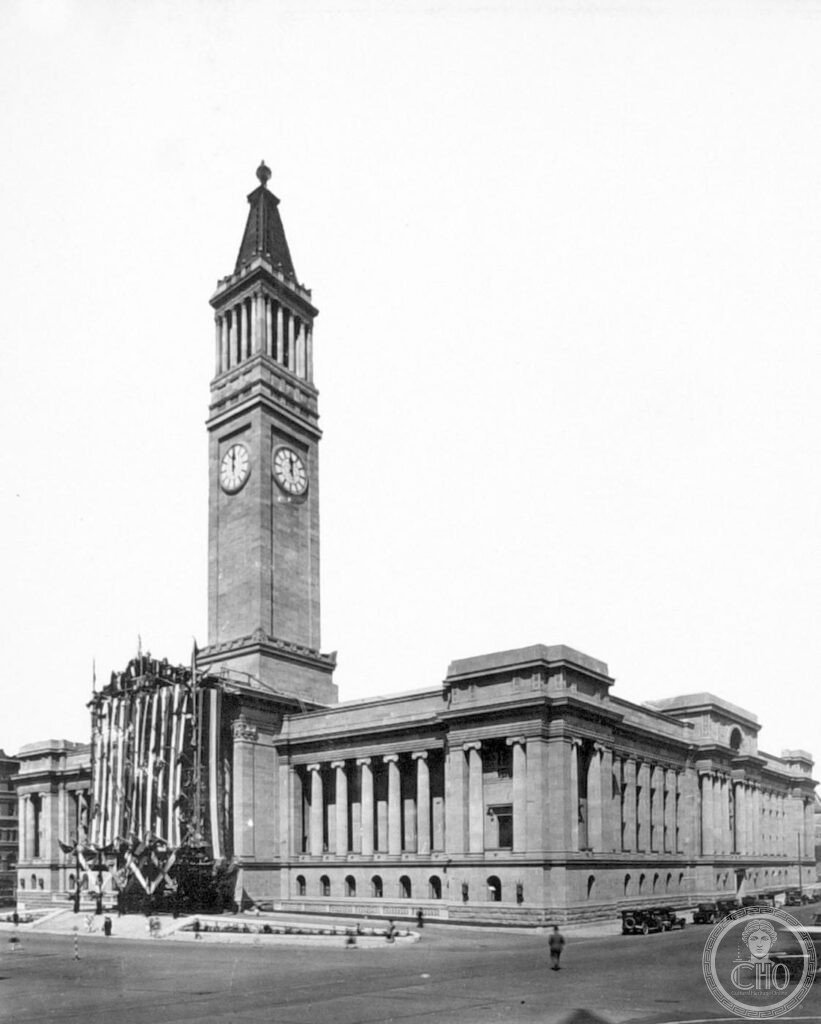
Brisbane City Hall stands on King George Square as Queensland’s most celebrated civic monument — a confident synthesis of Italian Renaissance grandeur and…

Gdynia City Hall stands as the civic crown of one of Europe’s most remarkable interwar experiments in urban planning. Built between 1930 and 1936 to designs…