
A September Week in Italy: The Grand Tour in Ten Heritage Cities
The old Grand Tour in ten heritage cities, north to south: Venice, Roman Verona and mosaic Ravenna in the north;
The old Grand Tour in ten heritage cities, north to south: Venice, Roman Verona and mosaic Ravenna in the north;
Ten heritage places in one September loop through Romania: Bucharest and the Saxon south at Bran and Sighișoara; the painted
Ten heritage places in one September loop through Hungary: the Danube capital of Budapest and the river bend at Szentendre
Six real heritage places you can visit that are also famous film and TV locations, from Hazzard County to the Star Wars deserts.
Ten heritage sites in one summer loop through the Greek mainland: the Acropolis of Athens, then down into the Peloponnese
Ten heritage cities in one September loop: modernista Barcelona, Roman Tarragona and the Mudéjar Aljafería of Zaragoza in the north-east;
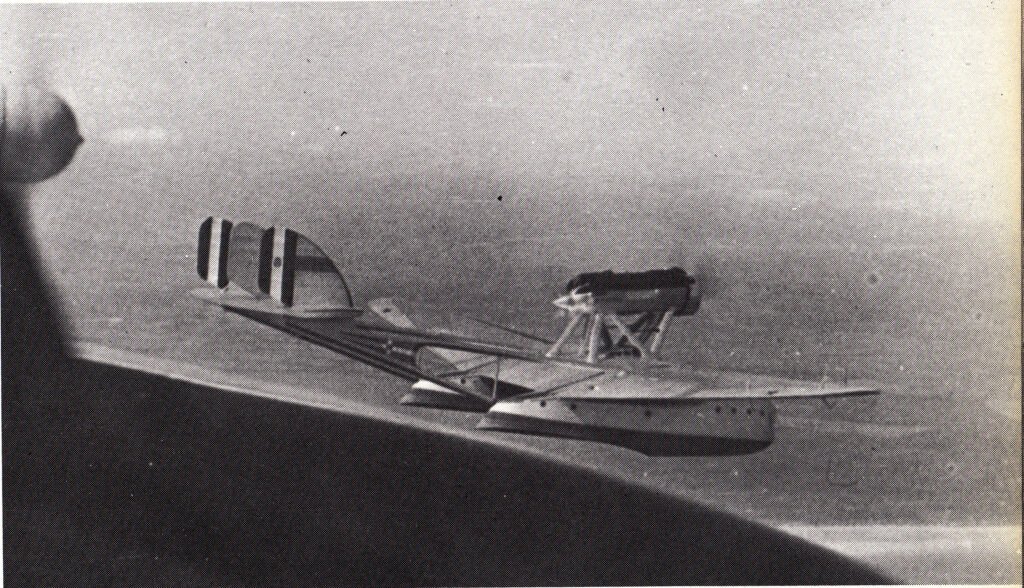
This is not a route anyone can drive. Between 1930 and 1933 Italian seaplanes crossed the Atlantic in formation, and what remains of those flights are three sites on two continents. The Idroscalo di Orbetello is the Tuscan lagoon base the squadrons trained at and left from — for Rio in 1930, for Chicago in 1933. On the Chicago lakefront, in Burnham Park, stands an ancient Roman column taken from Ostia and sent by Mussolini’s government in 1934 to commemorate the 1933 flight; it has been contested ever since. In New York, the Palazzo d’Italia opened at Rockefeller Center in 1935 as official Italy’s showcase on Fifth Avenue: Piccirilli’s fascist-flavoured glass panel there was boarded over days after Pearl Harbor and replaced in 1965. Three surviving places, and three different ways a country has handled the same memory.
Ten heritage cities in one September loop: Paris, Versailles and Rouen in the north; the coronation cathedral of Reims, royal
A thematic chain, not a day trip: five surviving case del fascio across Italy and Albania, each with a different
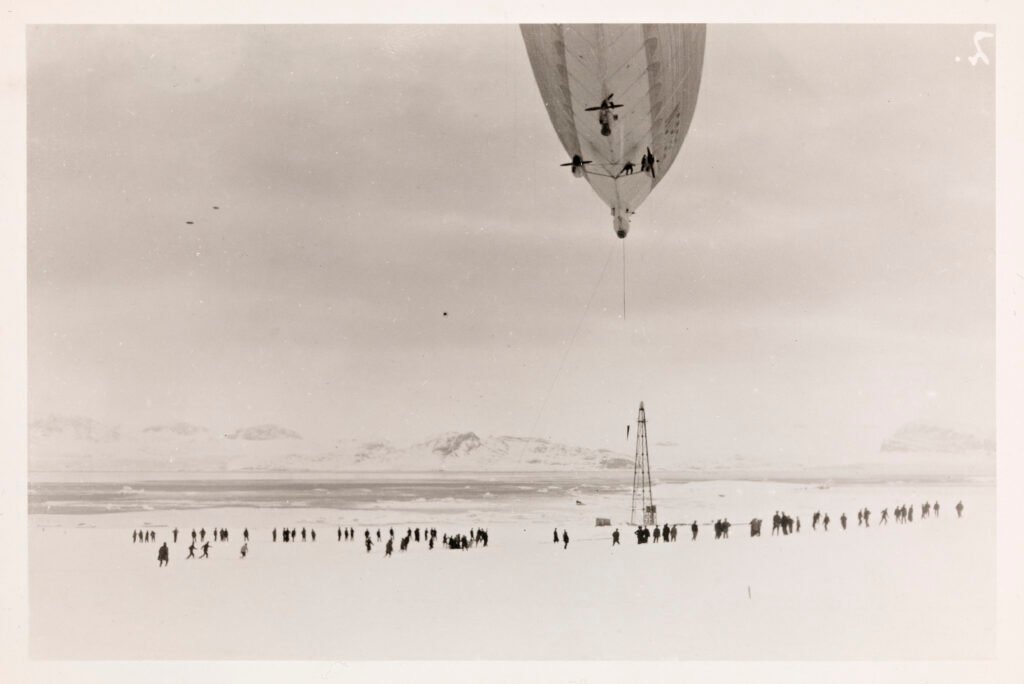
Two stops, two steel masts, and eleven hundred kilometres of open Arctic between them — which is why this page does not pretend to be a route. Both airships that flew north from Europe used the same corridor. At Vadsø, on the island of Vadsøya, the red mooring mast still stands: the last mainland anchorage, where the Norge moored in May 1926 and the Italia in May 1928. The second mast is at Ny-Ålesund, in Kings Bay on Svalbard, at 79° North. The Norge left from it on 11 May 1926 for the first verified journey to the North Pole; the Italia was based there before the flight of 1928 from which it did not return. Two pieces of engineering left standing where almost nobody passes, marking an attempt that succeeded once and ended in disaster when it was repeated.