
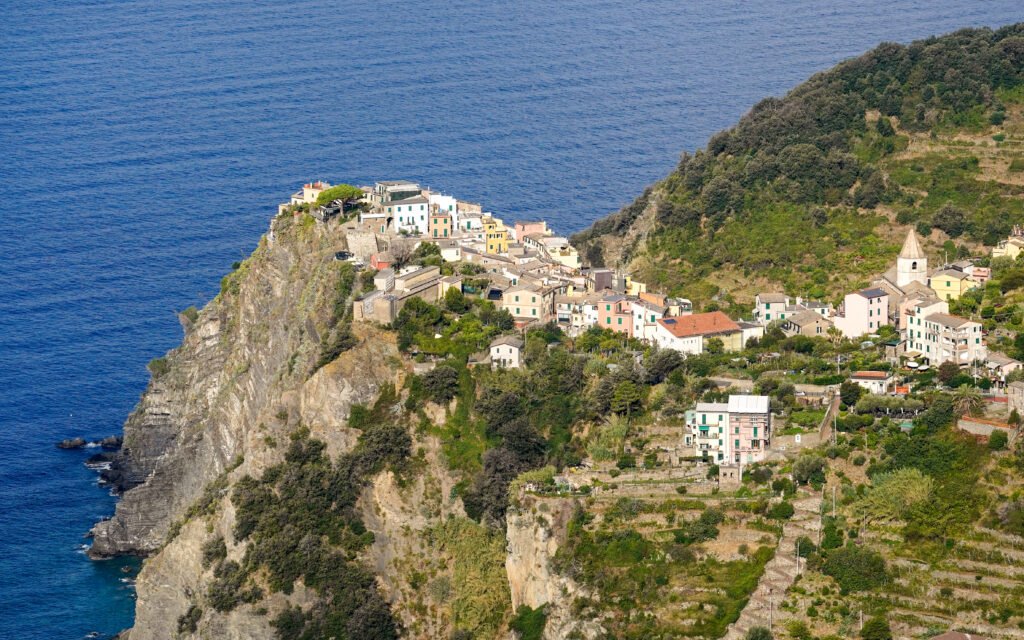
Corniglia Village
Corniglia is the middle village of the five — the only one not on the water. It sits on a one-hundred-metre promontory of vine-terraced rock between Vernazza…

Corniglia is the middle village of the five — the only one not on the water. It sits on a one-hundred-metre promontory of vine-terraced rock between Vernazza…
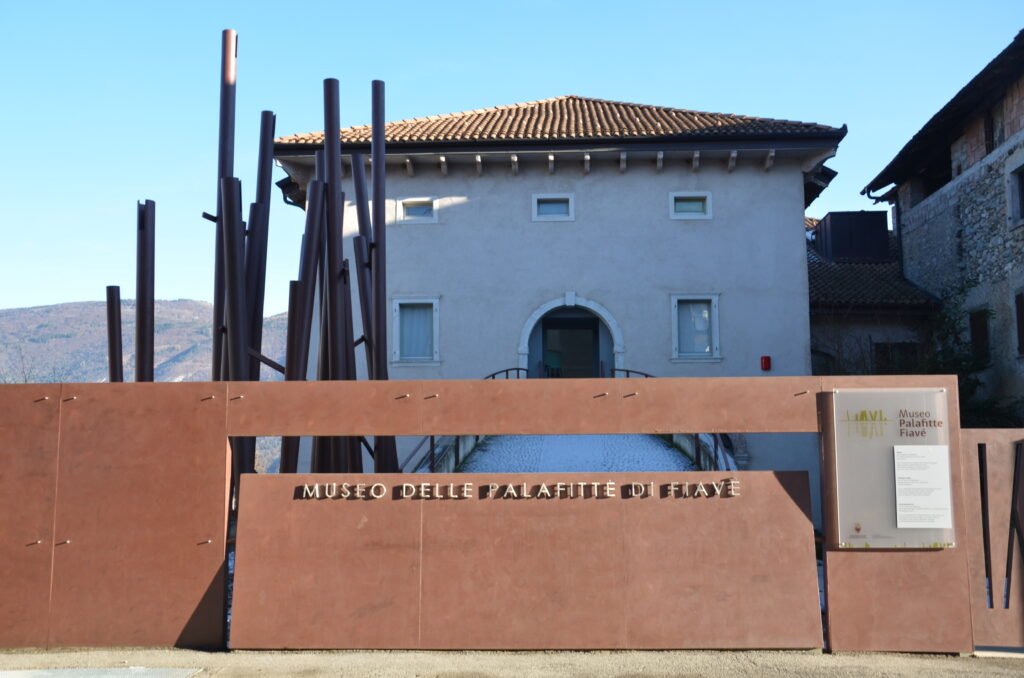
In a former alpine peat bog above Lake Carera, archaeologists pulled timber, ceramics, and woven baskets out of the mud for more than a century. The museum…
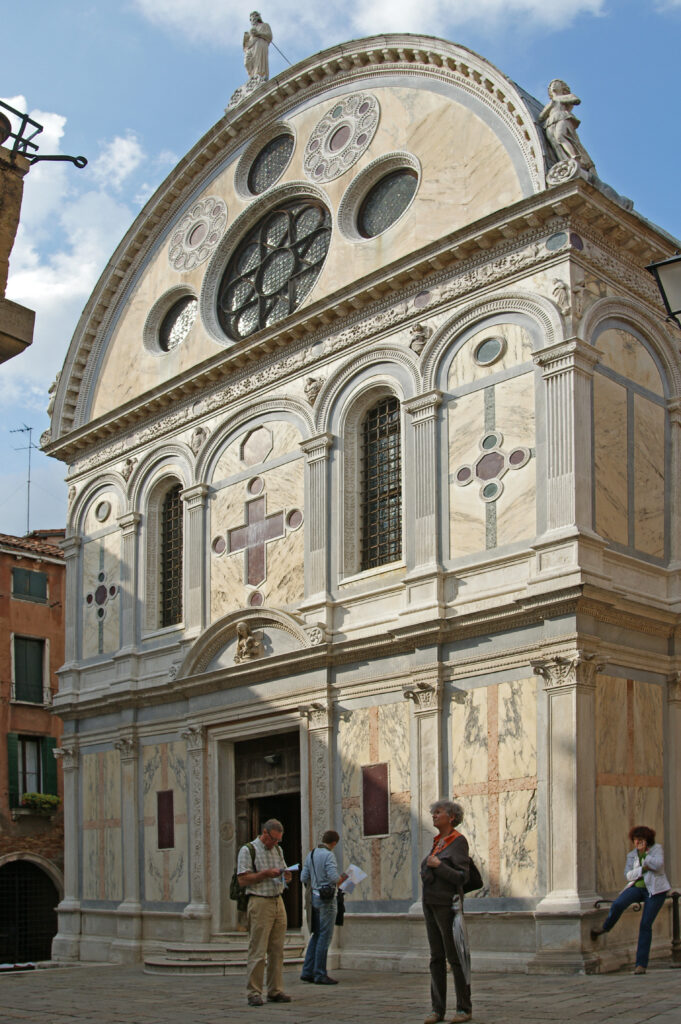
Pietro Lombardo’s 1481–1489 church in Venice, clad in polychrome marble, is one of Italy’s finest examples of early Venetian Renaissance architecture.
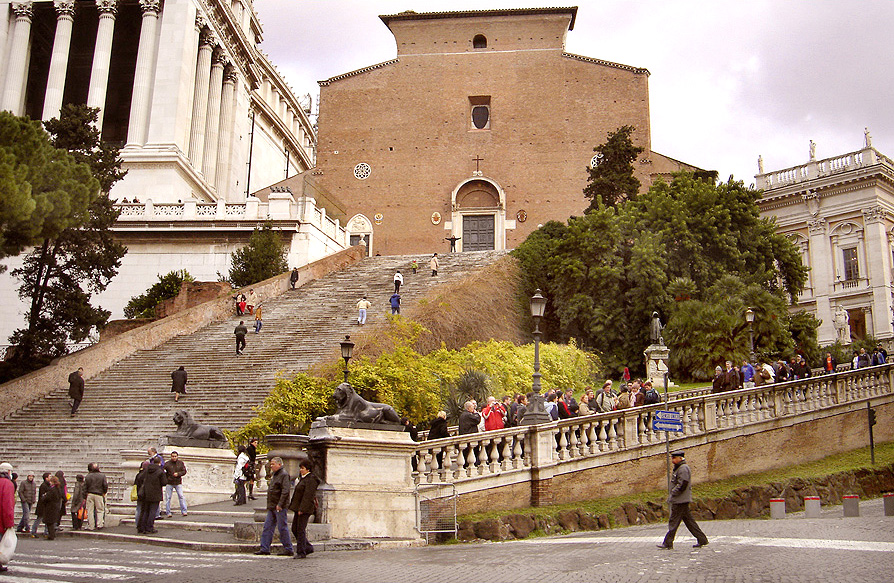
Santa Maria in Ara Coeli is a medieval basilica that crowns the northern summit of the Capitoline Hill, reached by a steep flight of 124 marble steps commissioned by the…
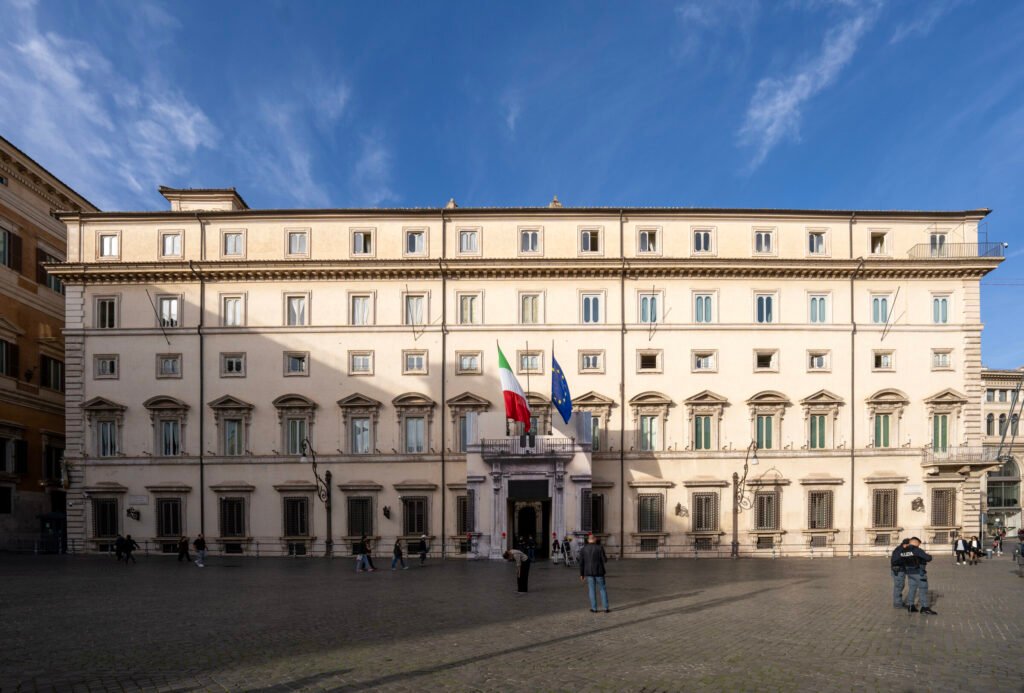
Begun in 1562 for the Aldobrandini family on the north side of Piazza Colonna, Palazzo Chigi was carried forward by Giacomo Della Porta, Carlo Maderno and, in its later phases,…
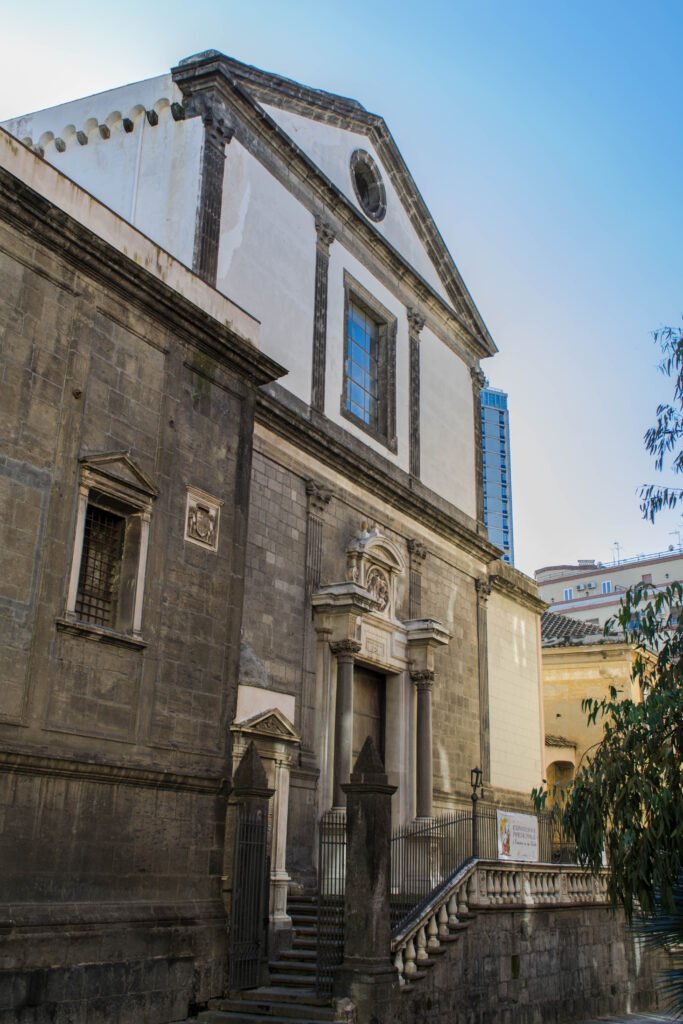
Santa Maria la Nova is a Franciscan monastic complex in the historic centre of Naples, founded in 1279 after Charles I of Anjou demolished the order’s earlier seat to build…
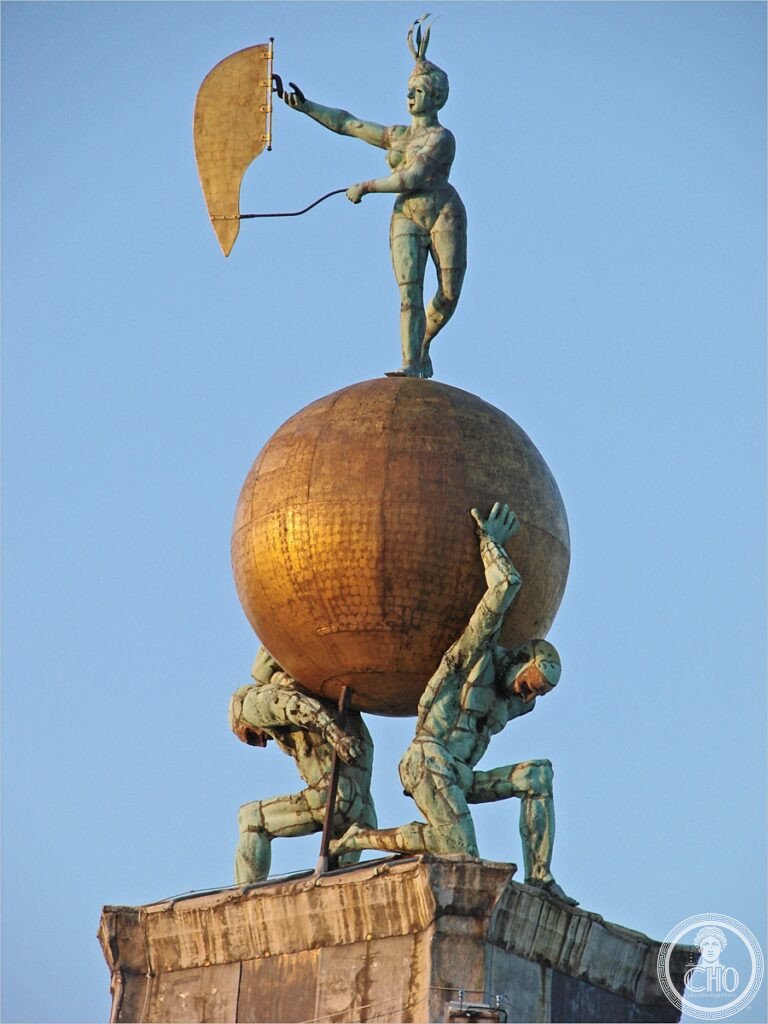
Punta della Dogana stands at the tip of Dorsoduro, where the Grand Canal meets the Giudecca Canal opposite Piazza San Marco. Built between 1677 and 1682 by Giuseppe Benoni as…

The Vittoriano, formally the National Monument to Victor Emmanuel II, was designed by the Marche-born architect Giuseppe Sacconi after winning the second national competition in 1882, and was solemnly inaugurated…
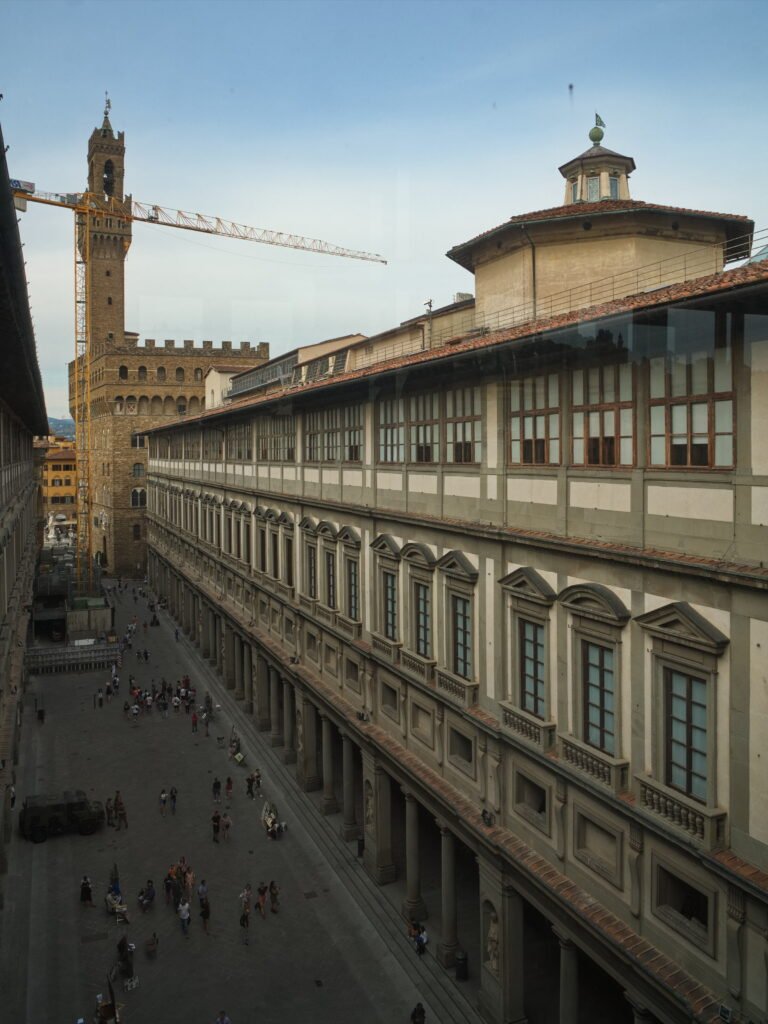
The Uffizi is a U-shaped Renaissance palace on the Arno in Florence, commissioned in 1560 by Cosimo I de’ Medici from Giorgio Vasari to house the magistracies of the Tuscan…
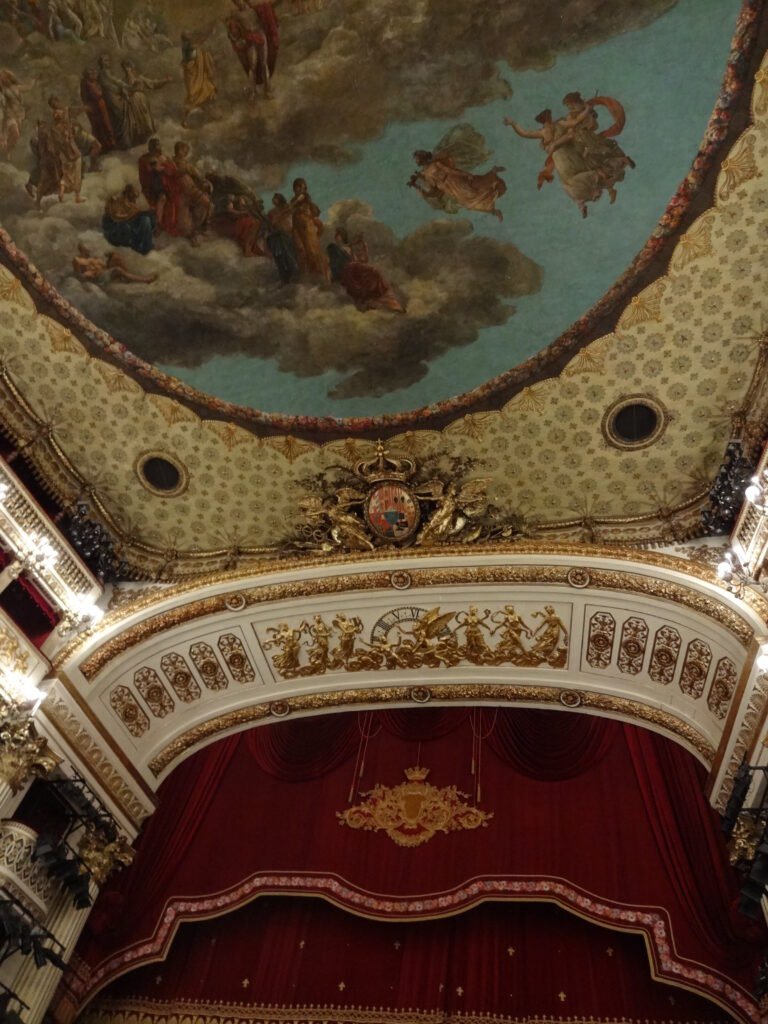
The Teatro di San Carlo is the oldest continuously active opera house in the world, inaugurated in Naples on 4 November 1737 — the name day of King Charles VII…