Tangible heritage is the material things a culture inherits — buildings, sites, artworks, objects you can touch. Intangible heritage is the living practices it inherits — languages, festivals, music, and crafts. UNESCO protects them under two separate conventions. This is a short, sourced explainer from Cultural Heritage Online.
Tangible heritage
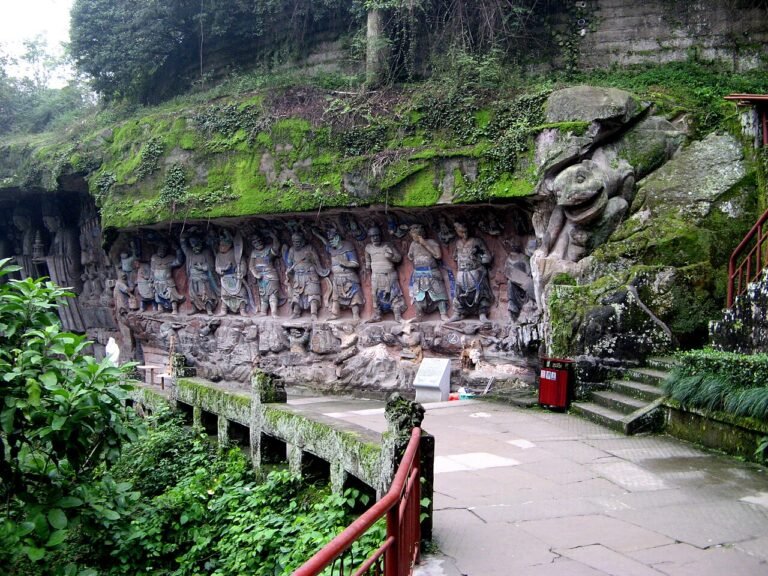
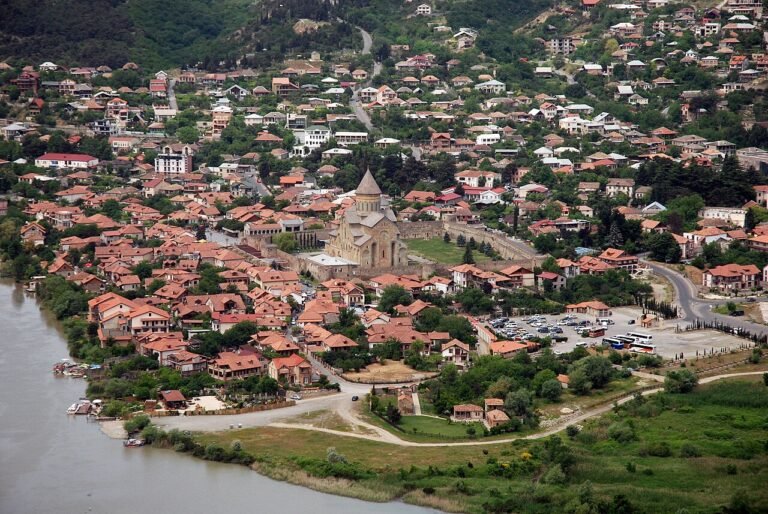
Tangible cultural heritage is the physical record. It splits into immovable heritage — monuments, archaeological sites, and historic towns fixed in place — and movable heritage, which can travel: paintings, sculpture, manuscripts, and the contents of museums. The 1972 UNESCO World Heritage Convention is the international framework that protects it, and Italy holds more entries on the resulting World Heritage List than any other country.
Intangible heritage
Intangible cultural heritage is practice rather than object. The 2003 UNESCO Convention for the Safeguarding of the Intangible Cultural Heritage recognises five domains: oral traditions and language; performing arts; social practices, rituals, and festive events; knowledge concerning nature and the universe; and traditional craftsmanship. Italian examples on the UNESCO list include the Sicilian puppet theatre Opera dei Pupi, the Mediterranean diet, and traditional violin craftsmanship in Cremona.
The key difference: how each survives
The deepest difference is not what they are but how they are lost and kept. A damaged building can be restored from drawings and photographs. A tradition cannot: when the last practitioners of a craft or the last speakers of a dialect are gone, the knowledge is far harder to recover. Tangible heritage is conserved; intangible heritage is transmitted.
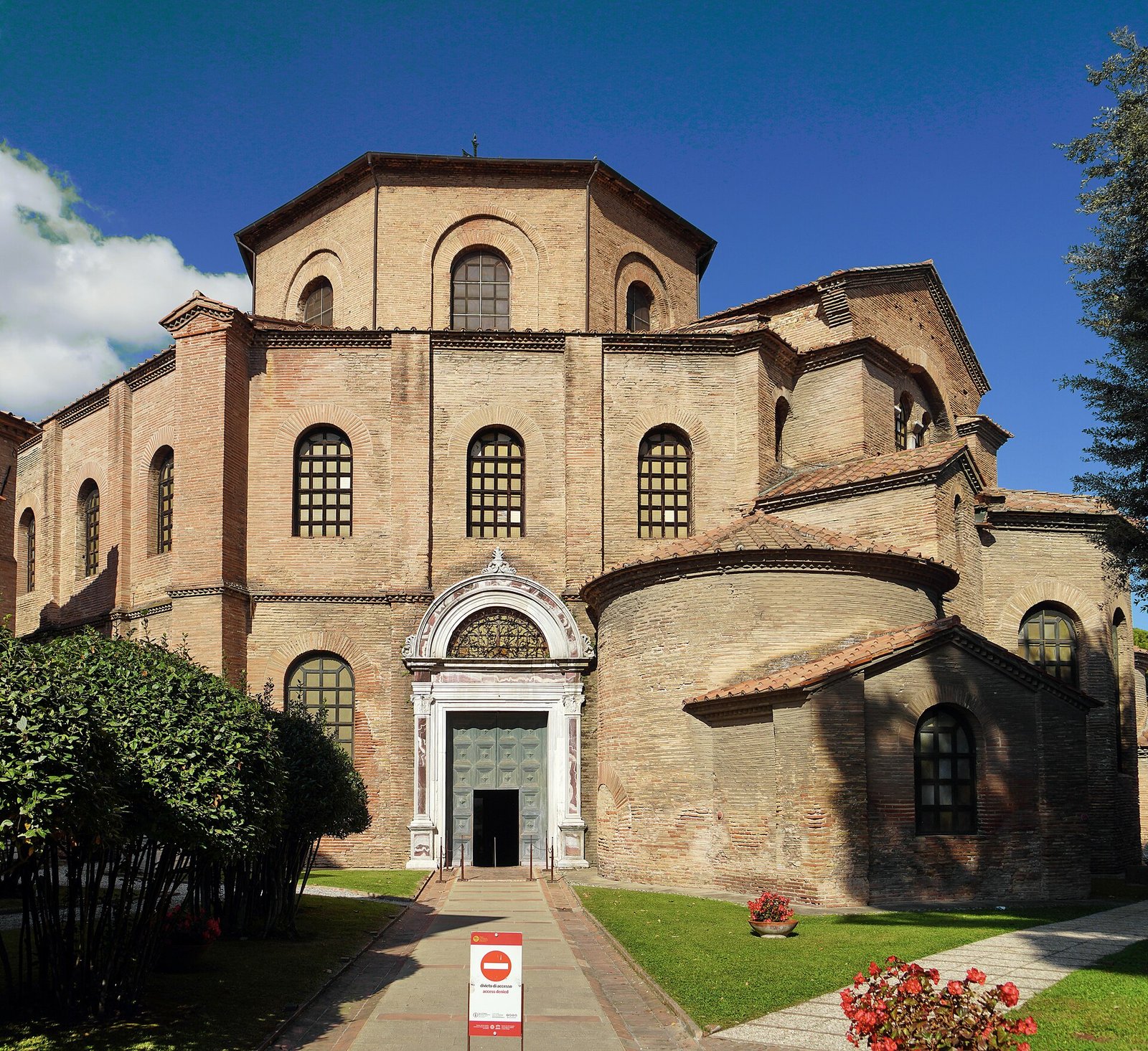
The two are not rivals. The mosaics of San Vitale are tangible objects; the craft that produced them is intangible knowledge. A historic theatre is a building and the home of a performing tradition at once. Heritage is best understood as the relationship between the two.
Why the distinction matters
It changes what protection means. Safeguarding a monument means physical conservation and access; safeguarding a tradition means keeping it practised — supporting the festival, the workshop, the apprenticeship. For a town or institution, recognising both is what turns a heritage asset from a static site into a living one. For deeper reading, see our pieces on what cultural heritage is and on why local traditions matter.
Frequently Asked Questions
What is the difference between tangible and intangible cultural heritage?
Tangible heritage is material — buildings, sites, artworks, objects you can touch. Intangible heritage is living practice — languages, performing arts, rituals and festivals, knowledge about nature, and traditional craftsmanship. UNESCO protects them under separate conventions, from 1972 and 2003.
What are examples of tangible heritage?
Immovable tangible heritage includes monuments, archaeological sites, and historic towns. Movable tangible heritage includes paintings, sculpture, manuscripts, and museum objects — anything physical that can be conserved and, in the movable case, relocated.
What are examples of intangible heritage?
Languages and oral traditions, music and dance, festivals and rituals, traditional craftsmanship, and knowledge of nature. Italian elements on the UNESCO list include the Opera dei Pupi puppet theatre, the Mediterranean diet, and Cremona violin craftsmanship.
Can something be both tangible and intangible heritage?
In practice the two are intertwined. A mosaic or a historic theatre is a tangible object, but the craft or performing tradition bound up with it is intangible. Many places hold both at once, which is why heritage is understood as the relationship between material and practice.
Sources used in this article
- UNESCO, World Heritage Convention (1972) and Convention for the Safeguarding of the Intangible Cultural Heritage (2003).
- CHO place_card Basilica of San Vitale — Ravenna.
- CHO magazine What is cultural heritage.
Sources
- S1 — Smith, Laurajane, and Natsuko Akagawa, eds. Intangible Heritage. Routledge, 2008. ISBN 978-0-415-47397-2.
- S2 — Lowenthal, David. The Past Is a Foreign Country. Cambridge University Press, 1985. ISBN 978-0-521-29480-5.
Spotted an error? Write to editorial@culturalheritageonline.com and we correct it the same day.