Local traditions matter because they carry a community’s identity in a form no building can hold: living practice. UNESCO calls this intangible cultural heritage — the languages, festivals, crafts, music, and knowledge passed from one generation to the next. This is a short, sourced explainer from Cultural Heritage Online.
What counts as intangible heritage
In 2003 UNESCO adopted the Convention for the Safeguarding of the Intangible Cultural Heritage, recognising that a culture is not only its monuments. The convention defines five domains:
- Oral traditions and expressions, including language as a vehicle of heritage.
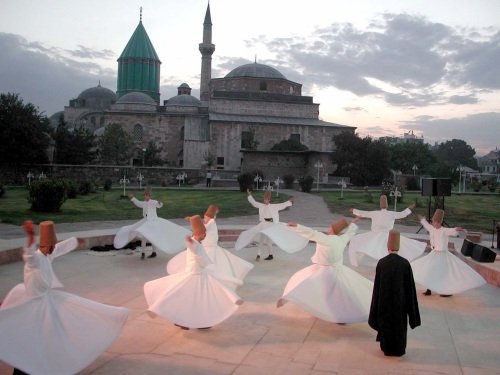
- Performing arts — music, dance, and theatre.
- Social practices, rituals, and festive events.
- Knowledge and practices concerning nature and the universe.
- Traditional craftsmanship.
The thread running through all five is transmission. Intangible heritage survives only as long as a community keeps performing it, teaching it, and recognising it as its own.
Why it is fragile
A damaged building can be restored from drawings and photographs. A tradition cannot. When the last practitioners of a craft retire without apprentices, or a language loses its last fluent speakers, the knowledge is gone in a way no archive fully replaces. This is what makes safeguarding intangible heritage urgent rather than merely nice: it is always one generation away from disappearing.
Safeguarding does not mean freezing a tradition in a museum case. It means keeping it alive and practised — supporting the festival, the workshop, the apprenticeship, the dialect — while letting it evolve as living things do.
Italian intangible heritage on the UNESCO list
Italy’s contributions to the UNESCO Representative List show the range of the idea. The Opera dei Pupi, the Sicilian armoured-puppet theatre, was among the first elements inscribed, in 2008. The Mediterranean diet — a whole complex of agricultural, culinary, and social practice rather than a menu — followed in 2010. Traditional violin craftsmanship in Cremona, the knowledge handed down in the city’s workshops since the age of Stradivari, was inscribed in 2012. The art of the Neapolitan Pizzaiuolo joined in 2017.
None of these is a building. Each is a practice that a community sustains, and each anchors a local economy of artisans, performers, and producers around it.
Heritage places hold traditions too
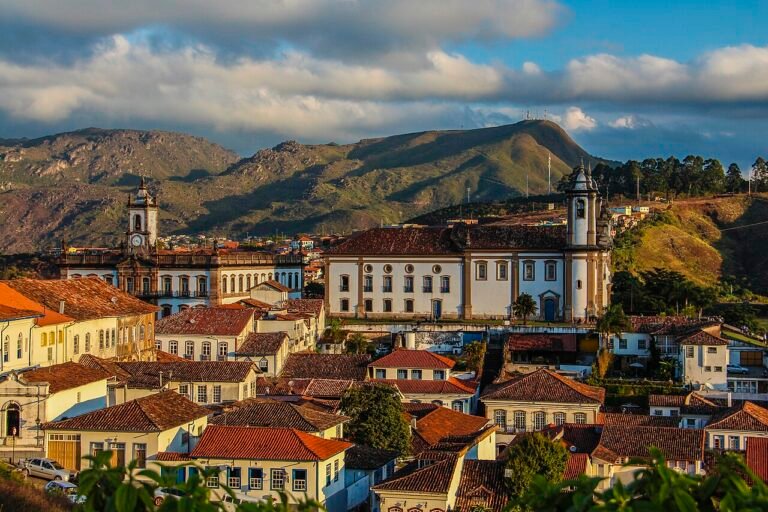
Tangible and intangible heritage are not rivals; they live together. A historic theatre is also the home of a performing tradition. A vernacular village such as the Sassi di Matera is the setting for the customs, crafts, and festivals that grew up inside it. Documenting the place is the first step toward valuing the practice it shelters.
That is why CHO records not only architecture and GPS but the cultural life attached to each place — and gives institutions a way to keep that record public and sourced.
Frequently Asked Questions
What is intangible cultural heritage?
Intangible cultural heritage is the living practices a community treats as part of its identity: oral traditions and language, performing arts, social practices and festivals, knowledge about nature, and traditional craftsmanship. UNESCO recognised and protected it through a dedicated convention in 2003.
What are some examples of Italian intangible heritage?
Elements on the UNESCO Representative List include the Sicilian puppet theatre Opera dei Pupi (2008), the Mediterranean diet (2010), traditional violin craftsmanship in Cremona (2012), and the art of the Neapolitan Pizzaiuolo (2017).
How is intangible heritage different from tangible heritage?
Tangible heritage is material — buildings, sites, objects you can touch. Intangible heritage is practice — what people do, say, perform, and make. Tangible heritage can be physically restored; intangible heritage survives only through continued transmission from one generation to the next.
Why is it important to safeguard local traditions?
Traditions carry collective identity and sustain local economies of artisans, performers, and producers. They are fragile: once the last practitioners are gone, the knowledge is far harder to recover than a damaged monument. Safeguarding means keeping them practised and transmitted, not frozen.
Sources used in this article
- UNESCO, Convention for the Safeguarding of the Intangible Cultural Heritage (2003) and its five domains.
- UNESCO, Representative List of the Intangible Cultural Heritage of Humanity — Opera dei Pupi (2008), Mediterranean diet (2010), Cremona violin craftsmanship (2012), Neapolitan Pizzaiuolo (2017).
- CHO place_card Sassi di Matera — UNESCO World Heritage Site, Basilicata.
Sources
- S1 — Smith, Laurajane, and Natsuko Akagawa, eds. Intangible Heritage. Routledge, 2008. ISBN 978-0-415-47397-2.
- S2 — Kirshenblatt-Gimblett, Barbara. Destination Culture. University of California Press, 1998. ISBN 978-0-520-20966-4.
Spotted an error? Write to editorial@culturalheritageonline.com and we correct it the same day.