
Kiribati has one UNESCO World Heritage Site: the Phoenix Islands Protected Area, 1,800 km south of the capital South Tarawa — one of the largest marine protected areas in the world and the first to include deep-sea environments in a UNESCO inscription. From Cultural Heritage Online.
Phoenix Islands Protected Area 1,800 km south — charter vessel or liveaboard (no commercial flights)
The Phoenix Islands Protected Area (PIPA) covers approximately 408,000 square kilometres of ocean — an area roughly the size of California — in the central Pacific between the equator and the Samoan islands. UNESCO inscribed the site in 2010 for its outstanding marine biodiversity: a largely pristine coral reef ecosystem covering eight coral islands and two submerged reefs, relatively free from human interference because the islands have no permanent population and are accessible only by long ocean passage.
The PIPA coral reefs are among the least impacted in the Pacific. The relatively low sea surface temperatures in the area — partly a result of equatorial upwelling — have given the reefs some resilience against the coral bleaching events that have damaged reefs elsewhere. The waters contain large populations of apex predators (sharks, grouper, giant trevally) in concentrations rarely seen on heavily fished Pacific atolls. The seabird colonies on the islands include over 1.5 million seabirds of 18 species nesting on uninhabited atolls.
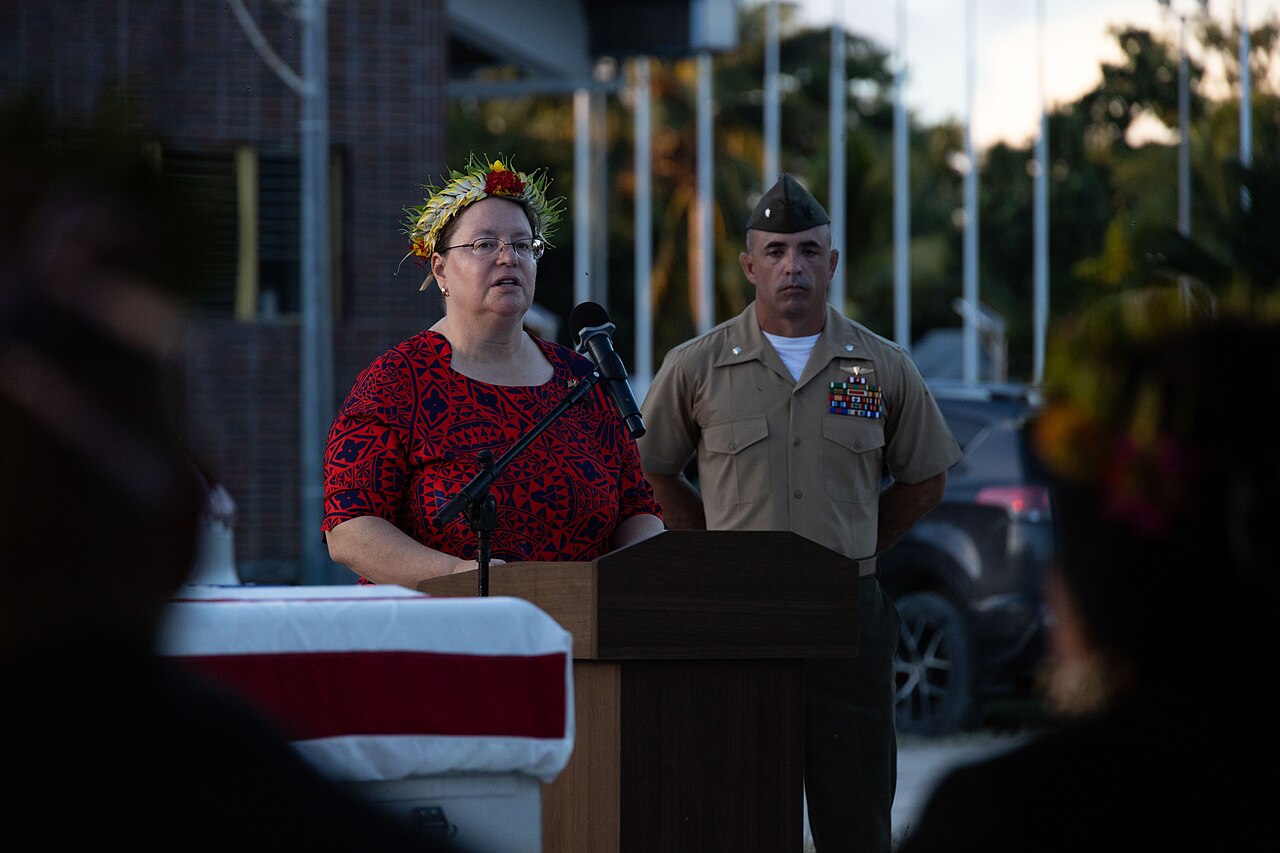
Kiritimati (Christmas Island), the world’s largest atoll by land area (located in the Line Islands of Kiribati, 3,400 km east of South Tarawa), is not part of the PIPA inscription but is separately significant as a staging post for migratory seabirds and the site of British and American nuclear tests between 1957 and 1962. South Tarawa itself — the capital — was the site of the Battle of Tarawa in November 1943, one of the bloodiest engagements of the Pacific War: the US Marines suffered nearly 1,000 killed in 76 hours of fighting on the narrow island of Betio, against a Japanese garrison that fought almost to the last man. WWII defensive structures and memorials remain on Betio.
Getting there: The PIPA is accessible only by charter vessel from Fiji, Samoa, or Hawaii — typically liveaboard dive charters of 10–14 days. No commercial flights serve the Phoenix Islands. South Tarawa is served by Air Kiribati and Fiji Airways from Suva. Allow: 2 weeks for any Phoenix Islands itinerary. Best for: Marine conservation specialists; serious liveaboard divers; WWII battlefield historians (Betio/South Tarawa).
Frequently Asked Questions
How many UNESCO World Heritage Sites does Kiribati have?
One: the Phoenix Islands Protected Area, inscribed in 2010. It covers 408,000 square kilometres of ocean in the central Pacific, making it one of the largest marine protected areas in the world and the first UNESCO World Heritage Site to include deep-sea environments. The site is approximately 1,800 km south of the capital South Tarawa.
Can visitors reach the Phoenix Islands Protected Area?
Only by charter vessel. There are no airstrips on the Phoenix Islands capable of receiving scheduled aircraft, and no commercial or charter flights serve the area. Liveaboard dive charters depart from Fiji, Samoa, or Hawaii for 10–14 day itineraries. The Kiribati government has imposed strict visitor limits to protect the ecosystem; the total visitor count is very small each year.
What was the Battle of Tarawa?
The Battle of Tarawa was fought between US Marine forces and Japanese troops on the island of Betio, South Tarawa, over 76 hours from 20–23 November 1943. The assault was one of the costliest in the Pacific War in proportion to the forces involved: approximately 1,000 US Marines were killed and 2,000 wounded in taking an island 3 km long from a Japanese garrison of 4,800, of whom only 17 survived. The battle exposed serious flaws in American amphibious tactics and led to significant changes in planning for subsequent Pacific operations. WWII fortifications, gun emplacements, and memorial sites remain on Betio.
Is Kiribati affected by climate change and rising sea levels?
Yes, significantly. The islands of Kiribati — most of which are less than 2 metres above sea level — are among the most vulnerable in the world to sea-level rise. The government of Kiribati has purchased land in Fiji as a potential relocation site for the population. Storm surge flooding increasingly affects South Tarawa, and saltwater intrusion has damaged freshwater resources on several islands. Kiribati has been one of the most prominent Pacific voices in international climate negotiations.
Sources
- S1 — Alexander, Joseph H. Utmost Savagery: The Three Days of Tarawa. Naval Institute Press, 1995. ISBN 978-1-55750-031-1.
- S2 — Kirch, Patrick Vinton. On the Road of the Winds: An Archaeological History of the Pacific Islands. University of California Press, 2000. ISBN 978-0-520-22347-9.
Spotted an error? Write to editorial@culturalheritageonline.com and we correct it the same day.


.jpg)