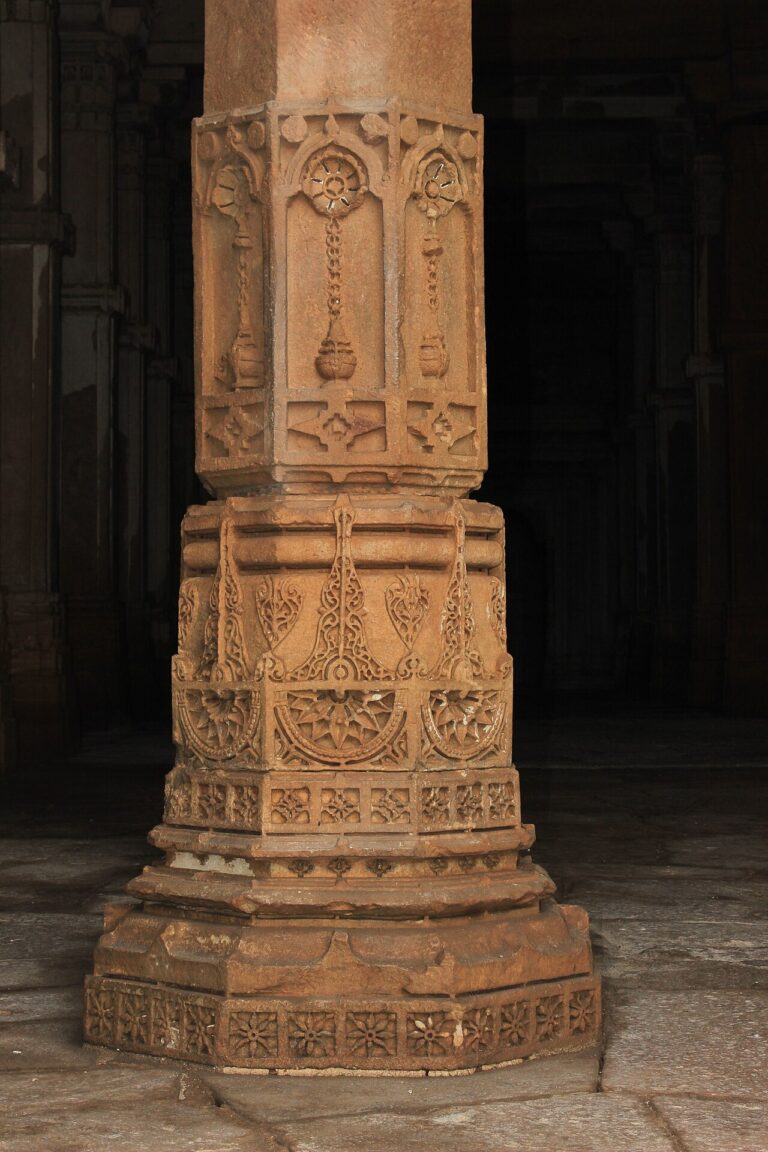
Cultural heritage is the inheritance of physical artefacts and intangible traditions a society receives from past generations, maintains today, and passes on to the future. It spans monuments, landscapes, and objects on one side, and language, ritual, craft, and knowledge on the other. This is a short, sourced introduction from Cultural Heritage Online: the project began in 1998, it has been online without interruption since 2001, and this name and this address date from 2019.
Tangible heritage: the things you can touch
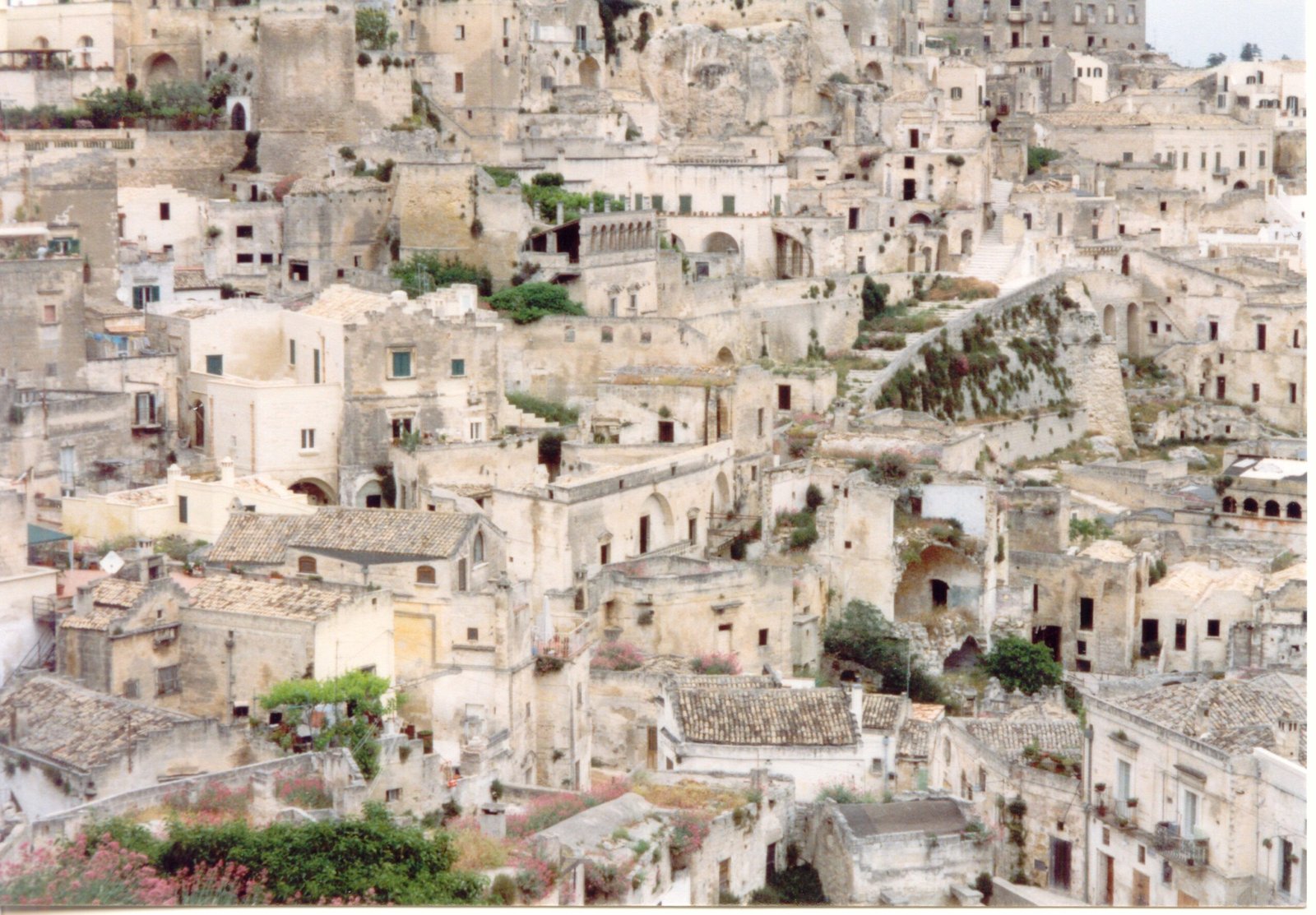
Tangible cultural heritage is the material record of a culture. It divides into two familiar groups. Immovable heritage is fixed in place: buildings, monuments, archaeological sites, and whole historic towns such as the Sassi di Matera, inhabited for millennia and listed by UNESCO in 1993. Movable heritage is everything that can travel: paintings, sculpture, manuscripts, coins, and the contents of museums.
The international framework for protecting tangible heritage is the 1972 UNESCO World Heritage Convention, which created the World Heritage List. Italy holds more entries on that list than any other country, which is one reason the peninsula is a natural starting point for understanding the field.
Intangible heritage: the things you cannot touch
Heritage is not only stone and canvas. The 2003 UNESCO Convention for the Safeguarding of the Intangible Cultural Heritage recognised a second category: the living practices a community treats as part of its identity. UNESCO groups these into five domains — oral traditions and language; performing arts; social practices, rituals, and festive events; knowledge concerning nature and the universe; and traditional craftsmanship.
A violin-making workshop, a seasonal festival, a dialect, a recipe passed down through families: each is heritage in this sense. Intangible heritage is fragile in a particular way. A ruined building can be restored from drawings; a craft or a language, once its last practitioners are gone, is far harder to recover.
Natural and mixed heritage
UNESCO also recognises natural heritage — landscapes, geological formations, and habitats of outstanding value — and mixed sites that qualify on both cultural and natural grounds. The boundary is rarely clean. A terraced vineyard or a cave-dwelling ravine is shaped by nature and by human work at once, which is why heritage is best understood as a relationship between people and place rather than a list of objects.
Why cultural heritage matters
Three arguments recur, and they reinforce one another. The first is identity: heritage is how a community knows where it comes from and what makes it distinct. The second is knowledge: monuments, archives, and traditions are primary evidence for history, science, and art that no textbook replaces. The third is economic: heritage anchors cultural tourism, sustains crafts and local economies, and drives the regeneration of historic centres.
Heritage matters most when it is used, not sealed off. A building visited, a tradition practised, a place documented and shared stays alive. That is the work CHO exists to do.
See heritage on the map
CHO documents more than 16,850 heritage places with sourced editorial cards — history, architecture, GPS coordinates, and photography — and plots them on an interactive map. It is the fastest way to move from the idea of cultural heritage to the specific places that embody it.
Explore the interactive heritage map →
Frequently Asked Questions
What is cultural heritage in simple terms?
Cultural heritage is what a society inherits from past generations and chooses to keep and pass on: physical things like monuments, artworks, and historic towns, and intangible things like languages, festivals, crafts, and traditional knowledge.
What is the difference between tangible and intangible heritage?
Tangible heritage is material — buildings, archaeological sites, paintings, manuscripts, objects you can touch. Intangible heritage is living practice — oral traditions, performing arts, rituals and festivals, knowledge about nature, and traditional craftsmanship. UNESCO protects them under two separate conventions, from 1972 and 2003.
What are the main types of cultural heritage?
The principal categories are tangible heritage (split into immovable, such as monuments and sites, and movable, such as artworks and manuscripts), intangible heritage (living traditions across five UNESCO domains), and natural and mixed heritage (landscapes and sites of cultural and natural value).
Why is cultural heritage important?
It carries collective identity, preserves primary evidence for history and science, and underpins local economies through cultural tourism, craft, and the regeneration of historic centres. Heritage stays alive when it is visited, practised, and documented rather than locked away.
Sources used in this article
- UNESCO, Convention Concerning the Protection of the World Cultural and Natural Heritage (1972).
- UNESCO, Convention for the Safeguarding of the Intangible Cultural Heritage (2003), including the five domains of intangible heritage.
- CHO place_card Sassi di Matera — UNESCO World Heritage Site (1993), Basilicata.
- CHO interactive heritage map — 16,850+ documented places with GPS.
Sources
- S1 — Lowenthal, David. The Past Is a Foreign Country. Cambridge University Press, 1985. ISBN 978-0-521-29480-5.
- S2 — Harrison, Rodney. Heritage: Critical Approaches. Routledge, 2013. ISBN 978-0-415-80644-2.
Spotted an error? Write to editorial@culturalheritageonline.com and we correct it the same day.