
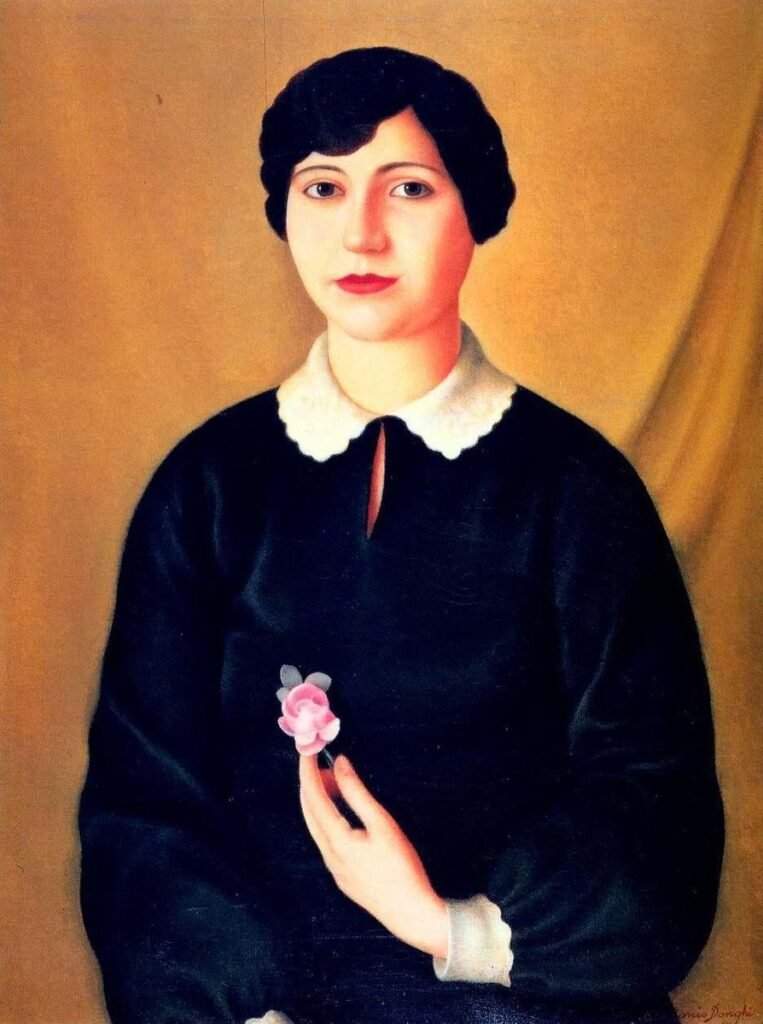
La signorina by Antonio Donghi, 1927
A painting by Italian artist Antonio Donghi from 1927, created during his prominence in the neoclassical movement of the 1920s.

Stefano Vigolo photographs and documents Italian architecture of the interwar decades — the years known in Italy as the Ventennio — from Rationalism and Art Déco to the buildings that fall between the guidebooks. He is a researcher of the period.
Contributions: 516 articles · 106 heritage places · 7 events · 12 itineraries · 89 photographs
Published on beniculturalionline.it, the Italian archive of this publication, online since 1998. They are being brought into Cultural Heritage Online.
A painting by Italian artist Antonio Donghi from 1927, created during his prominence in the neoclassical movement of the 1920s.
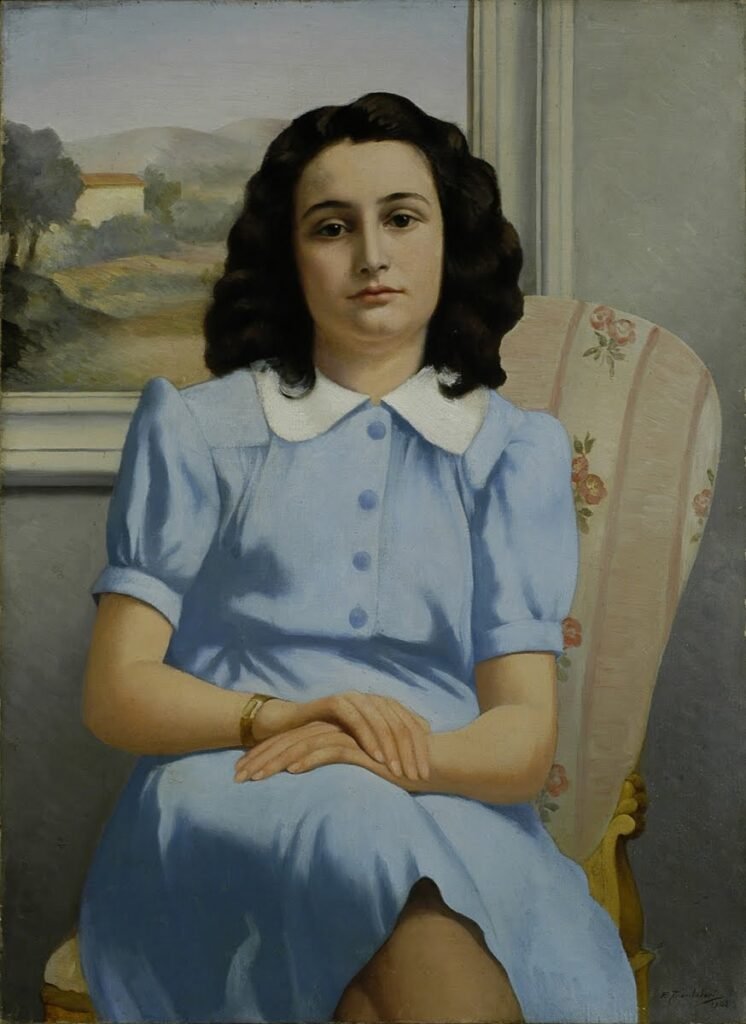
A portrait painting by Italian artist Francesco Trombadori, executed in 1942. The work represents Trombadori’s mature practice of portraiture during Italy’s interwar period.
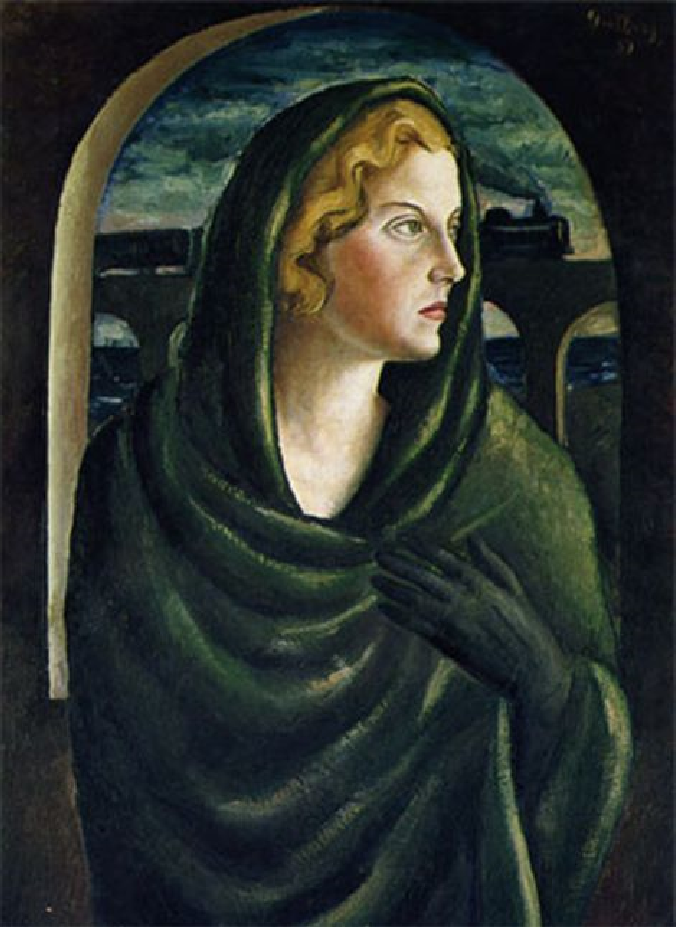
A painting by Italian expressionist Renato Guttuso from 1932 depicting a cloaked woman. The work exemplifies Guttuso’s engagement with figuration and social observation.
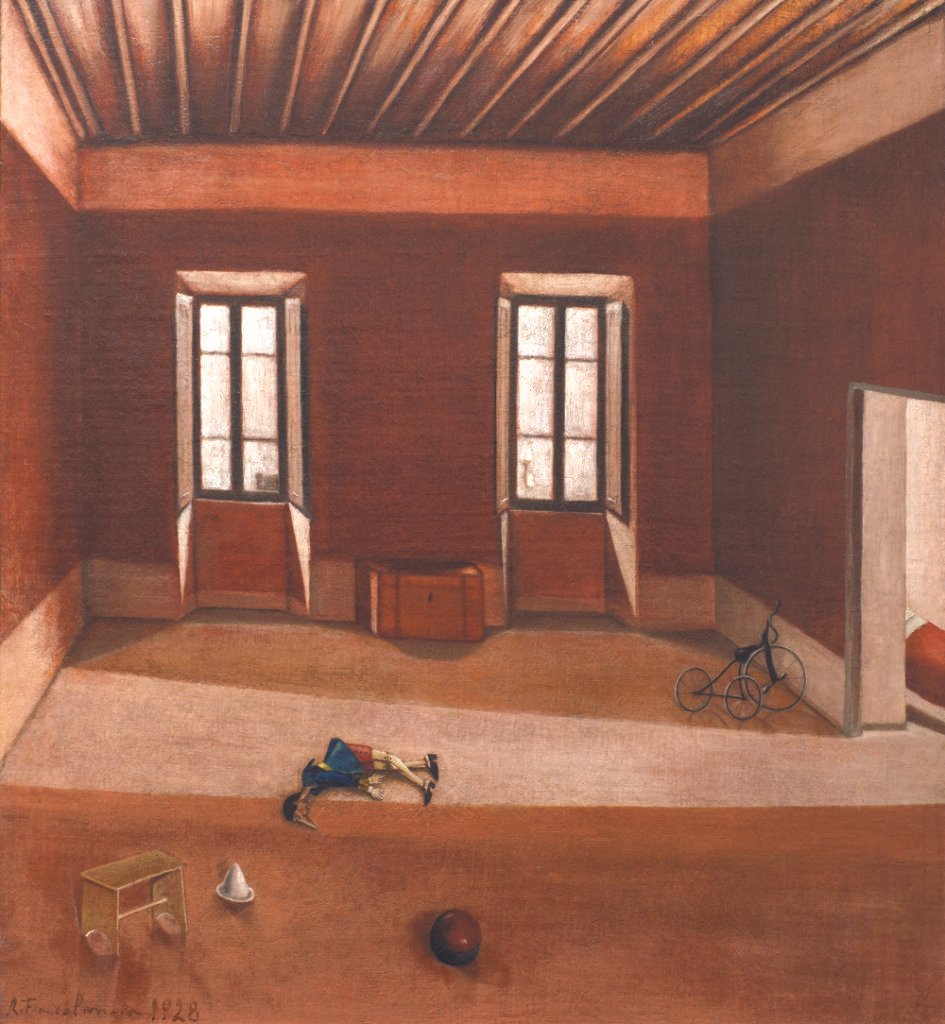
A painting by Italian artist Riccardo Francalancia created in 1928. Francalancia was a leading figure in the Valori Plastici movement, which sought to restore classical form and volume to modern Italian art.
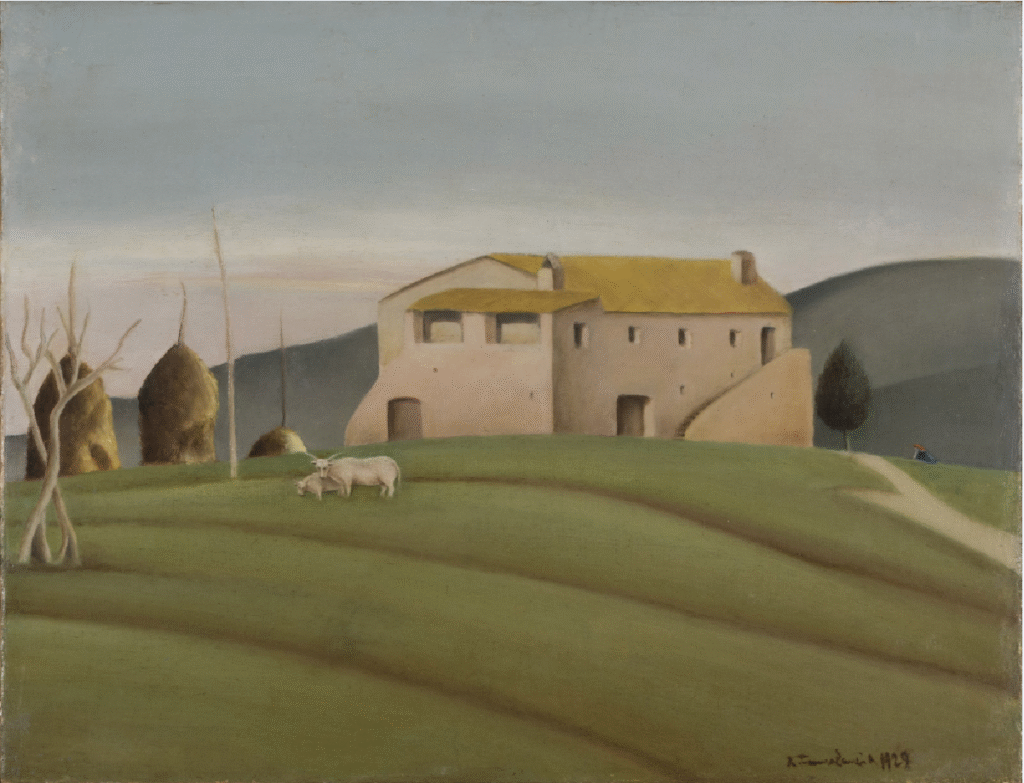
Oil painting of the Roman countryside by Italian modernist Riccardo Francalancia, created in 1929 during the Valori Plastici movement.
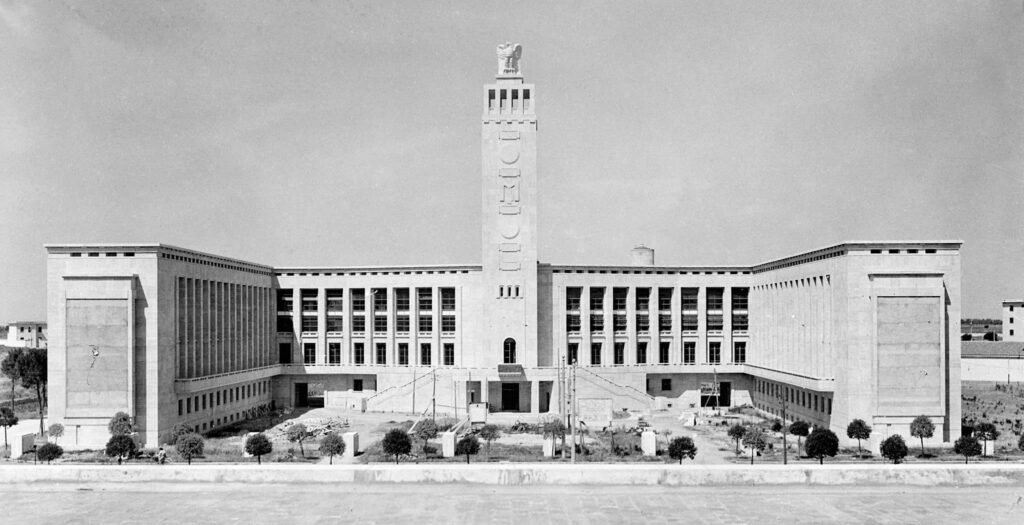
A Rationalist administrative building designed by architect Oriolo Frezzotti for the Fascist party in the planned town of Littoria, completed in the early 1940s.
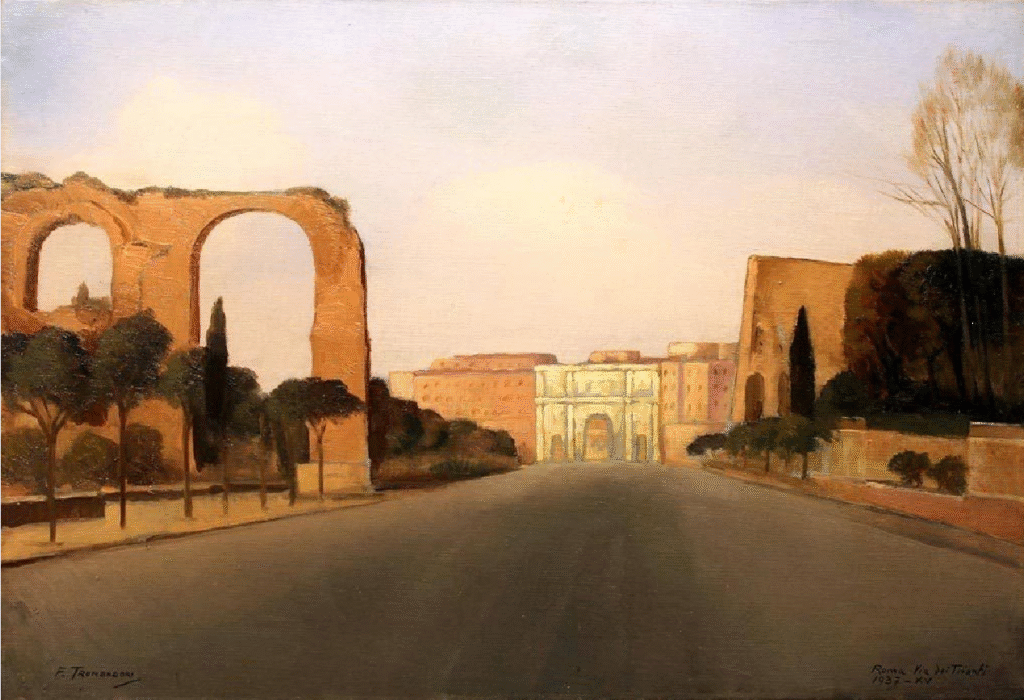
Francesco Trombadori’s 1937 painting depicts the Via dei Trionfi in Rome. The work exemplifies the Italian painter’s mature approach to urban subjects during the interwar period.
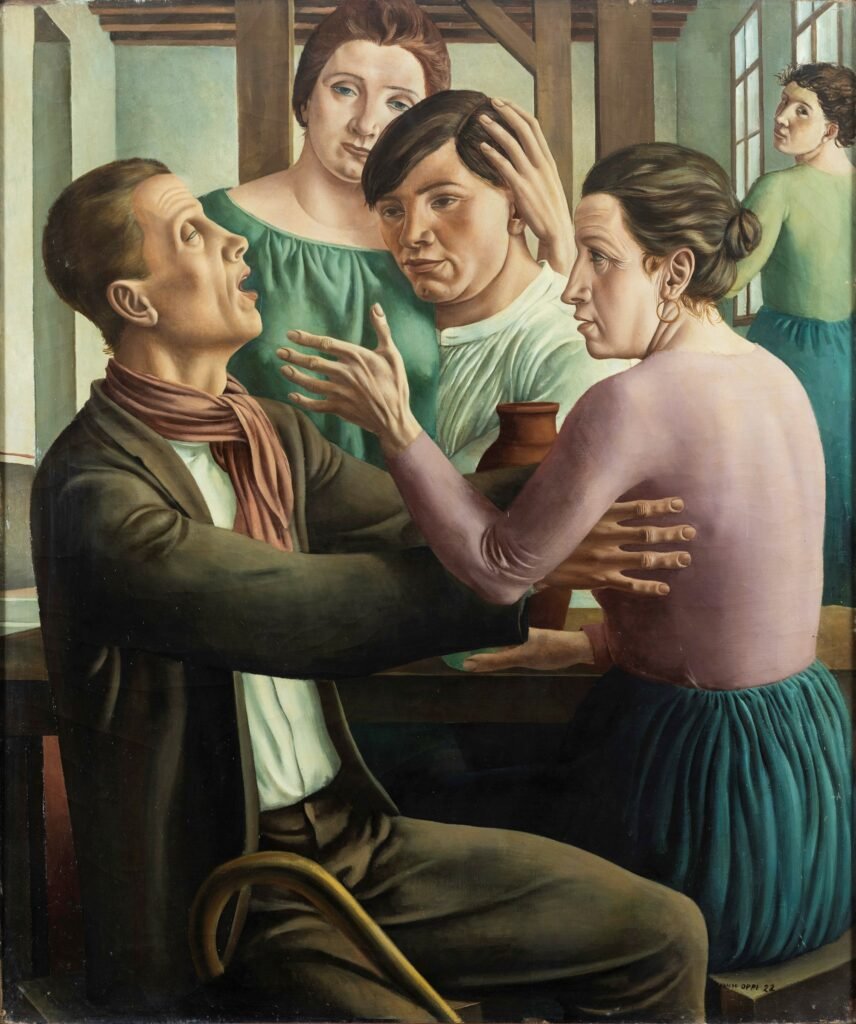
A painting by Ubaldo Oppi from 1922 in a neo-quattrocento realist style. Oppi was a founder of the Novecento Italiano movement in Milan.
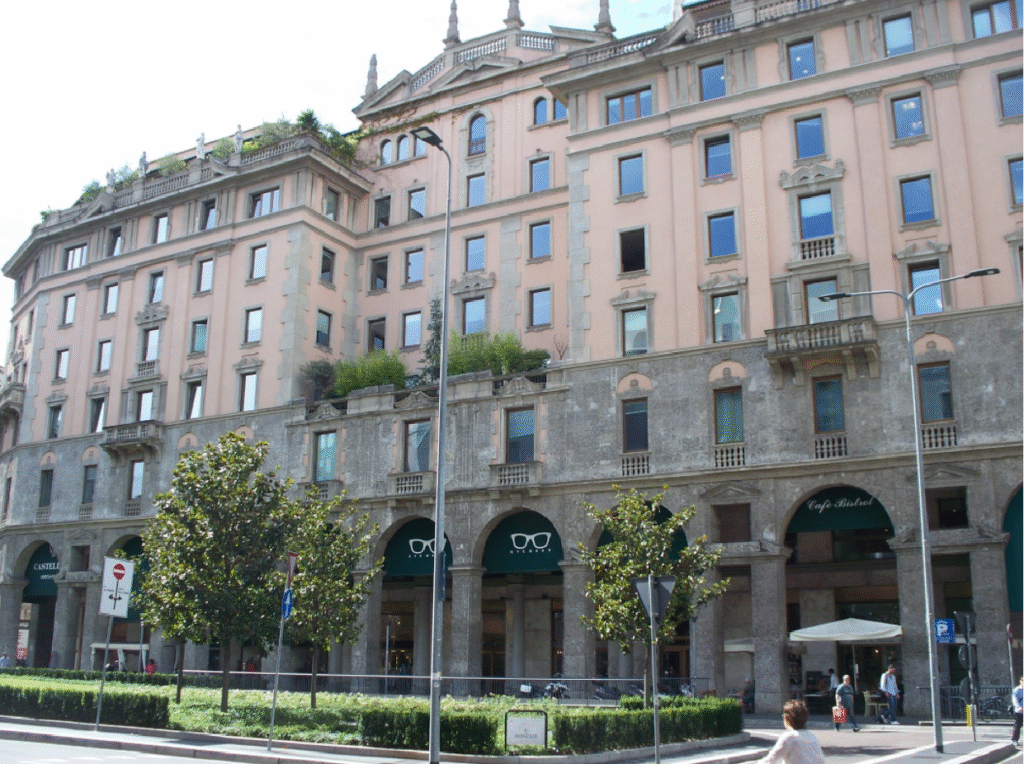
Palazzo Bolchini is an eight-storey residential building in Milan’s Piazza Meda, designed by architect Pier Giulio Magistretti and completed in 1930.

An advertising poster designed by Italian graphic artist Gino Boccasile around 1941. Boccasile was one of the most prominent poster artists of the Fascist era, known for his distinctive illustrative style.