

Advertising Poster by Gino Boccasile, circa 1940
An advertising poster created by Italian illustrator and graphic designer Gino Boccasile around 1940. Boccasile was among the most prominent poster artists of the Fascist era.

Stefano Vigolo photographs and documents Italian architecture of the interwar decades — the years known in Italy as the Ventennio — from Rationalism and Art Déco to the buildings that fall between the guidebooks. He is a researcher of the period.
Contributions: 516 articles · 106 heritage places · 7 events · 12 itineraries · 89 photographs
Published on beniculturalionline.it, the Italian archive of this publication, online since 1998. They are being brought into Cultural Heritage Online.
An advertising poster created by Italian illustrator and graphic designer Gino Boccasile around 1940. Boccasile was among the most prominent poster artists of the Fascist era.
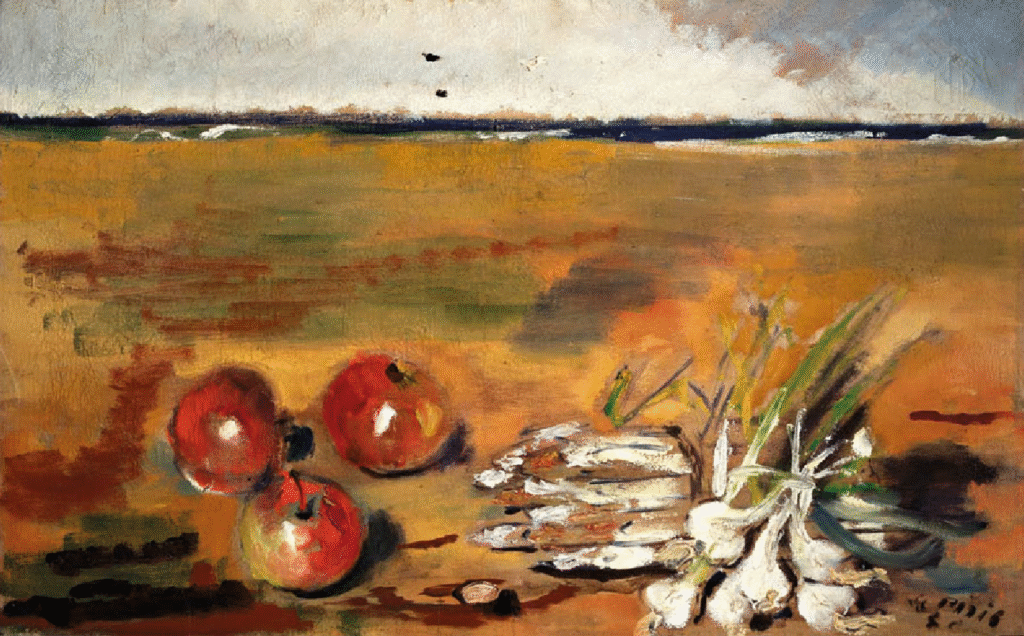
A still life painting by Italian artist Filippo de Pisis, created in 1930. The work exemplifies the artist’s characteristic approach to domestic objects and intimate composition.
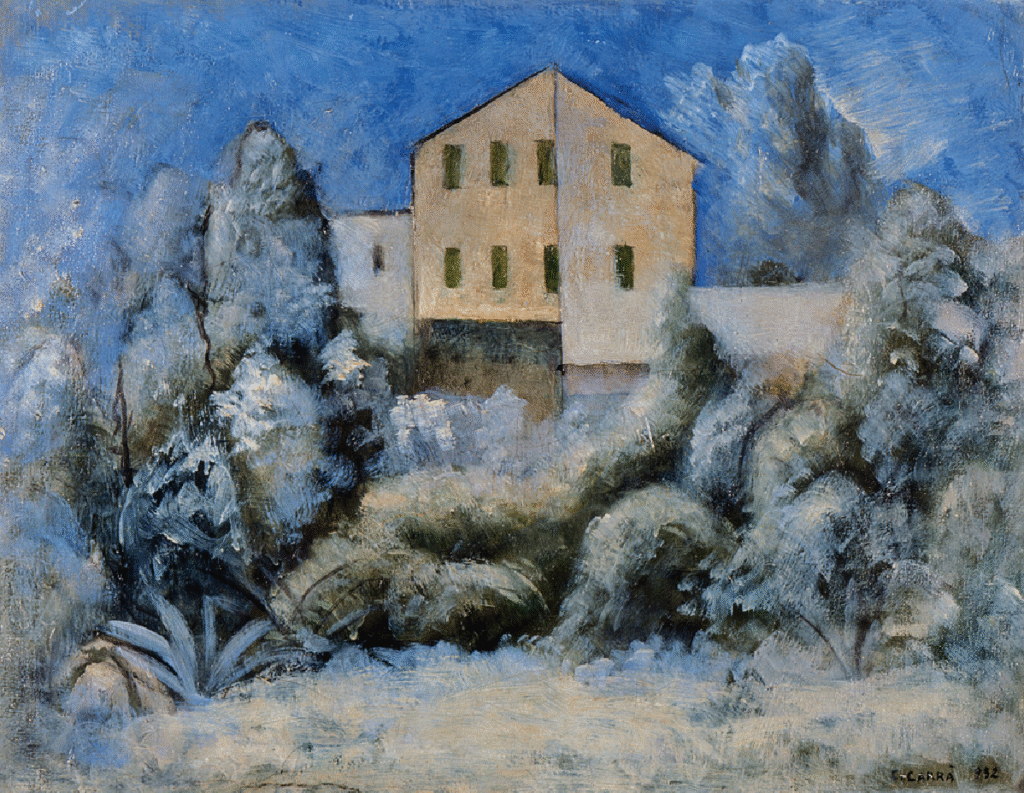
Nevicata is a 1932 painting by Carlo Carrà, the Italian Futurist master. Created in the artist’s later career, it reflects his evolved approach to form and light.
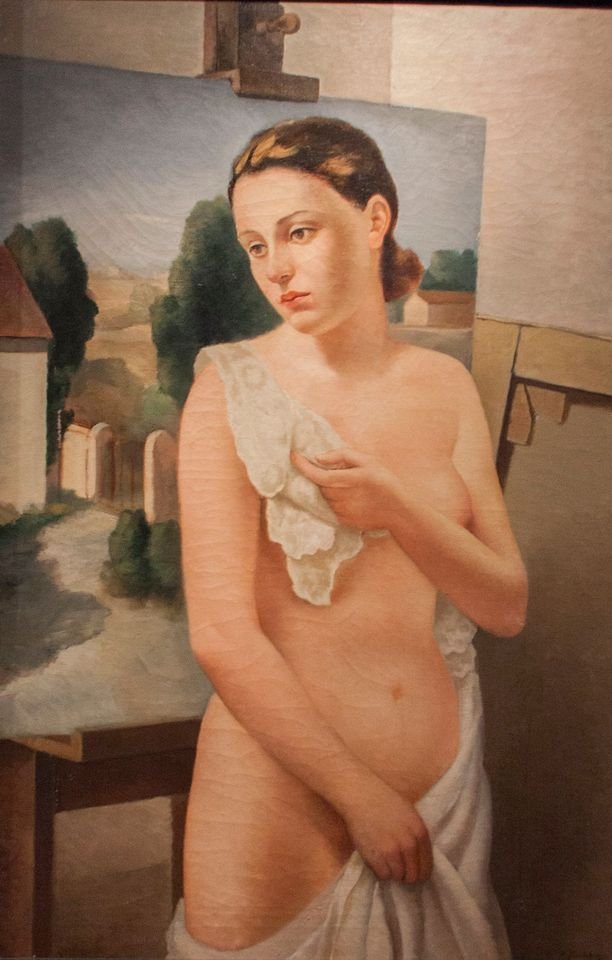
A painting of a nude young woman created in 1934 by Italian artist Francesco Trombadori. The work exemplifies the figurative practice that occupied Trombadori’s career in early twentieth-century Rome.
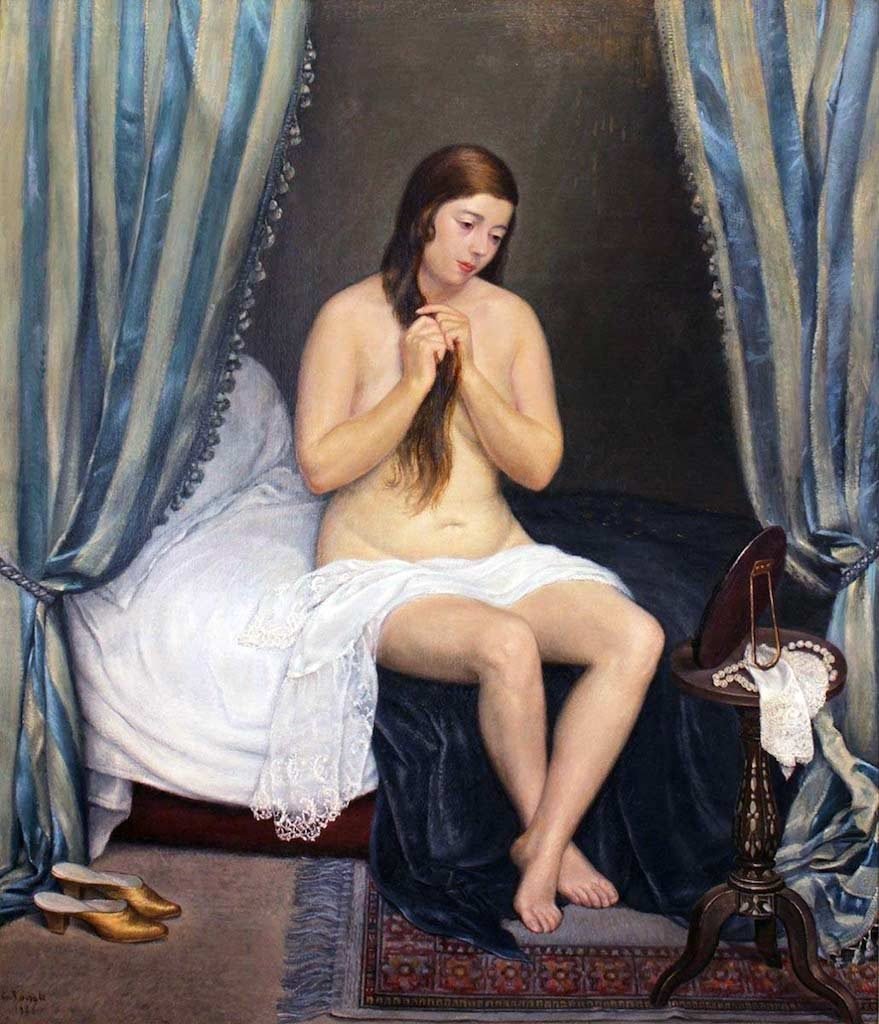
A 1929 painting by Italian artist Carlo Socrate depicting the classical mythological figure of Danae. Socrate was a painter and stage designer active in Rome during the early twentieth century.
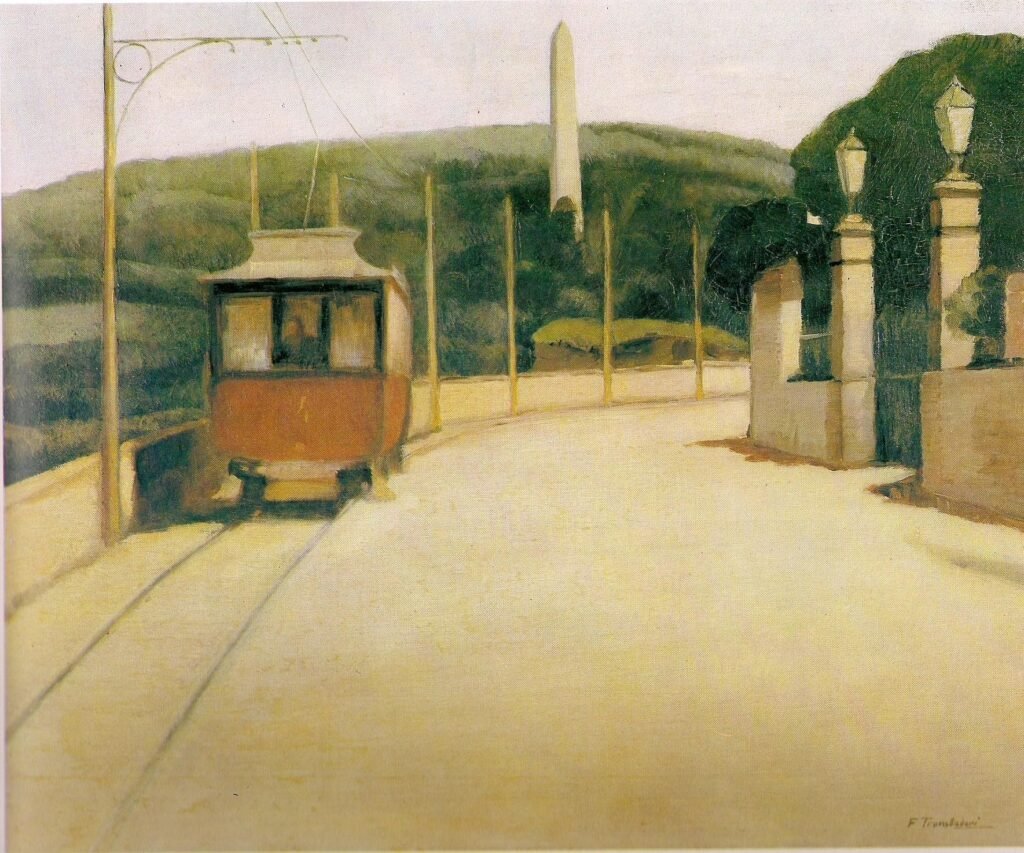
A 1925 painting by Italian artist Francesco Trombadori depicting a tram at Villa Glori. The work exemplifies the artist’s innovative approach to portraiture and urban subjects during the interwar period.
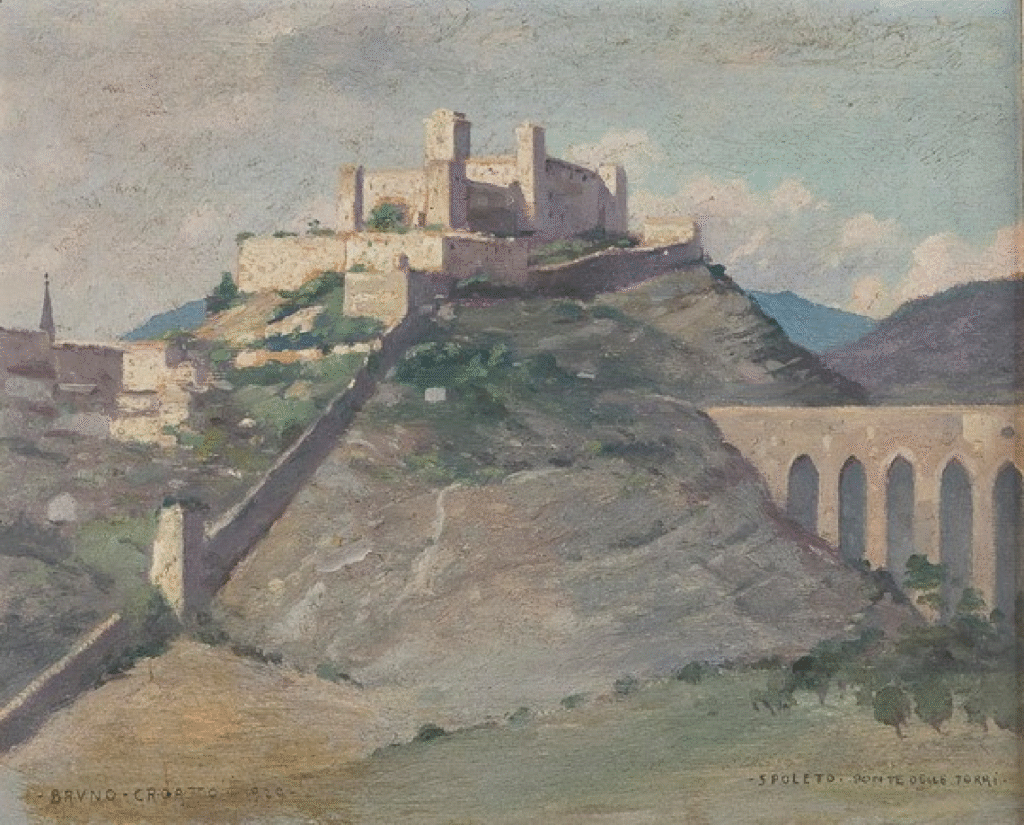
A 1929 drawing of Spoleto’s medieval aqueduct bridge by Italian painter and printmaker Bruno Croatto, who specialized in architectural views across Italy.
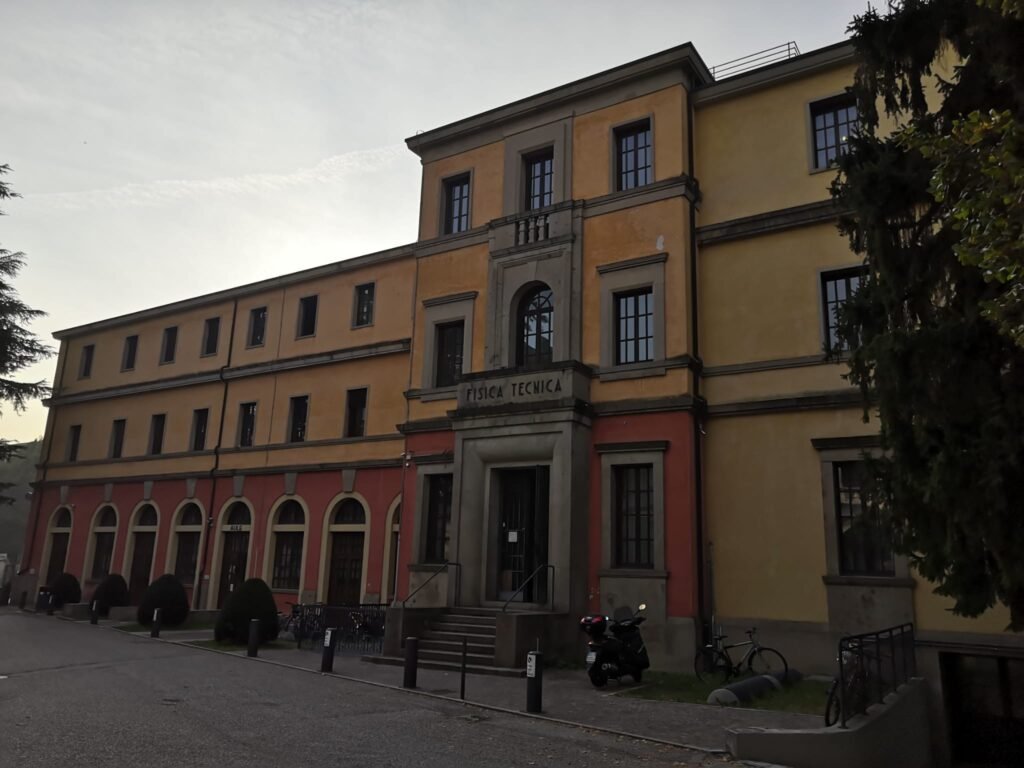
A Rationalist-era building constructed in 1936 for the Physics and Engineering faculty of the University of Padua, one of Europe’s oldest universities.
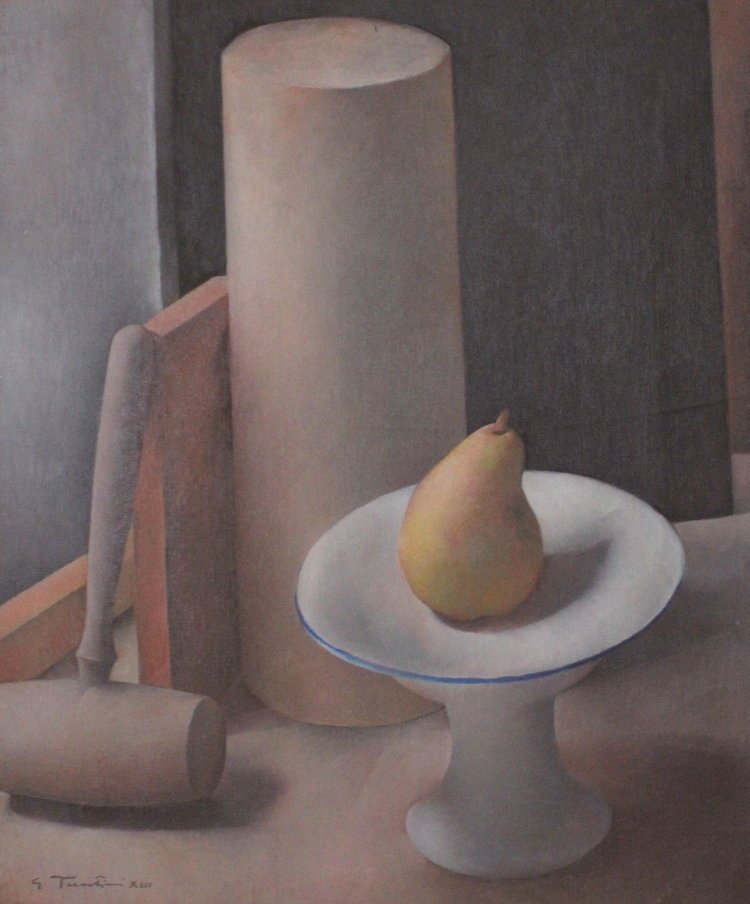
A still-life painting by Veronese artist Guido Trentini, created in 1935. The work reflects the artist’s mature style of simplified, rigorous composition developed during the interwar period.
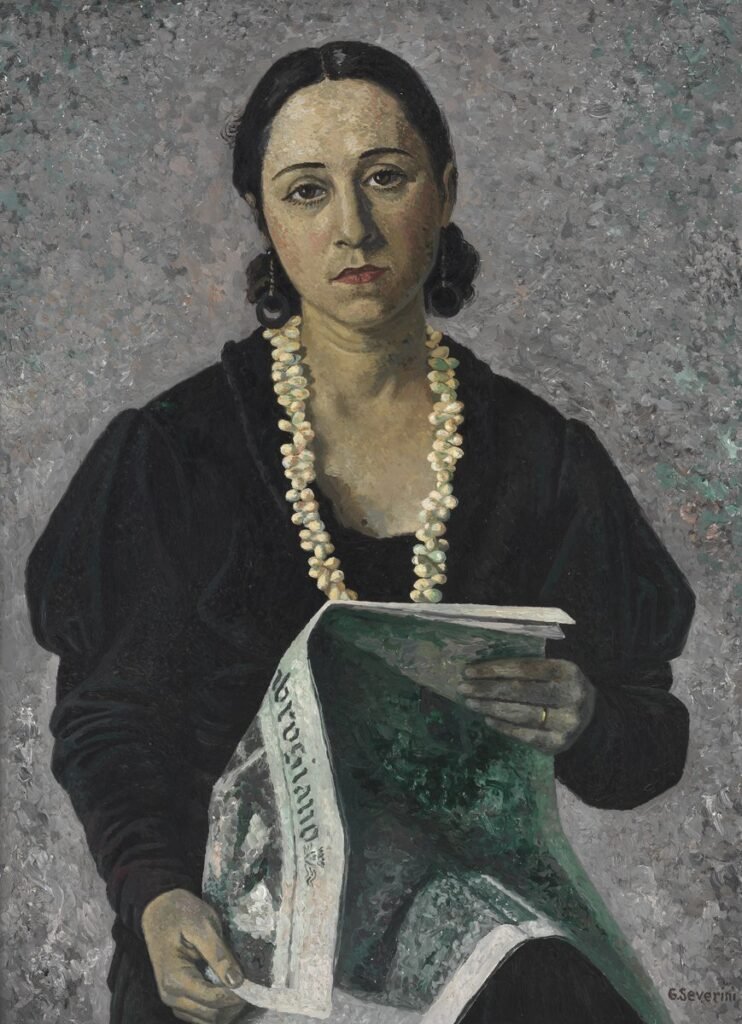
Gino Severini painted this portrait of Signora Severini in 1934. The work reflects the artist’s engagement with neo-classical principles during the interwar period.