
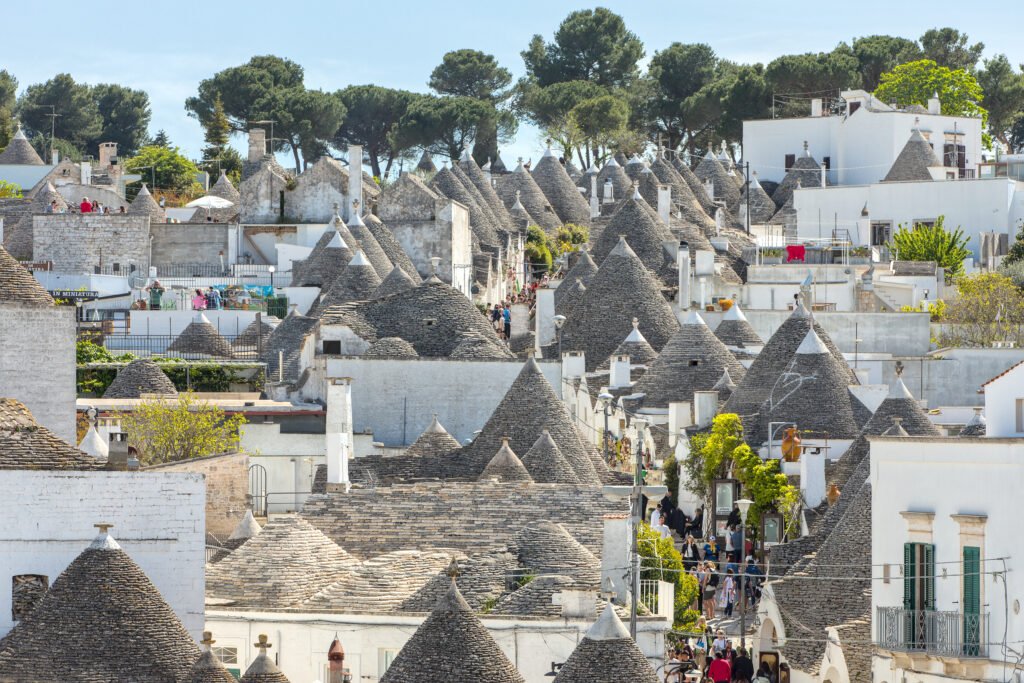
Trulli of Alberobello
More than 1,500 dry-stone limestone dwellings with corbelled conical roofs, packed into two hillside quarters of the Itria Valley — the most intact surviving…

More than 1,500 dry-stone limestone dwellings with corbelled conical roofs, packed into two hillside quarters of the Itria Valley — the most intact surviving…
A 3 km walk from Palazzo Chigi to the Imperial Forums, threading Renaissance, Baroque, Risorgimento and Imperial Rome into one afternoon. Seven stops, mostly flat, best in spring or autumn.
Itinerario pedonale 1.2 km dal Vittoriano alle vestigia rinascimentali di Palazzo Massimo, attraversando duemila anni di storia romana.
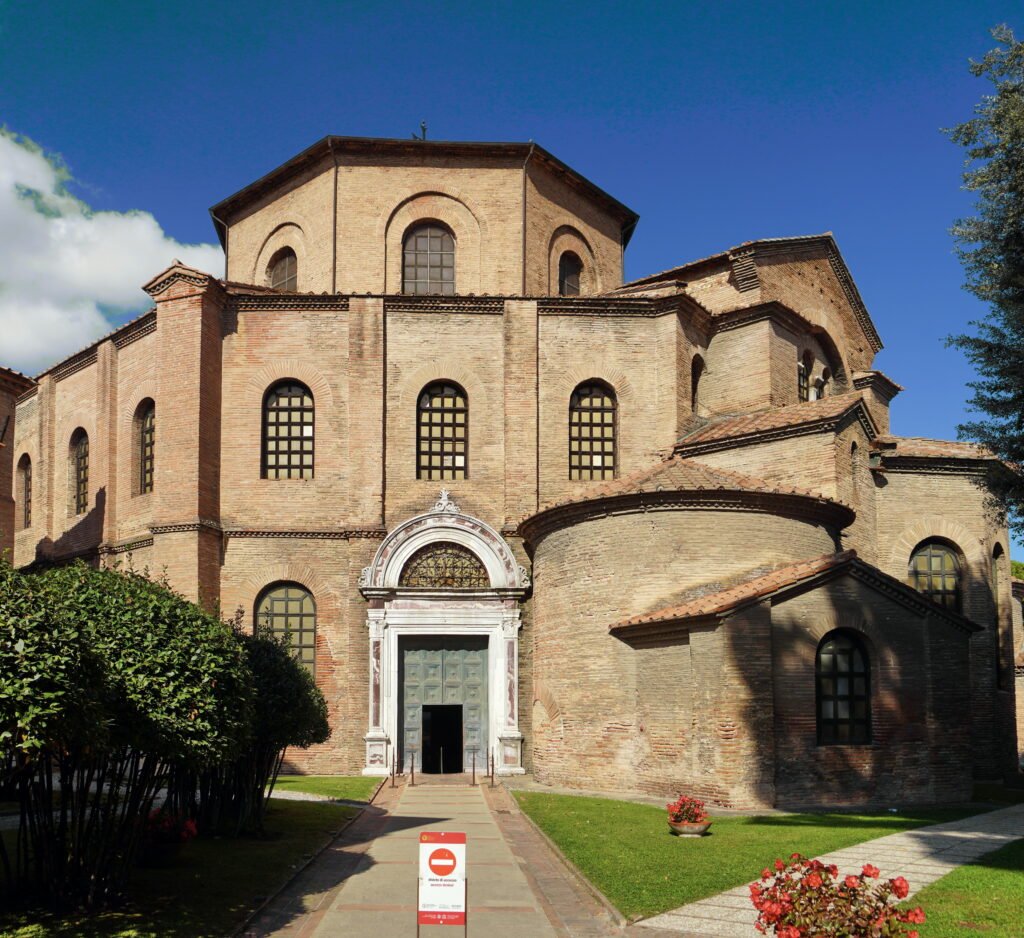
San Vitale is one of the most complete surviving examples of early Byzantine art in the West. The octagonal church was consecrated in 547, two years before…
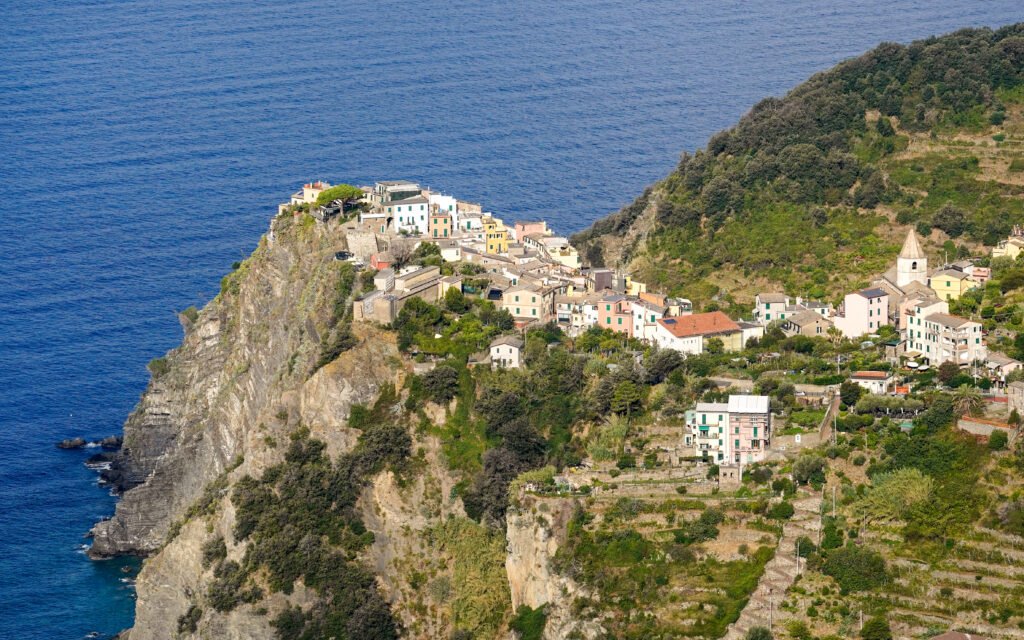
Corniglia is the middle village of the five — the only one not on the water. It sits on a one-hundred-metre promontory of vine-terraced rock between Vernazza…
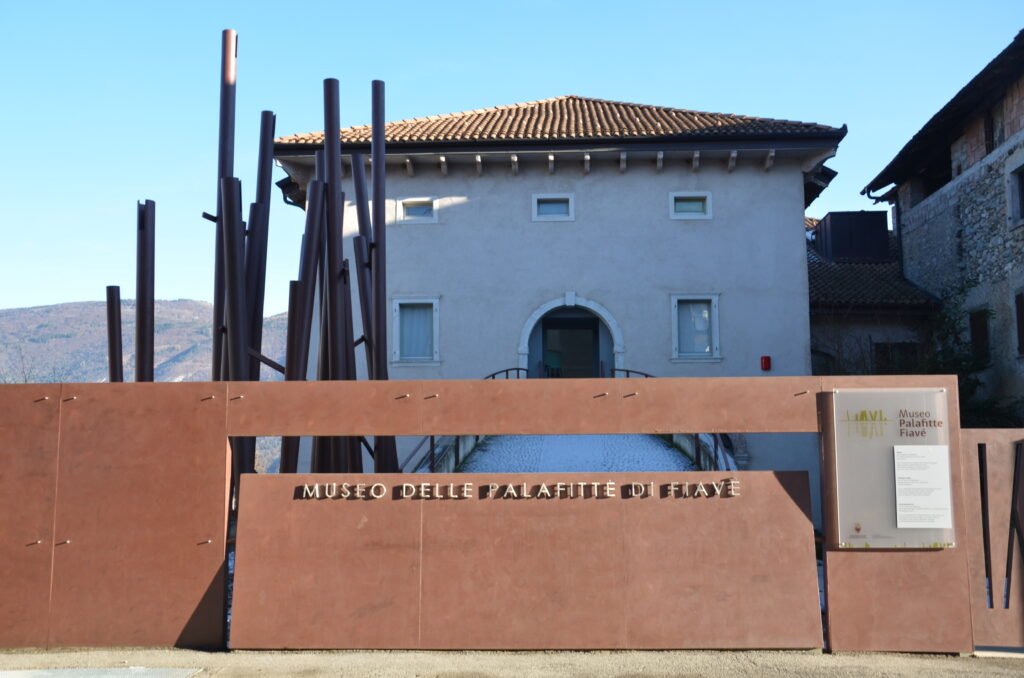
In a former alpine peat bog above Lake Carera, archaeologists pulled timber, ceramics, and woven baskets out of the mud for more than a century. The museum…
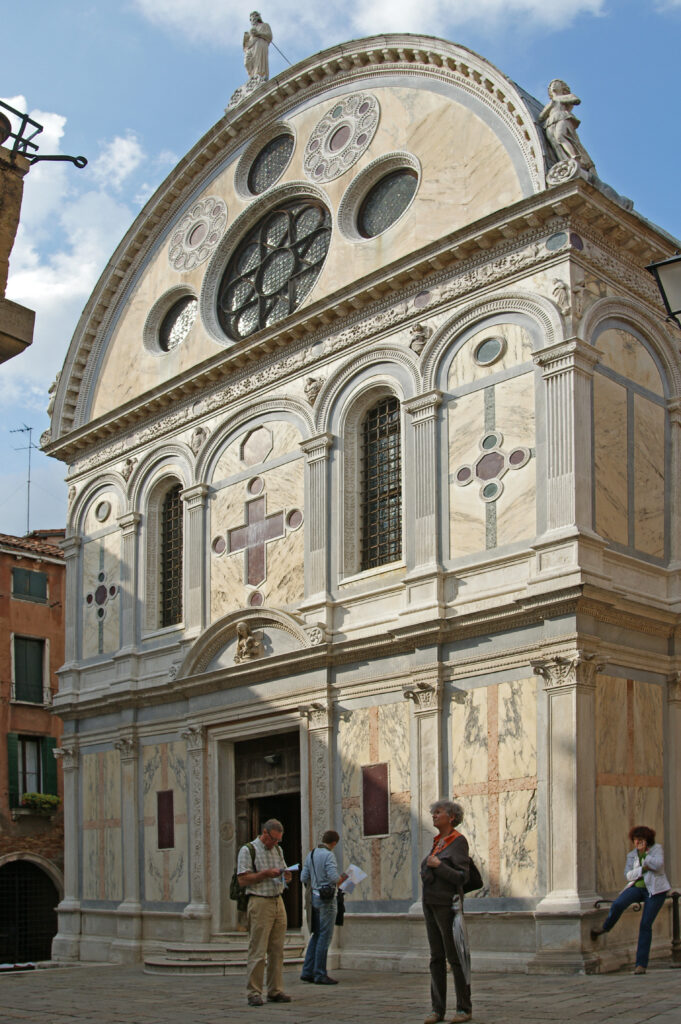
Pietro Lombardo’s 1481–1489 church in Venice, clad in polychrome marble, is one of Italy’s finest examples of early Venetian Renaissance architecture.
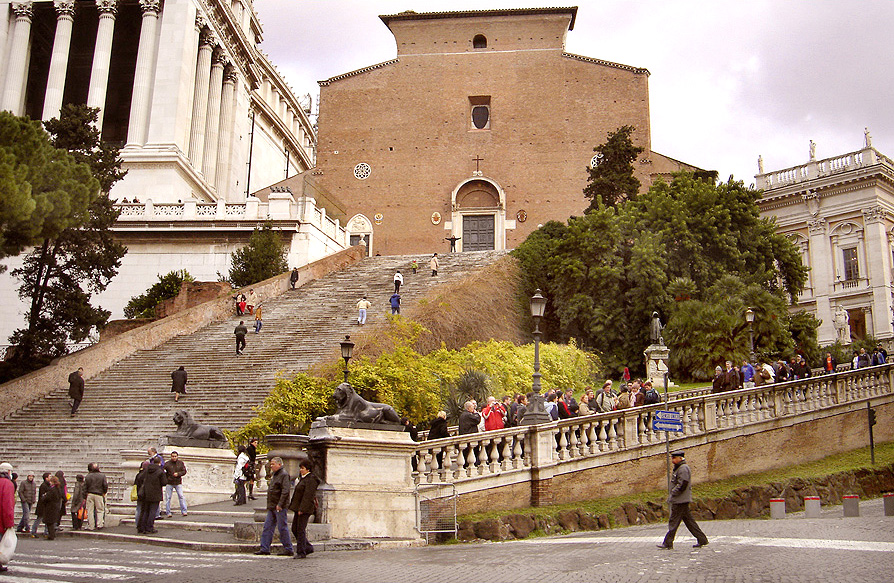
Santa Maria in Ara Coeli is a medieval basilica that crowns the northern summit of the Capitoline Hill, reached by a steep flight of 124 marble steps commissioned by the…
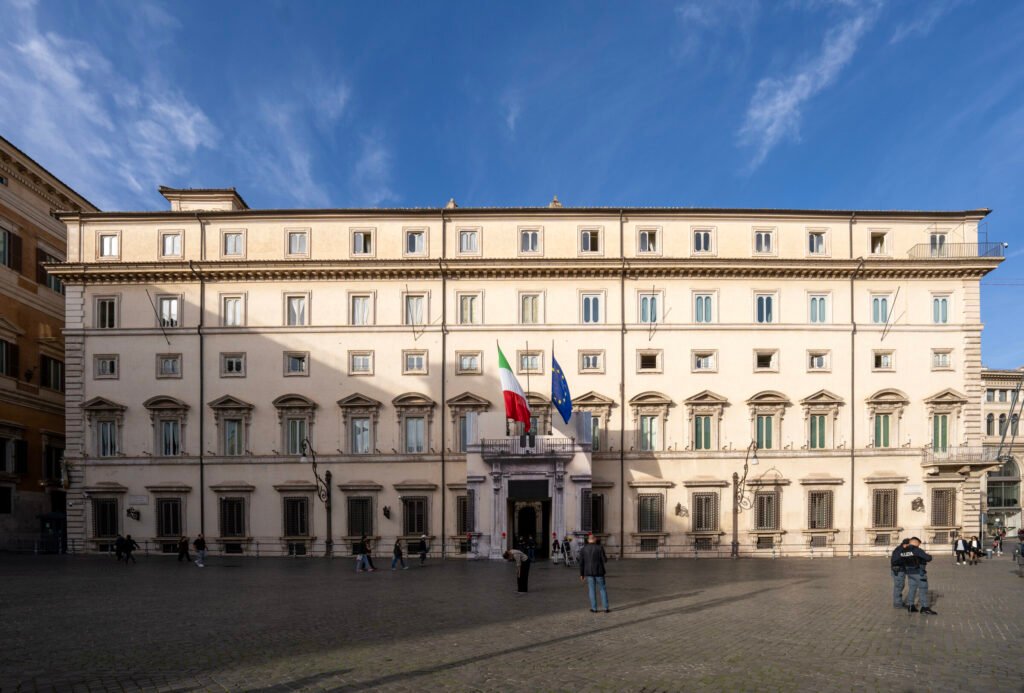
Begun in 1562 for the Aldobrandini family on the north side of Piazza Colonna, Palazzo Chigi was carried forward by Giacomo Della Porta, Carlo Maderno and, in its later phases,…
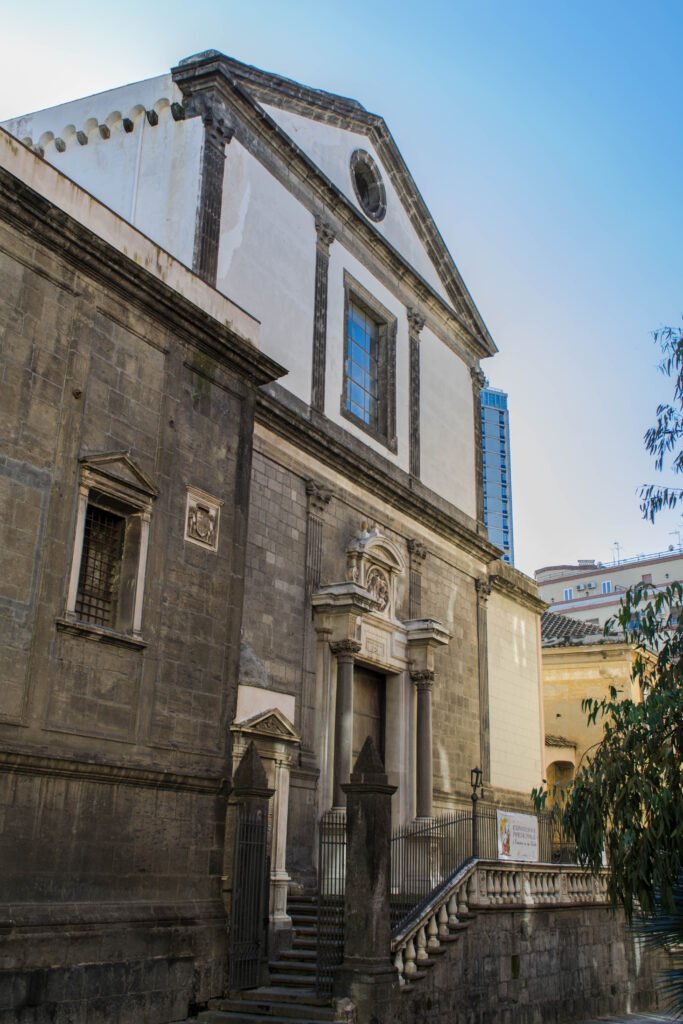
Santa Maria la Nova is a Franciscan monastic complex in the historic centre of Naples, founded in 1279 after Charles I of Anjou demolished the order’s earlier seat to build…