
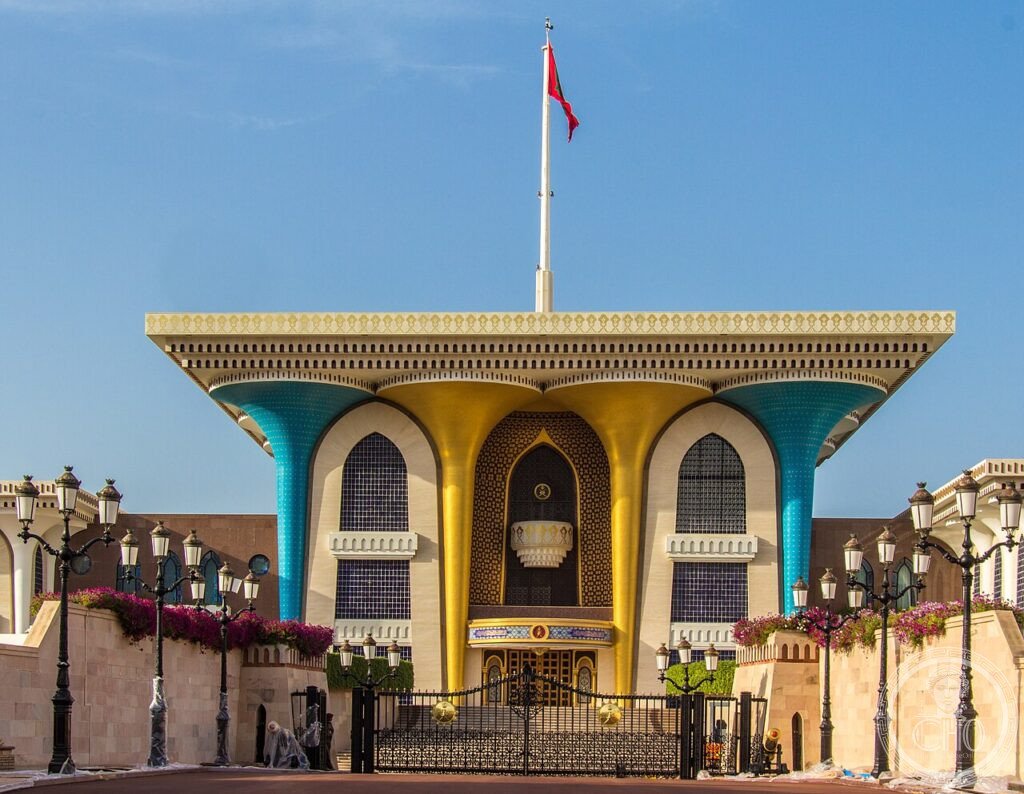
Al Alam Palace, Muscat
The flag palace of the Sultan – gold and turquoise columns between two Portuguese forts, the ceremonial face of Oman’s renaissance.

Luigi De Marchi, architect, is the editor and publisher of Cultural Heritage Online. He founded the archive in 1998 as beniculturalionline.it and has published it without interruption since.
Contributions: 4 articles · 1,209 heritage places · 8 itineraries · 2 road-books
Published on beniculturalionline.it, the Italian archive of this publication, online since 1998. They are being brought into Cultural Heritage Online.
The flag palace of the Sultan – gold and turquoise columns between two Portuguese forts, the ceremonial face of Oman’s renaissance.
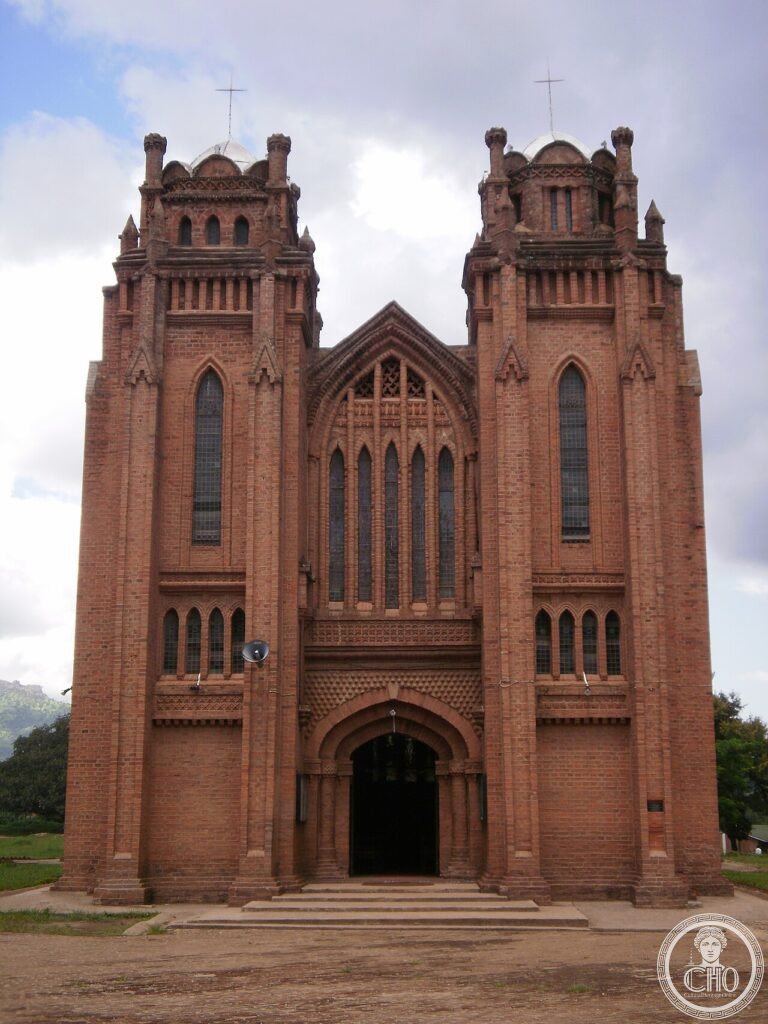
A domed brick church of astonishing sophistication built by a missionary with no architectural training and workers who had never seen a two-storey building.

The tallest mudbrick minaret in the world – 27 metres of earth and timber rising over the caravan city at the gate of the Sahara.
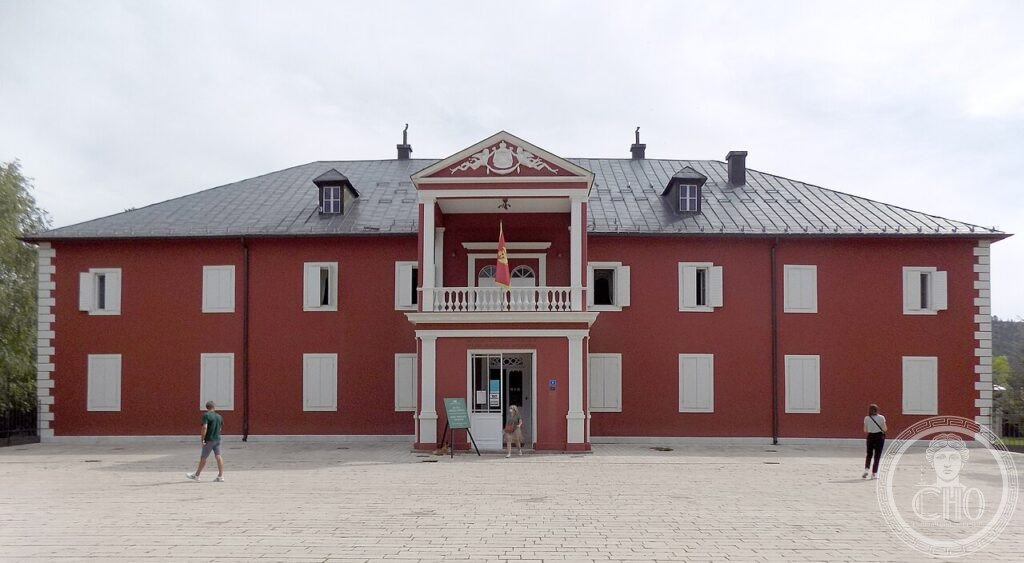
The modest royal palace of the mountain kingdom whose daughters married into the courts of Europe – the house of the father-in-law of Europe.
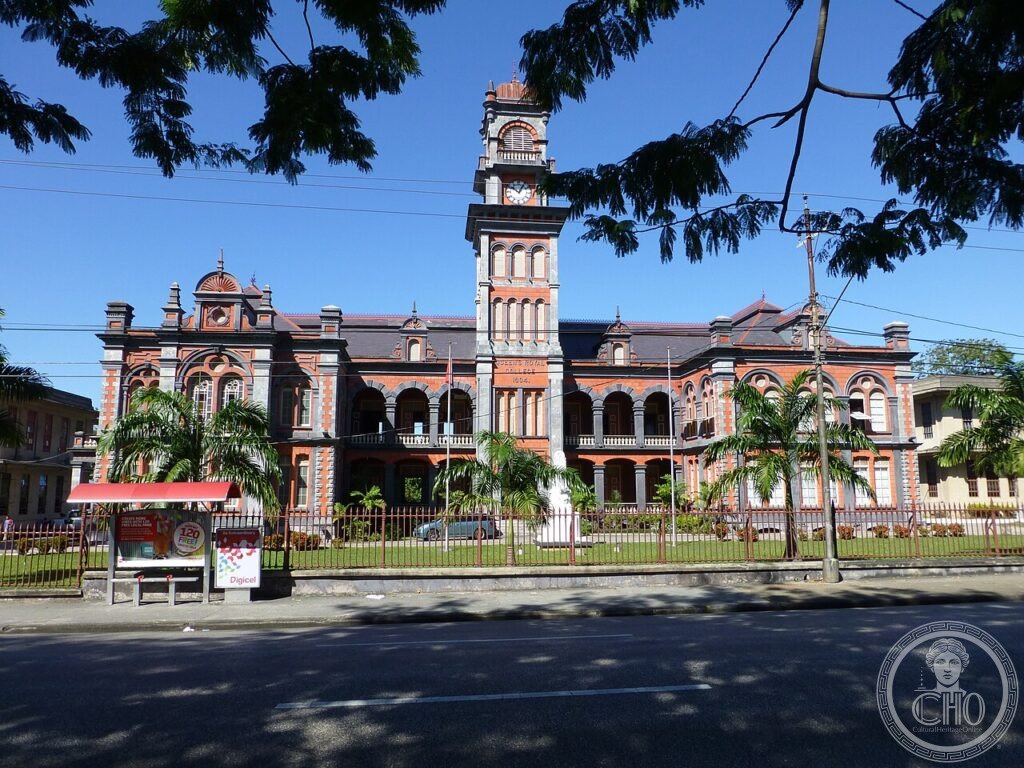
The grandest of the Magnificent Seven – a German Renaissance school in blue limestone and cream where two Nobel laureates and the historian of cricket…

The palace of Sultan Njoya, inventor of a script and a religion – Bamum genius housed in a building that quotes German colonial architecture to outface it.
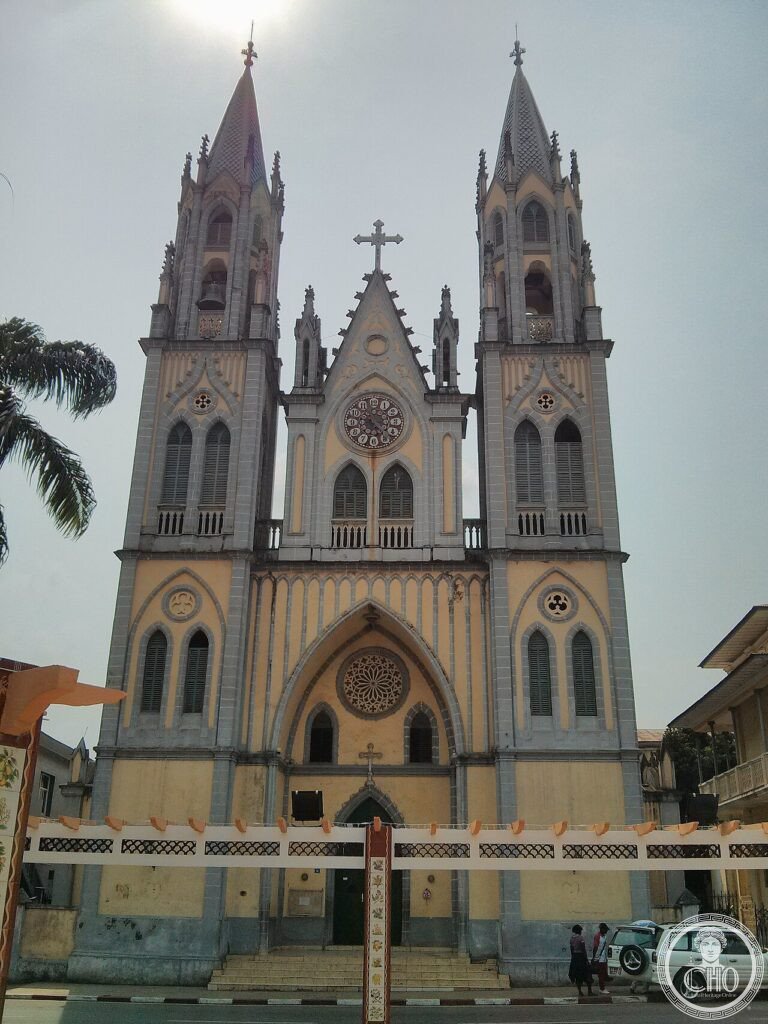
Twin neo-Gothic spires above a volcanic island harbour – the cathedral of Spain’s only sub-Saharan colony, the architectural landmark of Equatorial Guinea.
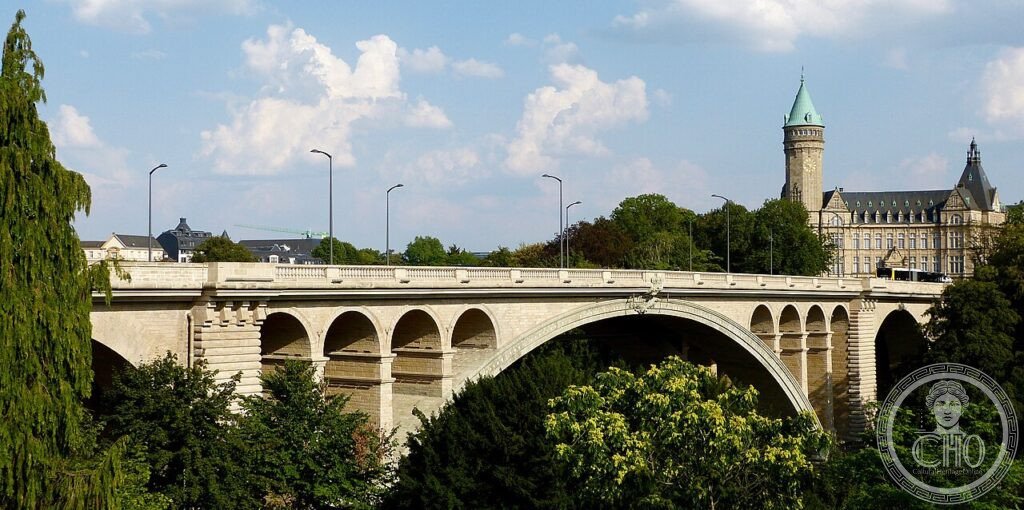
The largest stone arch in the world when built – the national bridge of Luxembourg, leaping the Petrusse valley in a single 84-metre span.
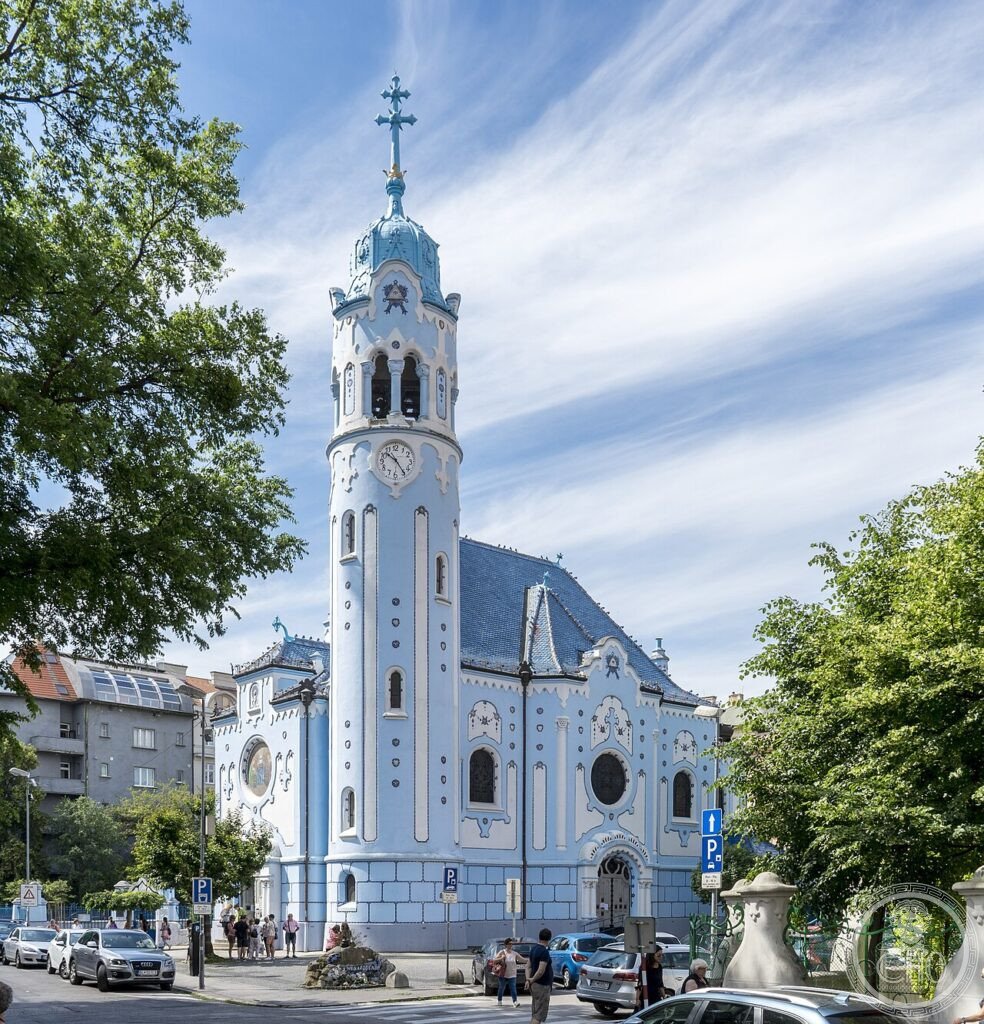
A church of cake-icing blue, from mosaic roof to pastel walls – Odon Lechner’s Hungarian Secession fantasy and the most photographed building in Slovakia.
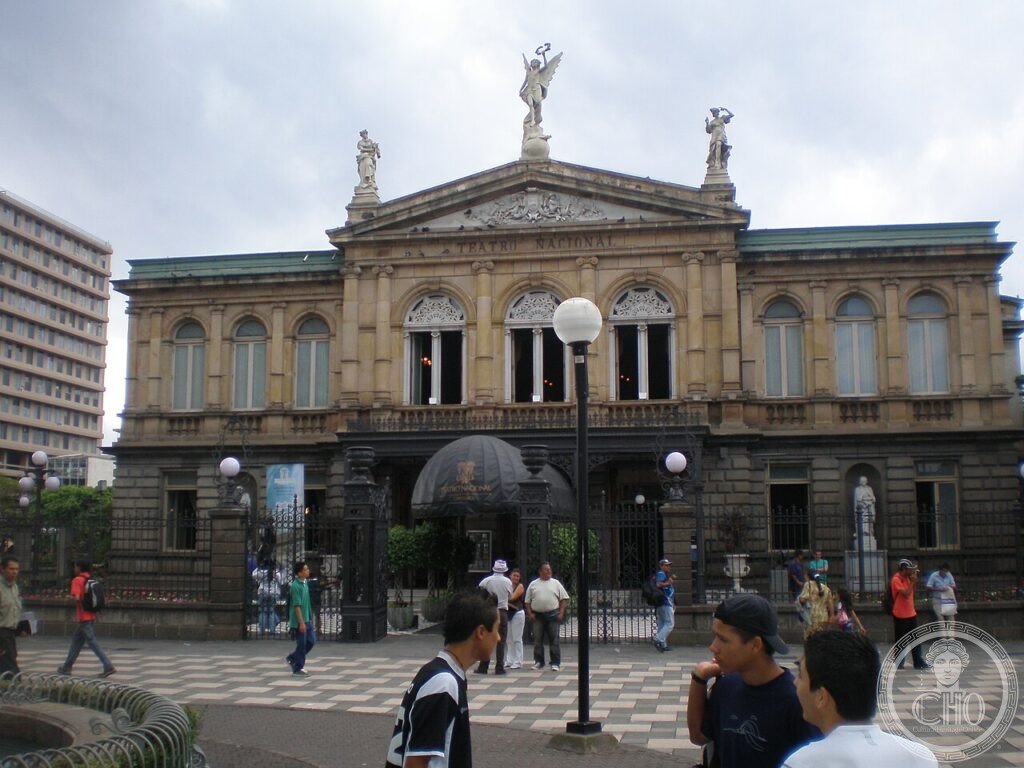
The opera house the coffee farmers taxed themselves to build – a Paris jewel in Central America, opened with Faust in 1897.