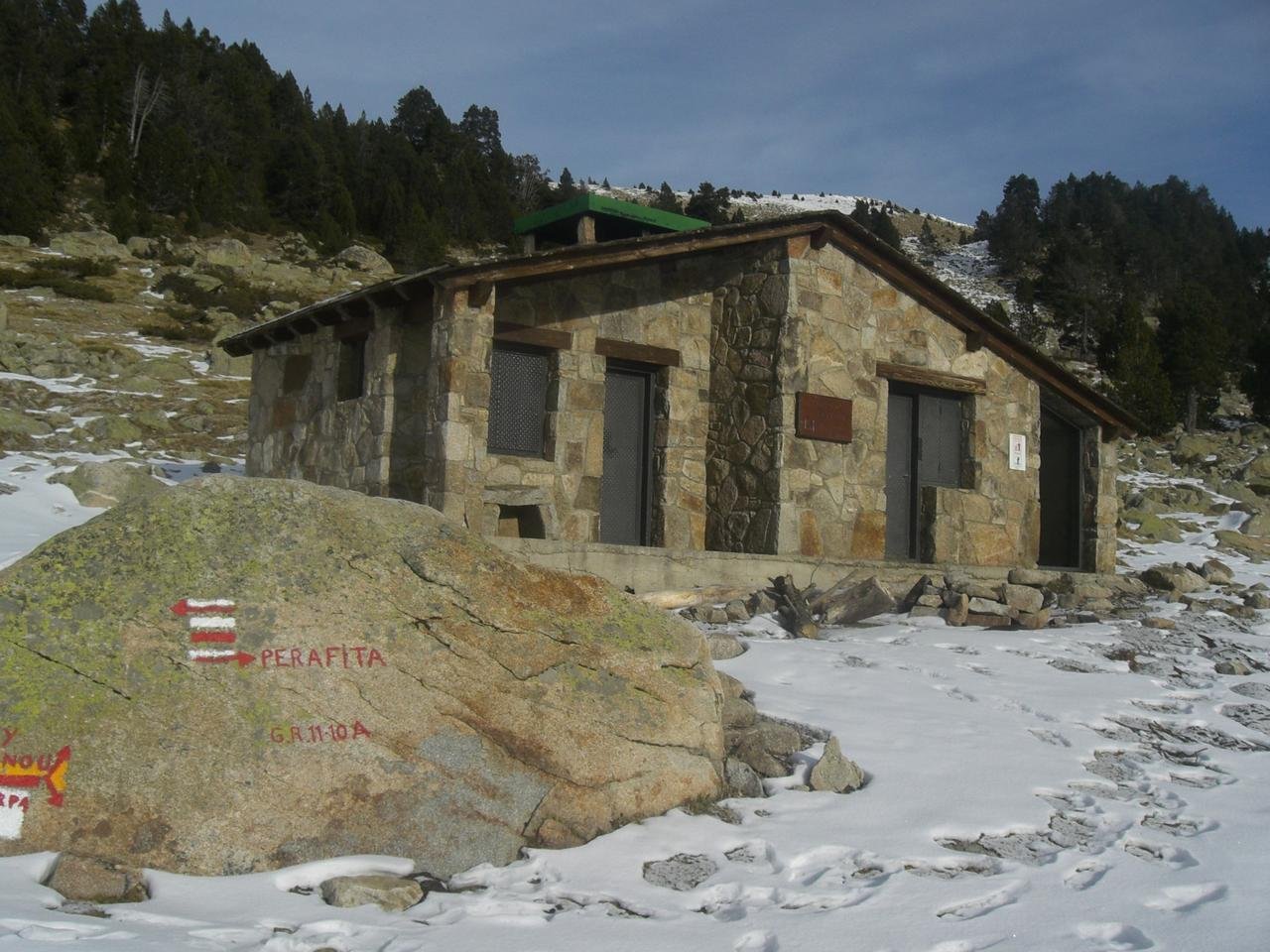
Andorra has 1 UNESCO World Heritage Site, a cultural landscape inscribed in 2004 that accounts for roughly 9 percent of the country’s entire territory. For a microstate of fewer than five hundred square kilometres tucked between France and Spain, that single inscription carries considerable weight — it encompasses glacially carved valleys, seven centuries of pastoral land use, granite summer settlements, terraced fields, and the traces of a once-active ironworking tradition. From Cultural Heritage Online.
Why Andorra’s list looks the way it does
Andorra is one of the smallest countries in Europe, and its UNESCO World Heritage list reflects both its geography and its political character. The principality has no coast, no major ancient city, and only a handful of parishes — yet its high Pyrenean landscape preserves evidence of continuous human occupation stretching back more than seven hundred years in forms that larger, more developed nations have largely lost. The UNESCO list for Andorra currently holds one entry, and that entry is cultural rather than natural, which surprises many visitors who assume the mountains themselves earned the designation.
The distinction matters. UNESCO’s cultural category requires demonstrating not just scenic value but evidence of outstanding human interaction with a landscape over time. The Madriu-Perafita-Claror Valley satisfied that standard through its combination of standing vernacular architecture, agricultural terracing, transhumance routes, and iron-smelting remains — a layered record of how Andorran communities managed common land under co-sovereignty long before the modern state took shape.
The first inscription
Andorra’s sole UNESCO inscription arrived in 2004, when the World Heritage Committee recognised the Madriu-Perafita-Claror Valley at its twenty-eighth session. A modest boundary extension followed in 2006, bringing the protected area to 4,247 hectares. The site was inscribed under cultural criteria, specifically for illustrating the ways in which Pyrenean communities shaped and sustained a high-altitude environment across many generations.
- Madriu-Perafita-Claror Valley (inscribed 2004, extended 2006) — a glacial valley system in southeast Andorra, covering approximately 9 percent of the national territory, with twelve granite summer houses, field terraces, historic tracks, and ironworking remains accessible only on foot.
The most visited — and the alternatives
The Madriu-Perafita-Claror Valley draws hikers and cultural travellers who enter via trails from Escaldes-Engordany, the principality’s most populous parish. The valley floor and its tributary arms remain car-free, which keeps visitor numbers self-regulating and preserves the atmosphere of a working pastoral landscape rather than a managed open-air museum. Summer sees the greatest footfall, when the route to the high-altitude settlements is reliably clear of snow.
Beyond the UNESCO site, Andorra holds a remarkable density of Romanesque heritage that receives far less international attention. The Església de Sant Miquel d’Engolasters contains twelfth-century apse frescoes attributed to the Mestre de Santa Coloma, a painter whose work appears at several sites across the principality. Sant Joan de Caselles, an eleventh-century church in Canillo, retains original stonework and decorative elements largely unaltered by later restoration campaigns. The Roc de les Bruixes, a Bronze Age sanctuary in the same parish, features engraved stone surfaces associated with funerary ritual — a site that specialists consider the most significant archaeological complex in the country yet one that rarely appears in general travel coverage.
Natural and shared sites
Andorra currently has no UNESCO-designated natural or mixed sites on its own. The Madriu-Perafita-Claror Valley, despite its glacially sculpted terrain and ecological significance, was assessed and inscribed as a cultural landscape rather than a natural one — a reminder that UNESCO categories follow criteria rather than common perception. The valley does hold separate recognition as a Ramsar Wetland site, reflecting its hydrological importance independent of the World Heritage designation.
Andorra is not party to any transnational or serial UNESCO inscription at present. Its Pyrenean neighbours France and Spain each hold extensive World Heritage lists, and several cross-border landscapes in the wider region have been proposed or studied for shared nomination, but no such designation currently involves Andorran territory. Given the ecological continuity of the high Pyrenees, a future transnational nomination connecting Andorran, French, and Spanish sites remains a plausible long-term prospect.
How to find them
The Madriu-Perafita-Claror Valley is reached on foot from the Escaldes-Engordany parish of Andorra la Vella. Several marked trails enter the valley, with the main routes taking between two and four hours one-way depending on the destination within the protected area. There is no vehicle access inside the designated boundary, and facilities within the valley are minimal by design. Detailed GPS tracks and seasonal condition information are available through the Andorran tourism authority and through heritage mapping platforms that cover the site at high resolution.
Andorra’s World Heritage sites sit alongside thousands of other places on CHO’s interactive map, with GPS and sourced editorial history for each. See also our guides to Italy’s and France’s UNESCO sites, and our piece on cultural travel beyond mass tourism.
Frequently Asked Questions
How many UNESCO World Heritage Sites does Andorra have?
Andorra has one UNESCO World Heritage Site: the Madriu-Perafita-Claror Valley, inscribed in 2004 and extended in 2006. It covers approximately 4,247 hectares, representing about 9 percent of the country’s total land area.
What was Andorra’s first UNESCO World Heritage Site?
The Madriu-Perafita-Claror Valley was Andorra’s first — and remains its only — UNESCO World Heritage Site. It was inscribed at the twenty-eighth session of the World Heritage Committee in 2004, recognised as a cultural landscape illustrating over seven centuries of Pyrenean pastoral and ironworking traditions.
Is the Madriu-Perafita-Claror Valley a natural or cultural World Heritage Site?
Despite its dramatic glacial scenery, the valley was inscribed as a cultural World Heritage Site. UNESCO recognised it for the evidence of long-term human land use — summer settlements, terraced fields, transhumance routes, and ironworking remains — rather than for its natural features alone, though it also carries Ramsar Wetland status.
Does Andorra have any other significant heritage sites beyond its UNESCO listing?
Andorra holds a notable concentration of Romanesque churches dating from the eleventh and twelfth centuries, several of which contain original frescoes of high art-historical value. The Roc de les Bruixes in Canillo, a Bronze Age sanctuary with engraved stone surfaces, is considered the most important archaeological complex in the principality, though it does not currently carry UNESCO designation.
Sources used in this article
- UNESCO — State Party Andorra — World Heritage list.
- UNESCO — Andorra: World Heritage Sites.
- CHO magazine — What is a World Heritage Site?
- CHO — Interactive map of heritage sites.
Sources
- S1 — Guillamet Anton, Jordi. Nova aproximació a la història d'Andorra. Altair, 2009. ISBN 978-84-936220-4-6.
- S2 — Reynolds, Kev. Walks and Climbs in the Pyrenees. Cicerone Press, 2008. ISBN 978-1-85284-470-7.
Spotted an error? Write to editorial@culturalheritageonline.com and we correct it the same day.