Kenya has eight UNESCO World Heritage Sites, a list that ranges from ancient Swahili trading towns on the Indian Ocean shore to vast highland forests and remote lakes along the East African Rift. These designations stretch across geological deep time and human history alike, binding together ecosystems of global significance with layers of settlement, ritual, and trade that have shaped the region for centuries. From Cultural Heritage Online.
Why Kenya’s list looks the way it does
Kenya’s World Heritage inventory reflects the country’s unusual position at the intersection of two of Africa’s most significant natural corridors — the Rift Valley system and the East African coastal strip — and one of the continent’s densest concentrations of early human evidence. The result is a list that is heavier on natural and mixed designations than many comparable nations, with cultural sites concentrated along the Swahili Coast and in the interior grasslands where pre-colonial communities built in stone.
Of the eight sites, five carry cultural designation and three are natural. That balance shifted notably in 2024, when two new inscriptions were added in a single cycle: the archaeological remains of a medieval Swahili city in Kilifi County and a transnational rock-art site shared with Tanzania and Uganda. Kenya’s nominations have generally moved slowly compared to East African neighbours, but the pace has quickened since 2008 as the national heritage authority has built stronger dossier capacity.
The first inscriptions
Kenya entered the World Heritage List in 1997, with two simultaneous inscriptions that together set the tone for the country’s nominations: one anchored in geological and ecological rarity, the other in biodiversity and montane complexity.
- Lake Turkana National Parks (1997) — a cluster of parks around the world’s largest permanent desert lake, significant for palaeontological evidence of human evolution.
- Mount Kenya National Park/Natural Forest (1997) — the second-highest peak on the continent, with afro-alpine moorlands and the headwaters of rivers critical to the region’s water supply.
The most visited — and the alternatives
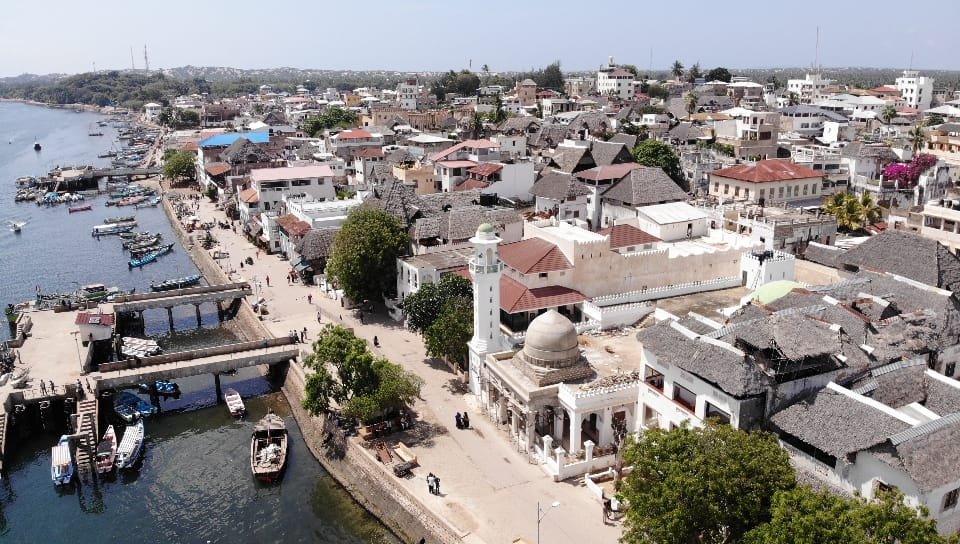
Lamu Old Town, inscribed in 2001, is the site most international visitors encounter first. Built from coral stone and mangrove timber on an island off the northern coast, it is the oldest continuously inhabited town in East Africa and retains its labyrinthine street plan largely intact. Fort Jesus in Mombasa, a sixteenth-century Portuguese fortification inscribed in 2011, draws steady visitor numbers as a tangible record of the contested control of Indian Ocean trade routes.
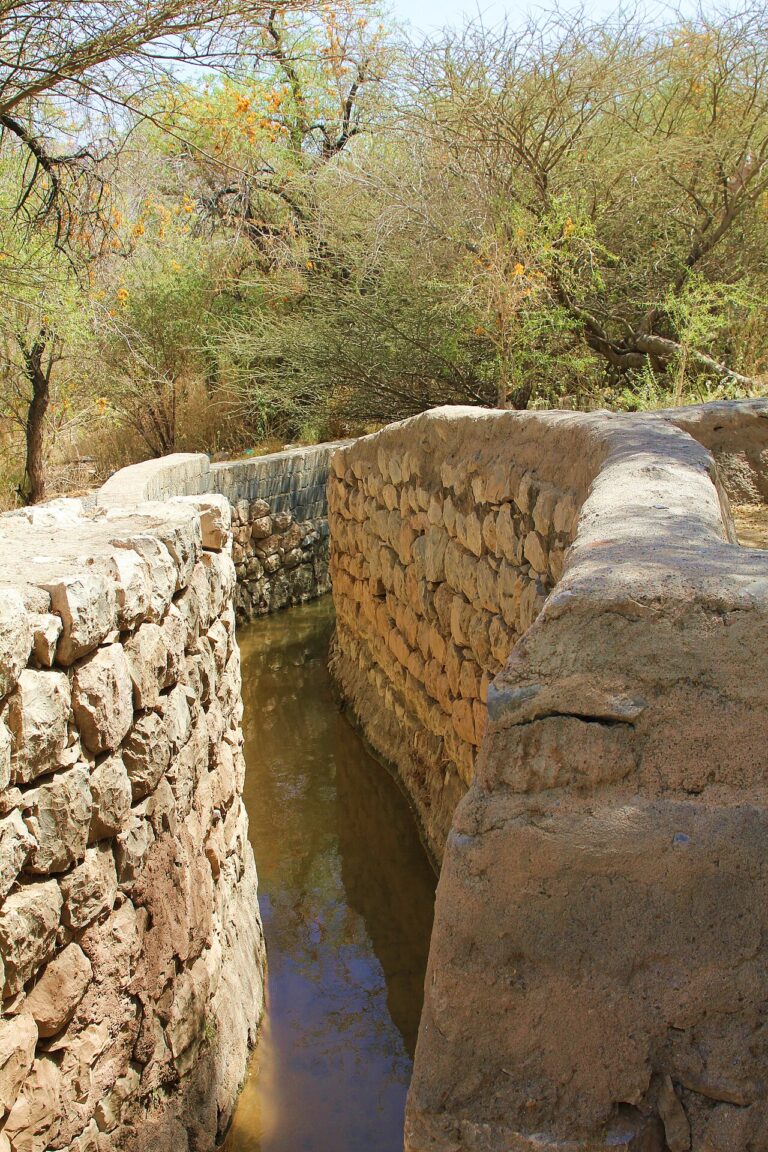
Less frequented but equally compelling are three sites that reward closer attention. The Sacred Mijikenda Kaya Forests (2008) comprise eleven separate sacred groves along the coast, each holding the remains of a fortified village established by the Mijikenda peoples from the sixteenth century onward — landscapes where ecology and living cultural memory are still inseparable. Thimlich Ohinga (2018), in the Lake Victoria basin, is the largest and best-preserved example of the dry-stone enclosure tradition in sub-Saharan Africa, a form of defensive architecture dating to the sixteenth century whose builders remain a subject of active scholarship. And the Historic Town and Archaeological Site of Gedi, inscribed in 2024, presents the ruins of a major Swahili city that flourished between the tenth and seventeenth centuries, largely invisible from the main road and still partly unexcavated.
Natural and shared sites
Kenya’s three natural designations span an extraordinary range of environments. Lake Turkana National Parks covers the jade-coloured alkaline lake in the northern arid zone, a site of critical importance to the study of human origins given the concentration of hominin fossils in the surrounding sedimentary basins. Mount Kenya National Park protects the equatorial glaciers, bamboo forests, and high moorlands of the country’s highest mountain. The Kenya Lake System in the Great Rift Valley, inscribed in 2011, encompasses Lakes Bogoria, Nakuru, and Elementaita — shallow soda lakes that host one of the world’s largest gatherings of lesser flamingos and support a chain of inter-connected ecosystems.
The 2024 inscription of Geometric Rock Art Sites in the Lake Victoria Region brought Kenya into a transnational designation shared with Tanzania and Uganda. The serial site documents a tradition of geometric rock engraving spread across the lake’s shoreline communities, a form of marking that researchers link to ritual and territorial practices over several millennia. Transnational nominations of this kind are increasingly the preferred mechanism for capturing cultural practices that pre-date and transcend modern borders.
How to find them
Kenya’s eight sites are distributed across radically different landscapes and travel contexts. Lamu and Fort Jesus are accessible by scheduled flights and ferry from Mombasa; the Rift Valley lakes sit within a few hours of Nairobi by road; Lake Turkana requires either a charter flight or a multi-day overland journey through the north. The Kaya forests are scattered along the coastal hinterland between Mombasa and Malindi, and Thimlich Ohinga lies south of Kisumu near the Tanzanian border — a combination that makes a single round trip impractical without advance planning.
Kenya’s World Heritage sites sit alongside thousands of other places on CHO’s interactive map, with GPS and sourced editorial history for each. See also our guides to Italy’s and France’s UNESCO sites, and our piece on cultural travel beyond mass tourism.
Frequently Asked Questions
How many UNESCO World Heritage Sites does Kenya have?
As of 2024, Kenya has eight UNESCO World Heritage Sites. The list includes five cultural sites and three natural sites, with the most recent additions — the Historic Town and Archaeological Site of Gedi and a transnational rock-art nomination shared with Tanzania and Uganda — both inscribed in 2024.
What was Kenya’s first UNESCO World Heritage Site?
Kenya’s first World Heritage designations came in 1997, when Lake Turkana National Parks and Mount Kenya National Park/Natural Forest were inscribed simultaneously. Both are natural sites, reflecting the ecological significance of Kenya’s Rift Valley and highland systems as the country’s initial contribution to the World Heritage List.
Does Kenya have any transnational UNESCO sites?
Yes. The Geometric Rock Art Sites in the Lake Victoria Region, inscribed in 2024, is a serial transnational site shared among Kenya, Tanzania, and Uganda. It documents a tradition of geometric rock engraving found across the shorelines of Lake Victoria that scholars connect to ritual practices spanning several millennia.
What is the most recently inscribed UNESCO site in Kenya?
Two sites were inscribed in 2024: the Historic Town and Archaeological Site of Gedi, a ruined Swahili city in Kilifi County active from the tenth to the seventeenth century, and the Geometric Rock Art Sites in the Lake Victoria Region, a transnational serial inscription shared with Tanzania and Uganda.
Sources used in this article
- UNESCO — State Party Kenya — World Heritage list.
- UNESCO — Kenya: World Heritage Sites.
- CHO magazine — What is a World Heritage Site?
- CHO — Interactive map of heritage sites.
Sources
- S1 — Horton, Mark, and John Middleton. The Swahili: The Social Landscape of a Mercantile Society. Blackwell, 2000. ISBN 978-0-631-18919-0.
- S2 — Leakey, Richard E., and Roger Lewin. Origins Reconsidered: In Search of What Makes Us Human. Doubleday, 1992. ISBN 978-0-385-41264-3.
Spotted an error? Write to editorial@culturalheritageonline.com and we correct it the same day.