

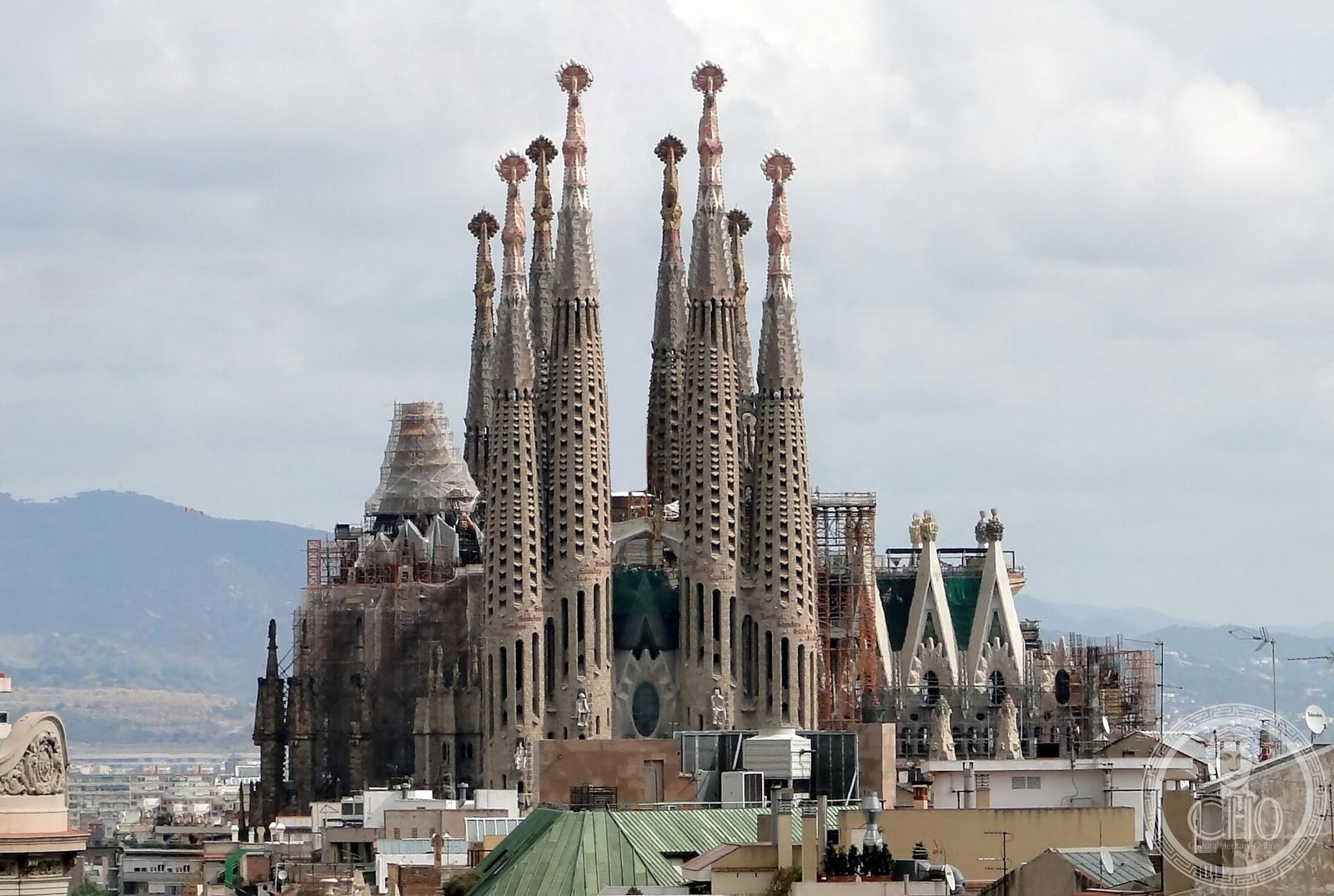
Barcelona’s Modernisme is the most politically charged variant of Art Nouveau: an artistic movement inseparable from the Catalan cultural renaissance, financed by the city’s industrial bourgeoisie and driven by Antoni Gaudí into territory that no other architect has since reclaimed.
At a glance
The Eixample district of Barcelona — designed from 1859 on Ildefons Cerdà’s rational grid — became in the 1880s and 1890s the most concentrated single showcase of Art Nouveau architecture in the world. While Paris and Vienna were debating ornament, Barcelona’s industrialists were commissioning the Passeig de Gràcia residences that would become icons: Gaudí’s Casa Batlló and Casa Milà, Domènech i Montaner’s Casa Lleó Morera and the Palau de la Música Catalana, Puig i Cadafalch’s Casa Amatller. The Modernisme movement was not merely decorative — it was an act of cultural identity. Its buildings announced Catalan distinctiveness in stone, iron, ceramic and stained glass, decades before Catalan autonomy became a political reality.
Key facts
- Country: Spain (Catalonia / Catalunya)
- Key period: 1880s–1926 (Catalan Modernisme / Art Nouveau)
- Key figure: Antoni Gaudí (1852–1926) — architect, Sagrada Família, Casa Batlló, Casa Milà, Park Güell
- Also notable: Lluís Domènech i Montaner (Palau de la Música Catalana), Josep Puig i Cadafalch
- UNESCO heritage: Works of Antoni Gaudí — 7 buildings, World Heritage since 1984/2005
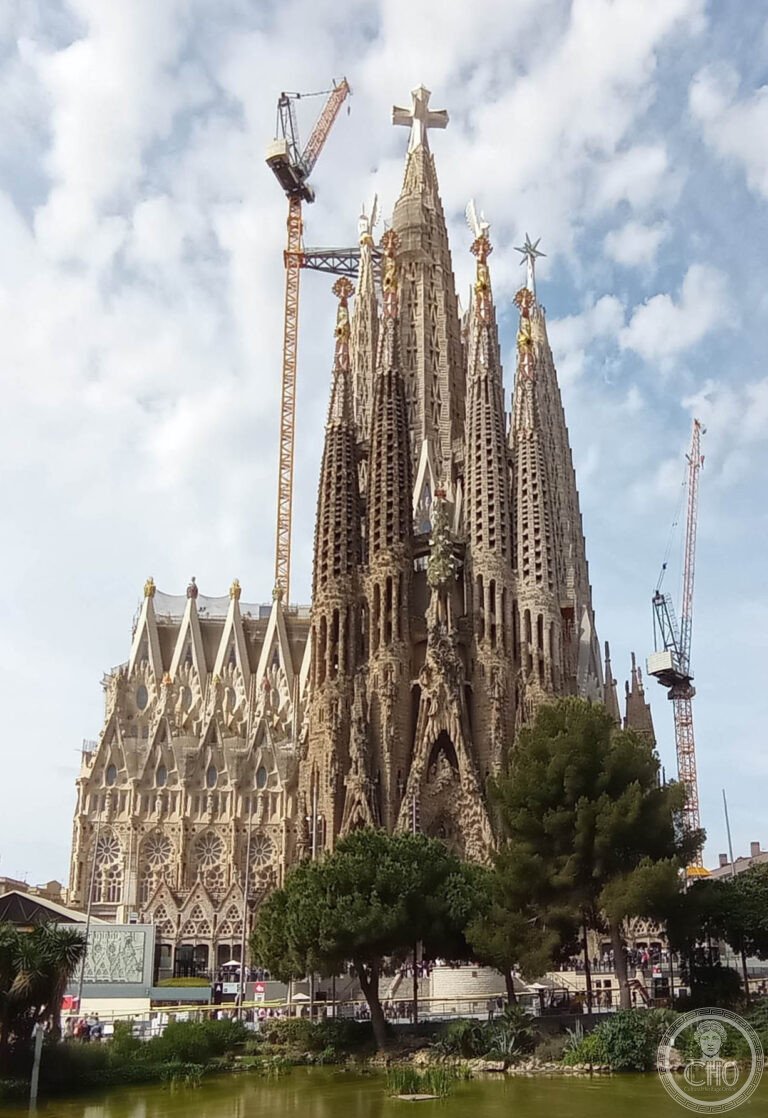
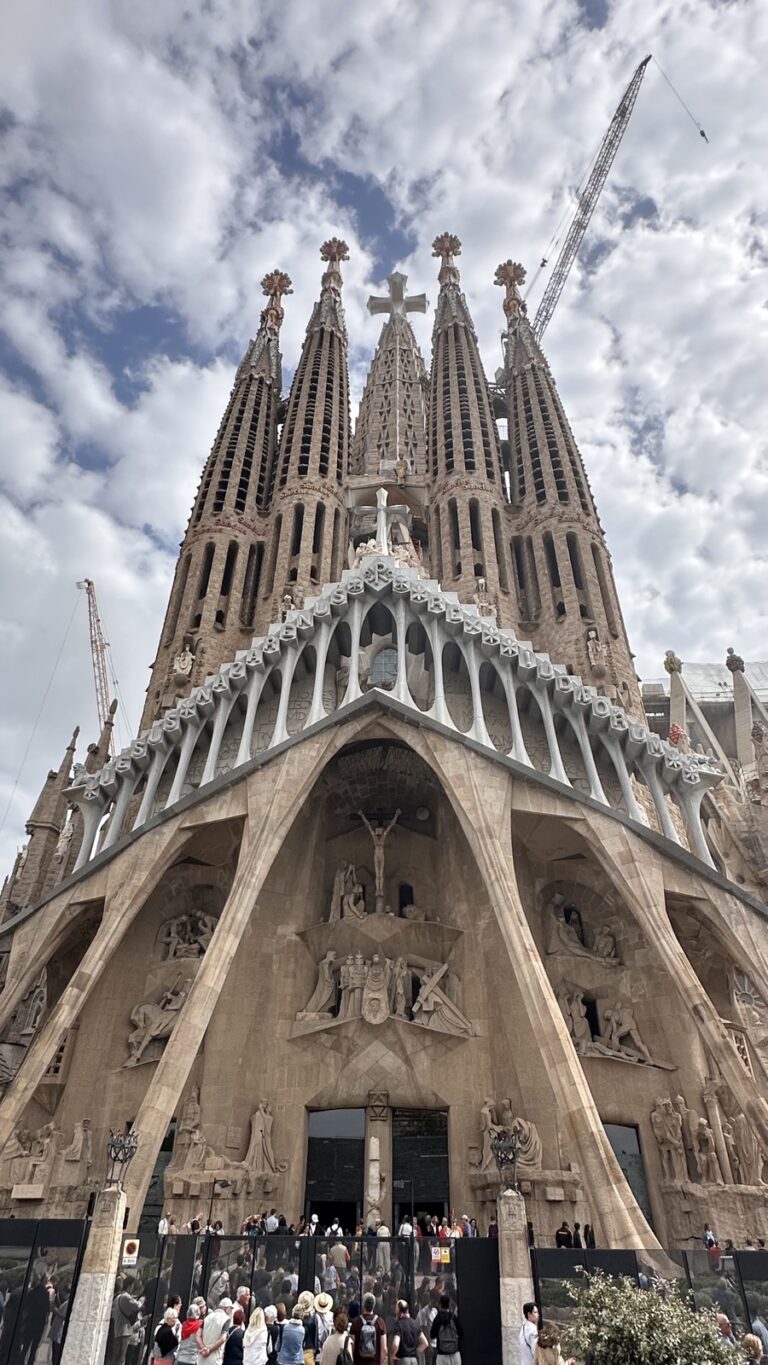
- Essential sites: Sagrada Família, Casa Batlló, Casa Milà (La Pedrera), Park Güell, Palau de la Música Catalana
- Annual anniversaries: Gaudí nascita 25 giugno, Gaudí morte 10 giugno
History
Antoni Gaudí was born in Reus, near Tarragona, on 25 June 1852. His architectural training in Barcelona coincided with the city’s great urban expansion — the Eixample project — and with the cultural and political awakening known as the Renaixença. Gaudí’s early work absorbed Gothic revivalism, Moorish ornament and the engineering logic of natural forms; by the time he received the Sagrada Família commission in 1883, at 31, he had developed a fully original structural vocabulary based on parabolic arches and hyperbolic vaults that required no buttresses.
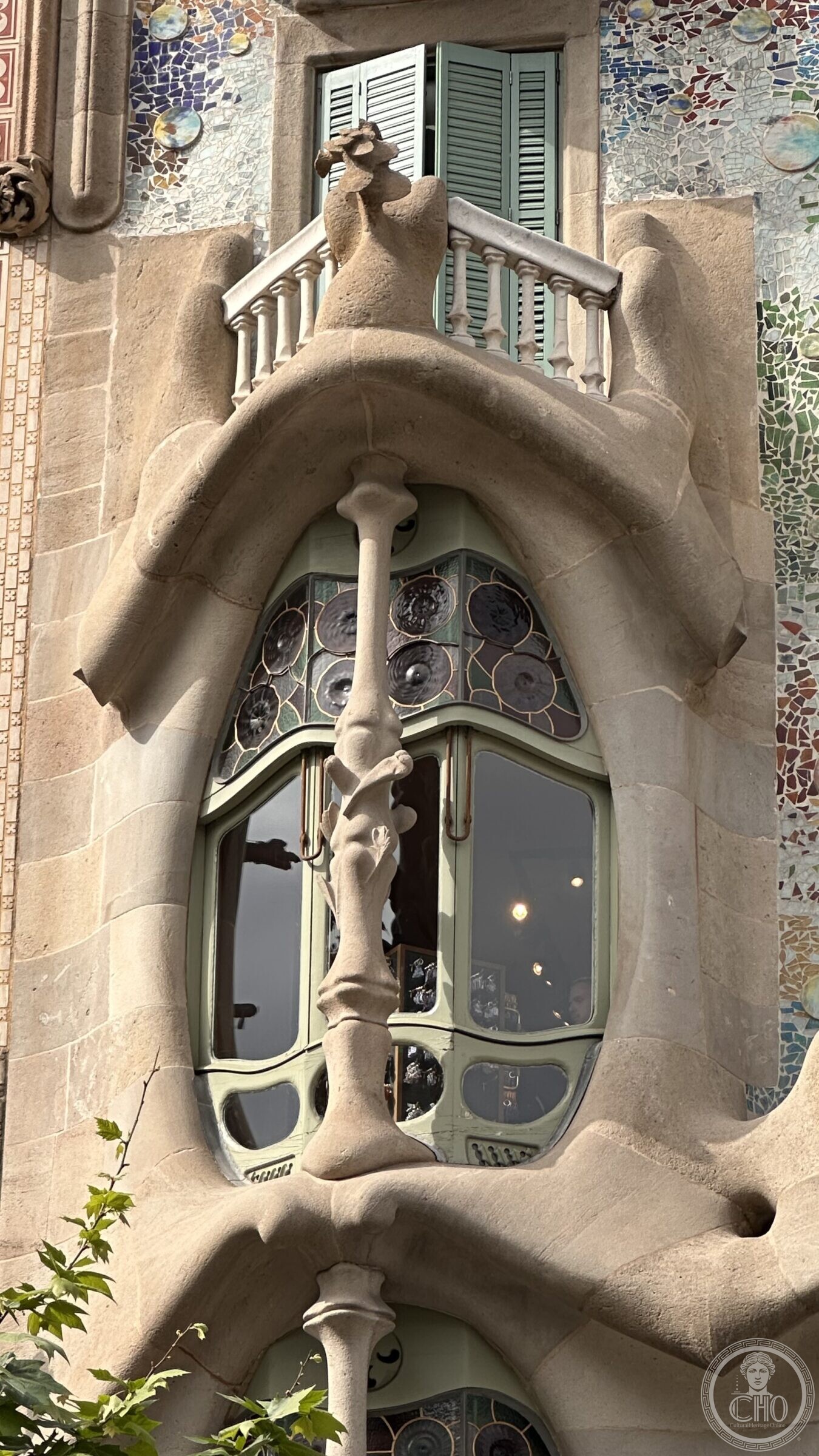
The five-year period between 1900 and 1914 is Gaudí’s apogee: Casa Calvet (completed 1900), Park Güell (1900–1914), Casa Batlló (renovated 1904–1906), Casa Milà (1906–1912). The Batlló renovation — in which Gaudí clad a conventional apartment block in polychromatic ceramic scales and reshaped every floor as a continuous organic surface — remains the most audacious transformation in the history of Art Nouveau.
Gaudí was struck by a tram on 7 June 1926, three days before his 74th birthday, and died two days later in the paupers’ ward of the Hospital de la Santa Creu. He was identified only after his initial transfer as an unknown. He is buried in the crypt of the Sagrada Família, which he had supervised for 43 years and which remains under construction today, funded by entrance fees and private donations.
What you see
The Passeig de Gràcia between Carrer d’Aragó and Carrer del Consell de Cent is called the “Block of Discord” for the three competing Modernista palaces it contains: Gaudí’s Casa Batlló (No. 43), Puig i Cadafalch’s Casa Amatller (No. 41) and Domènech i Montaner’s Casa Lleó Morera (No. 35). Each interprets the same brief — a bourgeois apartment building on the city’s grandest avenue — in an entirely different architectural language. All three are now museums with ticketed interior visits.
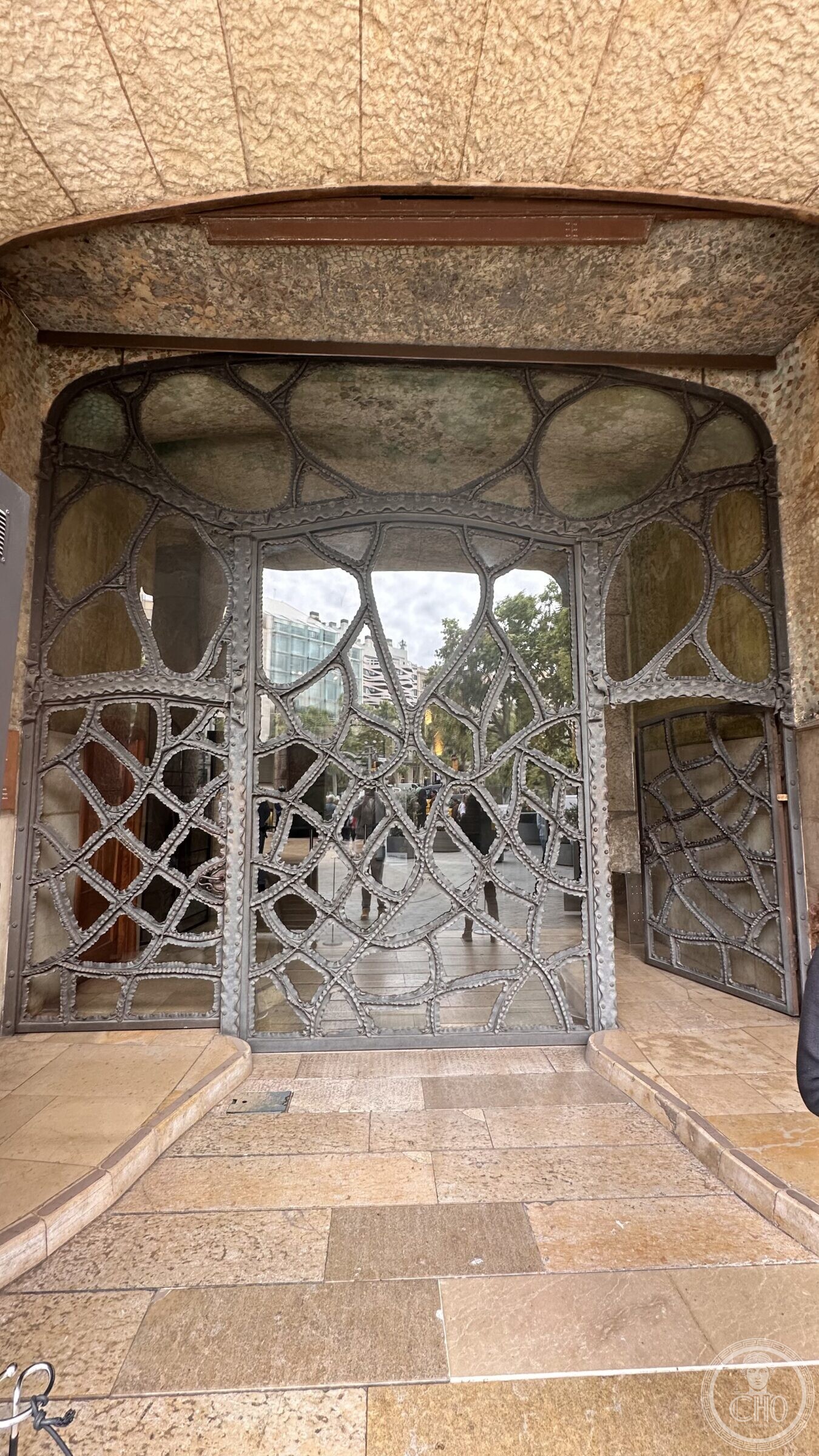
Casa Milà (La Pedrera, No. 92) pushes further: its undulating stone facade, with no straight lines, and its roof terrace of sculptural chimneys and ventilation towers — which Gaudí called “warriors” — make it the most spatially disorienting building of the entire Art Nouveau era. The Palau de la Música Catalana (1905–1908, Lluís Domènech i Montaner) half a kilometre east in the old city completes the tour: its stained-glass ceiling — a hemisphere of coloured glass petals that floods the concert hall with southern light — is among the most beautiful spaces in European music culture.
Practical information
- Sagrada Família: book online at least 2 weeks in advance; combined tickets with tower access available
- Casa Batlló / Casa Milà: both fully ticketed, timed entry; evening light shows in summer
- Park Güell: free areas and ticketed monumental zone; advance booking required
- Palau de la Música Catalana: guided tours and concert tickets via palaumusica.cat
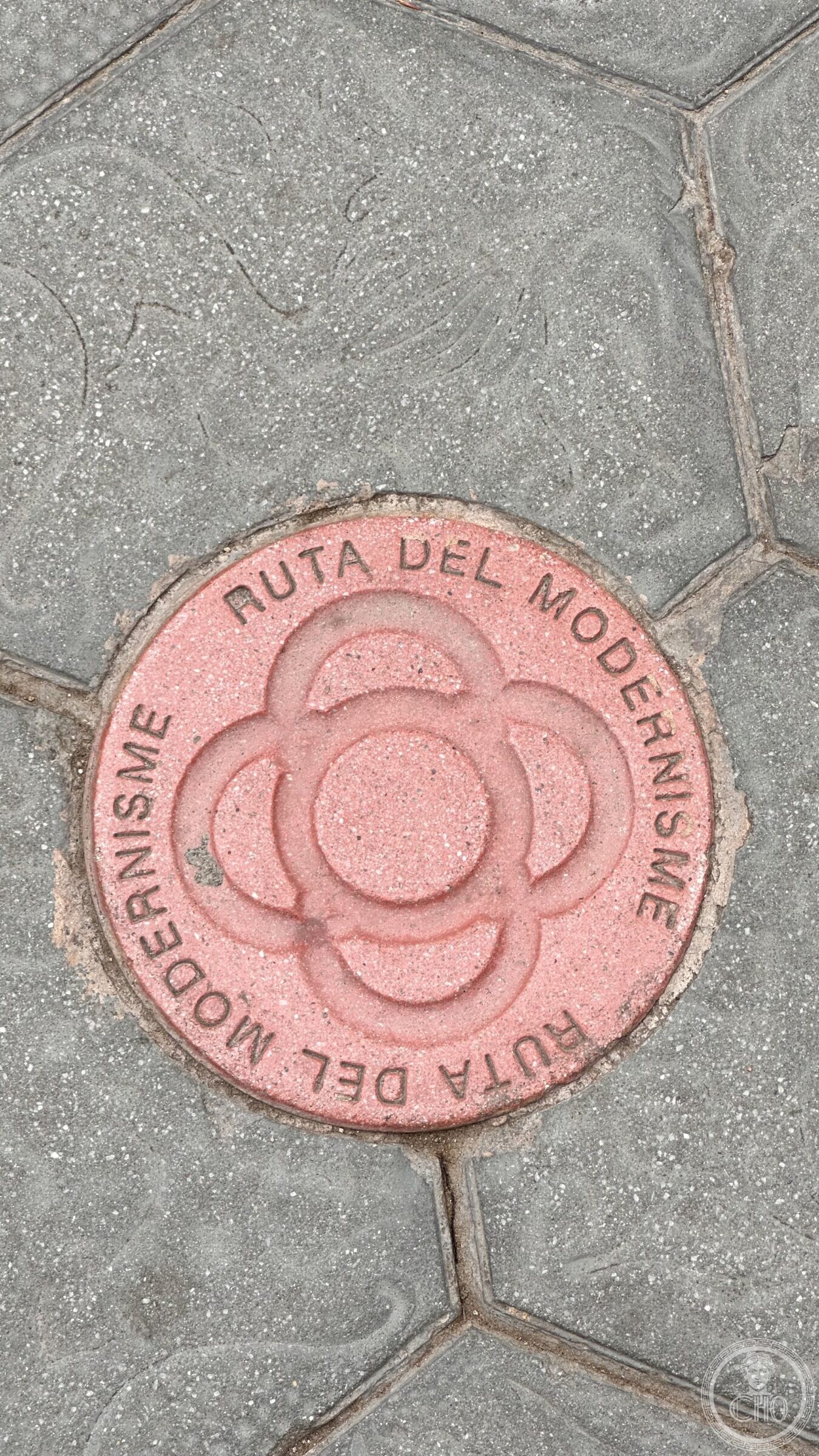
- Ruta del Modernisme: official self-guided tour covering 116 buildings; map at rutadelmodernisme.com
- Time needed: minimum 3 days for the main Gaudí sites; 5 days for the full Modernisme itinerary
Getting there
Barcelona El Prat Airport (BCN) is 12 km from the centre; the Aerobús (A1/A2) reaches Plaça de Catalunya in 35 minutes, or take metro line L9 Sud with a transfer at Zona Universitària (total 40 min). High-speed AVE trains connect Barcelona Sants to Madrid (2h30) and to the French TGV network via the border station at Figueres-Vilafant. The Sagrada Família is served directly by metro L2 and L5 (Sagrada Família station).
Related in CHO
- Anniversario nascita: Antoni Gaudí — 25 giugno 1852
- Anniversario morte: Antoni Gaudí — 10 giugno 1926
- Cathedral of Barcelona (existing CHO card)
- MACBA — Barcelona Museum of Contemporary Art (existing CHO card)
Sources
Modernisme, close up
Find it on the map
See this place and what’s around it →Record researched and written by Luigi De Marchi for Cultural Heritage Online, 2026.

Events here — now on & upcoming
- Birth Anniversary: Antoni Gaudí — June 25, 185225 Jun 2027See the event →
- Death Anniversary: Antoni Gaudí — June 10, 192610 Jun 2027See the event →
- 5th coupDefouet International Congress on Art Nouveau — Barcelona05 Nov 2026 — 08 Nov 2026See the event →
📷 Become a Cultural Heritage Online photographer
Share your photos of places: they stay published under your name as the author. The more they're seen, the more you get noticed — and soon a contest will reward the most appreciated photos.
Log in or sign up free to add a photo