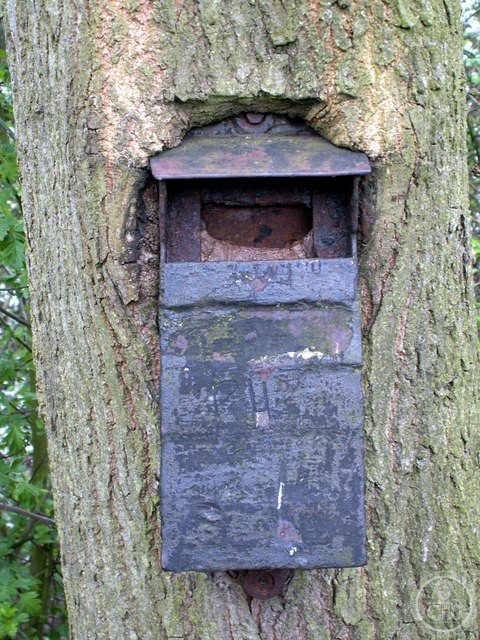
Somewhere on a canal towpath in England there is a leaflet dispenser that a tree has grown around. Nobody planned that. It simply sat there, unchecked, for long enough that the trunk closed over its edge like water around a stone. Nobody noticed exactly when it stopped being useful, because nothing about it was built to tell anyone. That is the honest, ordinary fate of most printed material: not a dramatic failure, just a slow silence that nobody is watching closely enough to hear.
Three questions paper can never answer
Ask any owner who has spent money on leaflets, printed maps or a listing in a paper directory, and three questions will come up sooner or later. How many people actually looked, rather than simply picked one up? Where did those people come from — the next town, the next country, somewhere unexpected worth knowing about? And of the people who looked, how many did anything afterward — visited, booked, told a friend? Paper cannot answer any of the three. It was never built to. A leaflet’s entire report is “some were taken”, and even that much requires someone to count what remains.
The same three questions, answered
A free digital listing answers all three automatically, as a by-product of simply existing online, without any extra work from the owner. When someone searches for a heritage site, a walking tour or a local museum and a listing appears in the results, that appearance is recorded. If they click through to read more, that is recorded too — along with, in general terms, the country or region the search came from. None of this requires the owner to do anything technical. It happens the same way a leaflet gets picked up: silently, in the background, except that this time something remembers.
The difference this makes is not abstract. A tourist board deciding whether to reprint five hundred leaflets for next season is guessing, informed by nothing more than how empty the rack looked in September. An owner with a digital listing can instead look at where searches actually came from this year and ask a sharper question: should the next leaflet run be in one language or two, and should it go to the ferry terminal or the airport.
Why we show our own numbers before asking to show yours
Cultural Heritage Online publishes its own version of this openly, on the About page, because asking an owner to trust a measurement they cannot see themselves would be no better than the vague promises this whole series keeps warning against. The catalogue’s size, its growth, and where its readers come from are shown as they change, drawn from Google’s own measurement tools rather than claimed once and left to go stale. A listing works the same way at the level of a single place: the point is not a bigger number somewhere else, it is a number you can actually check for your own door.
Frequently Asked Questions
Do I need any technical skill to see this data?
No. The reporting happens automatically once a listing exists; nothing needs to be installed, configured or maintained by the owner.
Does this replace printed leaflets and paper directories?
No — it answers the one question paper cannot, which is whether any of it worked. What to print, and how much, becomes a better-informed decision rather than a disappearing one.
How is a search different from a visit?
A search shows that someone was looking for something like your place. A click shows they chose to read more. Neither guarantees a visit, but both are more than paper has ever been able to offer, and together they show a trend over time rather than a single guess.
Is this kind of measurement only available to large, well-funded attractions?
No. It works identically for a single-room local museum and a national gallery — the listing itself is what makes it possible, not the size of the place behind it.
Where to start
Cultural Heritage Online lists heritage places, tours and cultural associations across Europe free of charge, with no obligation attached. If you organise tours, walks or events and want to see what a listing looks like for a place like yours, the organiser page explains what is included, or you can simply write to the editorial team and ask.
Sources
- S1 — Buhalis, Dimitrios. eTourism: Information Technology for Strategic Tourism Management. Pearson, 2003. ISBN 978-0-582-35740-2.
- S2 — Terras, Melissa. Digital Images for the Information Professional. Ashgate, 2008. ISBN 978-0-7546-4645-7.
Spotted an error? Write to editorial@culturalheritageonline.com and we correct it the same day.