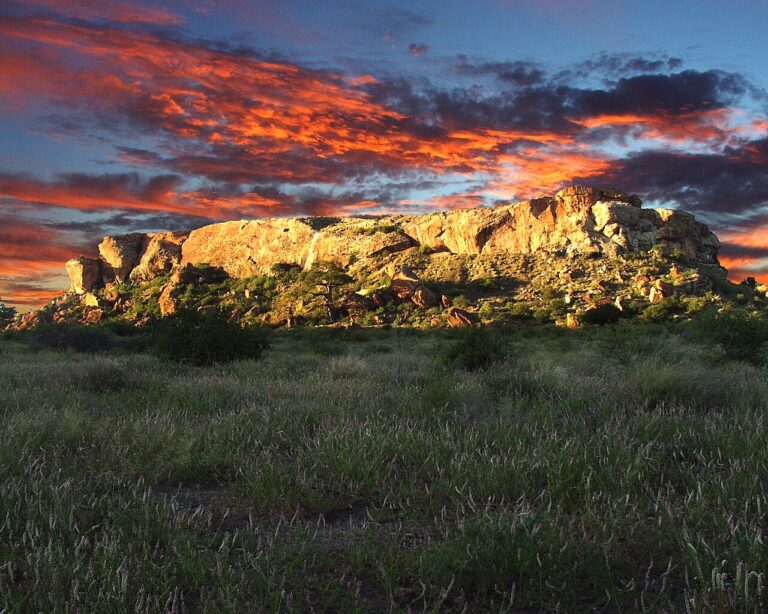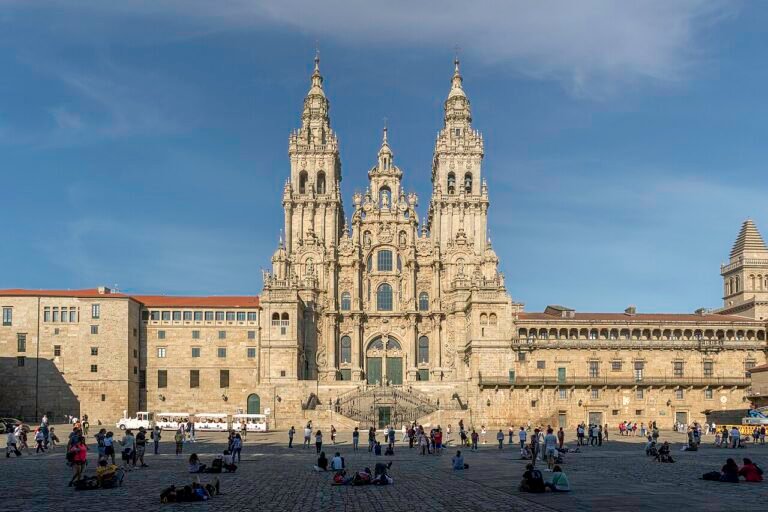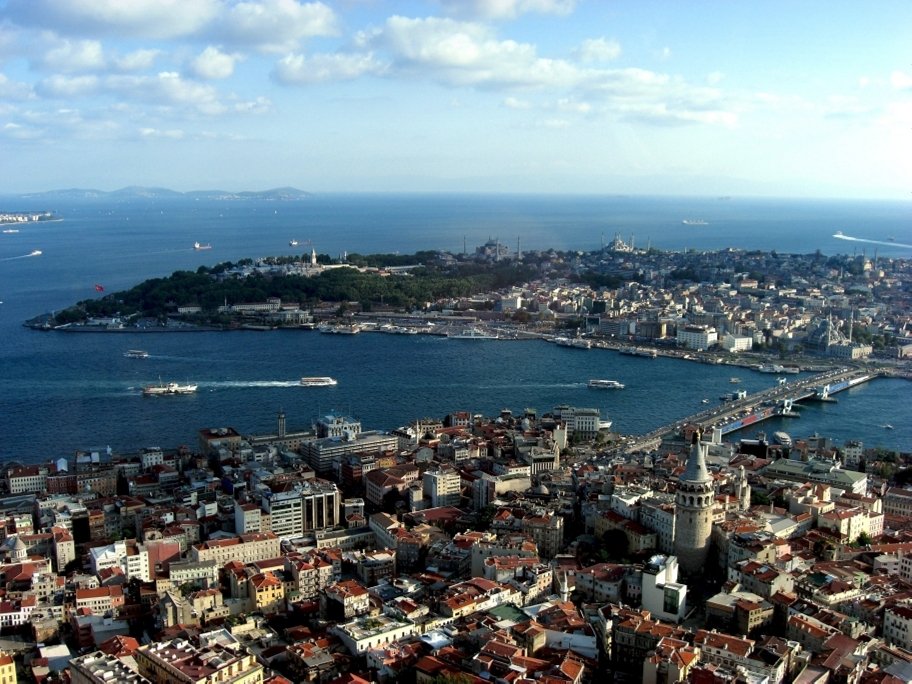
Turkey has 22 UNESCO World Heritage Sites, a list that ranges from the fairy-tale rock formations of Cappadocia and the thermal travertines of Pamukkale to Neolithic mounds that predate writing, medieval Armenian cities, and a scattered constellation of Lycian, Phrygian, and Lydian capitals that once shaped the ancient world. From Cultural Heritage Online.
Why Turkey’s list looks the way it does
Turkey sits at the hinge between Europe, the Middle East, and Central Asia, and its UNESCO list mirrors that position precisely. The Anatolian peninsula has been continuously settled for millennia: Neolithic Çatalhöyük, Bronze Age trade capitals, the heartland of Hittite, Phrygian, Lydian, and Lycian civilisations, Greek and Roman cities, Byzantine Christendom, and the Ottoman empire all left monumental traces within what are now Turkish borders. The result is a collection dominated by cultural sites — twenty of the twenty-two inscriptions carry that designation — with two mixed sites that recognise landscapes where geology and human history are inseparable.
Turkey first engaged with UNESCO’s World Heritage Convention in earnest at its ninth session in 1985, receiving three inscriptions at once. Since then the pace has been steady rather than spectacular, reaching twenty-two sites by 2025. The most recent addition, Sardis and the Lydian Tumuli of Bin Tepe, inscribed in 2025, brought the capital of ancient Lydia — with its temple, gymnasium, and royal burial mounds — into the fold, completing a picture of Anatolia as one of the densest archaeological landscapes on earth.
The first inscriptions
Three sites were inscribed together in 1985, immediately signalling the breadth Turkey’s list would eventually achieve:
- Göreme National Park and the Rock Sites of Cappadocia — the only mixed site among the founding trio, pairing volcanic tuff cones sculpted by erosion with rock-cut churches covered in Byzantine frescoes.
- Great Mosque and Hospital of Divriği — a thirteenth-century Anatolian Seljuk complex in eastern Turkey whose portals carry stonework of almost hallucinatory intricacy, with no two decorative panels identical.
- Historic Areas of Istanbul — four separate zones across the former capital of both Byzantium and the Ottoman empire, encompassing Hagia Sophia, Topkapı Palace, the Hippodrome, the Blue Mosque, and the city’s historic walls.
The most visited — and the alternatives
Istanbul and Cappadocia draw the overwhelming share of cultural tourists. Ephesus, inscribed in 2015, is the third crowd-magnet: its Library of Celsus and vast agora are among the best-preserved Roman streetscapes in the Mediterranean world. Hierapolis–Pamukkale, the other mixed site, fills tour buses with visitors drawn to its brilliant white calcium terraces and the adjacent Greco-Roman spa city above them.
Beyond those anchors, Turkey’s list holds sites that reward deliberate detour:
- Mount Nemrut (1987, Adıyaman) — the summit sanctuary of King Antiochus I of Commagene, where colossal limestone heads of gods and rulers lie tumbled across the mountaintop at nearly 2,200 metres elevation.
- Xanthos–Letoon (1988) — the principal city and sanctuary of ancient Lycia, where a trilingual inscription combining Lycian, Greek, and Aramaic helped scholars decipher an otherwise lost language.
- Ani (2016, Kars) — a ruined medieval city near the Armenian border that reached its zenith in the tenth and eleventh centuries as the capital of the Bagratid Armenian kingdom, now a haunting landscape of collapsed cathedrals and empty streets.
- Wooden Hypostyle Mosques of Medieval Anatolia (2023) — a serial inscription grouping five mosques built between the late thirteenth and mid-fourteenth centuries, whose carved timber interiors represent a construction tradition largely vanished elsewhere.
Natural and shared sites
Turkey holds no standalone natural World Heritage Sites; both sites with a natural component are classified as mixed. Göreme, inscribed in 1985, owes its form to millions of years of volcanic eruption and subsequent erosion that produced the “fairy chimneys” of Cappadocia — but the rock-cut cave dwellings, underground cities, and fresco-covered chapels carved into them by early Christian communities give equal weight to the cultural criterion. Hierapolis–Pamukkale, inscribed in 1988, combines the gleaming travertine pools formed by calcium-rich thermal springs with the extensive ruins of the Hellenistic and Roman city that grew around the same waters.
Unlike some neighbouring countries, Turkey does not currently share any transnational serial inscription with other states parties on the World Heritage List. Its heritage programme is entirely national in formal terms, though sites like the Silk Road cities further east sit within a broader cultural corridor recognised across Central Asia. The 2023 inscription of Gordion — the Phrygian capital with documented continuous occupation from around 2300 BC, where Alexander the Great is said to have cut the famous knot — and the 2021 inscription of the Arslantepe Mound near Malatya, which yielded some of the world’s earliest known metal swords, both point toward Turkey’s growing ambition to document the deep pre-classical layers of Anatolian history.
How to find them
Turkey’s World Heritage sites sit alongside thousands of other places on CHO’s interactive map, with GPS and sourced editorial history for each. See also our guides to Italy’s and France’s UNESCO sites, and our piece on cultural travel beyond mass tourism.
Frequently Asked Questions
How many UNESCO World Heritage Sites does Turkey have?
As of 2025, Turkey has 22 UNESCO World Heritage Sites. Twenty are classified as cultural, and two — Göreme National Park and the Rock Sites of Cappadocia, and Hierapolis–Pamukkale — are classified as mixed cultural and natural sites. Turkey has no standalone natural inscriptions.
What was Turkey’s first UNESCO World Heritage Site?
Turkey received three inscriptions simultaneously at the 1985 session of the World Heritage Committee: Göreme National Park and the Rock Sites of Cappadocia, the Great Mosque and Hospital of Divriği, and the Historic Areas of Istanbul. All three are therefore equally Turkey’s first World Heritage Sites.
What is Turkey’s most recently inscribed World Heritage Site?
The most recent inscription is Sardis and the Lydian Tumuli of Bin Tepe, added to the list in 2025. The site preserves the ancient capital of Lydia — a kingdom renowned in antiquity for its gold-rich river and for issuing some of the world’s earliest coinage — along with its temple, gymnasium, and a field of royal burial mounds known as Bin Tepe.
Does Turkey have any natural UNESCO World Heritage Sites?
Turkey has no purely natural World Heritage Sites, but two sites carry a mixed cultural-and-natural designation. Göreme National Park encompasses both the volcanic rock formations of Cappadocia and the Byzantine cave churches carved into them. Hierapolis–Pamukkale pairs spectacular calcium travertine terraces with the extensive remains of a Greco-Roman city built around the same thermal springs.
Sources used in this article
- UNESCO — State Party Turkey — World Heritage list.
- UNESCO — Turkey: World Heritage Sites.
- CHO magazine — What is a World Heritage Site?
- CHO — Interactive map of heritage sites.