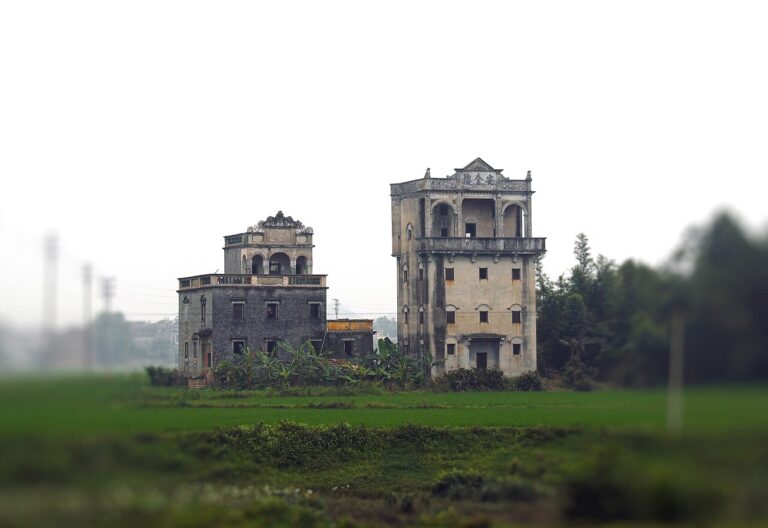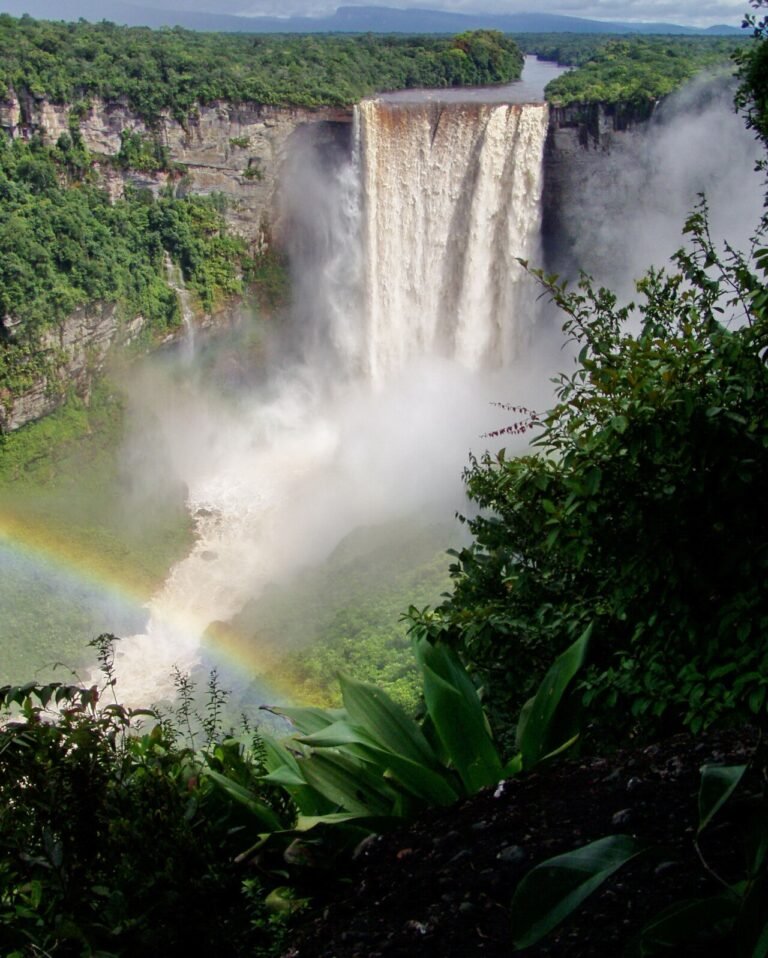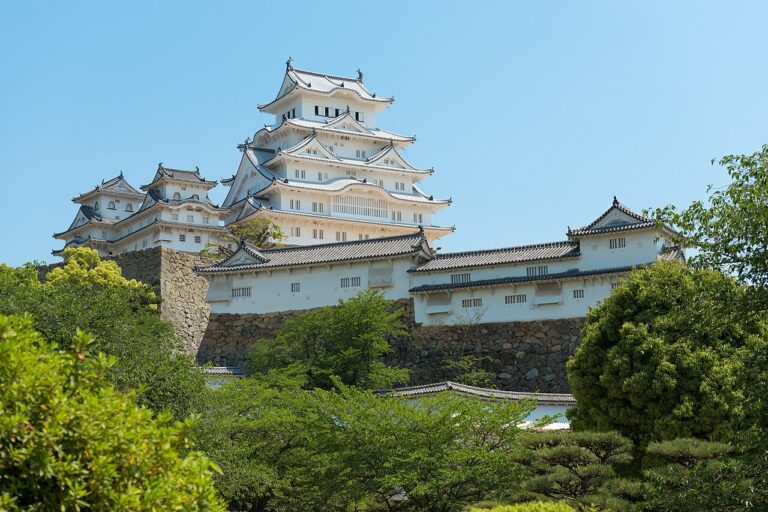
Benin has 3 UNESCO World Heritage Sites, a compact list that spans royal court architecture in the forest-savanna transition zone, one of West Africa’s most significant transboundary wildlife complexes, and a living vernacular landscape shared with a neighbouring country. The three inscriptions move from the distant heartland of the Kingdom of Dahomey to borderland savannas thick with elephant herds, and on to earthen tower houses that have shaped a people’s identity for centuries. From Cultural Heritage Online.
Why Benin’s list looks the way it does
Benin’s World Heritage portfolio is small but deliberately varied. The country’s colonial-era borders enclosed the core territories of the Kingdom of Dahomey, and that historical depth anchors the cultural strand of the list. At the same time, Benin shares long borders with Burkina Faso, Niger, and Togo, and two of its three inscriptions are transnational, reflecting how West African ecosystems and cultural landscapes rarely respect modern state lines.
The balance between the two cultural sites and one natural site roughly mirrors the country’s heritage geography: the densely settled south, where Dahomean polities rose and fell over several centuries, contrasts with the sparsely populated northern savannas that serve as some of West Africa’s last intact large-mammal habitat. UNESCO’s five tentative nominations suggest the list will grow, though the pace of inscription has been deliberate.
The first inscriptions
Benin’s World Heritage story begins in 1985, with a single inscription that immediately captured international attention — and concern. The site inscribed that year was:
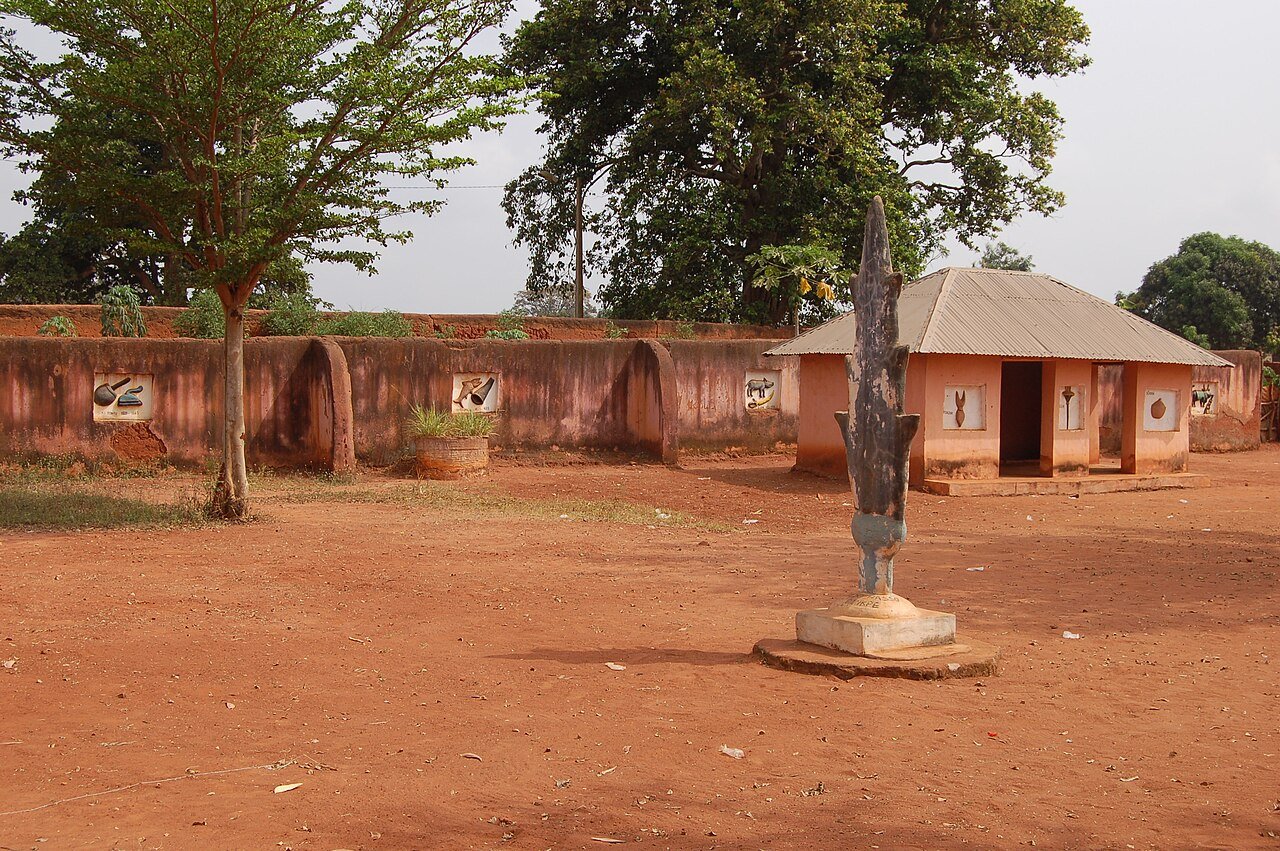
- Royal Palaces of Abomey (1985, cultural) — a complex of ten interconnected palaces erected by successive kings of the Kingdom of Dahomey between the seventeenth and nineteenth centuries, decorated throughout with polychrome bas-reliefs narrating royal histories and military campaigns.
The inscription came with a simultaneous listing on the World Heritage in Danger register, following tornado damage in 1984. International restoration efforts ran for more than two decades before UNESCO removed Abomey from the endangered list in 2007 — a relatively rare outcome that demonstrated what sustained conservation investment can achieve.
The most visited — and the alternatives
The Royal Palaces of Abomey remain Benin’s most recognised World Heritage Site, drawing visitors to the city of Abomey in the country’s south. The palaces function today as a national museum, and the bas-reliefs covering interior walls constitute one of the most coherent surviving records of pre-colonial West African court life. The scale of the compound — encompassing roughly forty-four hectares at its historic peak — reflects the ambition of a kingdom that dominated the region for nearly three centuries.
Beyond Abomey, two inscriptions reward less-travelled itineraries. The W–Arly–Pendjari Complex (2017, natural, transnational with Burkina Faso and Niger) protects vast Sudano-Sahelian savanna that sustains some of the largest remaining populations of African elephant, lion, and cheetah in West Africa. The Koutammakou landscape (2023, cultural, transnational with Togo) is defined by the takienta — multistorey mudbrick tower houses built by the Batammariba people — a vernacular architectural tradition maintained continuously since at least the sixth century and still inhabited today.
Natural and shared sites
Benin’s sole natural World Heritage Site, the W–Arly–Pendjari Complex, is also its most recently expanded inscription and its largest by area. The “W” refers to the double bend the Niger River makes along the park’s northern edge, visible on any map of the region. The complex extends across three countries and represents one of the most important transboundary conservation areas on the continent, protecting a mosaic of gallery forests, floodplains, and open savanna that supports the full suite of large Sahelian mammals.
The Koutammakou inscription adds a second transnational dimension to Benin’s list, this time cultural. Shared with Togo, the landscape covers a plateau in the Atakora region where the Batammariba communities have developed a building tradition — and a social cosmology connected to it — that UNESCO recognised as outstanding for its continuity and integrity. Both transnational inscriptions underline a broader truth about West African heritage: the most significant landscapes here tend to be regional rather than national.
How to find them
All three of Benin’s World Heritage Sites are accessible by road from Cotonou, though journey times vary considerably. Abomey lies roughly 150 kilometres north of the coast on a paved highway. The Pendjari section of the W–Arly–Pendjari Complex is in the far northwest of the country, several hours from the capital, and visits typically require a guide. The Koutammakou landscape straddles the Benin–Togo border in the northeast and is usually approached from Natitingou, the regional hub of the Atakora Department.
Benin’s World Heritage sites sit alongside thousands of other places on CHO’s interactive map, with GPS and sourced editorial history for each. See also our guides to Italy’s and France’s UNESCO sites, and our piece on cultural travel beyond mass tourism.
Frequently Asked Questions
How many UNESCO World Heritage Sites does Benin have?
Benin has 3 UNESCO World Heritage Sites as of 2023. The list comprises two cultural sites — the Royal Palaces of Abomey and the Koutammakou landscape — and one natural site, the transboundary W–Arly–Pendjari Complex.
What was Benin’s first UNESCO World Heritage Site?
The Royal Palaces of Abomey, inscribed in 1985, was Benin’s first World Heritage Site. The complex preserves ten palaces of the Kingdom of Dahomey and was simultaneously placed on the World Heritage in Danger list following tornado damage in 1984, before being removed in 2007 after successful restoration.
Does Benin have any transnational UNESCO World Heritage Sites?
Benin has two transnational inscriptions. The W–Arly–Pendjari Complex is shared with Burkina Faso and Niger, while the Koutammakou cultural landscape is shared with Togo. Both reflect the regional scale of the natural and cultural systems they protect.
What wildlife can be found at Benin’s natural World Heritage Site?
The W–Arly–Pendjari Complex shelters some of West Africa’s largest remaining populations of African elephant, lion, and cheetah across its Sudano-Sahelian savanna and gallery forests. The transboundary complex, inscribed in 2017, is considered one of the most important wildlife conservation areas on the continent.
Sources used in this article
- UNESCO — State Party Benin — World Heritage list.
- UNESCO — Benin: World Heritage Sites.
- CHO magazine — What is a World Heritage Site?
- CHO — Interactive map of heritage sites.
Sources
- S1 — Decalo, Samuel. Historical Dictionary of Benin. Scarecrow Press, 1995. ISBN 978-0-8108-2905-3.
- S2 — Preston Blier, Suzanne. African Vodun: Art, Psychology, and Power. University of Chicago Press, 1995. ISBN 978-0-226-05858-0.
Spotted an error? Write to editorial@culturalheritageonline.com and we correct it the same day.