
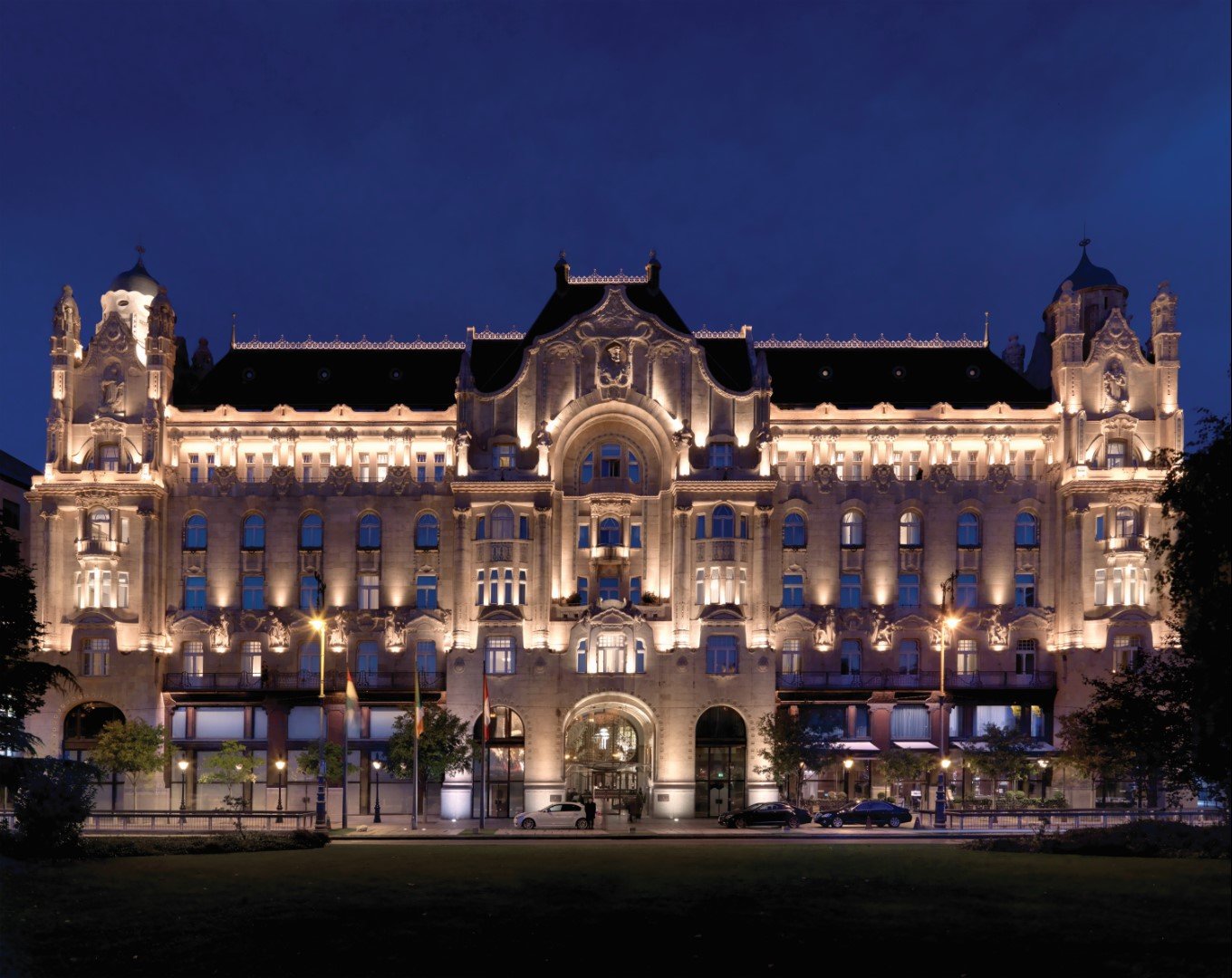
Standing at the Danube end of the Chain Bridge, Gresham Palace distils the ambition of Edwardian Budapest into a single extraordinary façade — and now operates as the Four Seasons.
At a glance
Zsigmond Quittner and József Vágó completed the palace in 1906 for the London-based Gresham Life Assurance Company, giving Budapest one of Central Europe’s most accomplished Art Nouveau structures. The programme combined offices, senior staff apartments and a grand public entrance, all unified by flowing ironwork, Zsolnay ceramic tiles and mosaic floors that still catch morning light off the Danube. After serving as Red Army barracks, then communist-era housing, the building was restored in a four-year, $85-million project and reopened as the Four Seasons in June 2004.
Key facts
- Built: 1904–1906 by Zsigmond Quittner and József Vágó
- Style: Art Nouveau
- Status: Luxury hotel (Four Seasons Hotel Budapest)
- Address: Széchenyi István tér 5–6, Budapest 1051, Hungary
- GPS: 47.4997, 19.0480 — Open in Google Maps
- UNESCO/Listed: No national listing; located within the Budapest World Heritage buffer zone (Danube Banks)
History
The Gresham Life Assurance Company, established in London and named after the 16th-century financier Sir Thomas Gresham, purchased the Nákó House site in 1880. The neoclassical Nákó House, built in 1827, was demolished to make way for a headquarters that would signal the company’s ambitions in the booming Austro-Hungarian capital. Quittner and Vágó won the commission and produced a structure that blends Viennese Secession discipline with Hungarian folk ornament — a combination that defined the national Art Nouveau strain.
The palace opened in 1907 and functioned as intended until the Second World War, when Soviet forces occupied Budapest and converted the building into barracks. The communist government that followed repurposed it as workers’ apartments, and decades of neglect caused the interior to deteriorate severely. In 1990, after the fall of the regime, the national government transferred ownership to the city of Budapest. A sequence of negotiations with Oberoi Hotels and then an Irish investment group, Quinlan Private, eventually led to the $85-million restoration overseen by Four Seasons. The hotel opened in June 2004 with 179 guest rooms.
In 2011, the State General Reserve Fund of Oman acquired the property; Four Seasons continues to manage operations. The palace is today widely regarded as the finest surviving example of Art Nouveau architecture in Budapest.
What you see
The seven-storey limestone façade faces Széchenyi István Square and the Chain Bridge head-on, making it one of the most photographed viewpoints in the city. Decorative ironwork gates — including the famous peacock gates attributed to the Vágó design — anchor the ground level, while upper storeys carry ceramic Zsolnay ornament, sinuous stone reliefs and large windows framed in curvilinear mouldings. The roofline rises in asymmetric gabled sections, each finished in different materials, giving the silhouette a restless, organic energy.
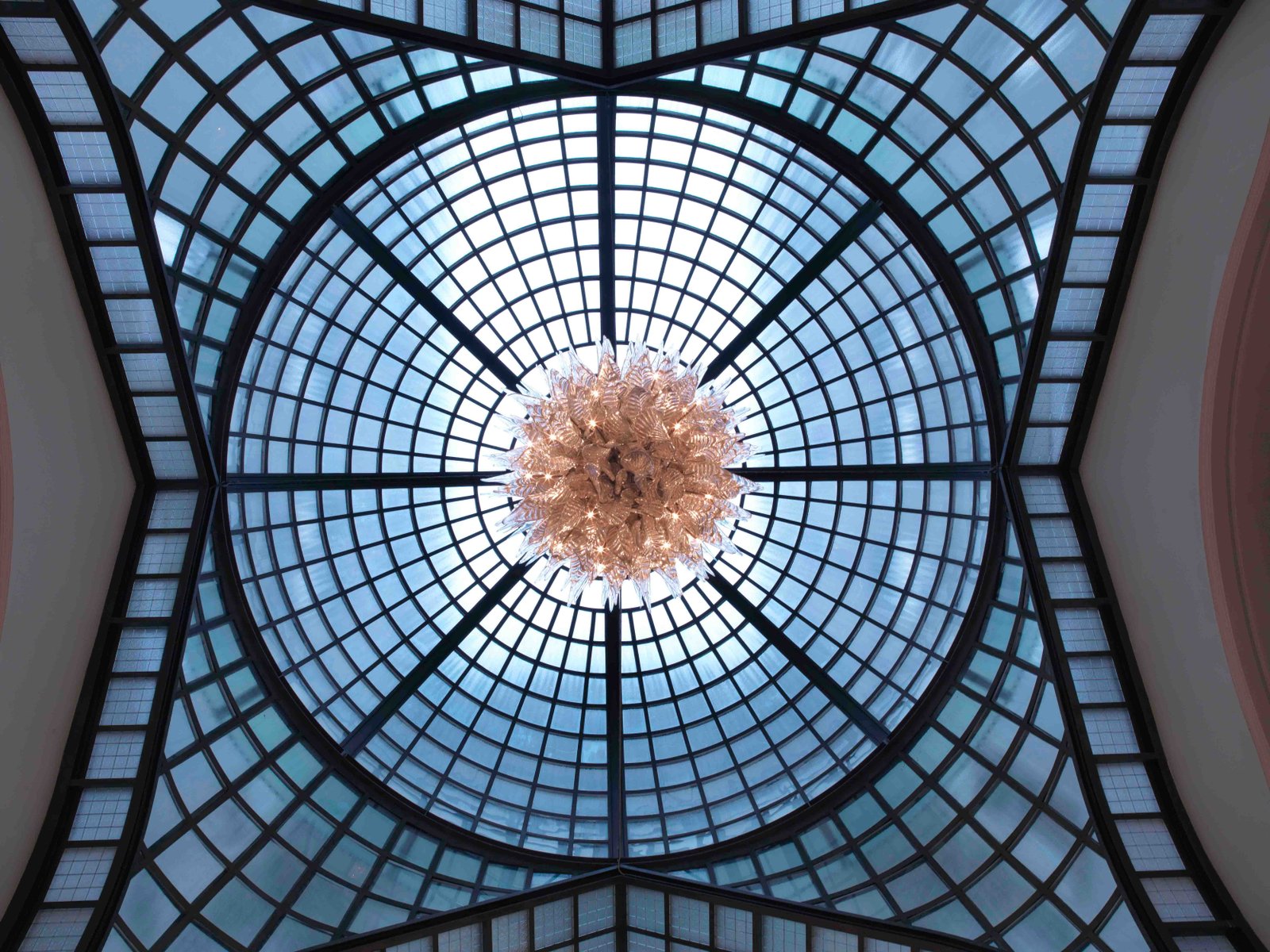
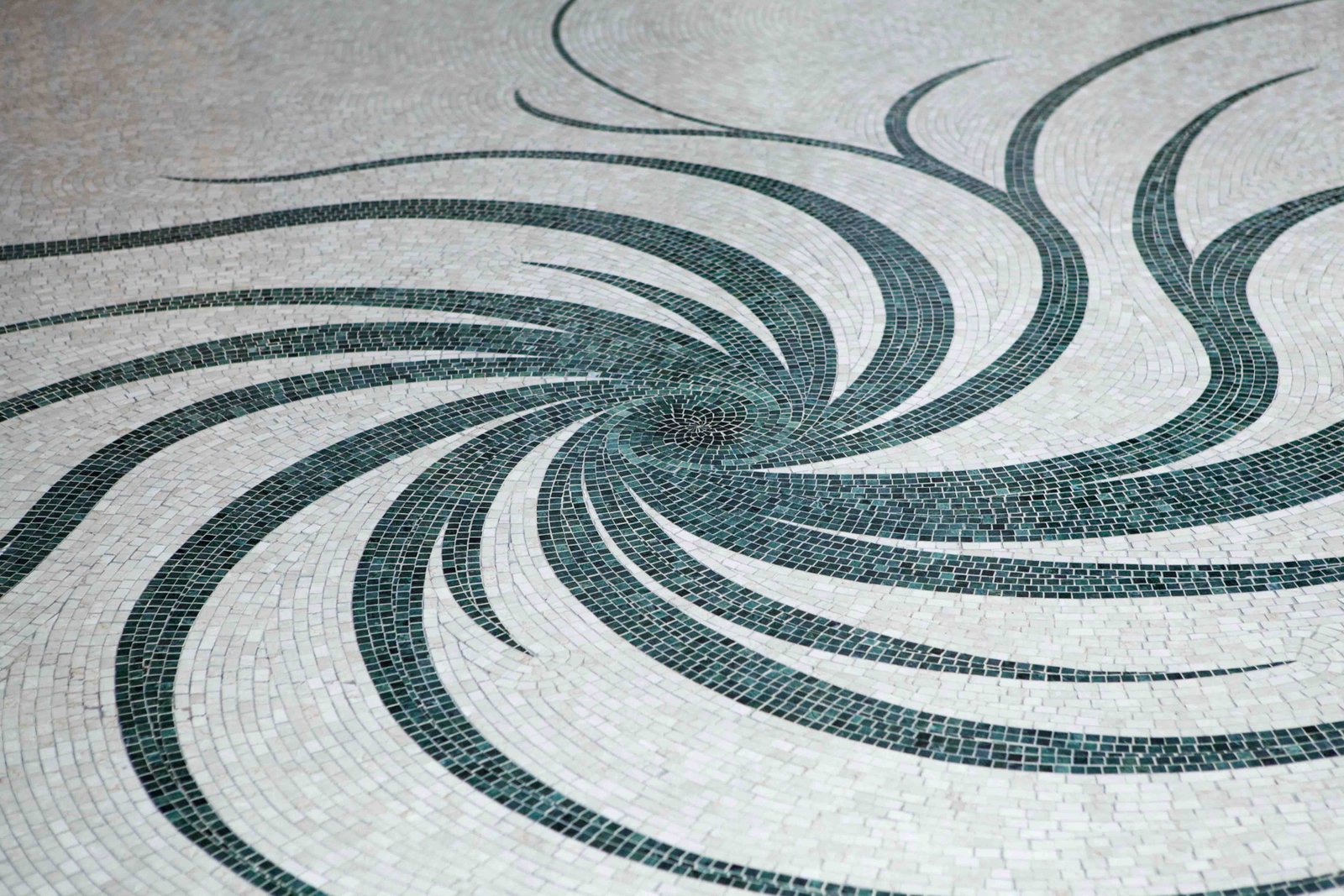
Inside, the restoration preserved the grand staircase, original stained-glass skylights, terrazzo mosaic floors and the winter garden loggias overlooking the atrium. The mosaic panels on the stair landings depict allegorical figures; the ironwork balustrades repeat the flowing plant motifs of the exterior. Guest rooms occupy what were once insurance offices and staff apartments, their ceiling heights and proportions unmistakably Edwardian.
Practical information
- Hotel guests and visitors to the lobby bar and restaurant; public access limited to ground-floor spaces
- Spring and autumn are ideal: milder temperatures and lower crowds than peak summer
- Guided architectural tours available through Four Seasons concierge; group visits by arrangement
- Estimated visit time: 30–45 minutes for lobby and exterior; full stay recommended for interior access
Getting there
Budapest Ferenc Liszt International Airport is approximately 25 km away; the Airport Shuttle (100E bus) connects to Deák Ferenc tér in about 35 minutes. From Deák tér, Metro line M1 runs to Vörösmarty tér (one stop), then a short walk across to Széchenyi István Square at the Danube embankment. The palace stands directly at the eastern foot of the Chain Bridge, making it an easy walking destination from the central Pest hotel district.
Nearby
- Széchenyi Chain Bridge (1849) — the landmark suspension bridge whose eastern pylon stands 50 metres from the hotel entrance
- Hungarian Academy of Sciences — neoclassical palace on the same square, housing Hungary’s oldest learned society
- Buda Castle — visible across the Danube; reached by the Castle Hill Funicular from the Chain Bridge western end
- St. Stephen’s Basilica — Budapest’s largest church, a ten-minute walk north along Zrínyi utca
Sources
Find it on the map
See this place and what’s around it →Historical events at this place (1)
📷 Become a Cultural Heritage Online photographer
Share your photos of places: they stay published under your name as the author. The more they're seen, the more you get noticed — and soon a contest will reward the most appreciated photos.
Log in or sign up free to add a photoIs this page about you?
This page is read by travellers and heritage enthusiasts who find it on Google. Tell us how you are connected to this place and we will take it from there.