Itineraries

Hwaseong Fortress Suwon Military Walls: Guide

Hwaseong Fortress Suwon Military Walls: Guide

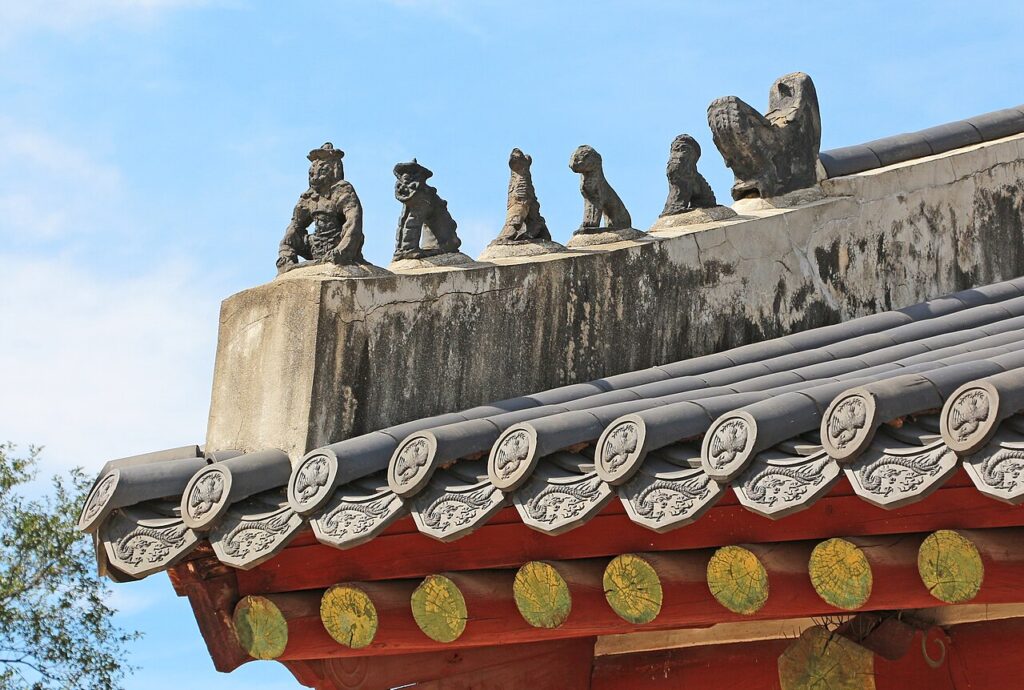
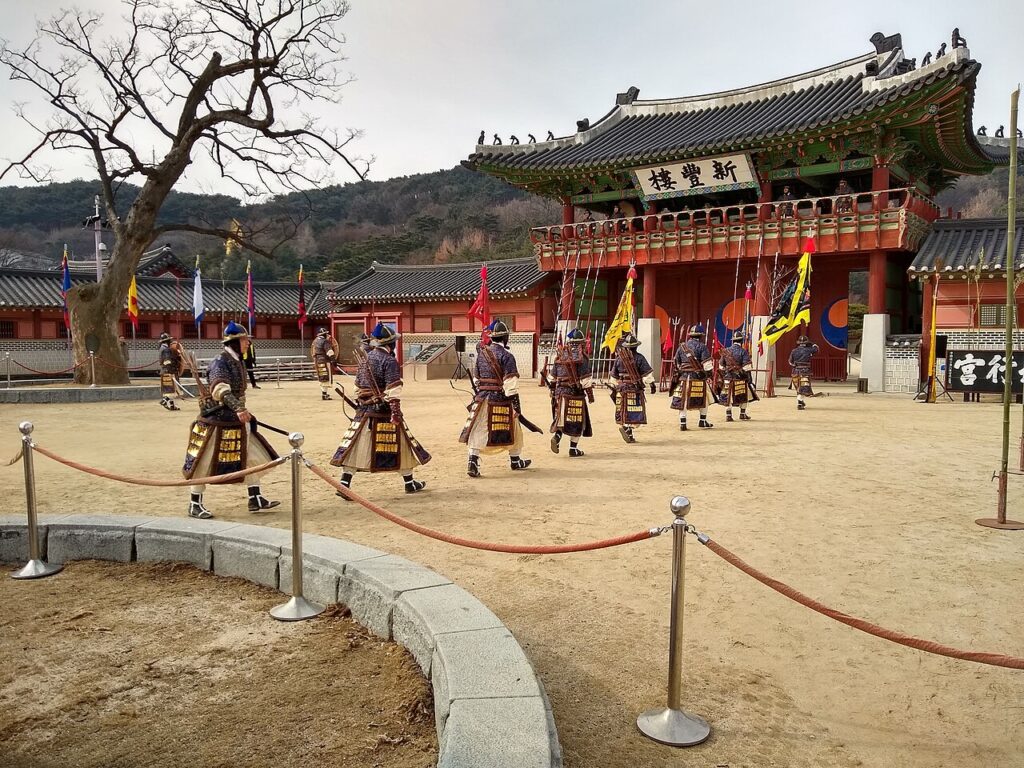
Hwaseong Fortress in Suwon, UNESCO-inscribed in 1997, is a 5.74-km Joseon-era circuit wall (1794-1796 CE) synthesising Korean, Chinese, and European fortification principles — designed by the polymath Jeong Yakyong and built to honour the memory of Crown Prince Sado — 30 minutes by KTX from Seoul’s Changdeokgung Palace and Jongmyo Shrine UNESCO sites.
Changdeokgung Palace Complex Secret Garden: Guide

Changdeokgung Palace Complex Secret Garden: Guide

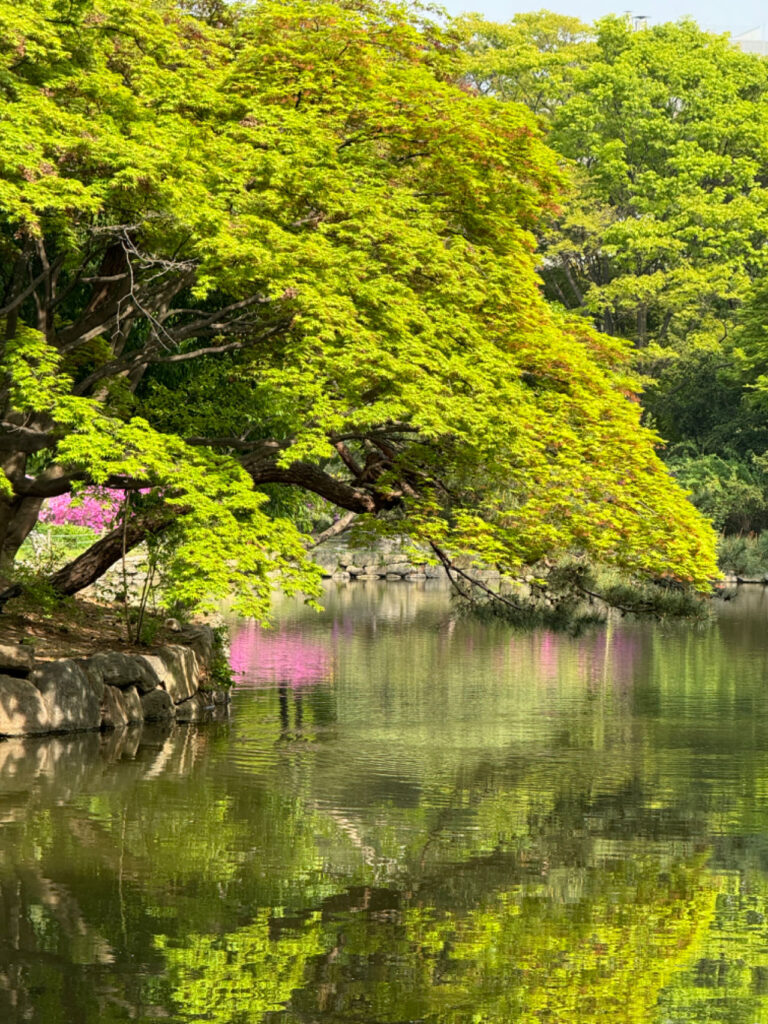
Changdeokgung Palace Complex, UNESCO-inscribed in 1997, served as the primary Joseon royal residence for 270 years and contains the Huwon Secret Garden — 78 hectares of naturalistic royal landscape with 12 irregular ponds, 28 pavilions, and a rice paddy where Korean kings performed ceremonial ploughing — 500 metres from Jongmyo Shrine and 1.5 km from Gyeongbokgung Palace in central Seoul.

Seokguram Grotto and Bulguksa Temple: Guide

Seokguram Grotto and Bulguksa Temple: Guide

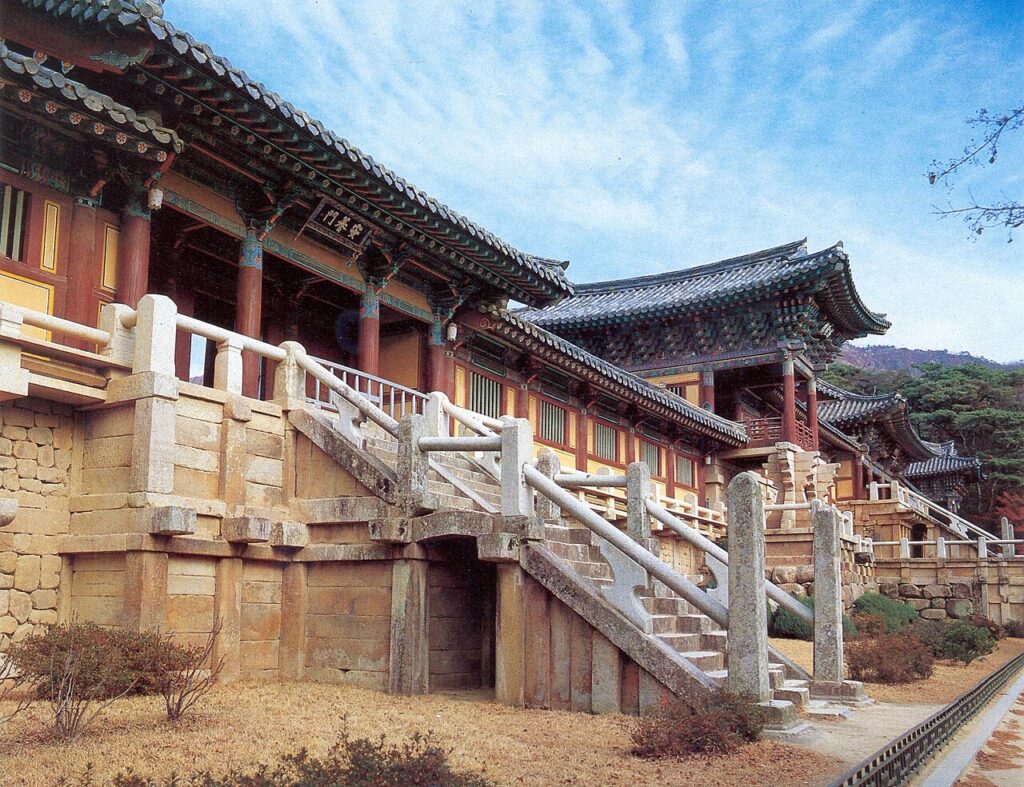
Seokguram Grotto and Bulguksa Temple, UNESCO-inscribed in 1995 on Mount Toham near Gyeongju, represent Unified Silla Buddhist art at its apex — Seokguram’s 3.45-metre granite Buddha in a mathematically-proportioned hemispherical cave, and Bulguksa’s 33-step stone staircase ascending cosmologically through the 33 heavens to the Buddha realm — linked to the Gyeongju Historic Areas 15 km west.

Jongmyo Shrine Seoul Royal Rituals: Guide

Jongmyo Shrine Seoul Royal Rituals: Guide

Jongmyo Shrine in central Seoul, UNESCO-inscribed in 1995, houses the spirit tablets of 19 Joseon dynasty kings in the 109-metre Jeongjeon main hall — the world’s longest wooden building of its type — with the annual Jongmyo Jerye Confucian ritual (UNESCO Intangible Heritage) performed each May, 500 metres from Changdeokgung’s Secret Garden and 1.5 km from Gyeongbokgung.

Haeinsa Temple Janggyeong Panjeon Woodblocks: Guide

Haeinsa Temple Janggyeong Panjeon Woodblocks: Guide

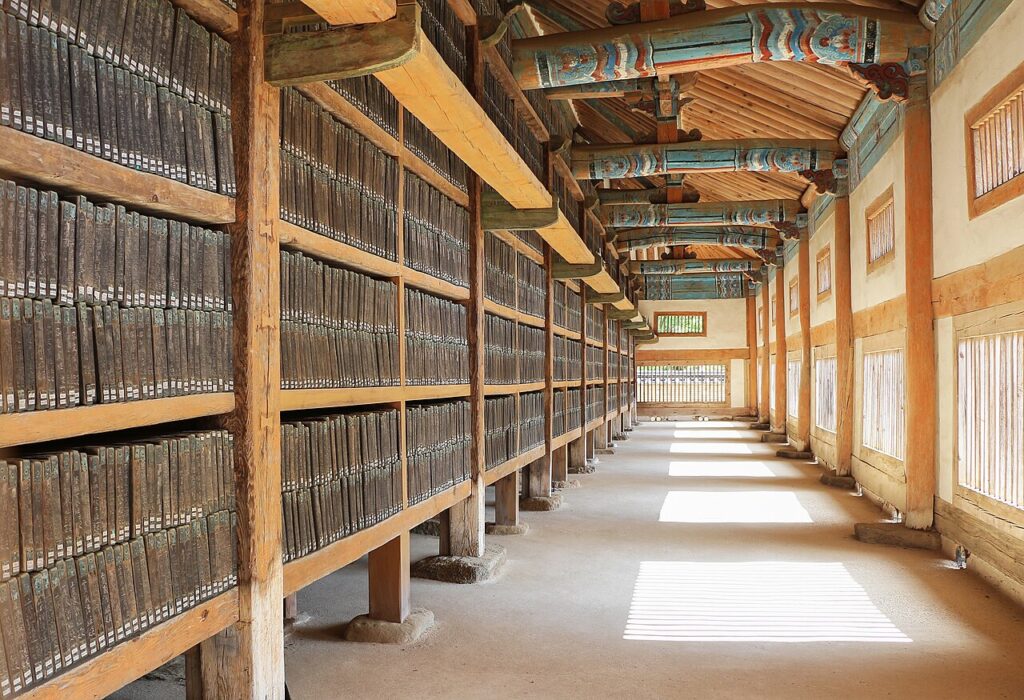
The Janggyeong Panjeon at Haeinsa Temple, UNESCO-inscribed in 1995, preserves the 13th-century repository buildings housing the Tripitaka Koreana — 81,258 woodblocks of the world’s most complete Buddhist canon, maintained for 750 years by a passive ventilation system of extraordinary sophistication — 1.5 hours from Daegu and 2 hours from the Gyeongju Silla heritage zone.

Shrines and Temples of Nikko Toshogu: Guide

Shrines and Temples of Nikko Toshogu: Guide

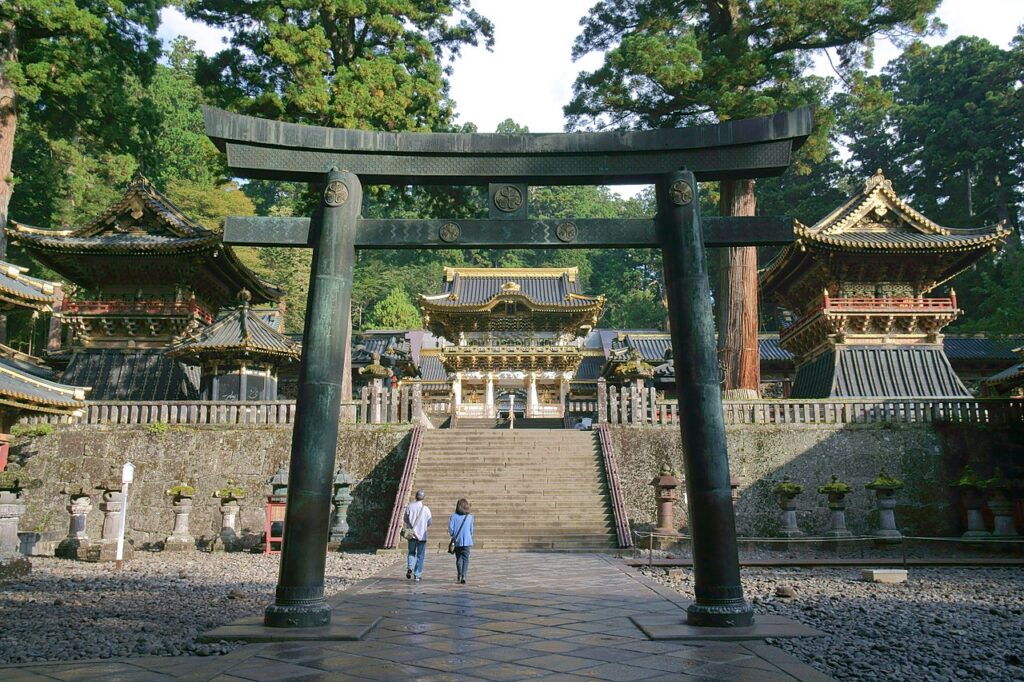
The Shrines and Temples of Nikko — 103 structures built 1617–1636 in Tochigi Prefecture — connect south to the Tomioka Silk Mill, Tokyo’s Le Corbusier museum and the Meiji Industrial Revolution sites, and north along the Tohoku Shinkansen to Hiraizumi, the Jomon Prehistoric Sites, and Shiretoko.

Horyu-ji Area Buddhist Monuments: Travel Guide

Horyu-ji Area Buddhist Monuments: Travel Guide

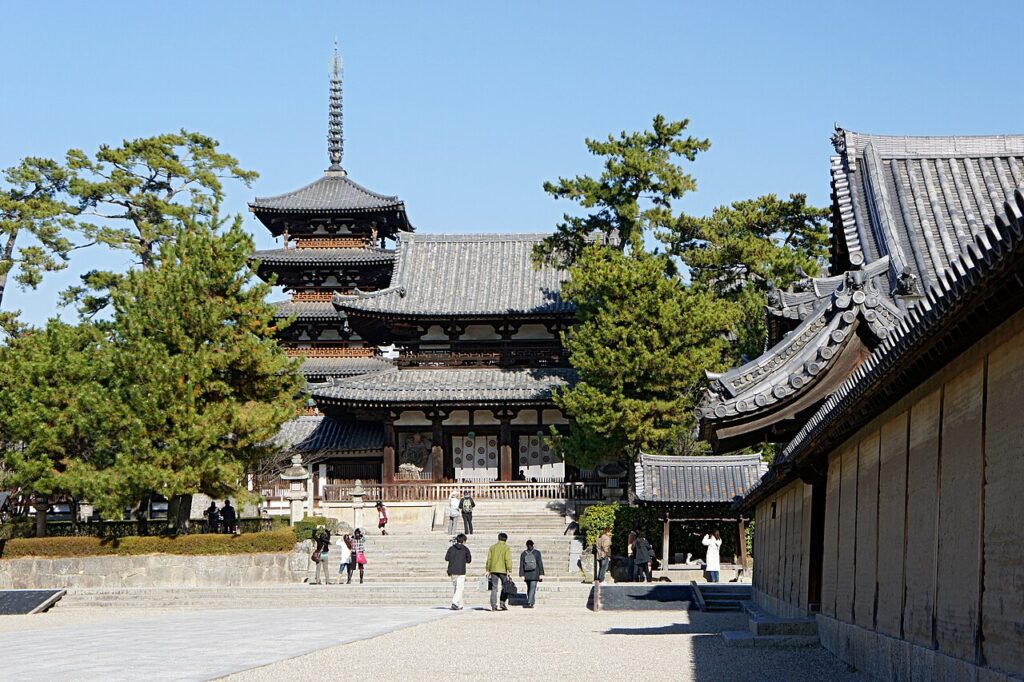
The Buddhist Monuments of Horyu-ji — the world’s oldest wooden buildings, inscribed in 1993 — anchor a Yamatoji rail corridor connecting Ancient Nara (10 km east) and the Kinki UNESCO network: Kyoto, the Kii pilgrimage mountains, Osaka’s Kofun mounds, and Himeji Castle all reachable from the same base.

Historic Monuments of Ancient Nara: Travel Guide

Historic Monuments of Ancient Nara: Travel Guide

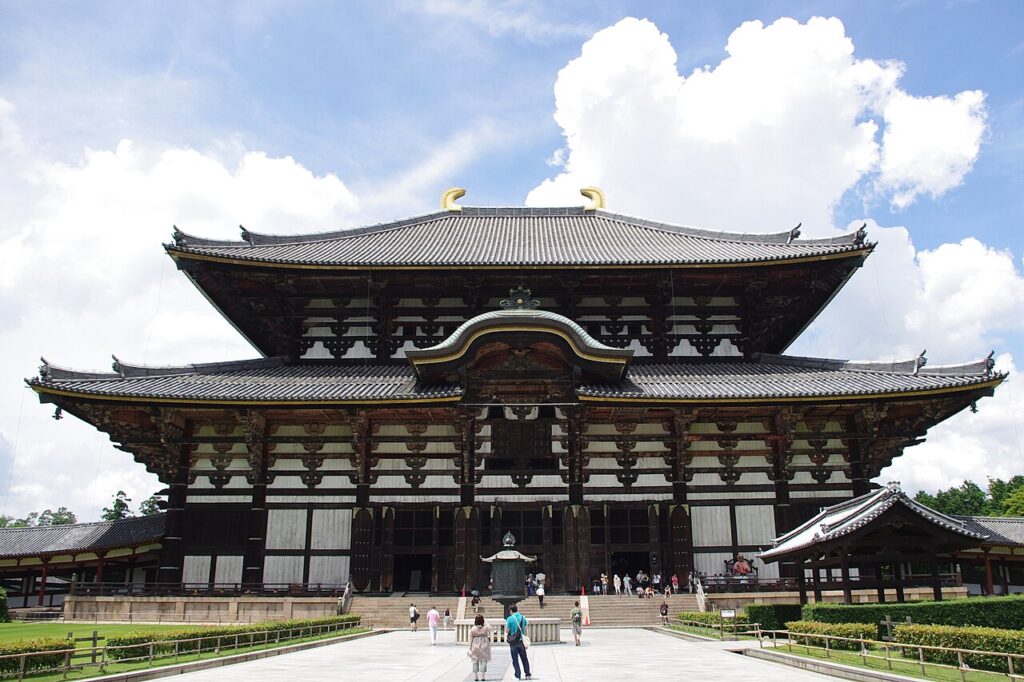
The Historic Monuments of Ancient Nara — eight properties in Japan’s first permanent capital inscribed in 1998 — anchor the Yamato UNESCO corridor: Horyu-ji’s oldest wooden buildings 10 km southwest, Ancient Kyoto 40 km north, and the Kii Mountain pilgrimage network 80 km south, all on a single JR pass.

Scroll to Top