South Sudan has no UNESCO World Heritage Sites. As the world’s youngest country (independent since 2011), it has not yet developed a formal candidacy programme. The most significant natural heritage asset near Juba is the Sudd — one of the world’s largest freshwater wetland systems, fed by the White Nile — and to the east, the Boma National Park, one of the largest wildlife reserves in Africa. From Cultural Heritage Online.
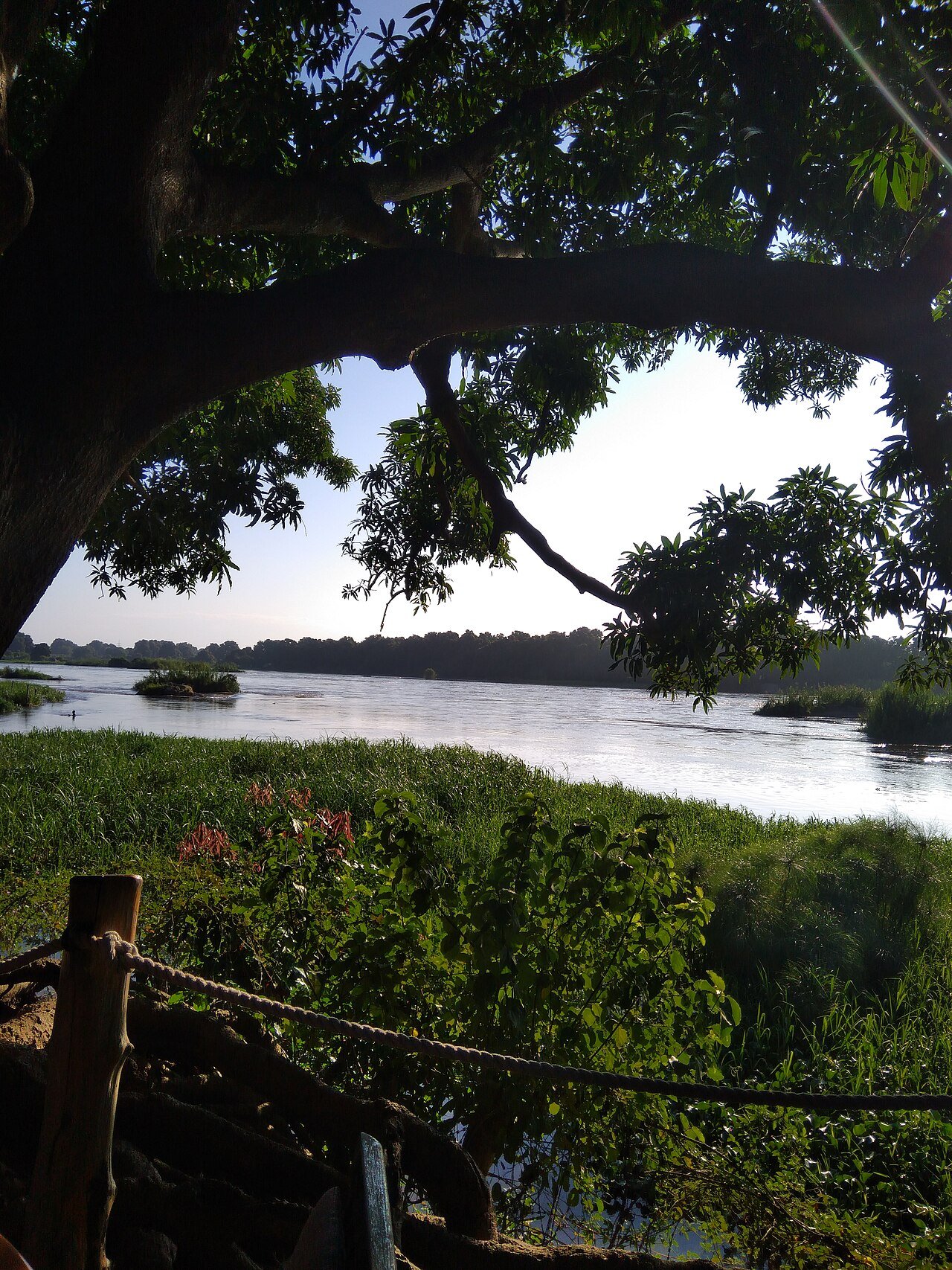
The Sudd Wetland System 200–400 km north of Juba — flooded plains along the White Nile
The Sudd is a vast inland freshwater wetland formed where the White Nile spreads across flat clay plains in central South Sudan, approximately 200–600 km north of Juba. The wetland area varies dramatically by season: in the wet season (July–October), the Sudd can expand to over 100,000 square kilometres, making it one of the largest tropical wetlands on Earth and significantly larger than the Okavango Delta (approximately 20,000 km²). In the dry season, the core permanent wetland area contracts to approximately 30,000 square kilometres.
The Sudd is designated as a Ramsar Wetland of International Importance and supports extraordinary concentrations of waterbirds — particularly the shoebill stork (Balaeniceps rex), one of the most sought-after bird species in Africa, which breeds in the permanent papyrus and Nile grass swamps. The wetland is also a major staging area and wintering ground for migratory birds from Europe and Central Asia. Nile crocodiles, hippopotamuses, and sitatunga antelope inhabit the permanent swamps.
The Sudd has historically been the subject of large-scale drainage and canal projects: the Jonglei Canal, begun in 1978 and suspended in 1983 due to the outbreak of the second Sudanese civil war, would have channelled White Nile water around the Sudd in a 360 km canal, reducing the wetland area significantly. The project has remained suspended; the question of whether to complete it is contested between South Sudan’s development needs and international conservation concerns.
Boma National Park 700 km east — charter aircraft from Juba
Boma National Park covers approximately 22,800 square kilometres in the southeastern corner of South Sudan, making it one of the largest national parks in Africa. The park is notable for harbouring one of the great terrestrial animal migrations on Earth: the White-eared kob (Kobus kob leucotis) migration, in which up to one million kob, tiang (a subspecies of topi), and Mongalla gazelle move between the Sudd floodplains and the Boma plateau with the seasonal rains. The migration was largely unknown to international conservation audiences until aerial surveys in the early 2000s revealed its scale; it may rival the Serengeti wildebeest migration in total animal numbers.
Getting there from Juba: The Sudd is reachable by road north from Juba along the White Nile (the road to Malakal passes through the wetland fringe). Boma NP is accessible only by charter aircraft. Security conditions in South Sudan are variable; current advisories should be checked. Best for: Ornithology (shoebill); wildlife migration specialists; environmental researchers.
Frequently Asked Questions
Does South Sudan have any UNESCO World Heritage Sites?
No. South Sudan, which became independent in 2011, has not yet submitted a Tentative List for UNESCO World Heritage inscription. The Sudd wetland system and Boma National Park are the most widely recognised natural heritage assets with potential for candidacy, but no formal process has been initiated. The country’s ongoing stability challenges have limited the development of heritage management and international cultural programmes.
What is the shoebill stork and why do birdwatchers seek it in the Sudd?
The shoebill (Balaeniceps rex) is a large wading bird endemic to the freshwater swamps and papyrus marshes of Central and East Africa. It has a distinctive massive grey-green bill — resembling a Dutch wooden clog, or “shoe” — that it uses to catch lungfish, catfish, frogs, and occasionally small crocodiles, waiting motionlessly for prey before lunging. The Sudd is one of the most reliable locations in Africa to see the shoebill; the species breeds in the permanent papyrus stands and Nile grass swamps north of Juba. The global population is estimated at 3,300–5,300 individuals; the Sudd may hold the largest single concentration.
What is the White-eared kob migration and how large is it?
The White-eared kob migration in and around Boma National Park involves up to one million animals — primarily White-eared kob, tiang (a topi subspecies), and Mongalla gazelle — moving seasonally between the Sudd floodplains and the Boma plateau in response to rainfall patterns. The migration was mapped by aerial surveys conducted by the Wildlife Conservation Society in 2007, which revealed a system potentially as large in total animal numbers as the Serengeti wildebeest migration. It is among the least-known of the world’s great animal migrations due to the remoteness of the area and South Sudan’s long history of armed conflict, which has severely restricted access.
What was the proposed Jonglei Canal and why was it controversial?
The Jonglei Canal was a 360 km canal project begun in 1978 by the government of Sudan, intended to channel White Nile water around the Sudd and deliver it to northern Sudan and Egypt. The project was suspended in 1983 when the Sudanese People’s Liberation Army destroyed construction equipment at the onset of the Second Sudanese Civil War. The canal would have reduced Sudd wetland area by an estimated 40–50%, with major impacts on the ecosystems, the shoebill and other wildlife, and the approximately 1 million pastoralist and agropastoralist people who depend on the Sudd floodplain. The question of completing the canal remains contested as South Sudan’s government weighs development and water-access goals against conservation and local community livelihoods.
Sources
- S1 — Collins, Robert O. The Waters of the Nile: Hydropolitics and the Jonglei Canal. Clarendon Press, 1990. ISBN 978-0-19-821784-8.
- S2 — Johnson, Douglas H. The Root Causes of Sudan's Civil Wars. Indiana University Press, 2003. ISBN 978-0-253-21584-0.
Spotted an error? Write to editorial@culturalheritageonline.com and we correct it the same day.