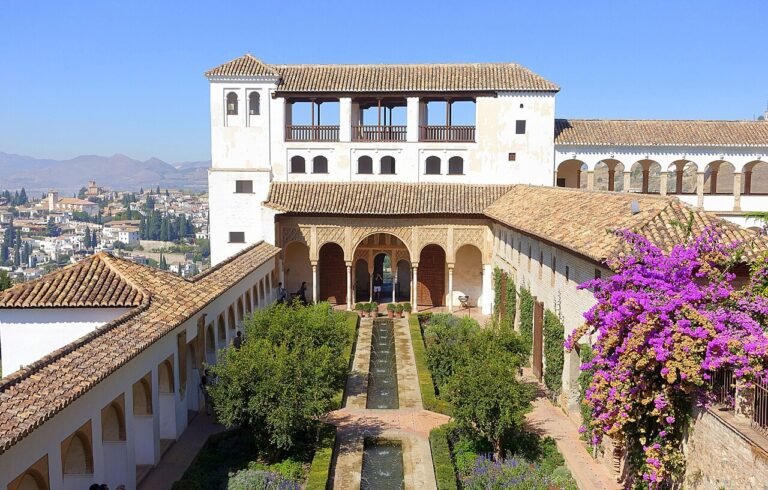
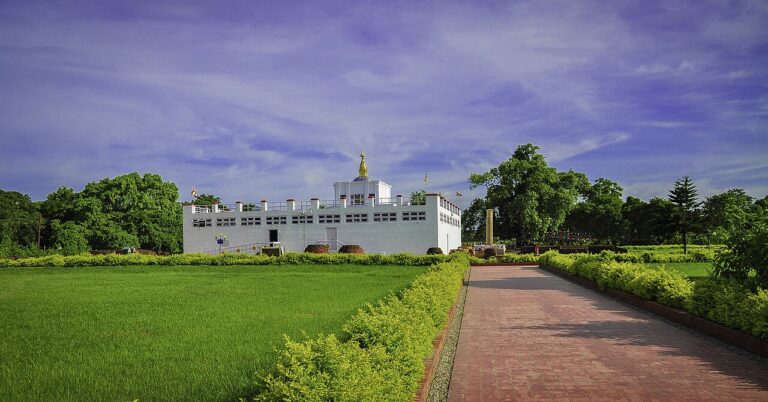
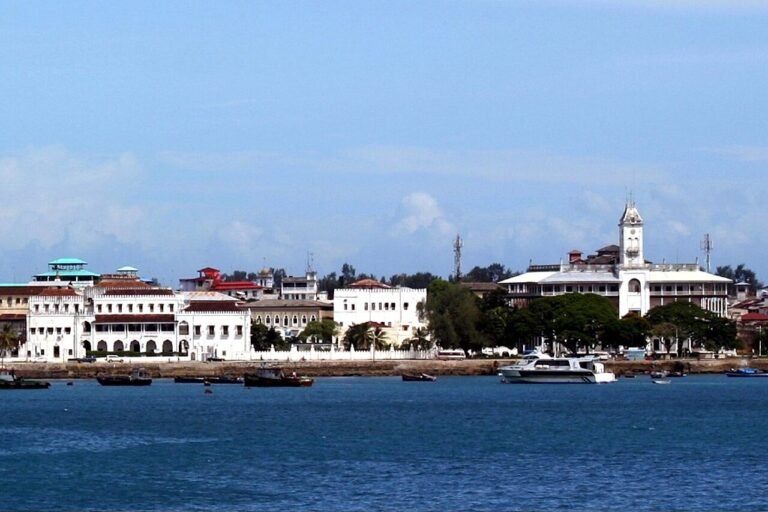
Heritage tourism is the part of travel that is organised around what a place has inherited: a building, a site, a craft, a story that belongs to a community. It is one of the largest segments of cultural travel, and the one where a single page, written well, can change who finds a place.
1. What makes tourism "heritage"
Two elements together, not one:
- an object with a history: a monument, a district, a museum collection, a landscape shaped by work;
- an interpretation: someone who explains what the object means, and why it matters beyond its shape.
A visit to a beautiful building without interpretation is sightseeing. A visit where the building is explained, placed in time, connected to the people who made it, is heritage tourism. The same building can be one or the other depending on who is telling it, and that is why the interpretation is part of the product.
2. Heritage tourism and cultural tourism
The two terms are often used as synonyms, and they are not. Cultural tourism is broader: it includes the arts, festivals, food, contemporary culture. Heritage tourism is the part that looks backward, at what has been transmitted, and at who is responsible for it now.
The distinction matters for a venue because it changes the promise. A cultural venue promises an experience; a heritage venue promises a place in a story that started before the visitor arrived.
3. Why it grows
Three reasons, and none of them is fashion.
- The trip is planned around a place, not a city: the traveller chooses the building, then the hotel.
- The information is available before the trip: a page, a map, a route, a date.
- The visit is repeatable: the same place is different in another season, with another exhibition, with a guide.
That is also why a heritage venue competes with every other place in the same region, not only with the hotel next door. And it is why the page matters before the season: the decision is taken online, weeks before the trip.
4. The risk: the place as a backdrop
Heritage tourism can consume what it celebrates. When a district becomes a stage, the people who live there are pushed out, and the interpretation becomes a script.
The responsible version is not a slogan: it is a choice about who tells the story, what is opened to visitors and what is not, and how the revenue returns to the place. A venue that documents its own history, with sources and names, is already doing part of that work. The choice is also commercial: a place that tells its story with names and dates can charge for the visit; a place that tells it as a backdrop competes on price.
5. What a venue needs
Four things, in order:
- a page that says why the building matters, with dates, sources and photographs with credits;
- a position on a map, so a traveller can see what is around;
- a route that connects the venue to the heritage within walking distance;
- a programme of dates, so the visit has a reason to happen this month.
The partner programme builds these four around a venue: 16,968 documented places and 6,341 cities (data/numeri-cho.json, measured 22/10/2026) are the archive a partner enters. A visitor who finds the place before leaving home has already chosen it.
See what the partner programme builds around a venue: /founding-partner/