Venezuela has three UNESCO World Heritage Sites — a compact list that nonetheless spans five centuries of colonial history, 20th-century modernism, and some of South America’s most dramatic wilderness. Each site rewards slow attention: a city of earth and coral, a campus that fused architecture with art at an extraordinary scale, a tepui plateau sheltering the world’s tallest waterfall. From Cultural Heritage Online.
Why Venezuela’s list looks the way it does
Three inscriptions across three decades tell a particular story about how Venezuela’s heritage has been nominated and recognised. The country’s engagement with the World Heritage Convention has been selective rather than sweeping: each of the three sites presents a distinct argument for Outstanding Universal Value, with no duplication of type or period. Two are cultural, one natural, and none carries a mixed designation.
The brevity of the list also reflects a complicated relationship between the sites and their management condition. Venezuela is one of the few countries where all cultural inscriptions have at some point attracted UNESCO scrutiny. That context matters for anyone seeking to understand what these designations mean in practice, rather than simply as honorifics.
The first inscriptions
Venezuela’s engagement with World Heritage began in 1993, when the country received its first inscription. A second followed the very next year, giving Venezuela two recognised sites within a 12-month window.
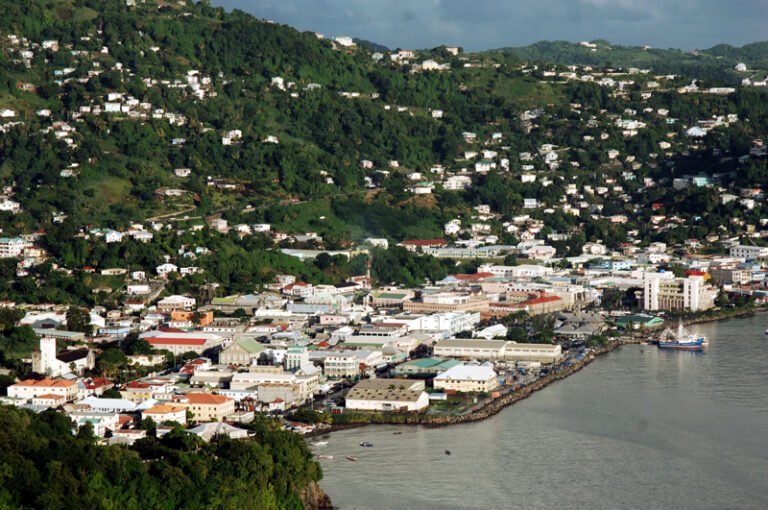
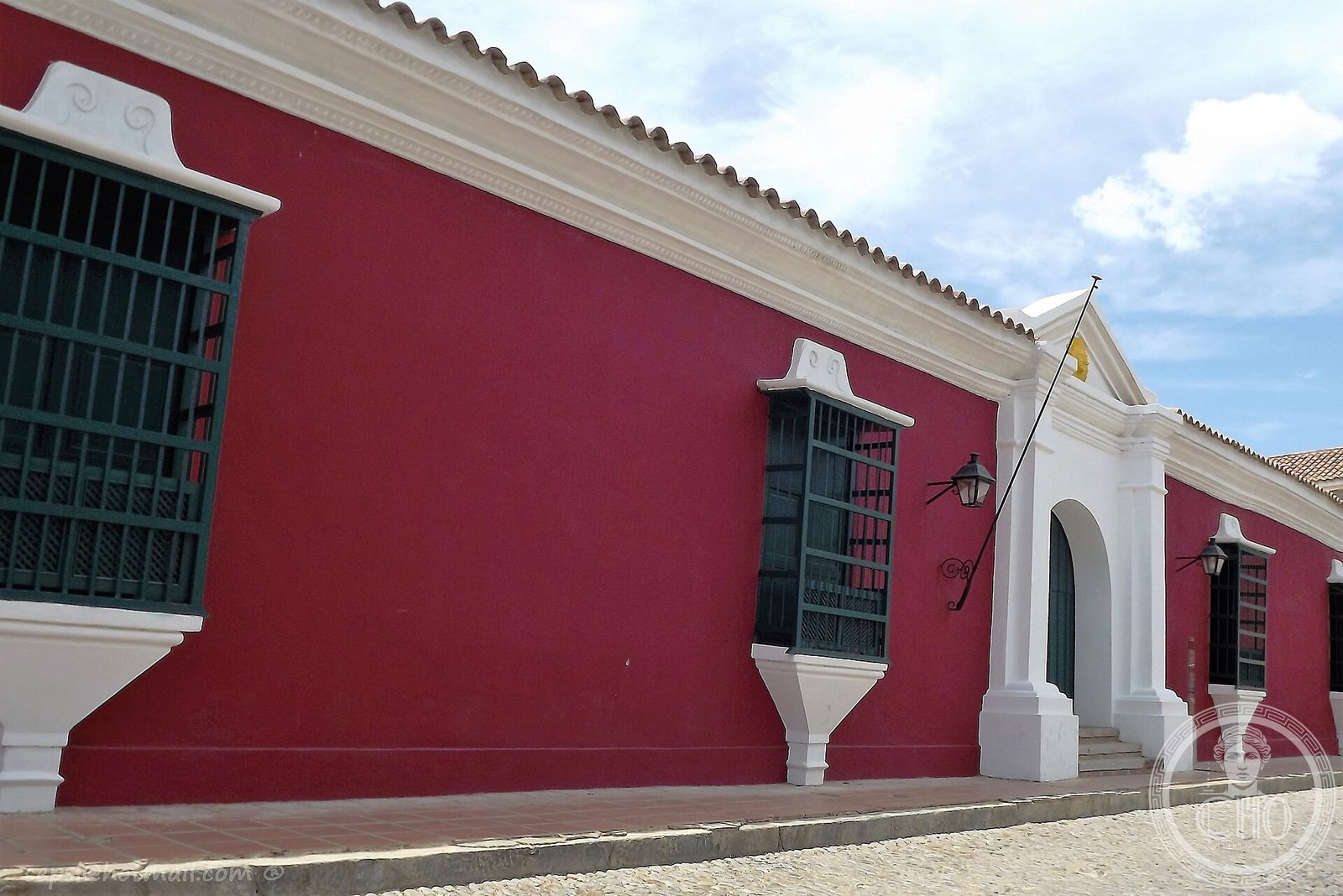
- Coro and its Port (1993) — Founded in 1527, Coro is one of the earliest surviving Spanish colonial settlements in the Americas. Its vernacular architecture blends Mudéjar techniques with Dutch Caribbean influences brought through the nearby port of La Vela, producing an urban fabric unlike any other in South America.
- Canaima National Park (1994) — A vast wilderness in southeastern Venezuela covering nearly three million hectares, dominated by ancient sandstone tepuis that rise abruptly from forested savannah. Angel Falls, the world’s tallest uninterrupted waterfall at roughly 1,000 metres, lies within its boundaries.
The most visited — and the alternatives
Canaima and its centrepiece waterfall draw the most international visitors of Venezuela’s three sites, partly because Angel Falls has acquired a near-mythological status in adventure travel. The national park is accessible mainly by light aircraft and river, which filters visitor numbers and preserves the sense of remoteness that makes the tepui landscape so striking. The park’s Pemon indigenous communities have long maintained a relationship with the land that predates the colonial period by millennia.
Less frequently discussed are the other two sites. Coro, despite its first-inscription status, has been listed as a World Heritage Site in Danger since 2005, following storm damage and encroaching construction that threatened its historic core. The designation has brought both attention and difficult questions about the pace of conservation. Ciudad Universitaria de Caracas, inscribed in 2000, is the work of architect Carlos Raúl Villanueva, who designed the campus between 1940 and 1960 as an integrated work of art. Its Aula Magna auditorium contains acoustic ceiling sculptures by Alexander Calder, making it one of the rare university buildings anywhere to unite modernist architecture and fine art at that level of ambition.
Natural and shared sites
Canaima National Park is Venezuela’s sole natural inscription, and it is a substantial one. The tepui formations — flat-topped mountains with sheer vertical escarpments — are among the oldest geological structures on Earth, dating to the Precambrian era. Their isolation has produced a high degree of biological endemism: plant and animal species found nowhere else. The park’s size and terrain have also meant that full scientific inventory of its biodiversity remains an ongoing project.
Venezuela does not currently participate in any transnational or serial World Heritage inscriptions, and its three sites are each discrete nominations. This stands in contrast to some neighbouring countries that have pursued shared nominations across Amazonian or Andean corridors. Whether Venezuela’s relatively contained list expands in coming decades will depend partly on political and institutional stability, and partly on how existing at-risk sites are managed.
How to find them
All three of Venezuela’s World Heritage Sites are geographically spread across the country: Coro on the Caribbean coast in Falcón state, Canaima in the Gran Sabana region of Bolívar state near the Brazilian border, and the Ciudad Universitaria in the capital Caracas. Each requires a different logistical approach — urban exploration, coastal travel, and remote wilderness access — which means they are rarely visited together in a single itinerary.
Venezuela’s World Heritage sites sit alongside thousands of other places on CHO’s interactive map, with GPS and sourced editorial history for each. See also our guides to Italy’s and France’s UNESCO sites, and our piece on cultural travel beyond mass tourism.
Frequently Asked Questions
How many UNESCO World Heritage Sites does Venezuela have?
Venezuela has three UNESCO World Heritage Sites as of 2026. Two are cultural — Coro and its Port, and Ciudad Universitaria de Caracas — and one is natural: Canaima National Park. The country’s list has remained at three since 2000, when the Caracas campus received its inscription.
What was Venezuela’s first UNESCO World Heritage Site?
Coro and its Port was Venezuela’s first UNESCO World Heritage Site, inscribed in 1993. Founded by Spanish colonists in 1527, the city retains an exceptional ensemble of vernacular colonial architecture combining Mudéjar and Dutch Caribbean influences, unlike anywhere else in the Americas.
Is any Venezuelan UNESCO site currently listed as in danger?
Yes. Coro and its Port has been on the UNESCO List of World Heritage in Danger since 2005. Storm damage and pressure from nearby construction threatened the integrity of its historic urban fabric, prompting UNESCO to call for strengthened conservation measures and management plans.
What makes Canaima National Park significant beyond Angel Falls?
While Angel Falls — the world’s tallest uninterrupted waterfall at approximately 1,000 metres — is Canaima’s best-known feature, the park’s deeper significance lies in its tepui formations. These ancient flat-topped sandstone plateaus, among Earth’s oldest geological structures, harbour highly endemic flora and fauna found nowhere else on the planet.
Sources used in this article
- UNESCO — State Party Venezuela — World Heritage list.
- UNESCO — Venezuela: World Heritage Sites.
- CHO magazine — What is a World Heritage Site?
- CHO — Interactive map of heritage sites.
Sources
- S1 — Ewell, Judith. Venezuela: A Century of Change. Stanford University Press, 1984. ISBN 978-0-8047-1213-2.
- S2 — Berry, Paul E., et al., eds. Flora of the Venezuelan Guayana. Missouri Botanical Garden Press, 1995. ISBN 978-0-915279-34-0.
Spotted an error? Write to editorial@culturalheritageonline.com and we correct it the same day.