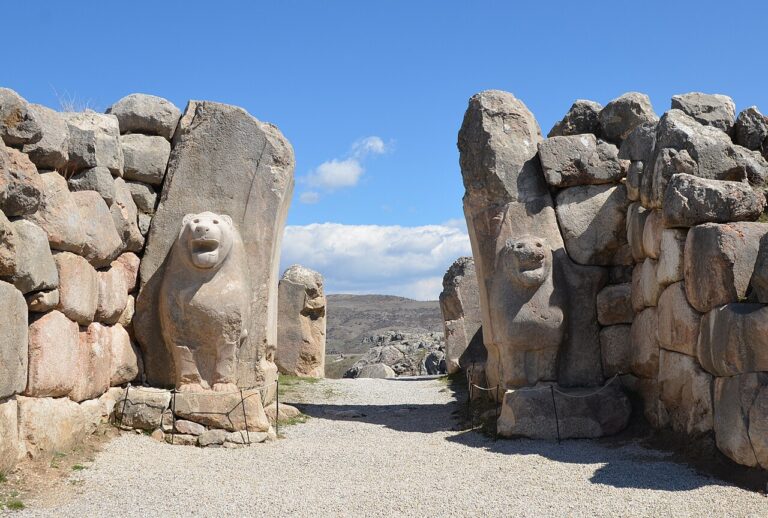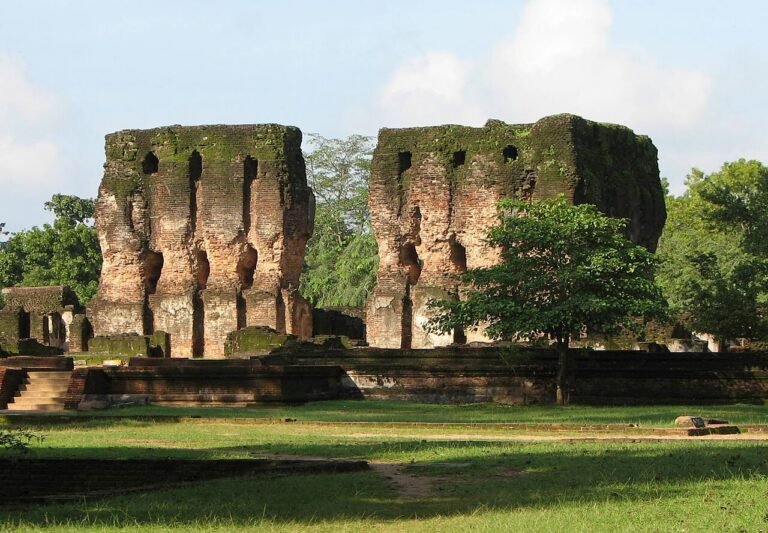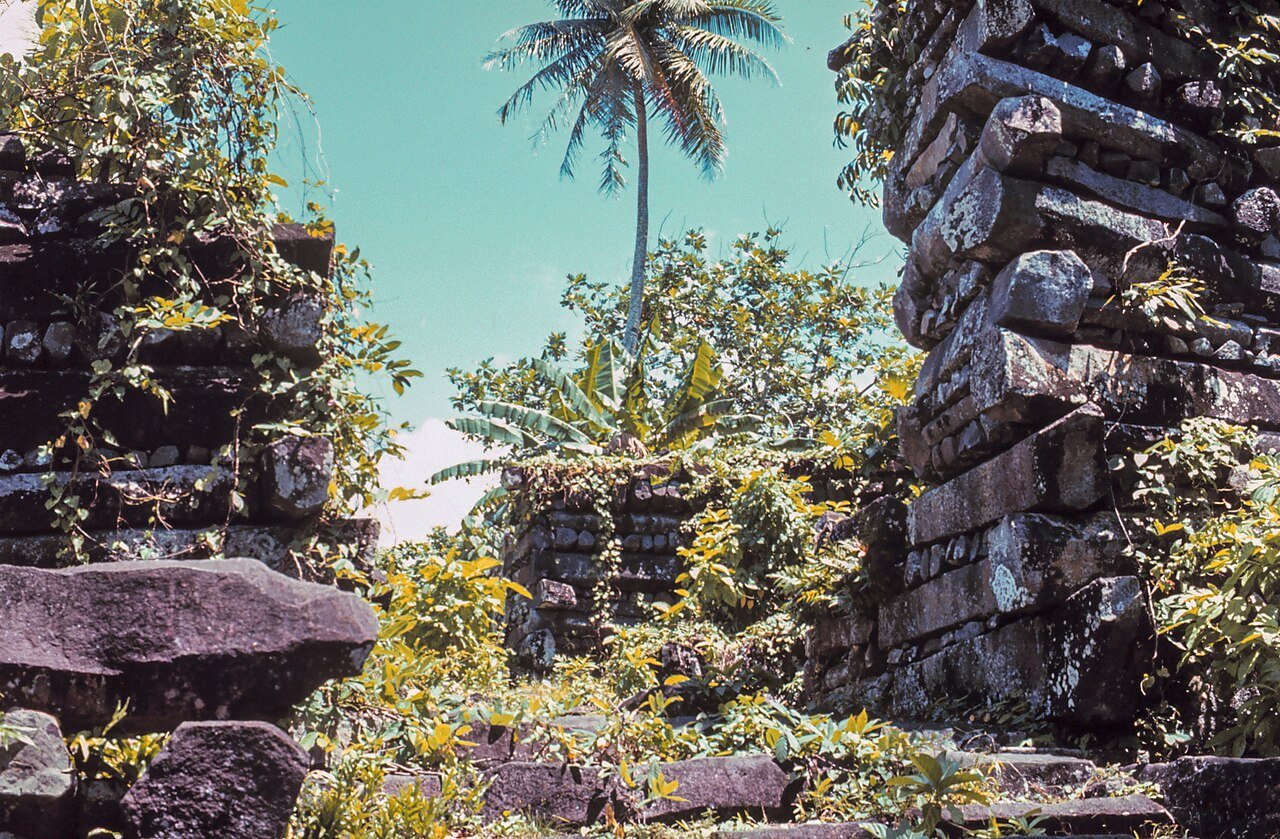
The Federated States of Micronesia has one UNESCO World Heritage Site — a single inscription that stands as one of the most architecturally extraordinary places in the entire Pacific. Nan Madol, a complex of more than one hundred artificial islets rising from a lagoon off the south-eastern coast of Pohnpei, represents a civilisation that built an island city in open water without metal tools or wheeled transport, long before European contact. From Cultural Heritage Online.
Why the Federated States of Micronesia’s list looks the way it does
The FSM ratified the UNESCO World Heritage Convention on 22 July 2002, relatively late by global standards. With a land area of just over 700 square kilometres spread across more than 600 islands in the western Pacific, the country’s natural environments — while ecologically significant — have not yet been put forward for inscription by the national authorities. The resulting list of one cultural site is not a reflection of a country short on heritage: it reflects a young signatory state with limited administrative resources and a recognition that careful, well-documented nominations take years to prepare.
The FSM’s tentative list already signals where future nominations may come from. Yap State submitted the Yapese Disk Money Regional Sites in 2004, a nomination built around the extraordinary tradition of large carved limestone discs that function as social currency and still circulate today across Yapese communities. Whether that nomination advances to formal inscription will depend on the documentation and management plans the state is able to assemble.
The first inscriptions
The FSM has a single UNESCO World Heritage Site, inscribed in 2016:
- Nan Madol: Ceremonial Centre of Eastern Micronesia (2016) — cultural inscription, currently on the List of World Heritage in Danger
Nan Madol was inscribed under four cultural criteria: as a masterpiece of human creative genius, as a site demonstrating important cultural interchange, as an outstanding example of a type of building ensemble, and as a site directly associated with living traditions and beliefs of outstanding universal significance. The “in danger” designation, added at the same session as the inscription, acknowledged immediate threats from siltation and the encroachment of mangrove vegetation that was undermining the basalt foundations of the structures.
The most visited — and the alternatives
With only one inscribed site, the question of alternatives takes a different form here. Nan Madol itself is not a single monument but an archipelago of ruins: more than one hundred islets linked by a network of tidal canals, the whole complex stretching roughly 1.5 kilometres by 0.5 kilometres along the Pohnpei coastline. The most-visited section is Nandauwas, the royal mortuary precinct, where walls of stacked basalt columns reach up to seven metres in height and enclose a central tomb of the Saudeleur dynasty. The scale is genuinely disorienting when approached by canoe.
For travellers wanting to understand Nan Madol’s context rather than simply photograph its walls, the interior of Pohnpei island offers complementary sites that are not UNESCO-listed but are historically connected: the Kepirohi Waterfall area, the traditional nahs (community meeting houses) still active in local use, and the Pohnpei State Museum in Kolonia, which holds artefacts and documentation relating to the Saudeleur period. The Yapese stone money quarries on Palau, visible across the wider Micronesian region, give a sense of how monumental construction operated across these island cultures without requiring travel to a second inscribed country.
Natural and shared sites
The FSM currently has no inscribed natural or mixed UNESCO World Heritage Sites. The country’s marine environments are among the richest in the Indo-Pacific — Pohnpei’s fringing reefs, the atoll ecosystems of Chuuk Lagoon (known internationally for its concentration of Second World War shipwrecks), and the raised limestone forests of Kosrae have all attracted conservation attention — but none has been formally nominated. Chuuk Lagoon in particular has been discussed in heritage and diving circles for decades as a potential cultural landscape inscription, given the density of wartime vessels and the human history embedded in them, but no nomination has been submitted to date.
The FSM is not part of any active transnational or serial World Heritage nomination. Regionally, discussions have periodically explored Pacific-wide serial nominations for traditional navigation knowledge or for reef systems, but nothing involving FSM sites has reached the nomination stage.
How to find them
Nan Madol is reached by boat from the town of Kolonia on Pohnpei, the FSM’s main island and the location of the country’s principal international airport. The crossing takes roughly twenty to thirty minutes depending on departure point and tide. Entry to the site is managed by the Pohnpei Historic Preservation Office, and a permit fee applies. Tidal conditions affect access to inner canals, so coordinating with a local guide is strongly recommended.
the Federated States of Micronesia’s World Heritage sites sit alongside thousands of other places on CHO’s interactive map, with GPS and sourced editorial history for each. See also our guides to Italy’s and France’s UNESCO sites, and our piece on cultural travel beyond mass tourism.
Frequently Asked Questions
How many UNESCO World Heritage Sites does the Federated States of Micronesia have?
The Federated States of Micronesia has one UNESCO World Heritage Site, as of 2023. That site is Nan Madol: Ceremonial Centre of Eastern Micronesia, inscribed in 2016 and currently listed as a World Heritage Site in Danger due to threats from siltation and mangrove encroachment.
What was the Federated States of Micronesia’s first UNESCO World Heritage Site?
Nan Madol: Ceremonial Centre of Eastern Micronesia was the country’s first and, to date, only UNESCO inscription, designated in 2016. The FSM joined the World Heritage Convention in 2002, making the 2016 inscription the culmination of over a decade of nomination work by national and state heritage authorities.
Is Nan Madol really in danger, and why?
Nan Madol was placed on the List of World Heritage in Danger at the same session it was inscribed in 2016. The primary threats are the accumulation of silt in the tidal canals — which alters water flow and undermines structural stability — and the spread of mangrove vegetation whose root systems damage the basalt column foundations of the islets.
What is on the Federated States of Micronesia’s UNESCO tentative list?
Yap State submitted the Yapese Disk Money Regional Sites to the FSM’s tentative list in 2004. The nomination covers the tradition of large carved limestone discs, known as rai, which function as a form of social currency still in active use across Yapese communities today.
Sources used in this article
- UNESCO — State Party the Federated States of Micronesia — World Heritage list.
- UNESCO — the Federated States of Micronesia: World Heritage Sites.
- CHO magazine — What is a World Heritage Site?
- CHO — Interactive map of heritage sites.
Sources
- S1 — Hanlon, David. Upon a Stone Altar: A History of the Island of Pohnpei to 1890. University of Hawaii Press, 1988. ISBN 978-0-8248-1124-2.
- S2 — Rainbird, Paul. The Archaeology of Micronesia. Cambridge University Press, 2004. ISBN 978-0-521-65188-2.
Spotted an error? Write to editorial@culturalheritageonline.com and we correct it the same day.