Laos has four UNESCO World Heritage Sites — three cultural and one natural — spanning Iron Age megaliths, Khmer Hindu sanctuaries, a royal Buddhist capital, and a vast limestone karst shared with Vietnam. Small in number yet extraordinary in range, they trace a civilisation corridor that runs the length of the Mekong basin and into the forested highlands of Indochina. From Cultural Heritage Online.
Why Laos’s list looks the way it does
With just four inscriptions, Laos ranks among the smaller World Heritage lists in Southeast Asia, but the concentration of significance per site is high. The country’s geography — a landlocked arc of river valleys and karst mountains — concentrated its pre-modern cultures along navigable water routes, which is why the inscribed sites cluster around the Mekong corridor and the Annamite Range rather than spreading evenly across the territory.
The list also reflects Laos’s complex layering of cultures: Khmer influence from the south, Lao-Theravada Buddhist traditions from the medieval kingdoms, and older megalithic cultures whose origins remain only partially understood. The 2025 natural inscription brought the country its first transnational property, acknowledging that the forested highlands straddle political borders rather than respect them.
The first inscriptions
Laos entered the World Heritage list in 1995 with a single site that immediately became the country’s best-known heritage destination. Two further cultural designations followed in 2001 and 2019, before the natural site arrived in 2025. The full list of inscribed sites is:
- Town of Luang Prabang — 1995 (cultural)
- Vat Phou and Associated Ancient Settlements within the Champasak Cultural Landscape — 2001 (cultural)
- Megalithic Jar Sites in Xiengkhuang — Plain of Jars — 2019 (cultural)
- Hin Nam No National Park — 2025 (natural, transnational with Vietnam)
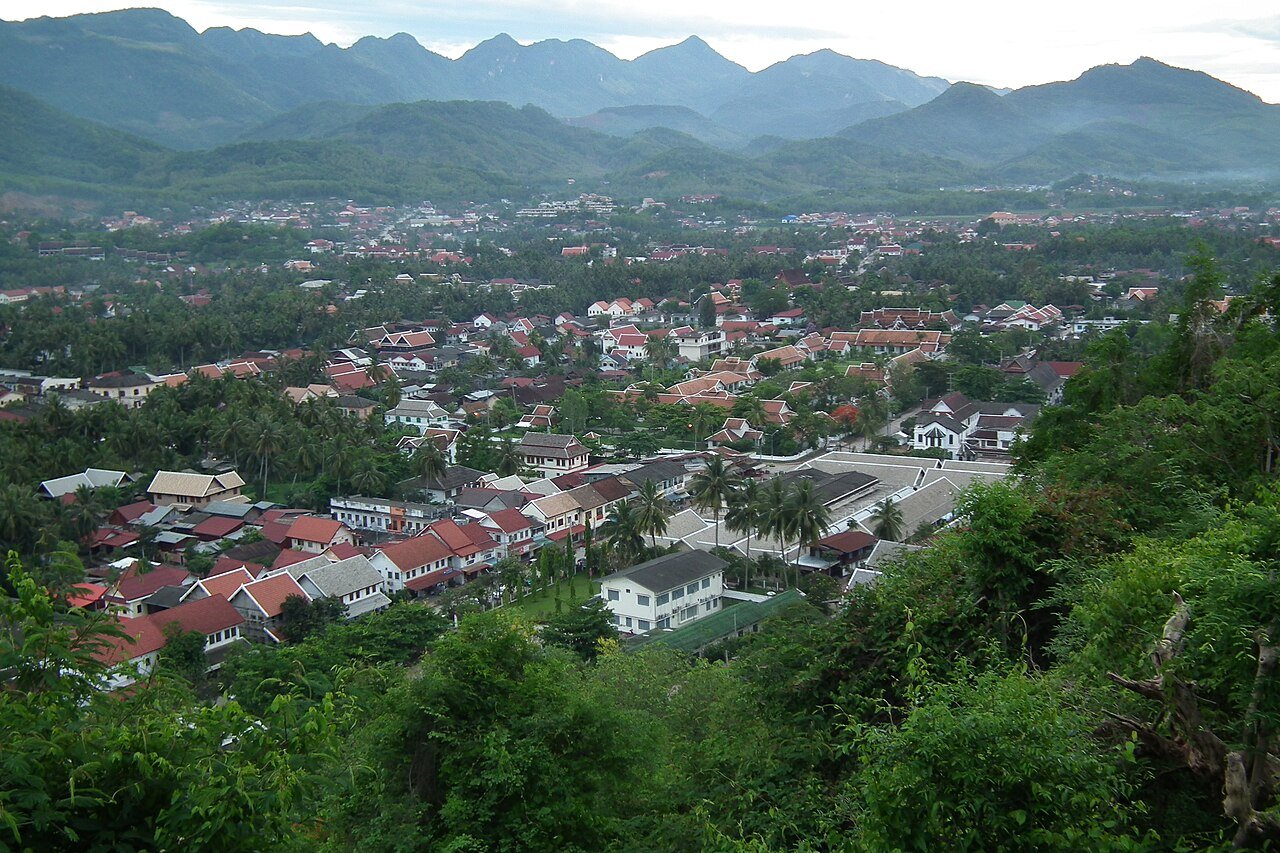
The 1995 inscription of Luang Prabang was also the moment Laos joined the global heritage conversation following decades of relative international isolation. UNESCO recognised the town as an exceptional blend of Lao urban architecture and European colonial structures, preserved within a landscape of forested hills and the confluence of the Mekong and Nam Khan rivers.
The most visited — and the alternatives
Luang Prabang draws the majority of heritage visitors to Laos. The town’s thirty-three Buddhist temples, royal palace compound, and daily alms-giving ceremonies along Sakkaline Road make it one of the most coherent surviving examples of a Lao royal capital. Tourism infrastructure here is well developed, which concentrates visitors and can obscure how much of the inscribed zone extends into quiet riverbank villages away from the central temple quarter.
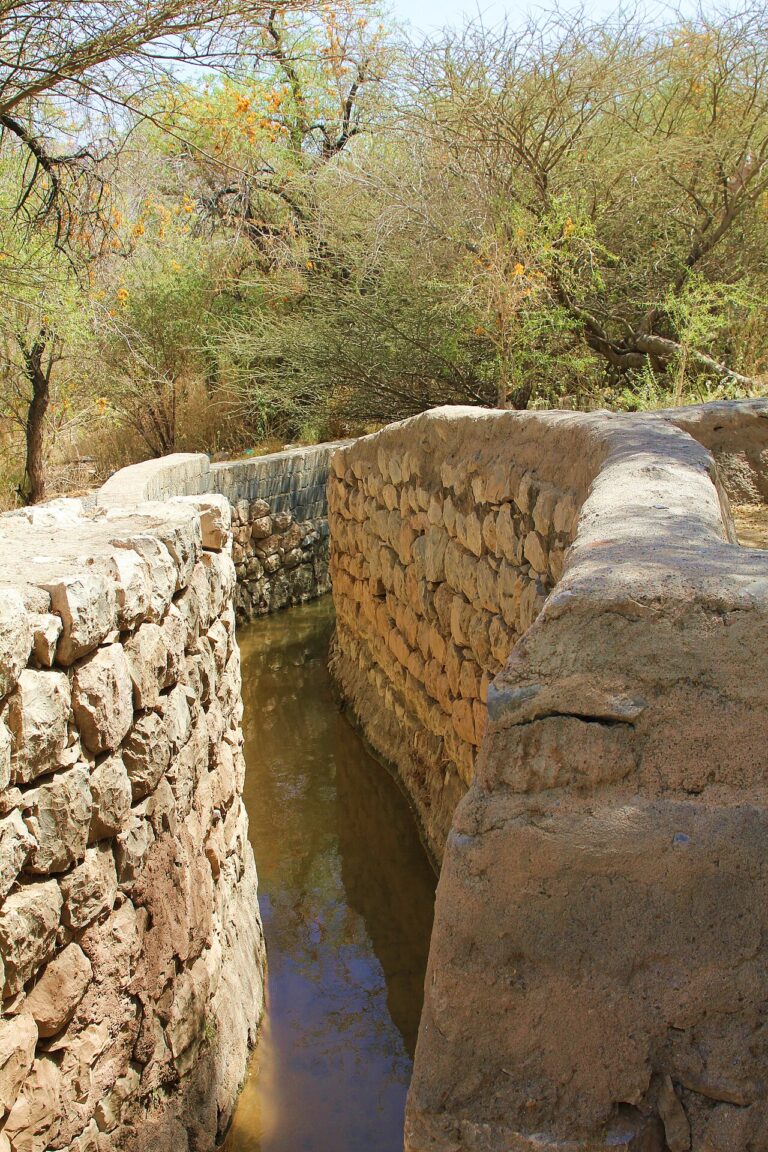
The other cultural sites offer very different encounters. Vat Phou, in the south near Champasak, is a Khmer-era Hindu temple complex built between the fifth and fifteenth centuries, set against a sacred mountain that was venerated long before Angkor reached its height — its water management infrastructure and processional avenues survive as one of mainland Southeast Asia’s most complete pre-Angkorian landscapes. The Plain of Jars in Xiengkhuang province contains more than two thousand tubular stone jars, some over two metres tall, left by an Iron Age culture whose funerary practices remain the subject of ongoing archaeological investigation; the site was inscribed only in 2019, partly because decades of unexploded ordnance from mid-twentieth-century bombing campaigns had to be cleared before fieldwork and visitor access became feasible.
Natural and shared sites
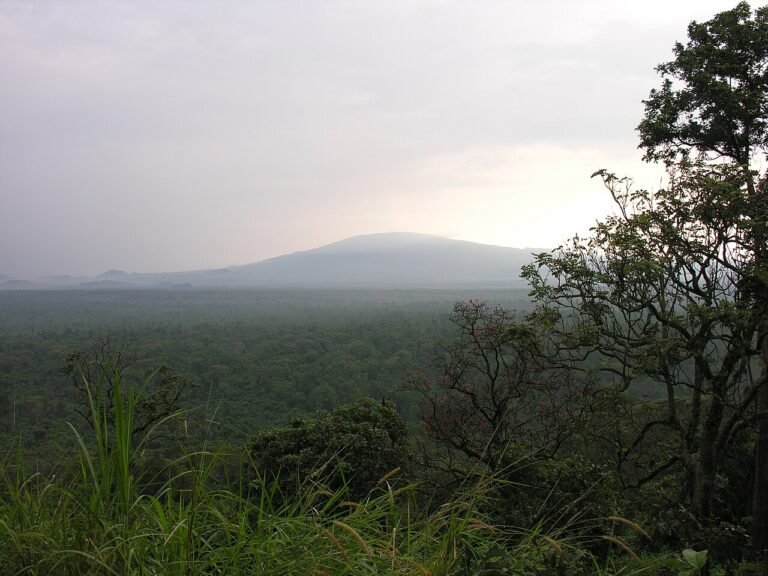
Hin Nam No National Park, inscribed in 2025, is Laos’s sole natural World Heritage Site and its first transnational inscription, designated jointly with Vietnam’s Phong Nha–Kẻ Bàng National Park across the border. The property covers a dramatic karst limestone landscape in Khammouane Province, with cave systems, forested gorges, and rivers that disappear underground before resurfacing kilometres away. It is home to several endangered primate species, including the southern white-cheeked gibbon, and represents one of the largest blocks of intact limestone forest remaining in Indochina.
The transnational designation reflects a broader trend in UNESCO nominations: ecosystems and cultural corridors that pre-date modern borders are increasingly recognised as single heritage units. For visitors, Hin Nam No is considerably less accessible than Luang Prabang, which makes it one of the least-visited World Heritage properties in the region — and one of the most ecologically intact.
How to find them
The four sites span a country roughly the size of the United Kingdom, without an extensive road or rail network connecting them. Luang Prabang is the most accessible, served by an international airport and, since 2021, by the Laos–China Railway. Vat Phou requires travel south to Pakse and then onward by road to Champasak. The Plain of Jars involves a flight or overland journey to Phonsavan in Xiengkhuang province, where several of the jar clusters are within easy reach of the town. Hin Nam No is reached from Thakhek and requires advance planning, as access routes into the national park are limited and guided entry is standard.
Laos’s World Heritage sites sit alongside thousands of other places on CHO’s interactive map, with GPS and sourced editorial history for each. See also our guides to Italy’s and France’s UNESCO sites, and our piece on cultural travel beyond mass tourism.
Frequently Asked Questions
How many UNESCO World Heritage Sites does Laos have?
As of 2025, Laos has four UNESCO World Heritage Sites: three cultural and one natural. The natural site — Hin Nam No National Park — was the most recently inscribed, receiving its designation in 2025 as a transnational property shared with Vietnam.
What was Laos’s first UNESCO World Heritage Site?
The Town of Luang Prabang was Laos’s first UNESCO World Heritage Site, inscribed in 1995. UNESCO recognised it as an outstanding example of the fusion of traditional Lao urban architecture with European colonial structures, set within a landscape defined by the Mekong River and surrounding forested hills.
What is the Plain of Jars and why was it inscribed so recently?
The Plain of Jars is a megalithic landscape in Xiengkhuang province containing more than two thousand large stone jars believed to have been used in Iron Age funerary practices. It was inscribed only in 2019 because extensive unexploded ordnance from mid-twentieth-century aerial bombardment required systematic clearance before safe archaeological investigation and visitor access were possible.
Does Laos have any transnational UNESCO World Heritage Sites?
Yes. Hin Nam No National Park, inscribed in 2025, is a transnational natural site designated jointly with Vietnam’s Phong Nha–Kẻ Bàng National Park. The two properties together protect one of the largest contiguous areas of intact karst limestone forest in Indochina, home to endangered primates and extensive cave systems.
Sources used in this article
- UNESCO — State Party Laos — World Heritage list.
- UNESCO — Laos: World Heritage Sites.
- CHO magazine — What is a World Heritage Site?
- CHO — Interactive map of heritage sites.
Sources
- S1 — Stuart-Fox, Martin. A History of Laos. Cambridge University Press, 1997. ISBN 978-0-521-59746-3.
- S2 — Freeman, Michael. A Guide to Khmer Temples in Thailand and Laos. Weatherhill, 1998. ISBN 978-0-8348-0450-0.
Spotted an error? Write to editorial@culturalheritageonline.com and we correct it the same day.