

Advertising Poster by Mario Gros, 1938
An advertising poster designed by Mario Gros in 1938. Gros was a Turin-born graphic designer and painter who built a career as a leading Italian poster artist for cinema and commercial enterprises.

Stefano Vigolo photographs and documents Italian architecture of the interwar decades — the years known in Italy as the Ventennio — from Rationalism and Art Déco to the buildings that fall between the guidebooks. He is a researcher of the period.
Contributions: 516 articles · 106 heritage places · 7 events · 12 itineraries · 89 photographs
Published on beniculturalionline.it, the Italian archive of this publication, online since 1998. They are being brought into Cultural Heritage Online.
An advertising poster designed by Mario Gros in 1938. Gros was a Turin-born graphic designer and painter who built a career as a leading Italian poster artist for cinema and commercial enterprises.
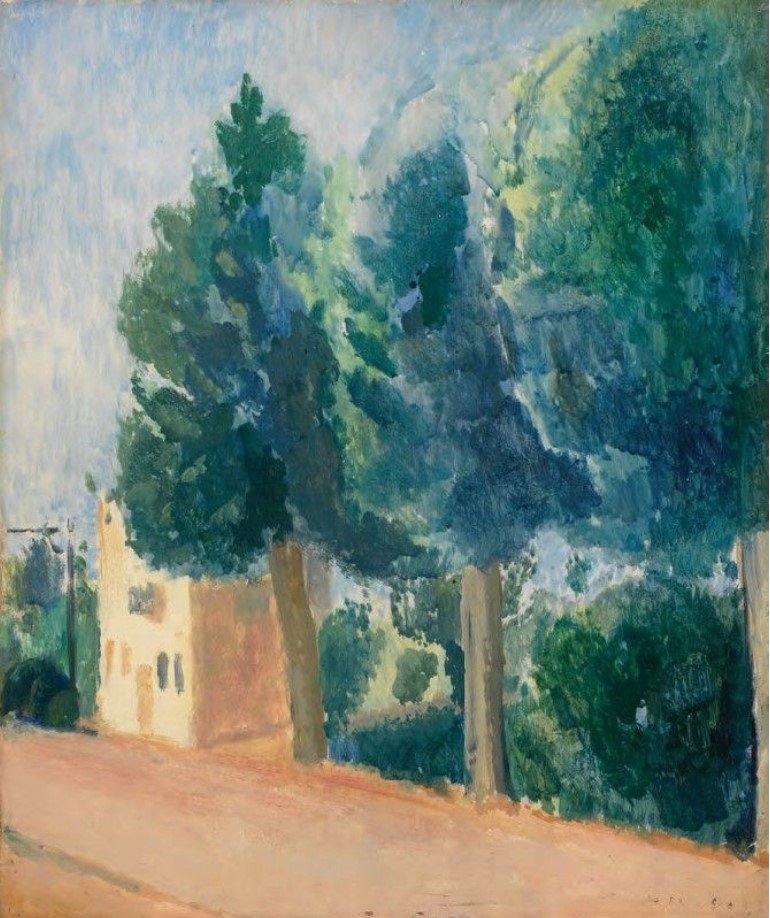
A Venetian landscape by Roman painter Virgilio Guidi from 1927, exemplifying his post-war approach to modern subject matter rendered in tonality inspired by the Venetian masters.
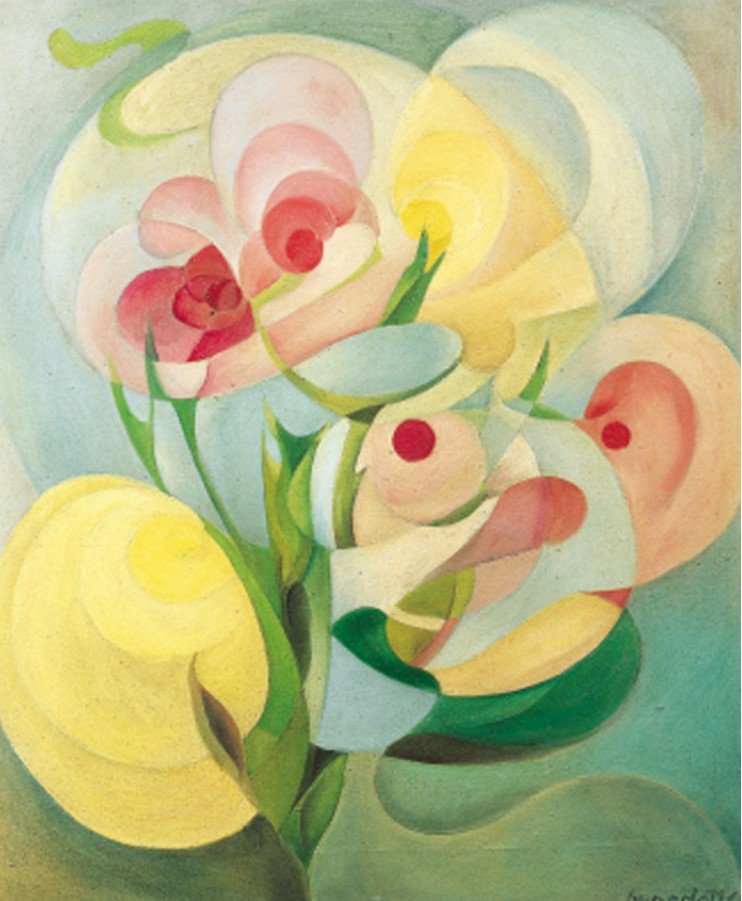
Esplosione della primavera is a 1941 painting by Italian Futurist artist Enzo Benedetto. The work exemplifies Benedetto’s synthesis of color and word, a practice he termed cromo-paro-libera.

An advertising poster created by Italian painter and illustrator Sante Cancian in 1936. Cancian was a Treviso-based artist known for his work in visual media and graphic design.

An advertising poster by Italian illustrator and graphic designer Luigi Martinati, active in Rome from the early twentieth century through mid-century.
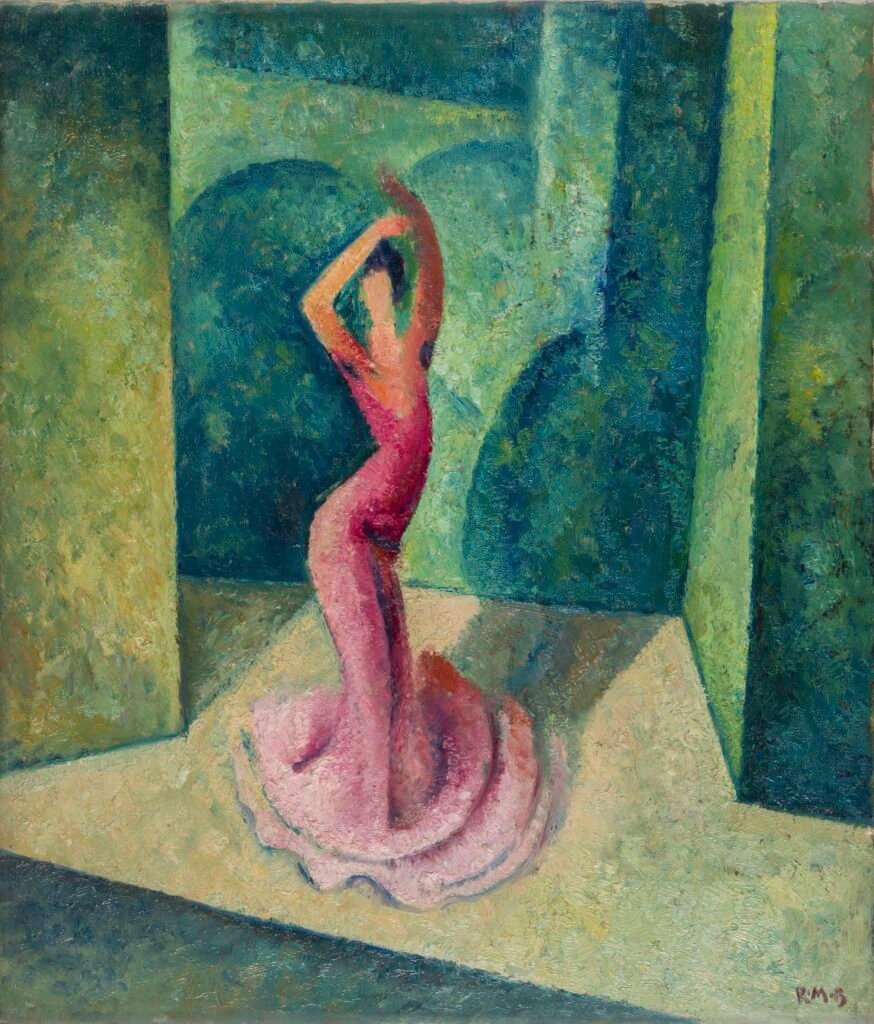
Roberto Iras Baldessari’s Ballerina spagnola, painted in 1922, reflects the artist’s experimental phase during his European sojourns in the early interwar years.
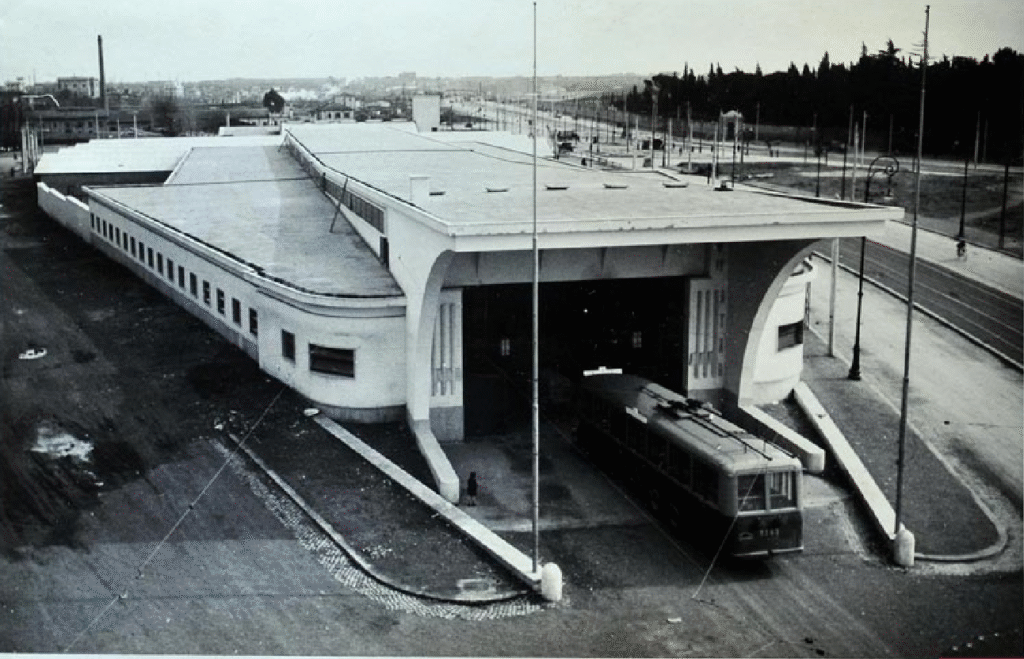
A trolleybus depot designed by Roman architect Mario Loreti in 1937 for Rome’s municipal transport authority. The building exemplifies the functional modernism of Italy’s interwar period.

An advertising poster for La Rinascente department store, designed by Marcello Dudovich in 1931. The work exemplifies the elegant commercial art of interwar Italian poster design.

An advertising poster for Linee Aeree, created by Italian painter Giuseppe Riccobaldi Del Bava in 1934. The work exemplifies the designer’s noted expertise in travel and marketing poster design.

A composition painted by Italian artist Filiberto Sbardella in 1943, during the final years of the Fascist period. Sbardella was a versatile painter, muralist, mosaicist and architect active across Italy’s interwar artistic movements.