
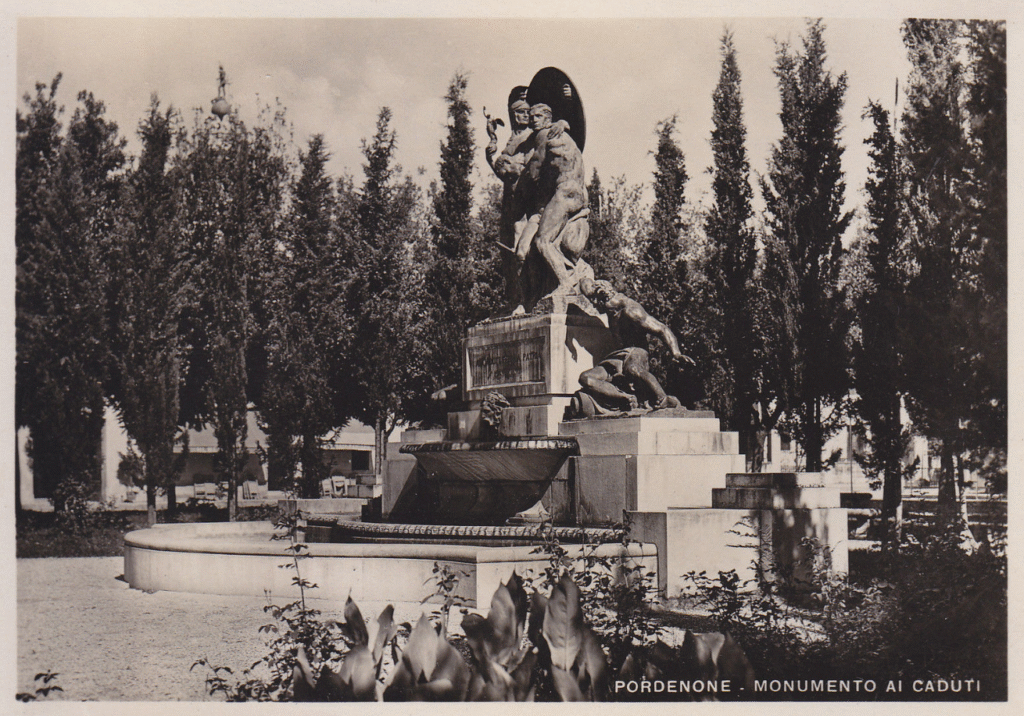
War Memorial in Pordenone by Aurelio Mistruzzi, 1929
A monumental sculpture dedicated to fallen soldiers, created by Italian sculptor Aurelio Mistruzzi and installed in Pordenone in 1929.

Stefano Vigolo photographs and documents Italian architecture of the interwar decades — the years known in Italy as the Ventennio — from Rationalism and Art Déco to the buildings that fall between the guidebooks. He is a researcher of the period.
Contributions: 516 articles · 106 heritage places · 7 events · 12 itineraries · 89 photographs
Published on beniculturalionline.it, the Italian archive of this publication, online since 1998. They are being brought into Cultural Heritage Online.
A monumental sculpture dedicated to fallen soldiers, created by Italian sculptor Aurelio Mistruzzi and installed in Pordenone in 1929.
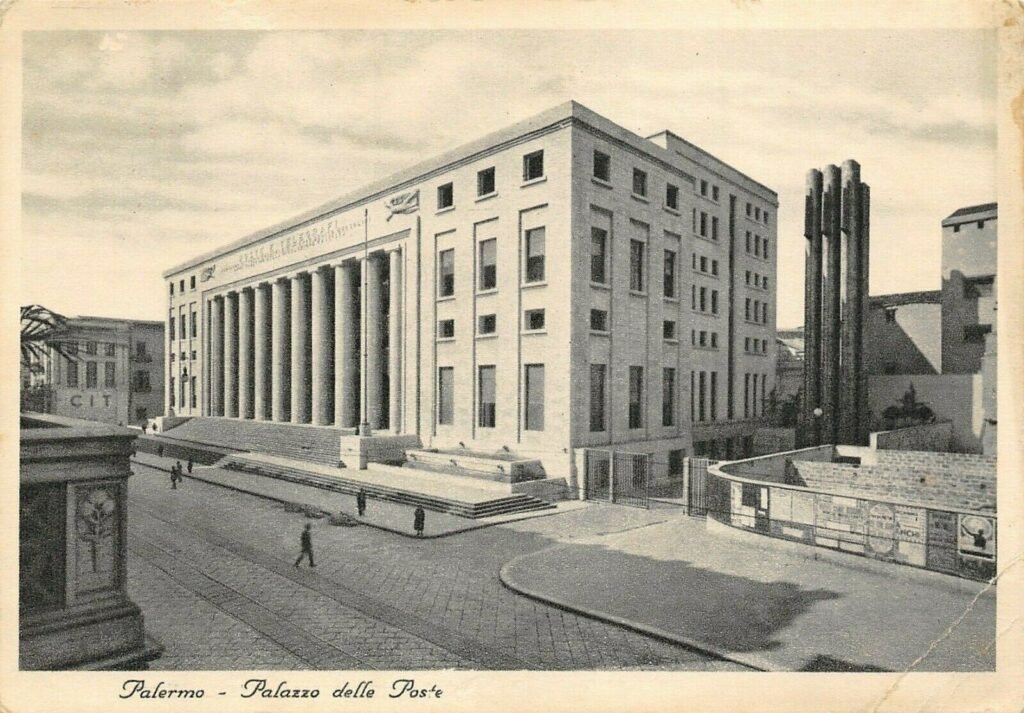
The Palazzo delle Poste in Palermo, designed by architect Angiolo Mazzoni in 1934, exemplifies Rationalist public architecture of Italy’s interwar period.
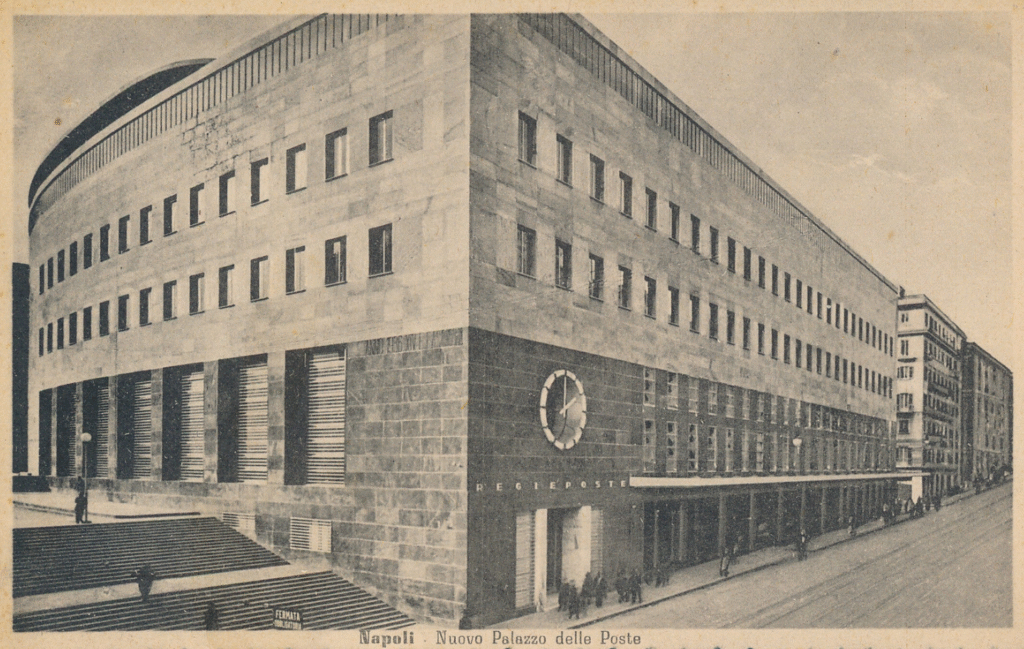
The Palazzo delle Poste in Naples, designed by architects Giuseppe Vaccaro and Gino Franzi between 1933 and 1936, exemplifies Italian Rationalist architecture of the interwar period.
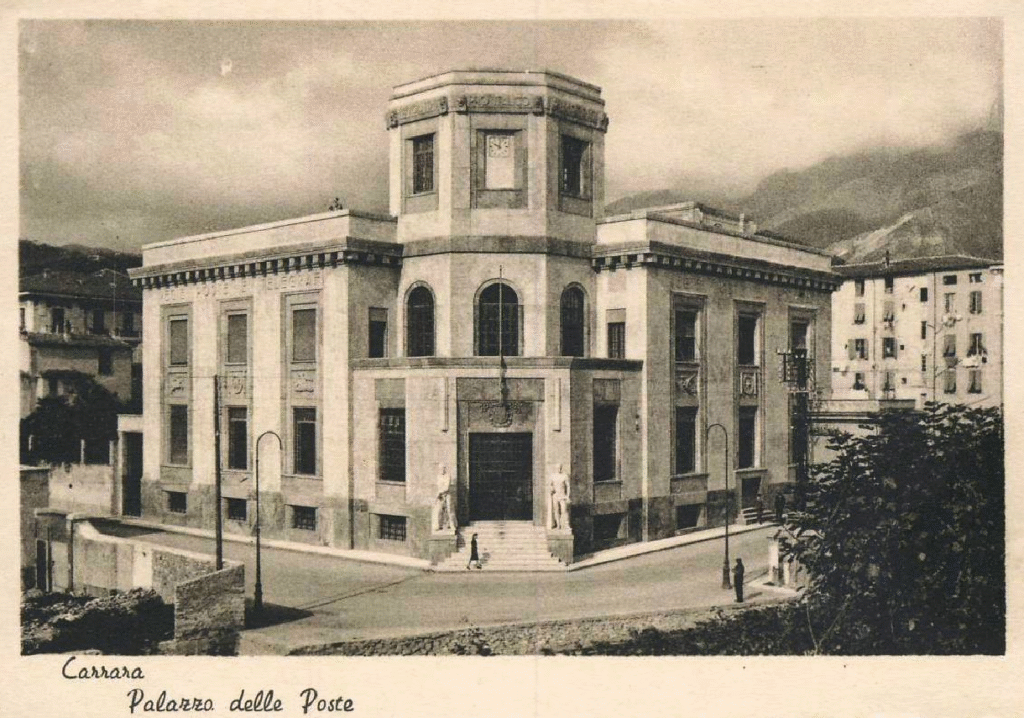
The Palazzo delle Poste in Carrara was designed by architect Giuseppe Boni between 1932 and 1934. Built during Italy’s interwar period, the postal palace exemplifies the architectural practice of its time.
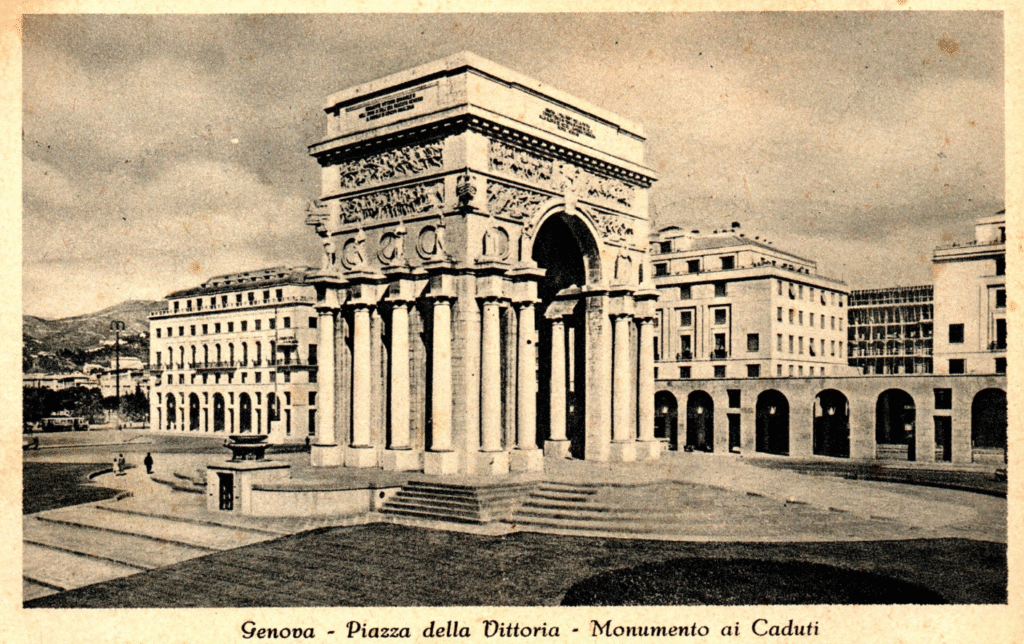
Marcello Piacentini designed this monument to the fallen in Genoa in 1931. The work represents a key example of monumental architecture from the interwar period.
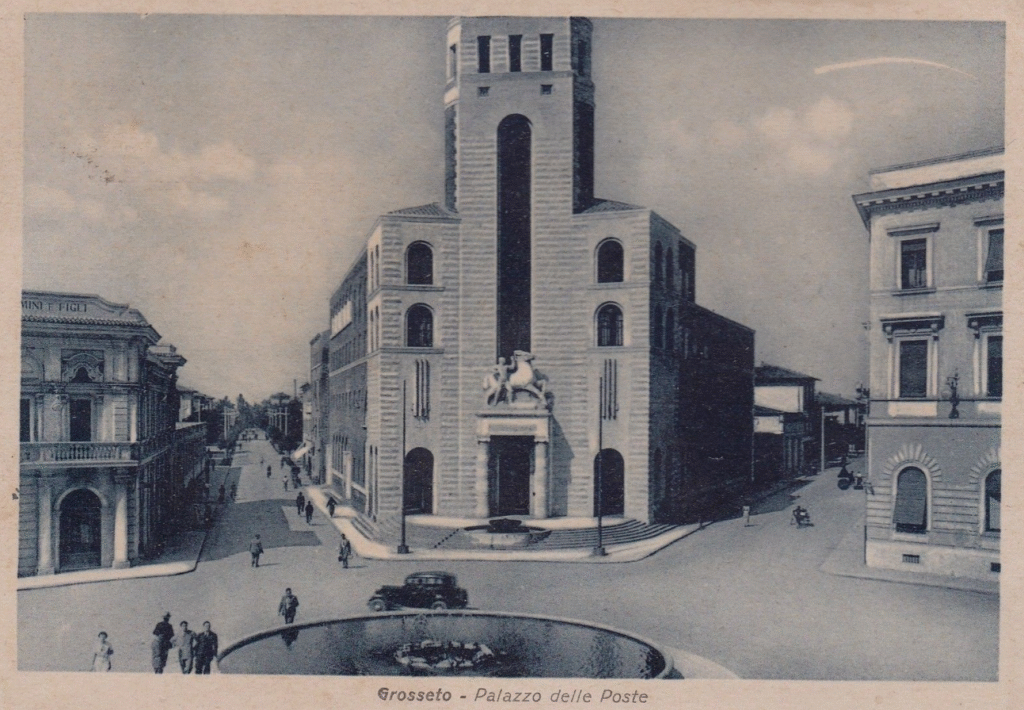
A post office building in Grosseto, Tuscany, designed by architect Angiolo Mazzoni in 1931–32. Built during Italy’s interwar modernization of public infrastructure.
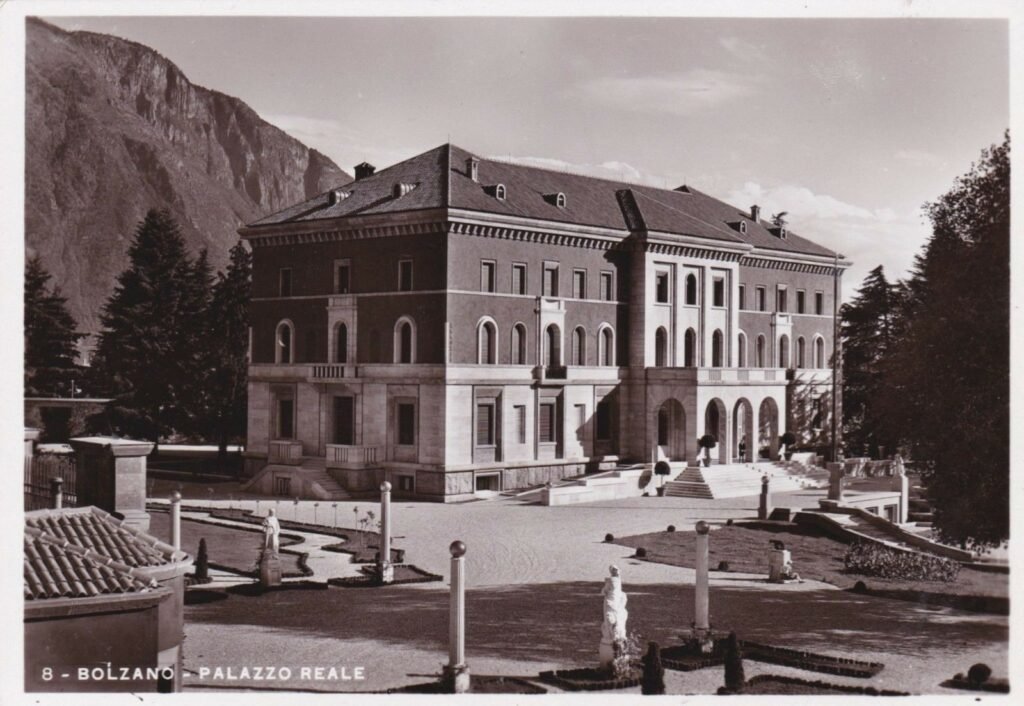
Palazzo Reale in Bolzano was designed by architect Ferdinando Forlati in 1934. Built during Italy’s interwar period, the palace represents Rationalist architectural practice of its era.
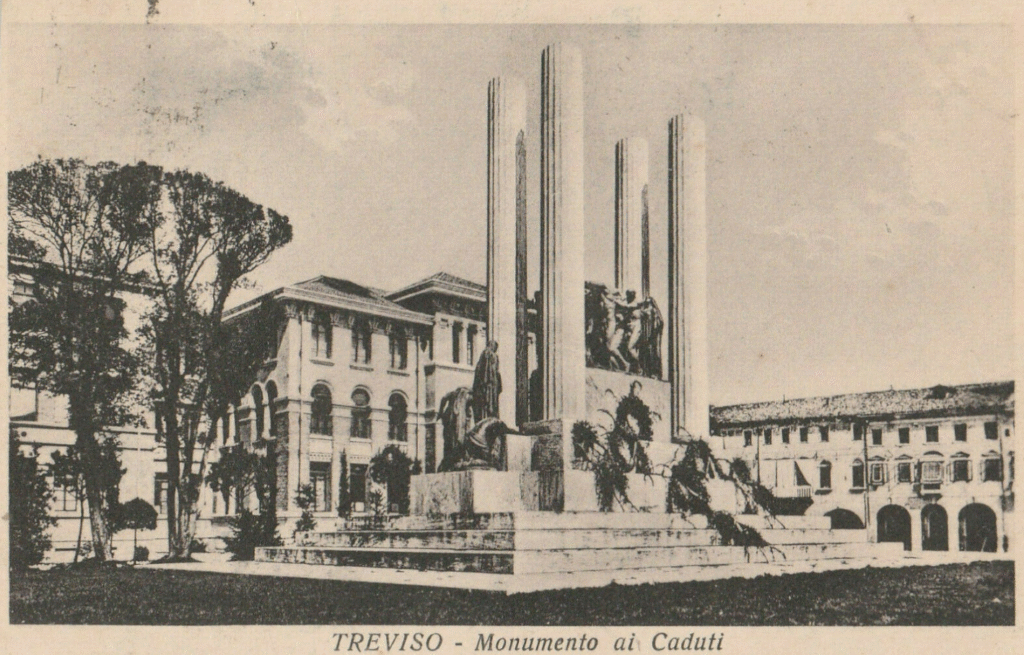
The Monumento ai Caduti in Treviso, designed by sculptor and painter Arturo Stagliano in 1931, stands as a significant public memorial in the Veneto region.
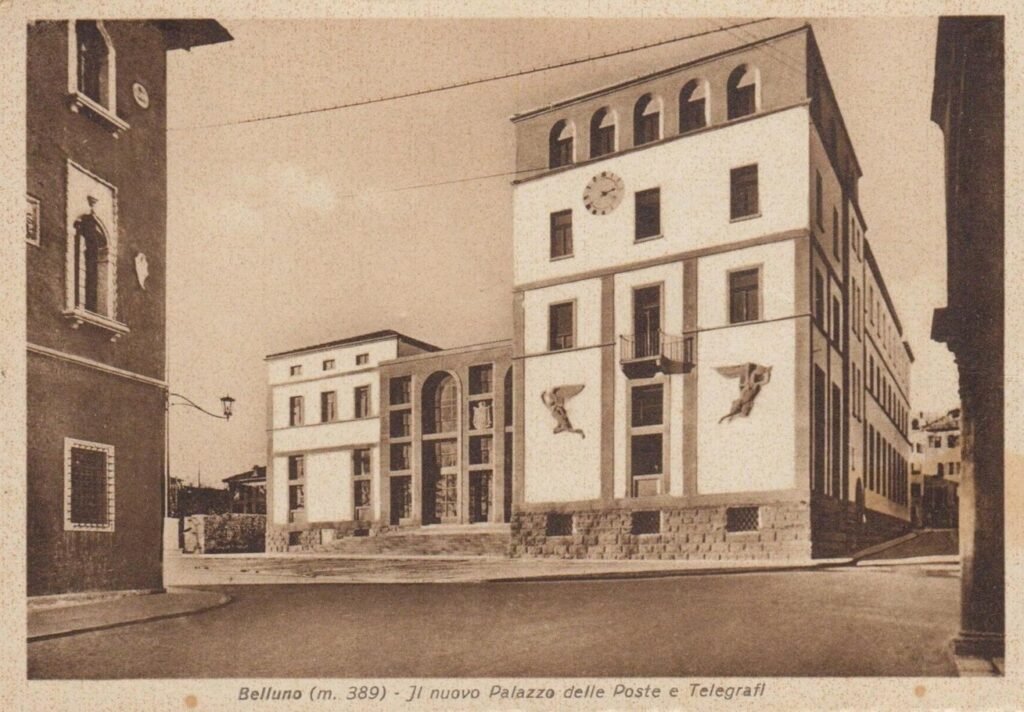
A postal and telegraph palace designed by architect Alberto Alpago in Belluno between 1936 and 1938, representing early 20th-century Italian public architecture.
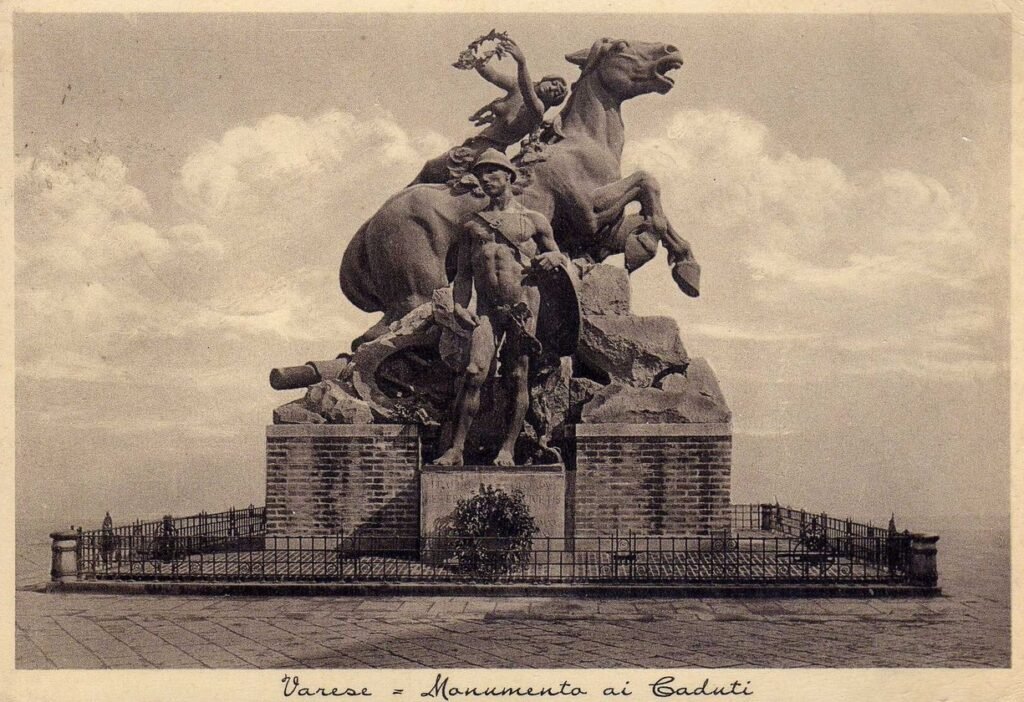
A commemorative monument created by sculptor Enrico Butti in 1923 to honour those who died in war. Butti was a Milanese sculptor renowned for his funerary and commemorative works.