
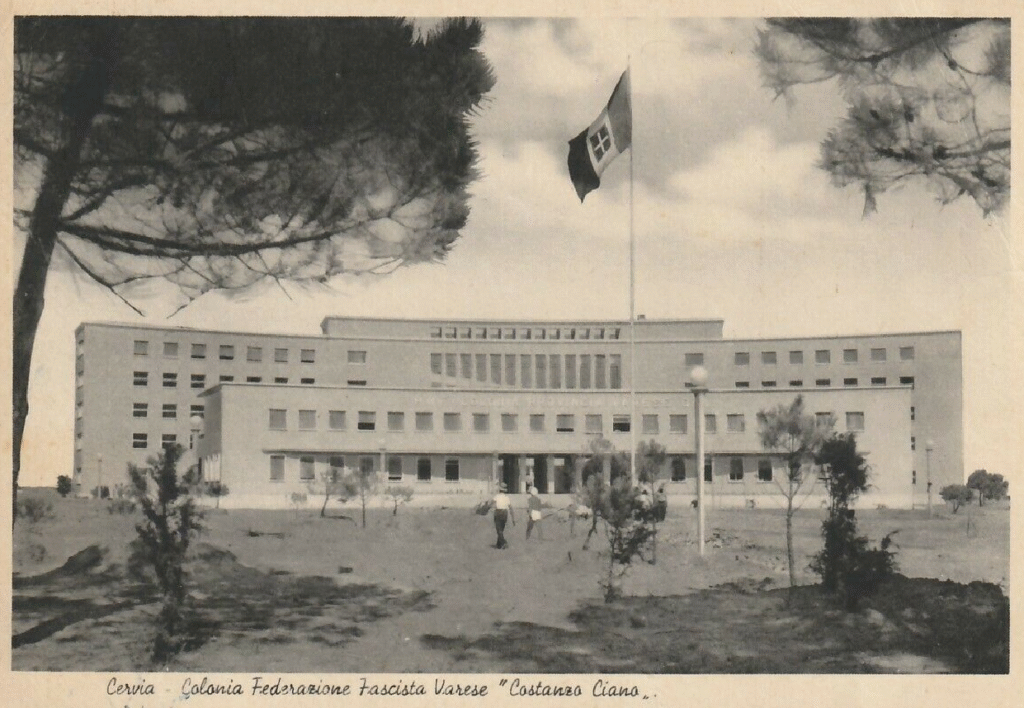
Colonia Federazione Fascista Varese, Cervia by Mario Loreti
A residential colony designed by Roman engineer Mario Loreti in Cervia, Ravenna between 1937 and 1939 for the Fascist Federation of Varese.

Stefano Vigolo photographs and documents Italian architecture of the interwar decades — the years known in Italy as the Ventennio — from Rationalism and Art Déco to the buildings that fall between the guidebooks. He is a researcher of the period.
Contributions: 516 articles · 106 heritage places · 7 events · 12 itineraries · 89 photographs
Published on beniculturalionline.it, the Italian archive of this publication, online since 1998. They are being brought into Cultural Heritage Online.
A residential colony designed by Roman engineer Mario Loreti in Cervia, Ravenna between 1937 and 1939 for the Fascist Federation of Varese.
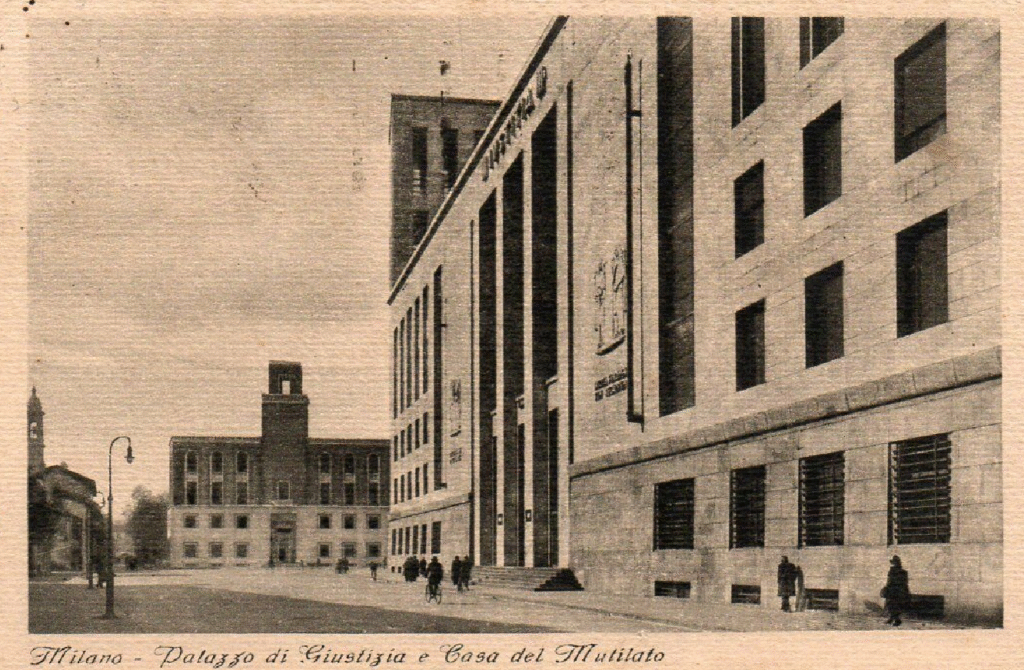
Two monumental buildings designed by Marcello Piacentini and engineer Luigi Lorenzo Secchi in Milan between 1932 and 1942, representing Rationalist architecture of the Italian interwar period.
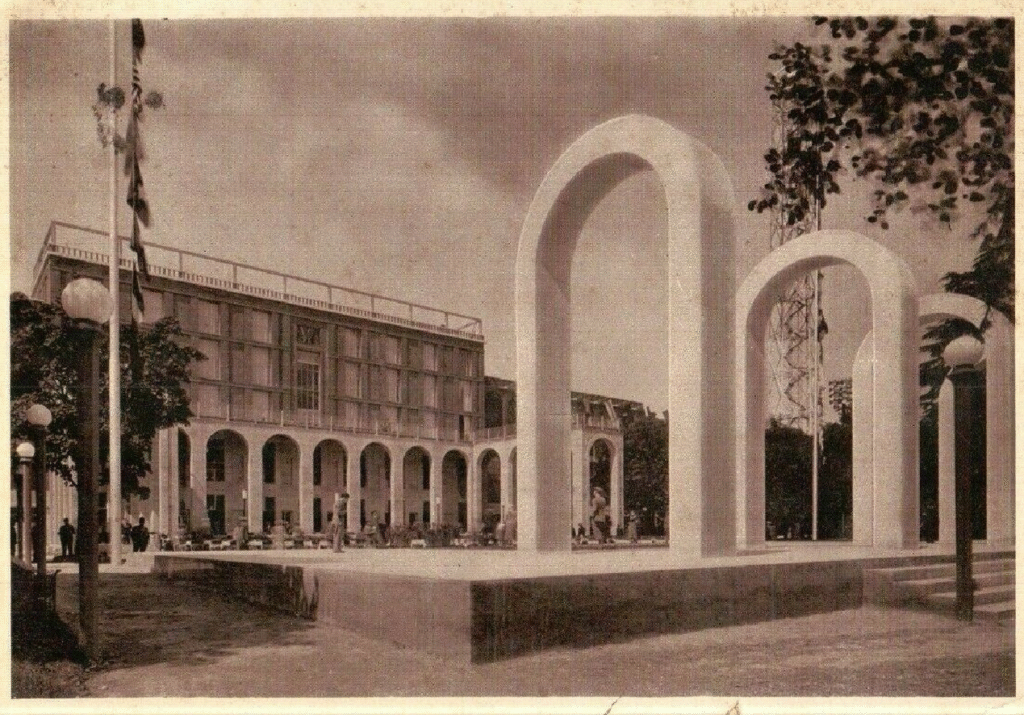
Giovanni Muzio’s Palazzo della Triennale in Milan (1931–1933) exemplifies the stripped-down classicism of the Novecento Italiano movement.
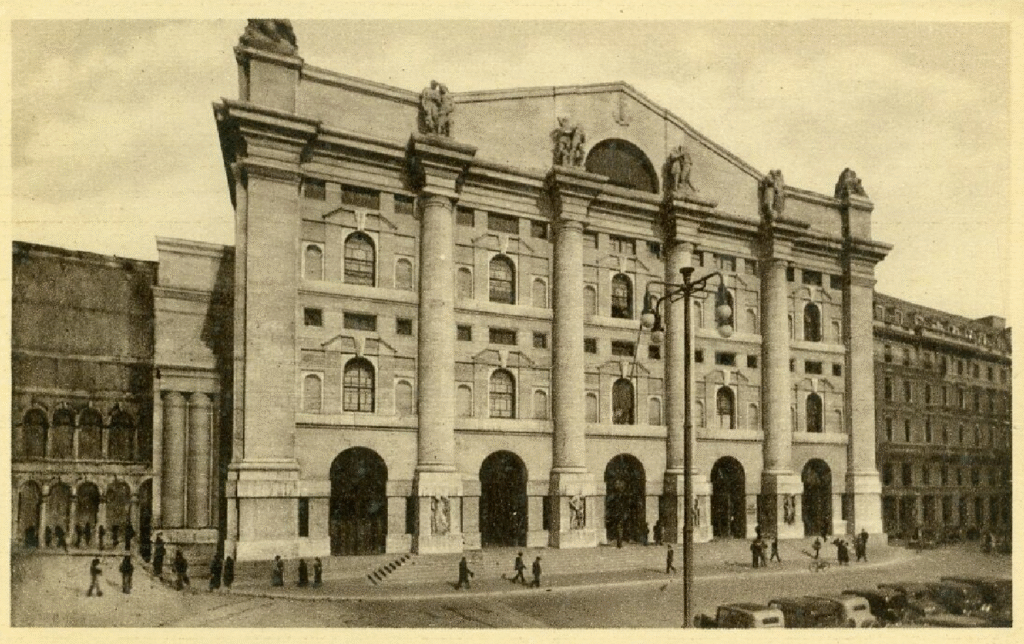
The Palazzo della Borsa in Milan, designed by architect Paolo Mezzanotte and engineer Vittorio Mezzanotte, was completed in 1932 as the headquarters of the Italian stock exchange.
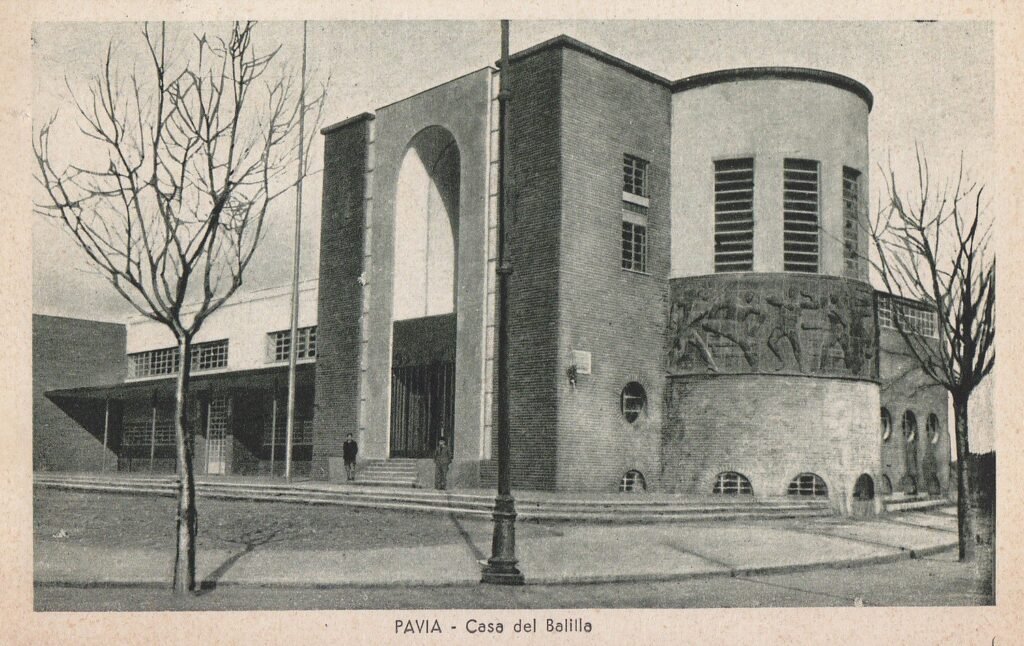
A Rationalist building designed for the Fascist youth organization, completed in Pavia in 1935.
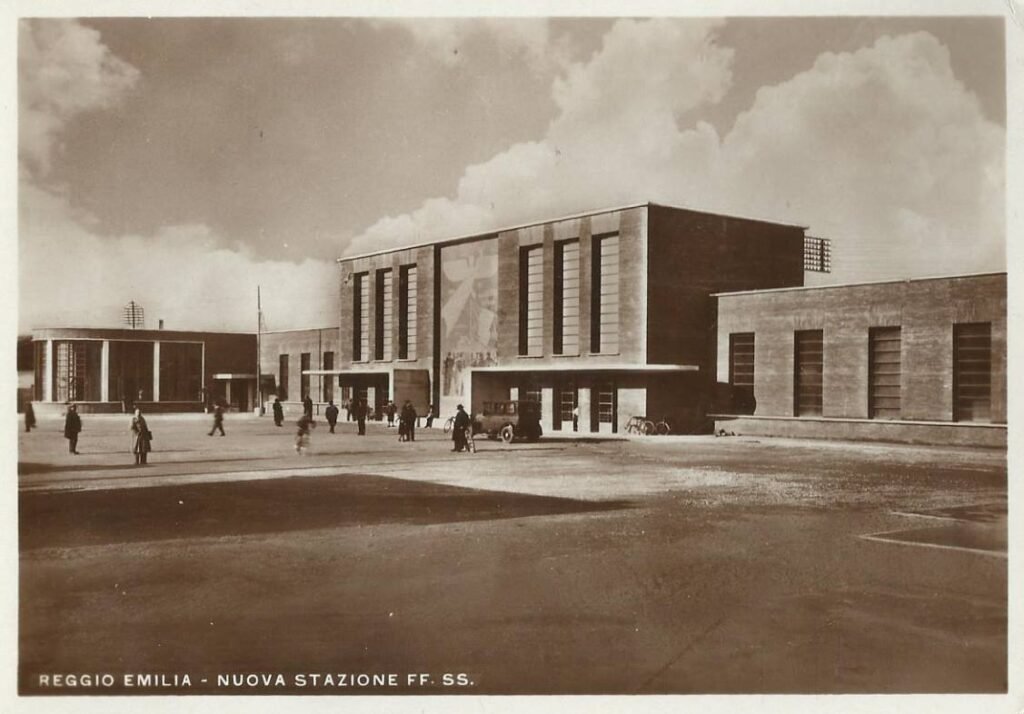
The Reggio Emilia Railway Station was designed by Italian architect Angiolo Mazzoni during the interwar period. Built as part of a national program of public works, it exemplifies the architectural modernization of Italy’s railway infrastructure.

The Autodromo della Mellaha was an international motor racing circuit built near Tripoli in Italian Libya, designed by engineers Attilio Arcangeli and Luigi Maruffi and inaugurated in 1934.
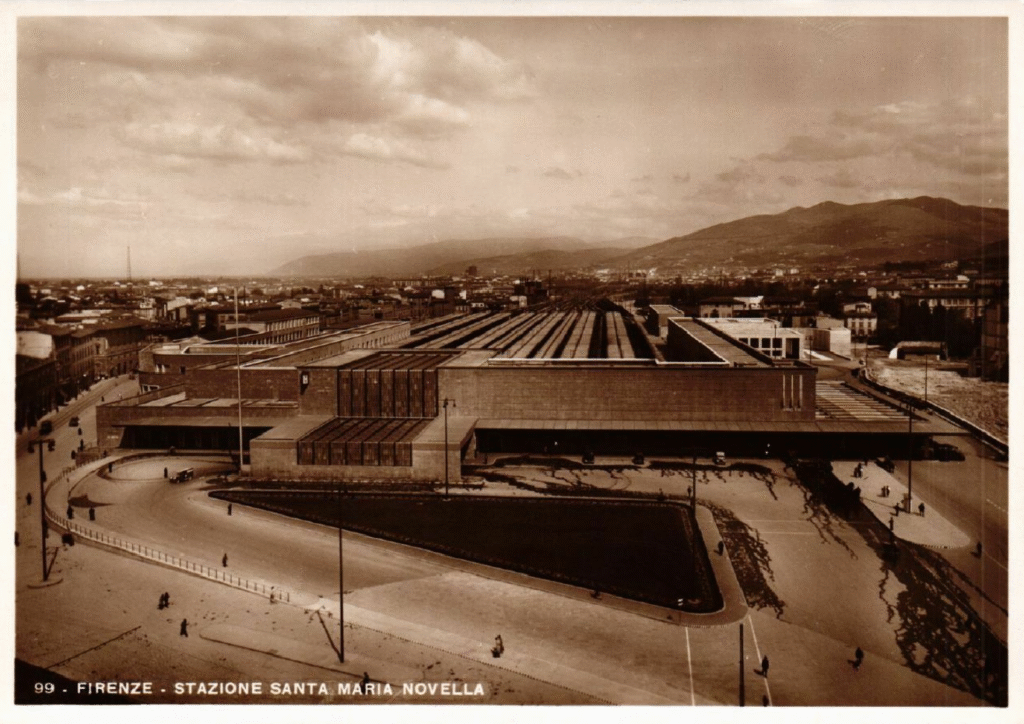
Florence’s principal railway station, designed by the Gruppo Toscano collective and completed in 1935, exemplifies Italian Rationalist architecture of the interwar period.
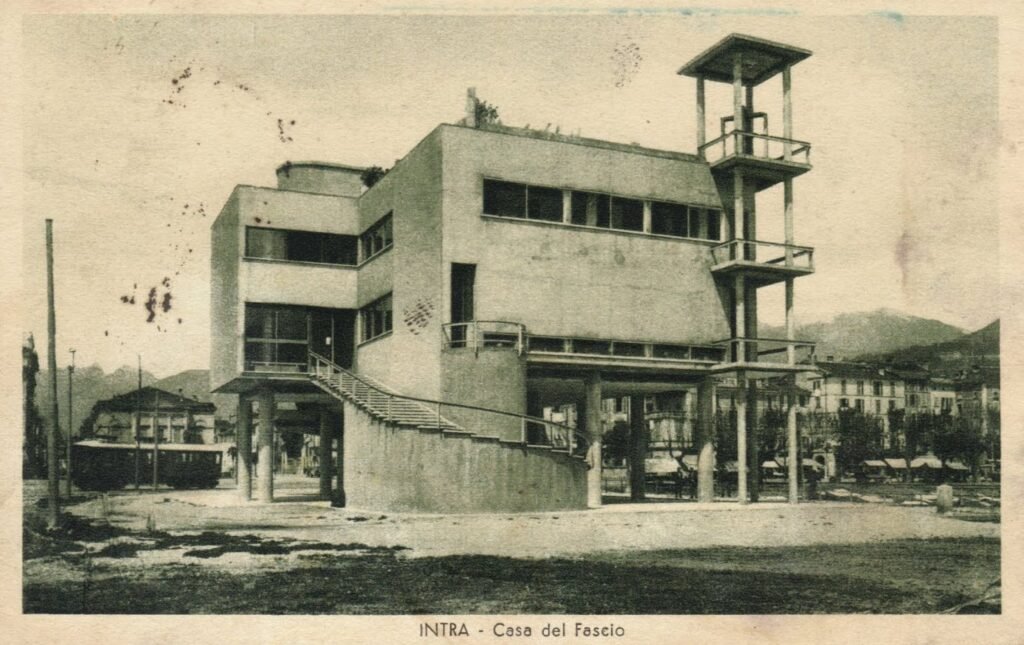
A Rationalist civic building designed by architect Luigi Vietti in the Piedmont town of Intra, now part of Verbania. Built in 1933, it exemplifies the geometric and functional principles of Italian Rationalism.
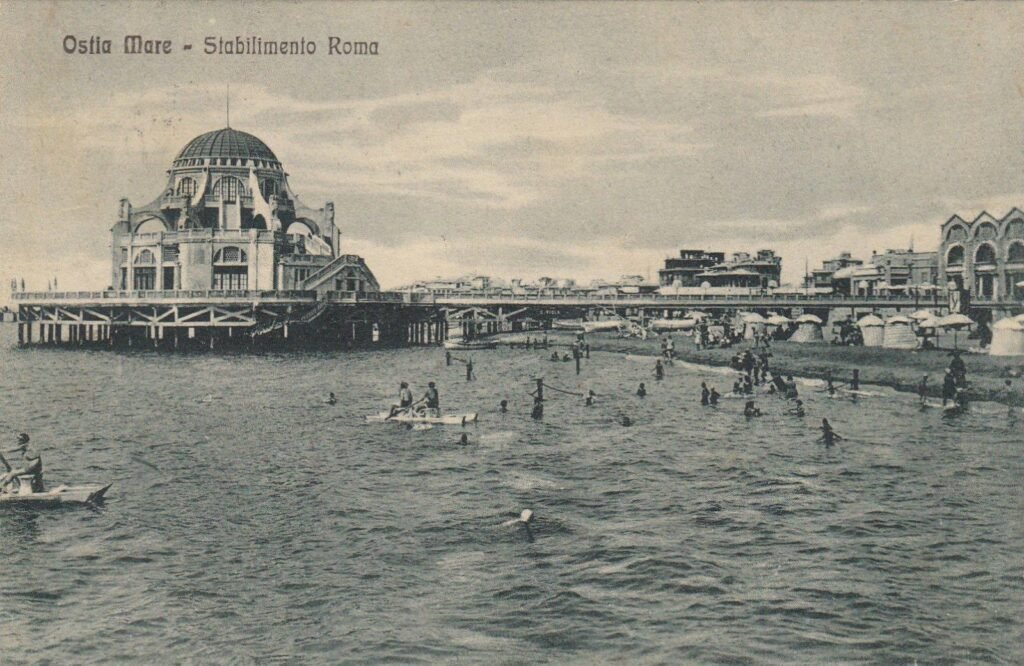
The Stabilimento Roma was a seaside resort designed by engineer Giovanni Battista Milani in Ostia, Rome, built between 1924 and 1927. The structure was destroyed during the Nazi occupation in World War II.