
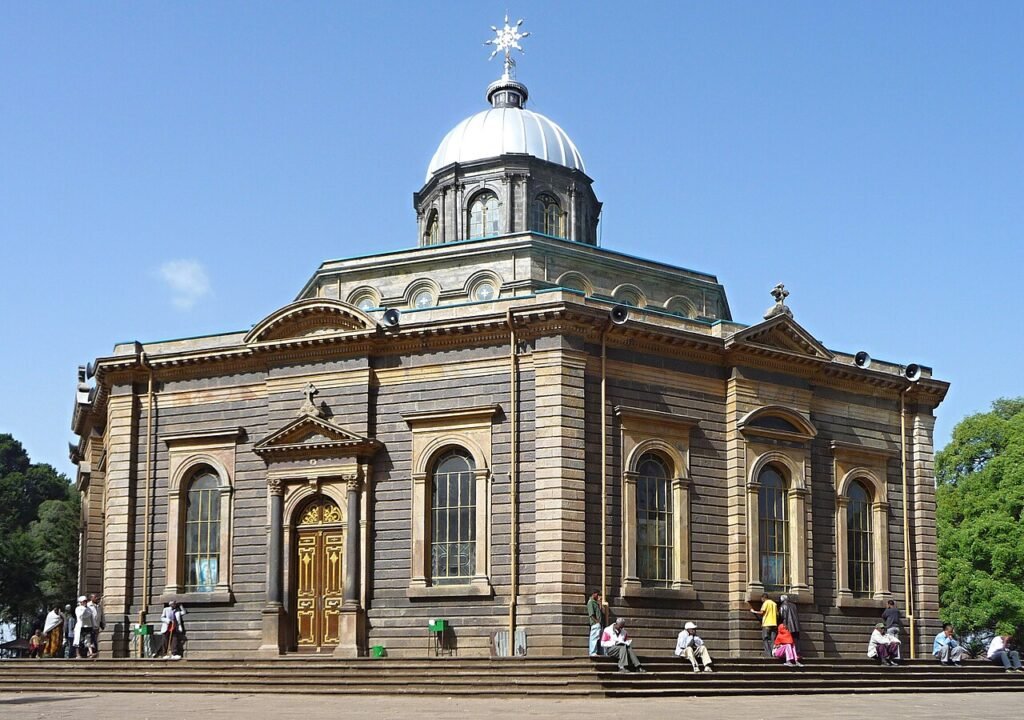
Addis Ababa — The Piazza and the Italian-Period Layer
Ethiopia’s highland capital wears two early-modern faces: an eclectic city begun in 1886, and the buildings left by a five-year Italian military occupation…

Ethiopia’s highland capital wears two early-modern faces: an eclectic city begun in 1886, and the buildings left by a five-year Italian military occupation…
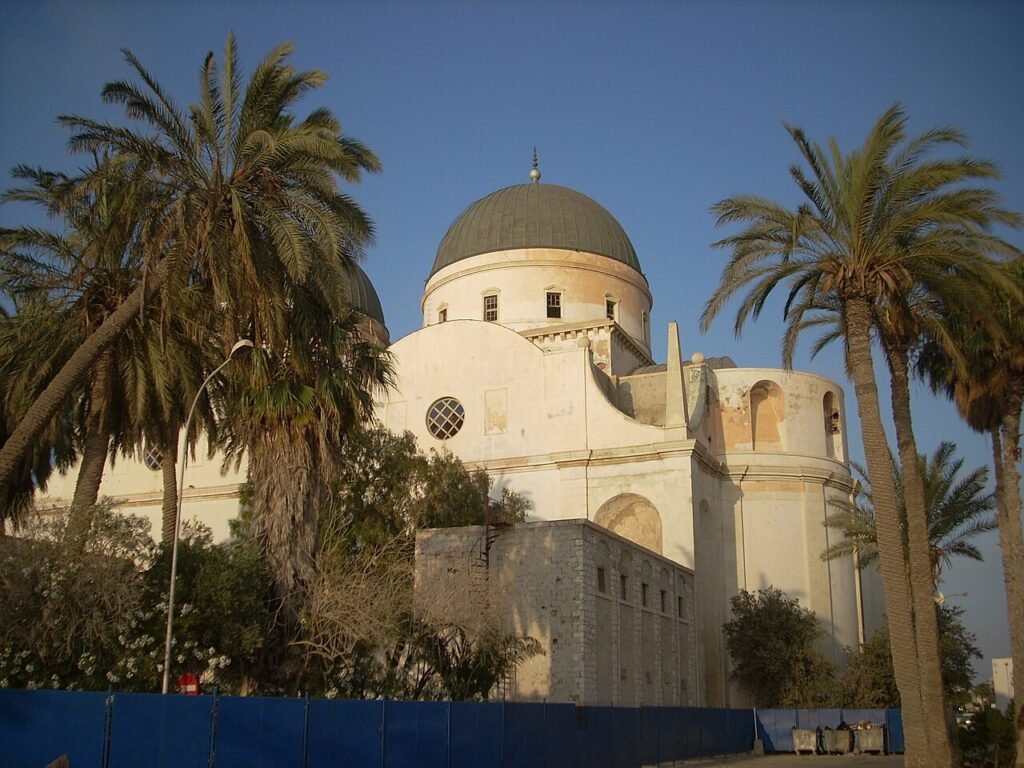
On the Gulf of Sidra, Libya’s second city carries the marble and concrete record of three decades of Italian rule, from its seafront promenade to a vast…

The largest temple of ancient Rome, dedicated to Venus Felix and Roma Aeterna, occupied the eastern Forum from 141 AD until medieval decline and later archaeological recovery.

One of the Veneto’s largest villas, this sprawling Baroque complex began as a fortified manor in 1546 and evolved into a palatial entertainment venue through successive expansions—now a museum and cultural foundation.

A limestone island in the Gulf of Naples defined by dramatic cliffs and two distinct communities whose centuries-long division reflects its complex geography and history.
A lagoon-barrier island protecting Venice, the Lido combines beaches, Art Nouveau architecture, and the Venice Film Festival with historic Jewish and monastic heritage.

A medieval island settlement in the Venetian lagoon that flourished before Venice’s rise and environmental change led to its decline.
Murano, a cluster of seven islands in the Venetian Lagoon, is celebrated worldwide for its centuries-old tradition of artisan glassmaking and thriving lagoon community.

Palladio’s iconic central-plan villa near Vicenza, completed in 1606, is one of history’s most imitated buildings and a UNESCO World Heritage Site since 1994.

Milan’s Aeronavale Pavilion preserves Italian aviation and naval heritage, housing aircraft, the Enrico Toti submarine, and sections of the 1925 liner Conte Biancamano.