
Typical houses – Domus Julia, Domus Carola, Domus Fausta
Three pioneering rationalist apartment buildings by Gio Ponti and Emilio Lancia (1932–1936), representing an early turning point in modern Italian residential design.

Three pioneering rationalist apartment buildings by Gio Ponti and Emilio Lancia (1932–1936), representing an early turning point in modern Italian residential design.

Rome’s largest and most celebrated fountain, the Trevi Fountain is a late Baroque masterpiece completed in 1762, featuring a marble statue of Oceanus and a triton wrestling a seahorse.

The largest public bathhouse of ancient Rome, begun in 298 and completed in 306 AD, showcasing imperial engineering, thermal technology and civic grandeur.

Rome’s largest central exhibition palace, a neoclassical masterpiece designed by Pio Piacentini and inaugurated in 1883, houses over 10,000 square meters of galleries across three floors.

An ancient Roman theater built by Augustus between the Tiber and the Campidoglio, with capacity for 15,000–20,000 spectators. Its exterior remains visible despite centuries of private construction.
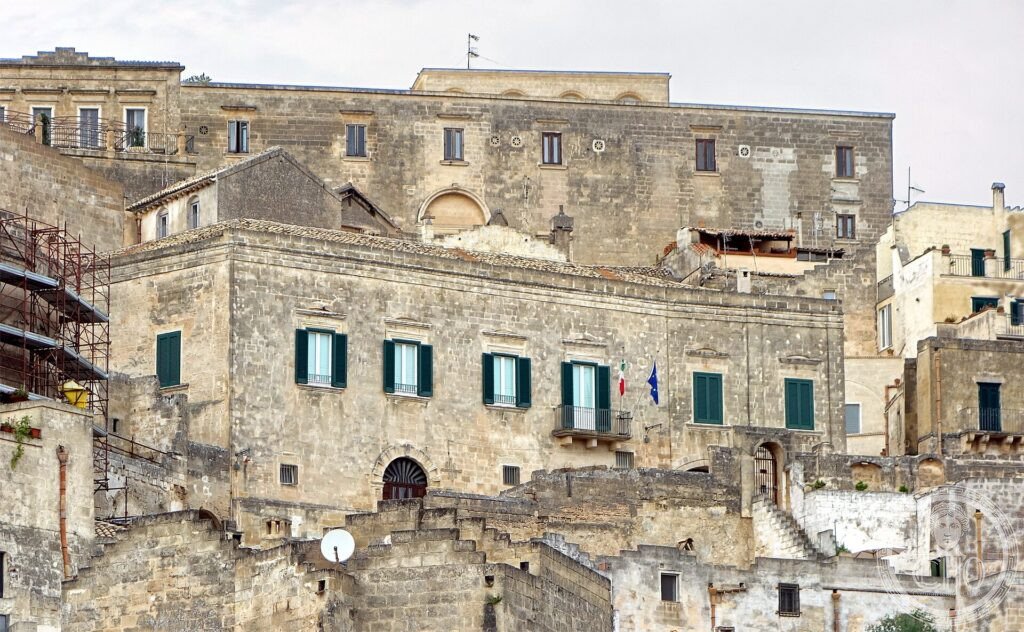
Italy’s premier museum dedicated to contemporary sculpture, housed within a sixteenth-century palazzo and the Sassi district’s unique underground chambers.
The ancient Roman Senate’s meeting chamber, initiated by Julius Caesar and completed by Augustus in 29 BC, rebuilt after fire and restored in the 1930s.

A 22-metre monumental facade pierced by arches marks the Roman Theater of Aosta, a masterpiece of High Empire provincial architecture designed to seat thousands of spectators in the Alpine valley city.

The ancient Roman port city near the Tiber’s mouth, now an expansive 150-hectare archaeological park revealing imperial trade infrastructure and daily urban life.
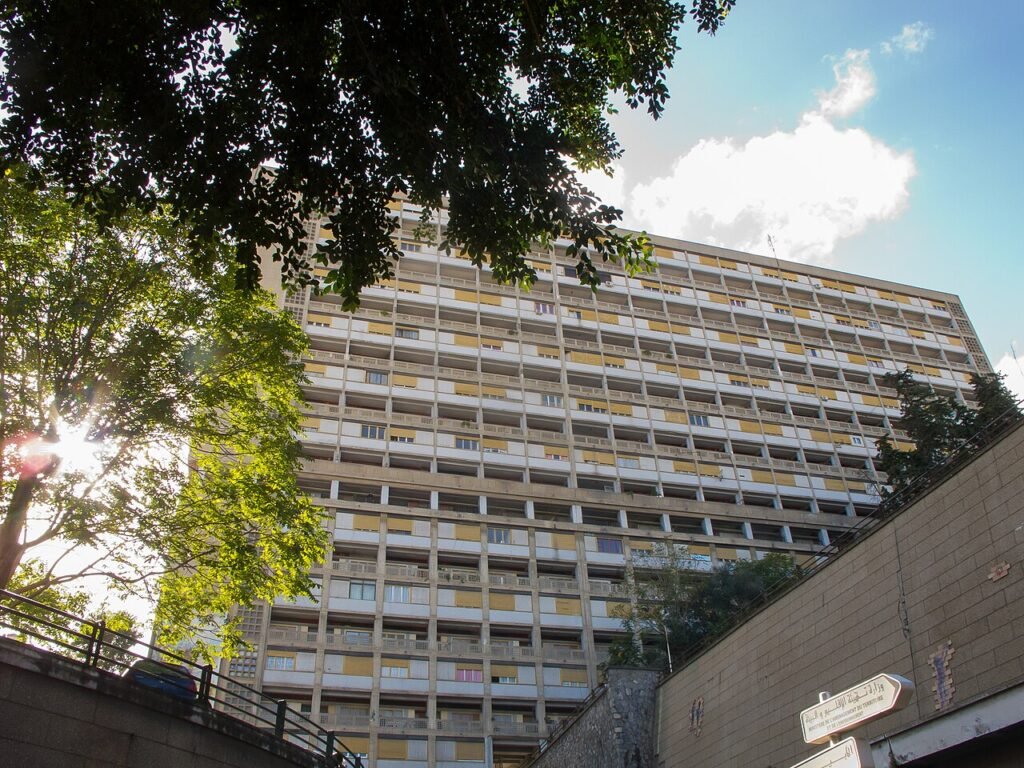
Above the Mediterranean, Algiers carries two layered ambitions: a colonial-era city of Art Déco and modernist blocks, and Le Corbusier’s vast unbuilt scheme…