
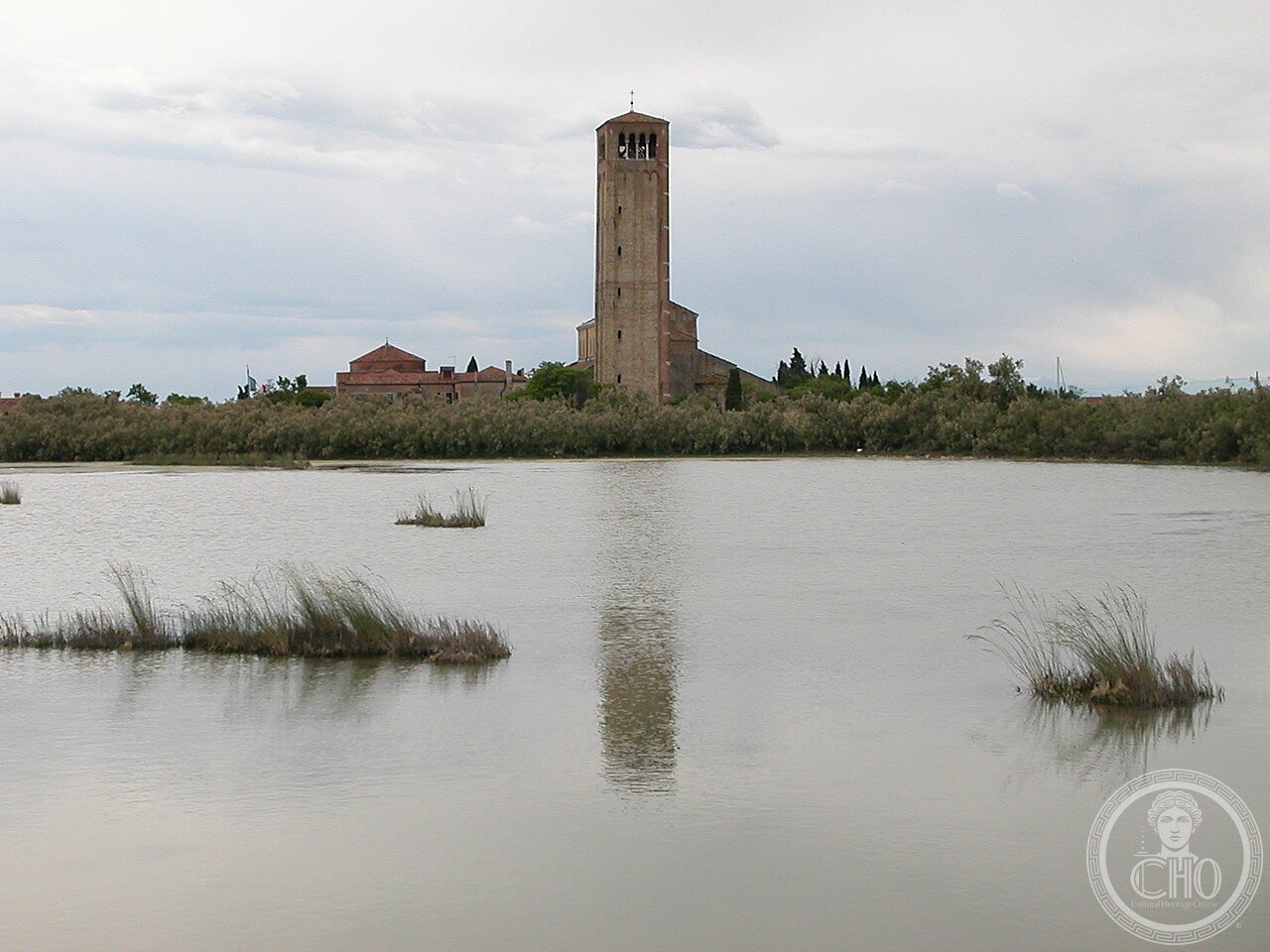
An island in the northern Venetian lagoon that once rivaled Venice itself in prosperity before environmental and political shifts transformed its fate.
At a glance
Torcello occupies a strategic position within the Venetian lagoon, northeast of the city of Venice. The island tells a story of medieval settlement, prosperity, and decline—a narrative deeply connected to the rise of nearby Venice and the lagoon’s changing waters.
History
Torcello emerged as one of the oldest and most prosperous settlements in the Venetian lagoon, centuries before Venice itself grew powerful. Its cathedral, the Basilica di Santa Maria Assunta, was founded in 639 on the order of Isaac, the Byzantine exarch of Ravenna, under Emperor Heraclius — an inscription recording the foundation was uncovered during excavations in 1895, and the building is among the oldest in the entire lagoon. It was rebuilt in 864 and again in 1008, when Orso Orseolo, son of the doge Pietro Orseolo, was consecrated bishop of Torcello. As Venice’s own power grew and the lagoon around Torcello silted up and turned malarial, the island’s population drained away toward the healthier, better-connected city; by the later centuries it had been almost entirely eclipsed.
What you see
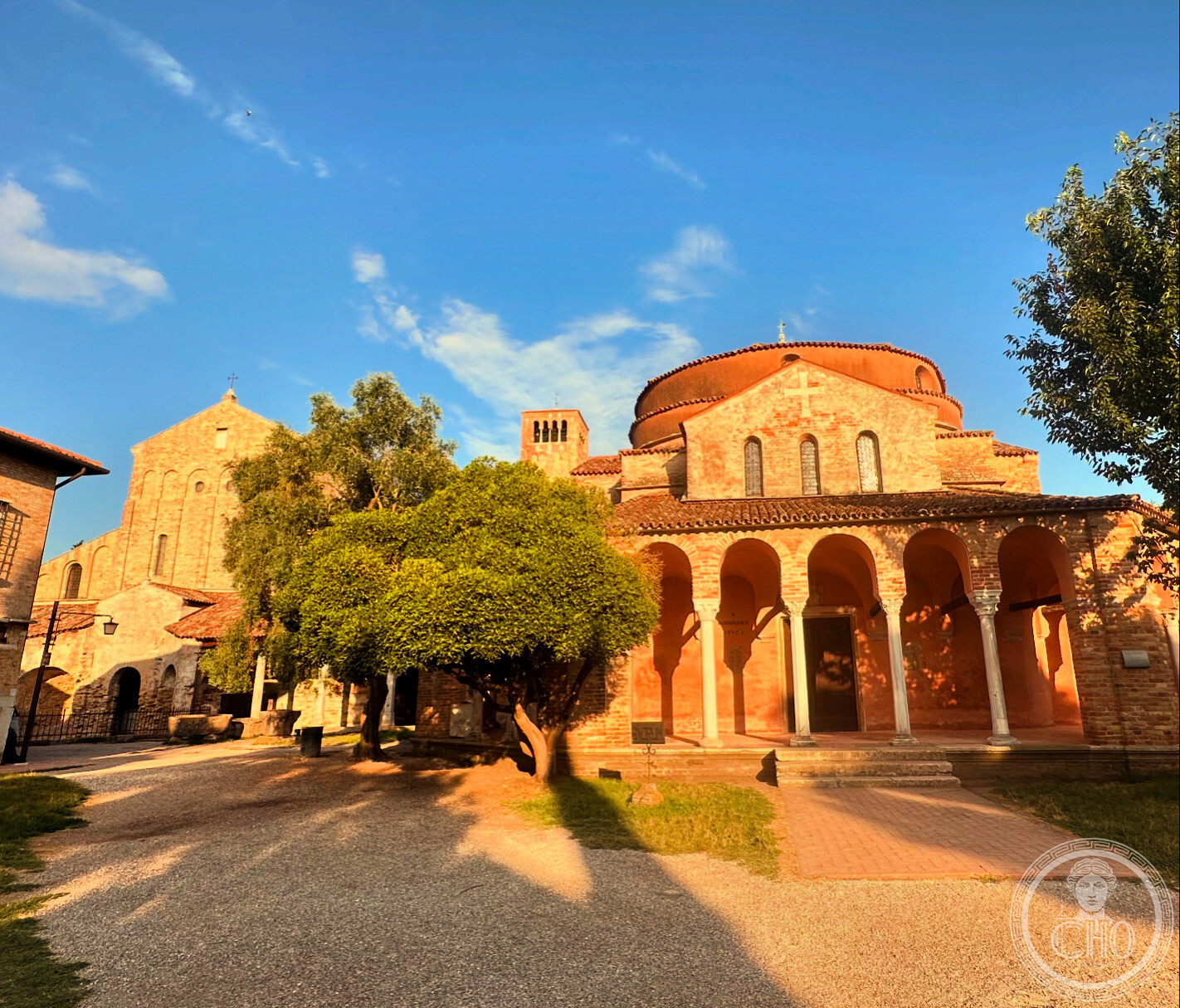
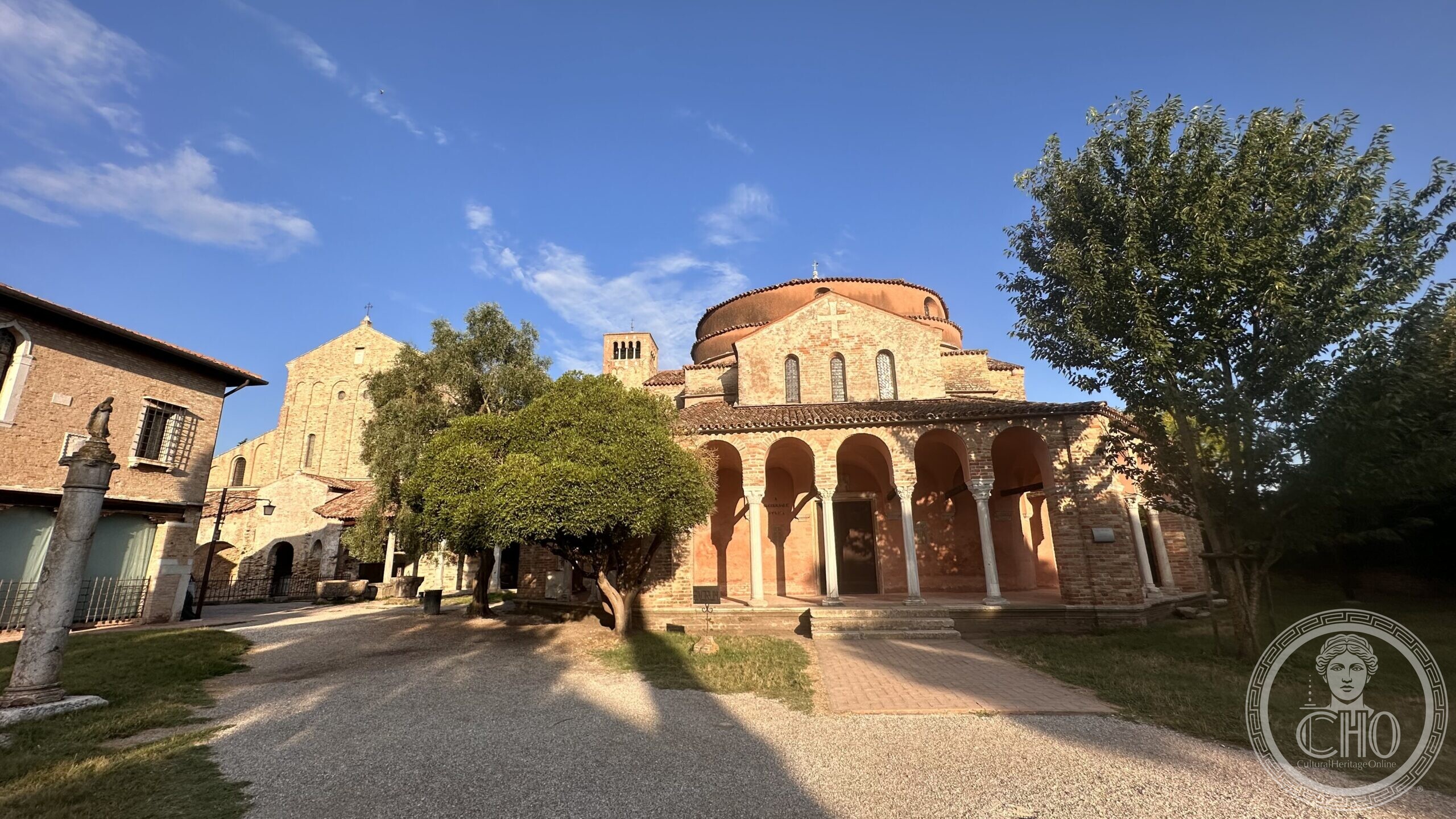
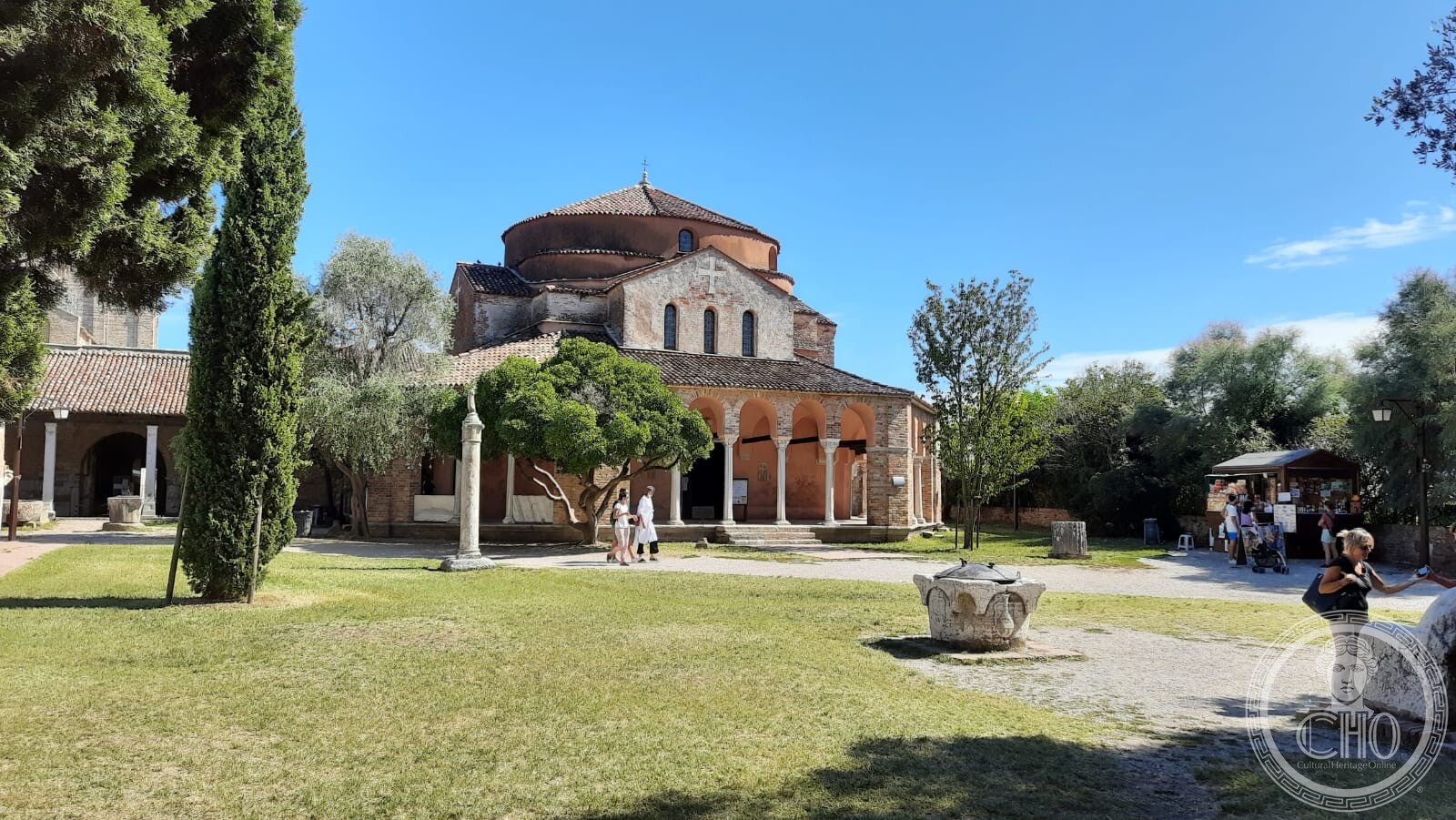
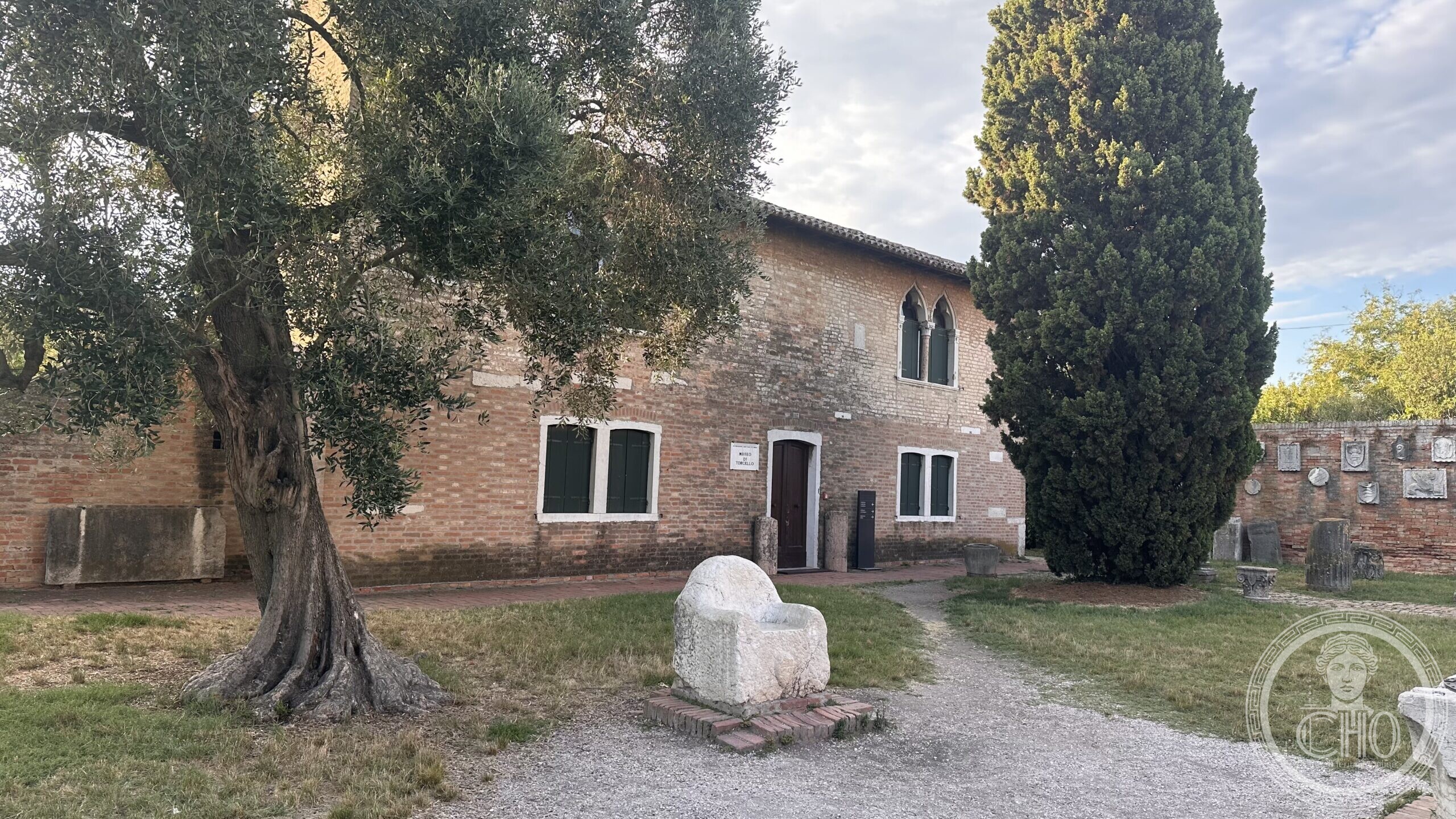
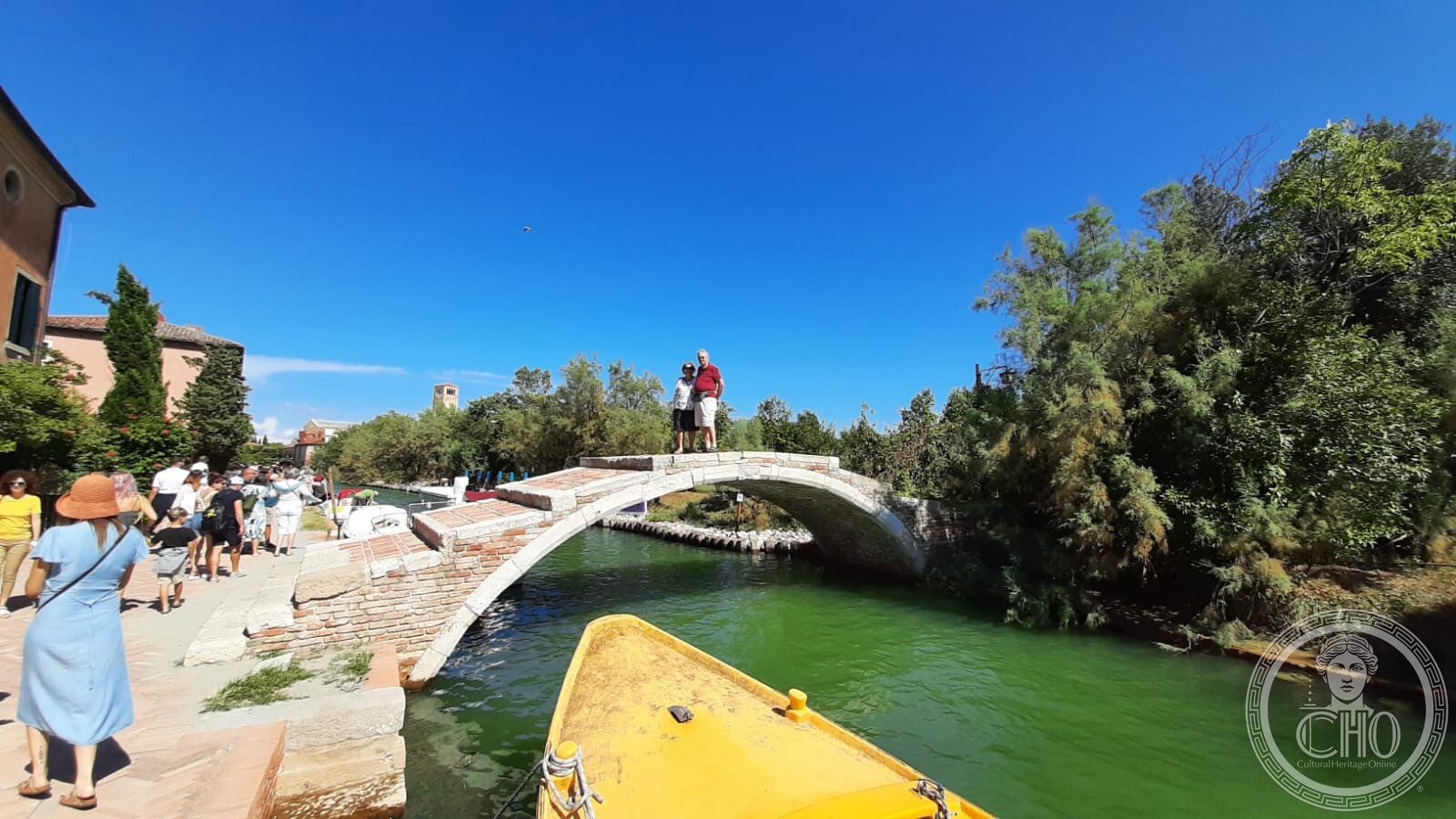
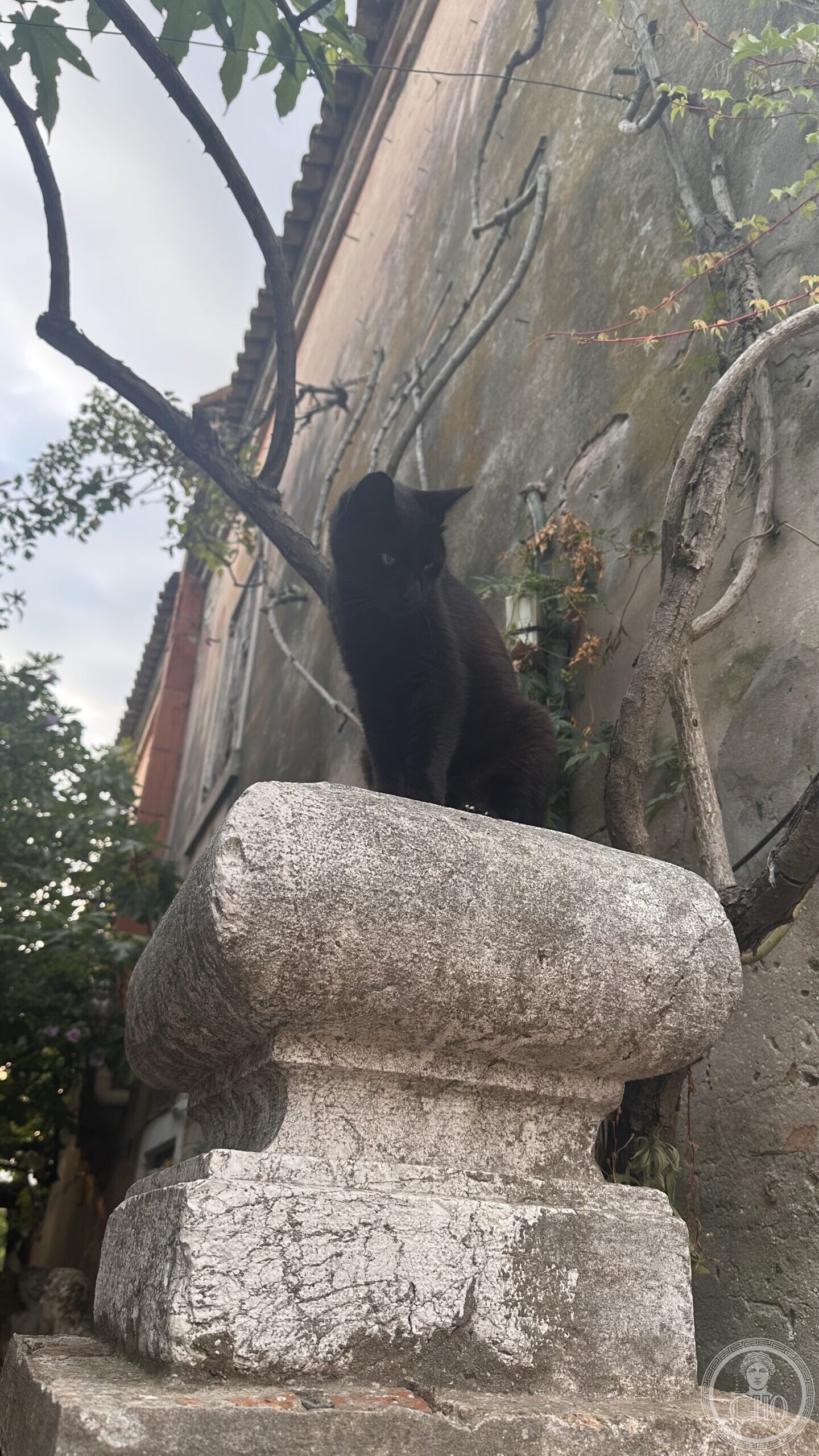
The Basilica di Santa Maria Assunta stands beside the smaller church of Santa Fosca, its brick apse and campanile rising over the flat lagoon landscape — one of the earliest surviving examples of Veneto-Byzantine architecture, and home to the oldest mosaics in the Venice area. In the grass square in front of the museum sits the so-called Trono di Attila, a single block of Istrian stone carved into an armchair. Popular legend holds that Attila the Hun sat on it after the fall of nearby Roman Altinum — but the Huns’ invasion never actually reached this far into the lagoon, stopping at Aquileia; historians read it instead as the seat of the island’s magister militum, used when rendering justice in public, or possibly a bishop’s throne, most likely carved in the 5th century. A short walk away, the Ponte del Diavolo crosses the Canale Maggiore without any parapet, in the style of Venice’s oldest bridges (the Ponte Chiodo in Cannaregio is the only other survivor of the type); recent archaeology dates its construction to the fifteenth century. The origin of its name is unrecorded, but local legend ties it to a doomed love affair and a witch who is still said to leave a black cat waiting on the bridge every Christmas Eve.
Cultural significance
Torcello represents the chapter of lagoon history before Venice’s dominance, when several competing island settlements shared power and commerce. The Museo Provinciale di Torcello, housed in two of the square’s old civic buildings, keeps that longer memory: its archaeological section holds Roman-era material excavated from the mainland town of Altinum — funerary ceramics, glassware, small bronze votive objects, sculpture and portrait busts — alongside medieval and early modern collections, with carved stone fragments from the excavations displayed outdoors around the museum grounds. The island remains a key site for understanding how the lagoon was settled long before Venice existed.
Key facts
- Location: Isola di Torcello, 30142
- Coordinates: 45.498161773512045, 12.418107390403748
- Official website: comune.venezia.it
Practical information
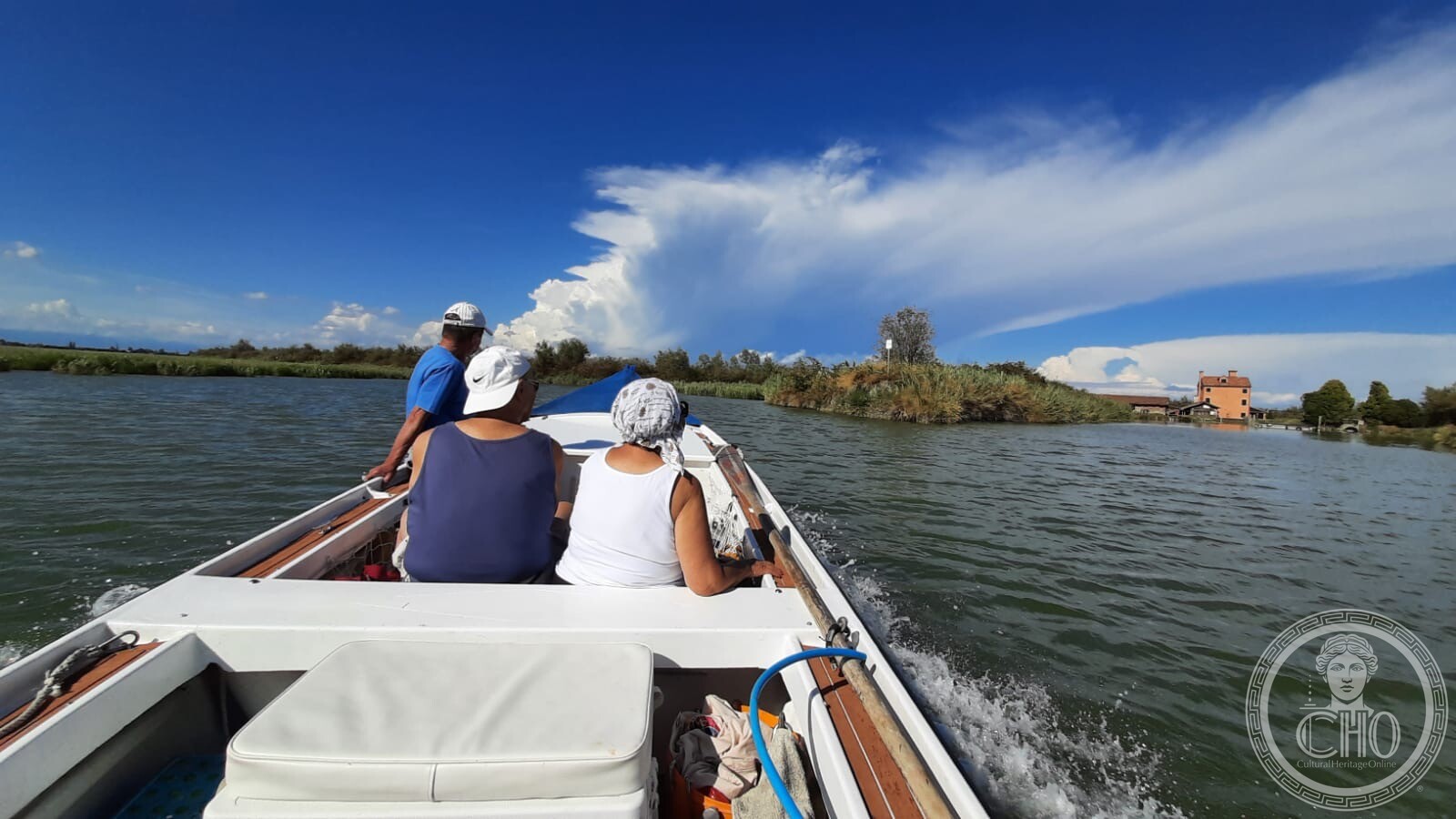
Access to Torcello requires boat transit through the Venetian lagoon. Check the municipality website for current ferry routes and services from Venice.
Getting there
Torcello is reachable by boat from Venice. Multiple ferries serve the lagoon islands; your journey time and route will depend on your starting point in the city and the season.
Gallery
Photographs by Luigi De Marchi.
Sources & resources
Find it on the map
See this place and what’s around it →📷 Become a Cultural Heritage Online photographer
Share your photos of places: they stay published under your name as the author. The more they're seen, the more you get noticed — and soon a contest will reward the most appreciated photos.
Log in or sign up free to add a photo