

Gran Caffè Gambrinus
A landmark Neapolitan café founded in 1860, celebrated for its Art Nouveau interiors decorated by twelve impressionist painters and its historic role as a gathering place for artists and intellectuals.
A landmark Neapolitan café founded in 1860, celebrated for its Art Nouveau interiors decorated by twelve impressionist painters and its historic role as a gathering place for artists and intellectuals.
The Roman Forum, ancient Rome’s political and commercial heart, contains temples, squares and government buildings from 2,000 years of history across a sprawling archaeological site.

A medieval church in Rome’s Ripa district, evolved from 9th-century foundations, standing near the Arco di Giano and legendary site of Rome’s founding myth.
Ancient Roman circus in the Palatine–Aventine valley, measuring 600 by 140 metres. Rome’s largest performance venue for horse racing and public spectacles from its earliest days.
A historic Napoleonic-era promenade in Rome’s Campo Marzio lined with over 200 commemorative busts, monuments, and gardens, serving as the city’s principal public walk since 1811.

Rome’s iconic Piazza del Popolo derives its name from either ancient poplars or the medieval chapel the Roman people commissioned there, which became Santa Maria del Popolo.
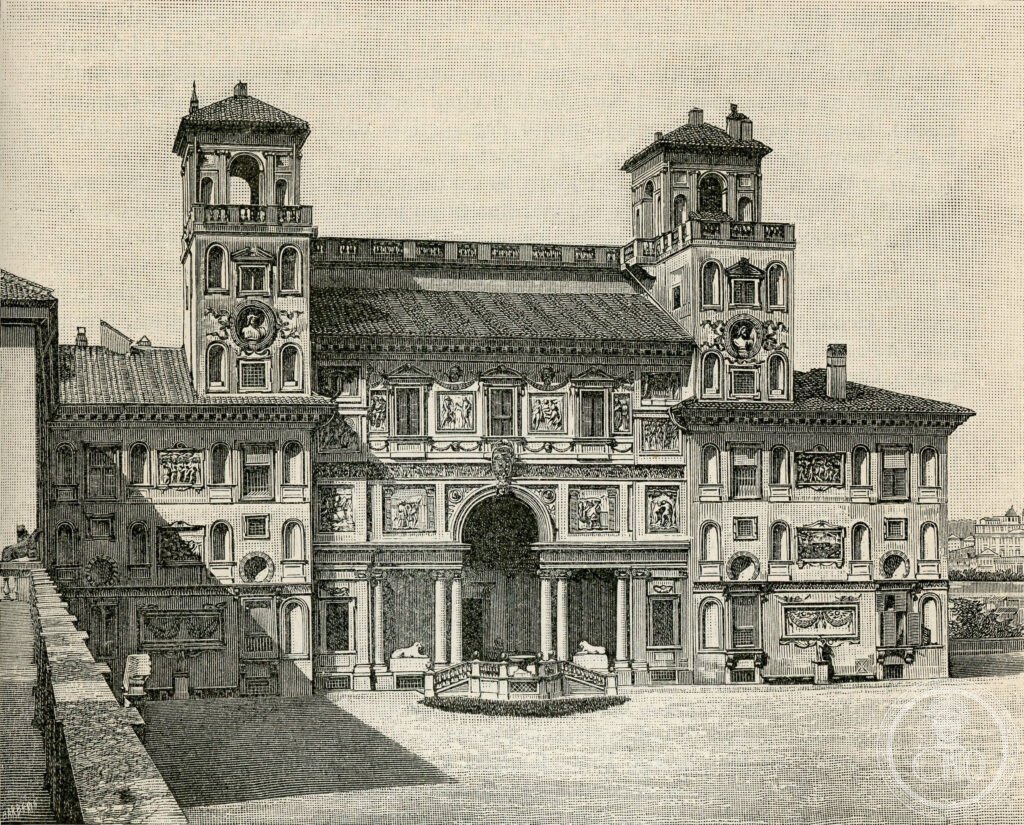
The French Academy in Rome occupies Villa Medici, a centre for artistic research and cultural exchange founded in 1666. The villa and gardens are open to the public via guided tours.

Rome’s celebrated Piazza di Spagna showcases the Baroque Barcaccia fountain and the Column of the Immaculate Conception, home to the Keats-Shelley Museum and site of an annual papal floral tribute.

A grand imperial bath complex inaugurated in 109 AD atop the ruins of Nero’s Domus Aurea on Rome’s Oppian Hill, embodying Trajanic civic patronage and Roman engineering prowess.

The official residence of Italy’s President since 1946, the Quirinal Palace dominates Rome’s historic center with centuries of accumulated authority and architectural splendor.