
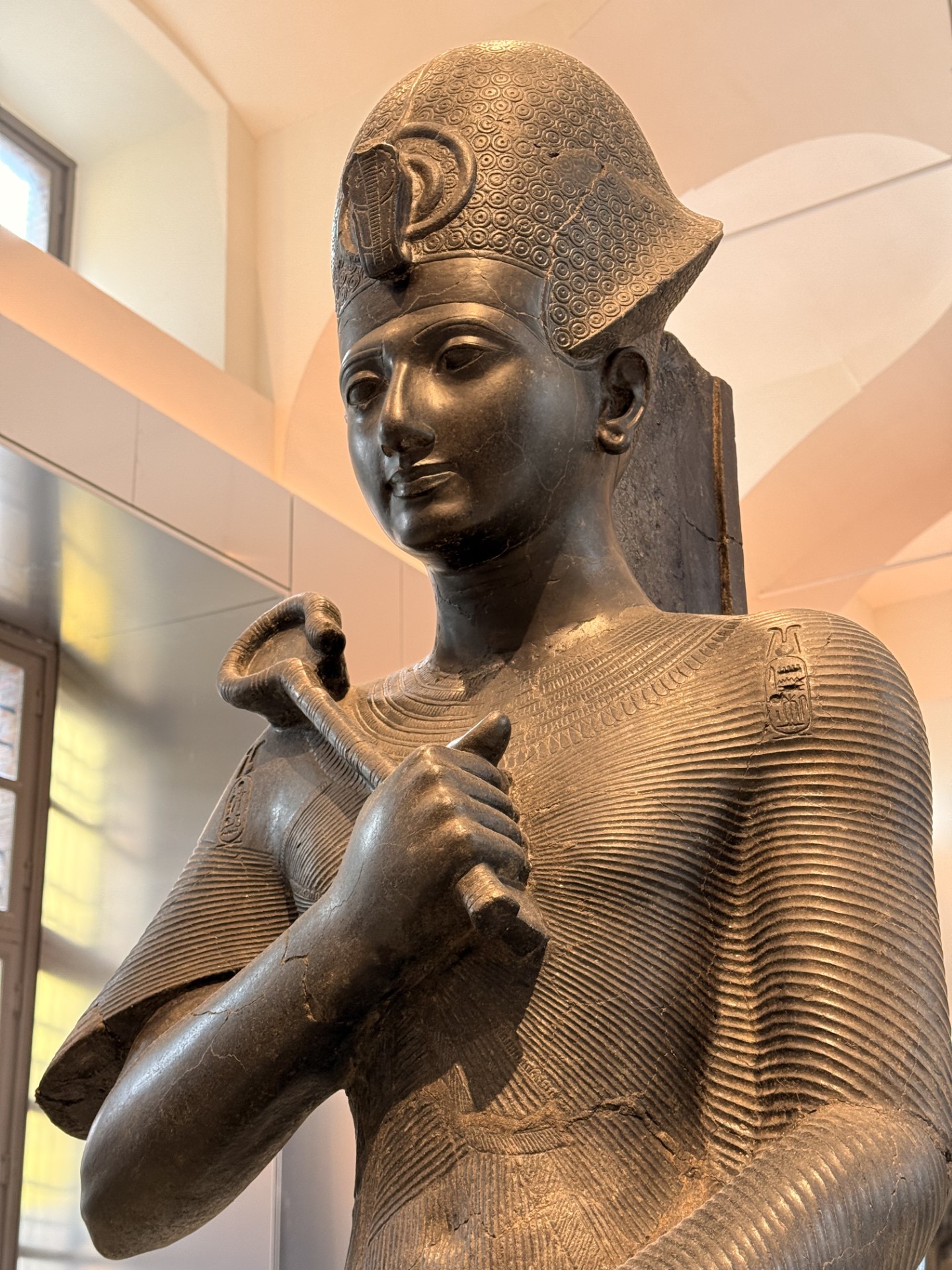
The Museo Egizio is the world’s oldest museum devoted entirely to ancient Egyptian culture and the second-largest Egyptological collection after the Egyptian Museum of Cairo. It was founded in 1824 when King Charles Felix of Savoy acquired the 5,268-piece Drovetti collection and installed it in the Palazzo dell’Accademia delle Scienze, a 17th-century Guarino Guarini building that has housed it ever since. The current layout, opened in April 2015, was designed by the Turin studio Isolarchitetti with set designer Dante Ferretti and unfolds across roughly 10,000 square metres on four levels.
- Address
- Via Accademia delle Scienze 6, 10123 Torino TO, Italy
- Period
- Founded 1824; Palazzo dell'Accademia delle Scienze begun 1678 (Guarino Guarini)
- Founder
- King Charles Felix of Savoy (Carlo Felice) — Drovetti collection of 5,268 pieces
- Architects (2015 redesign)
- Isolarchitetti (Turin) with Dante Ferretti, Oscar-winning production designer
- Function
- Egyptology museum and research foundation
- Current use
- Active museum; second-largest Egyptian collection in the world after Cairo
- Coordinates
- 45.0683° N, 7.6841° E
- Notes
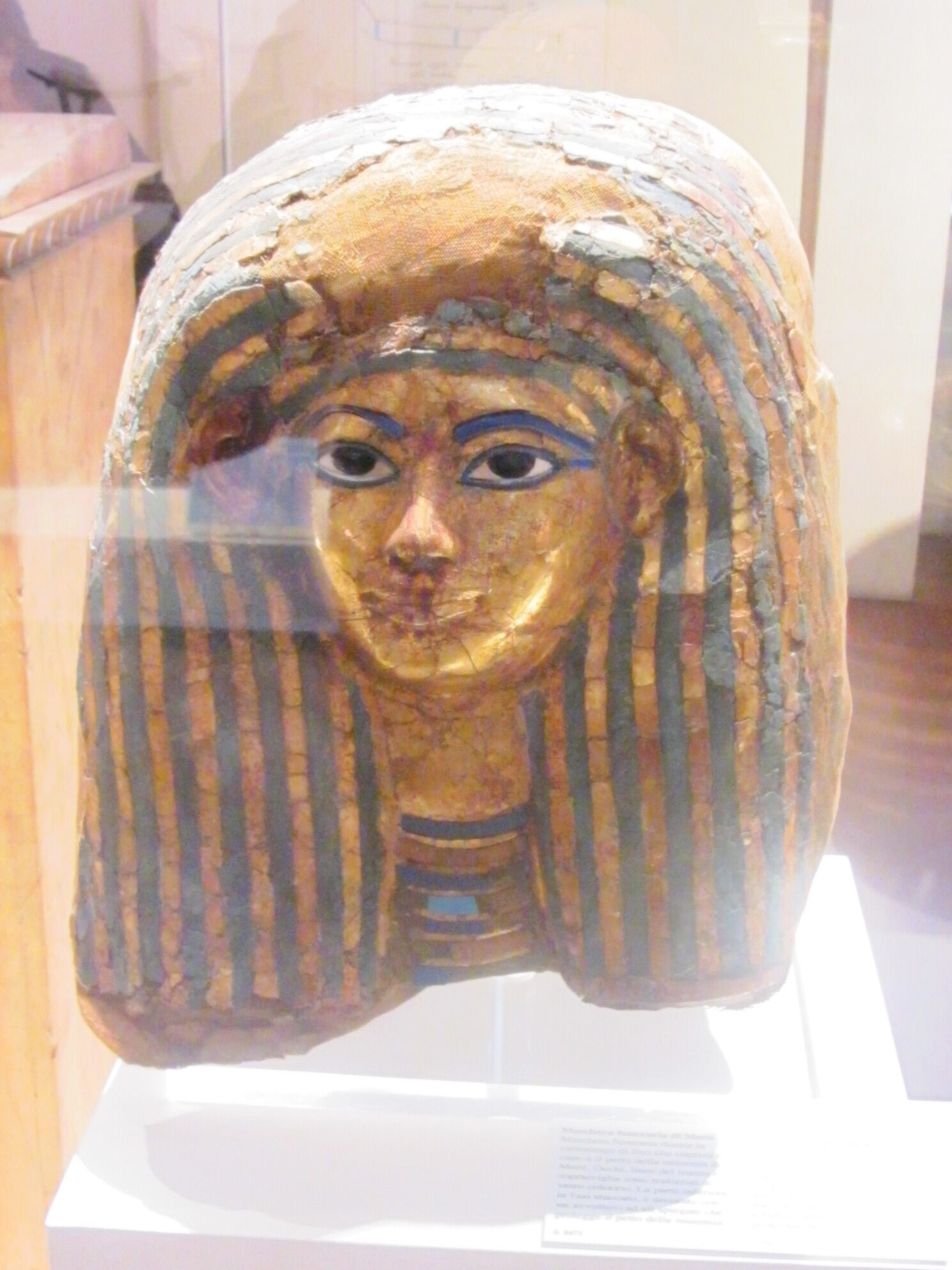
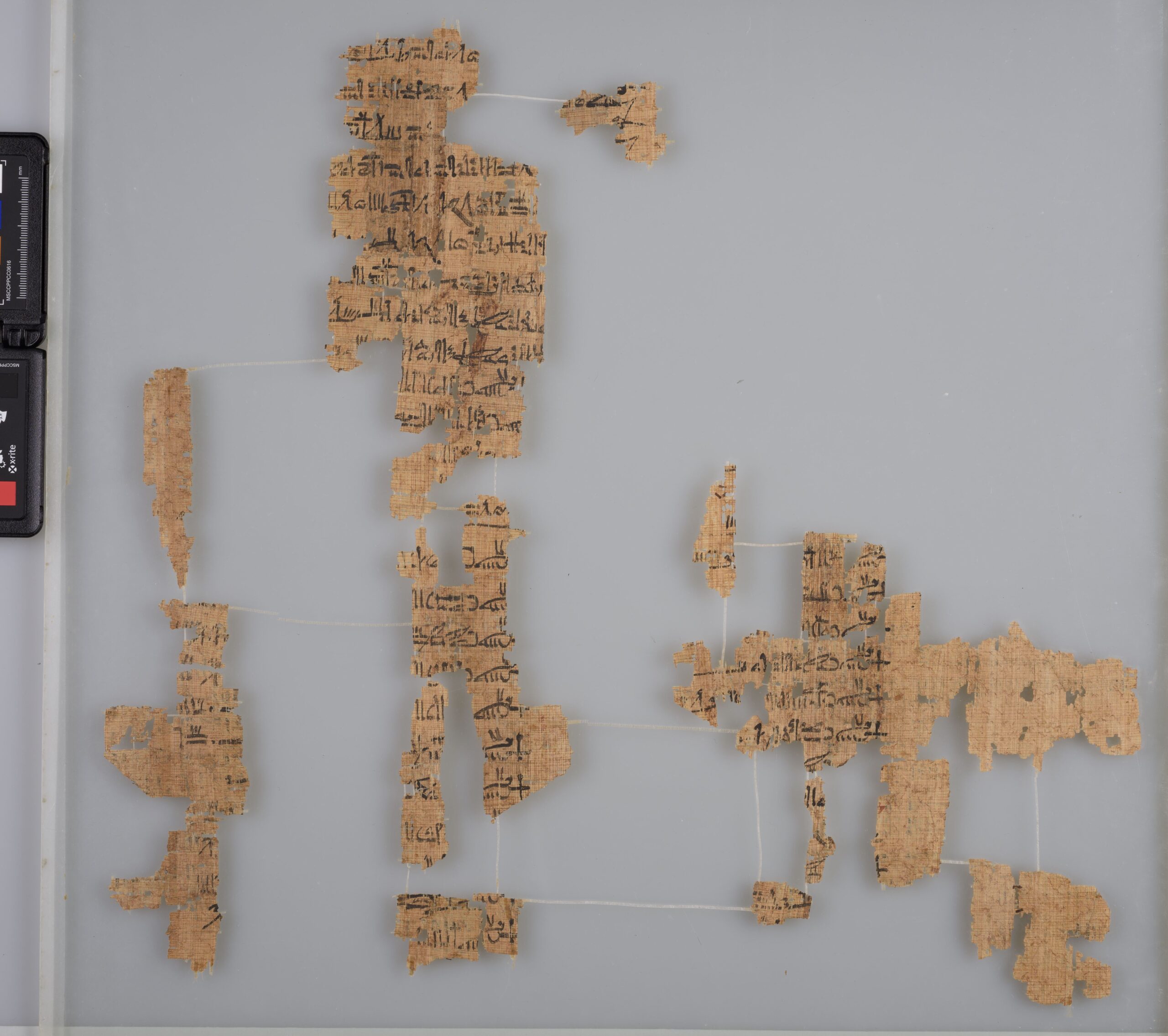
- Houses the intact Tomb of Kha and Merit (Schiaparelli, 1906) and the Turin Royal Canon papyrus
Gallery
Two anchors of the Turin collection: the intact Kha and Merit assemblage from Deir el-Medina and the Ramesside Royal Canon papyrus used in the early decipherment of hieroglyphs.
Visit on the map
Via Accademia delle Scienze 6 · 45.0683° N, 7.6841° E
Download for your navigator
A single waypoint, ready for GPS apps, navigators, and contacts.
The museum traces its origin to 1824, when King Charles Felix of Savoy purchased the collection assembled in Egypt by the Piedmontese-born French Consul General Bernardino Drovetti — 5,268 objects, including roughly 100 statues, 170 papyri, stelae and mummies — and installed it in the Palazzo dell’Accademia delle Scienze in central Turin, a building begun in 1678 to designs by Guarino Guarini. In the same year Jean-François Champollion travelled to Turin to study the papyri and test his decipherment of hieroglyphs against them, work that produced his celebrated remark that the road to Memphis and Thebes ran through Turin. The Sossio collection (over 1,200 pieces) was added in 1833, consolidating the institution as the first museum in the world dedicated exclusively to ancient Egypt.
“The road to Memphis and Thebes passes through Turin.”
Jean-François Champollion, after his 1824 study of the Drovetti papyri in Turin
Between 1900 and 1928 the directorship of the Egyptologist Ernesto Schiaparelli transformed the collection. Through the Italian Archaeological Mission’s campaigns at Deir el-Medina, the Valley of the Queens and other sites, Schiaparelli brought to Turin some of the museum’s defining holdings: above all the intact Tomb of Kha and Merit (TT8), discovered on 15 February 1906, with more than 440 objects — furniture, textiles, food offerings, the wooden sarcophagi and the gilded funerary masks of the couple — preserved as a complete 18th-Dynasty burial assemblage. To this period also belong the Ramesside Turin Royal Canon (Papiro dei Re), a 5.20-metre seated statue of Ramesses II carved in black granite, and a deep series of papyri, stelae and statuary that together cover roughly four thousand years of Egyptian material culture.
The current museum is the product of a long redesign carried out between 2006 and April 2015 by the Turin studio Isolarchitetti, with set design by the Oscar-winning Dante Ferretti, which doubled the exhibition area to about 10,000 square metres on four levels. The intervention created the present Gallery of Kings, in which colossal pharaonic statues — Ramesses II, Sethy II, Amenhotep II and others — are staged in low light against black walls and mirrored surfaces, and reorganised the displays around a continuous chronological narrative from the Predynastic to the Coptic period. The Museo Egizio today holds more than 37,000 catalogued artefacts, about 6,500 of them on permanent display, and operates as both a public museum and a research foundation.
Resources & References
Editorial picks across Wikipedia, photo archives, and the official portal.
All photographs Wikimedia Commons (CC-BY / CC-BY-SA / Public Domain) unless otherwise stated. Editorial text Cultural Heritage Online, OASIS Tech LLC USA.
See the place
Find it on the map
See this place and what’s around it →Historical events at this place (2)
📷 Become a Cultural Heritage Online photographer
Share your photos of places: they stay published under your name as the author. The more they're seen, the more you get noticed — and soon a contest will reward the most appreciated photos.
Log in or sign up free to add a photoIs this page about you?
This page is read by travellers and heritage enthusiasts who find it on Google. Tell us how you are connected to this place and we will take it from there.