
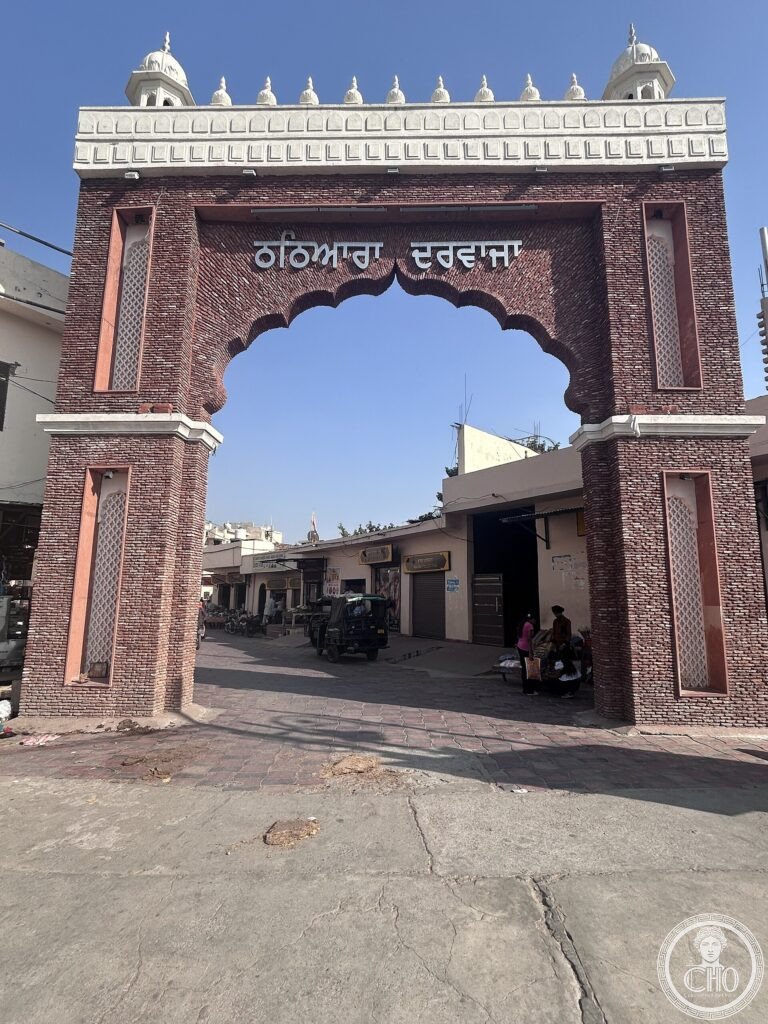
The Thathera community of Jandiala Guru practices an ancient tradition of hand-beaten brass and copper utensil-making, a craft passed through generations of Hindu and Sikh artisans whose skill transforms sheet metal into functional and ceremonial vessels.
At a glance
The Thathera craft is the traditional occupation of a hereditary artisan caste whose name literally means ‘the beater’—a reference to the fundamental technique of the trade. Working with brass and copper, Thathera craftspeople create domestic and ritual utensils by hand, combining metallurgical knowledge with rhythmic, practiced skill.
Origins & history
The Thathera caste has maintained this metalworking tradition across centuries in Punjab. The practice is rooted in the community’s hereditary knowledge of metals, their properties, and the techniques required to shape them into vessels for cooking, storage, and religious use.
The practice
A Thathera craftsperson works with sheets of brass or copper, shaping them through repeated, controlled strikes—the ‘beating’ that gives the community its name. Each utensil is formed gradually, the metal responding to hammer and anvil in hands trained from childhood. The sound of the workshop is one of rhythmic metallic percussion, punctuated by the hiss of cooling and tempering. Vessels range from small cooking pots to larger storage containers, each bearing the marks of individual craftsmanship.
Cultural significance
The Thathera craft sustains both practical and spiritual dimensions of household and community life. The utensils produced are integral to daily cooking, food storage, and ritual observance in Hindu and Sikh traditions. Recognition by UNESCO acknowledges the craft as essential to the intangible heritage of Punjab and India, preserving knowledge and skill systems that connect present practitioners to their ancestors.
Key facts
- Anchor community: Jandiala Guru, Punjab, India (31.56364°N, 75.02274°E)
- Practitioner community: Hindu and Sikh Thathera artisans
- Primary materials: Brass and copper sheet
- UNESCO inscription: 2014 (Reference 00845)
Where to experience it
Jandiala Guru, in Punjab, remains the heartland of the Thathera tradition. Visitors may encounter the craft through workshops and demonstrations in the community, where the sound and rhythm of metal-beating continue to shape daily life and the landscape of the village.
Sources & resources
Find it on the map
See this place and what’s around it →📷 Become a Cultural Heritage Online photographer
Share your photos of places: they stay published under your name as the author. The more they're seen, the more you get noticed — and soon a contest will reward the most appreciated photos.
Log in or sign up free to add a photo