
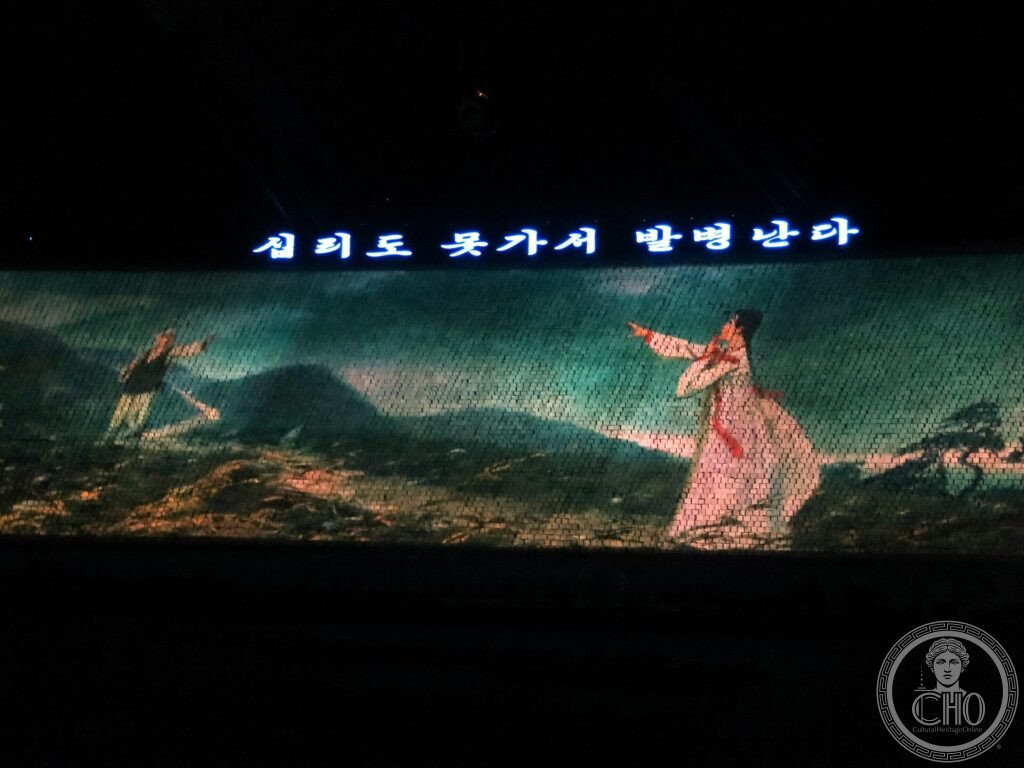
A Korean folk song of more than 600 years, Arirang exists in approximately 3,600 variations across 60 different versions, each anchored by the iconic refrain that gives the song its name. Sung in both North and South Korea, it resonates as a symbol of cultural unity across the divided peninsula.
At a glance
Arirang is a traditional Korean folk song distinguished by its characteristic refrain—”arirang, arirang, arariyo”—that threads through countless regional and contextual versions. The song’s durability and adaptability have allowed it to survive centuries of change, absorbing new melodies, lyrics, and meanings while retaining its essential identity. Today it remains one of Korea’s most recognizable cultural expressions.
Origins & history
The origins of Arirang extend back more than six centuries, though the precise moment of its emergence remains obscure. What is certain is that the song has evolved into a living tradition, generating roughly 3,600 variations as different communities, generations, and occasions shaped its form. The song’s refrain has remained the thread connecting these iterations—a constant across profound change.
The practice
Arirang is performed as a vocal tradition, with singers delivering the characteristic refrain in styles ranging from intimate to communal. The song’s lyrics and melodies shift according to regional custom and the moment of performance—work songs, courtship songs, laments, and celebrations all claim Arirang as their vehicle. The refrain “arirang, arirang, arariyo” anchors each version, creating immediate recognition even as the surrounding verses transform.
Cultural significance
Arirang transcends entertainment or nostalgia to function as a symbol of Korean cultural identity and continuity. Its presence in both North and South Korea gives it unique symbolic weight—a shared inheritance that persists despite political division. The song speaks to resilience, adaptation, and the capacity of cultural practice to endure across centuries and circumstances.
Key facts
- Estimated age: more than 600 years
- Documented variations: approximately 3,600 across 60 different versions
- UNESCO Intangible Cultural Heritage inscription: 2012 (South Korea) and 2014 (North Korea)
- UNESCO reference number: 00445
- South Korean designation: Important Intangible Cultural Asset (2015)
- Geographic reach: performed throughout North and South Korea
Where to experience it
Seoul and the wider Korean peninsula remain the heartland of Arirang practice. The song continues to be performed in domestic settings, festivals, and cultural events throughout South Korea, maintaining its role in both formal presentation and everyday life.
Sources & resources
Find it on the map
See this place and what’s around it →📷 Become a Cultural Heritage Online photographer
Share your photos of places: they stay published under your name as the author. The more they're seen, the more you get noticed — and soon a contest will reward the most appreciated photos.
Log in or sign up free to add a photo