
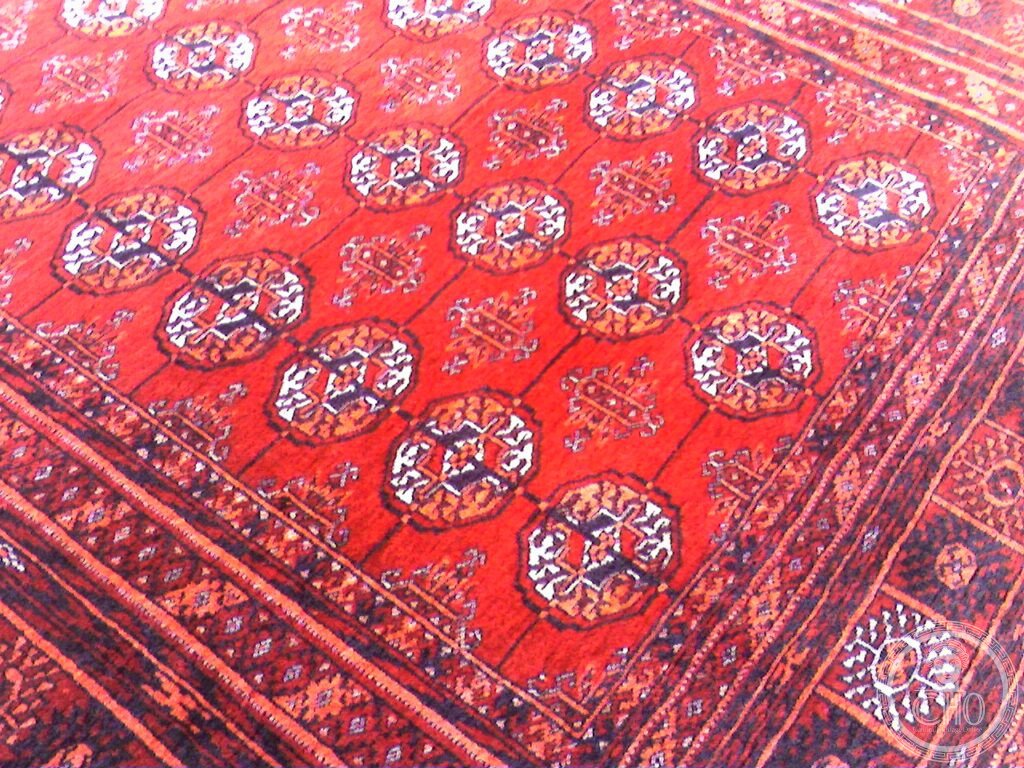
For centuries, Turkmen weavers have crafted handmade carpets that serve as both functional textiles and carriers of tribal identity, using traditional techniques passed down through generations.
At a glance
Turkmen carpet weaving is a living craft practised by Turkmen communities across Central Asia. Weavers—traditionally women within families and tribes—create floor coverings, tent furnishings, door hangings, and storage bags using wool, natural dyes, and hand-looms. The practice is rooted in the nomadic and semi-nomadic heritage of the Turkmen people, and each piece reflects regional tribal patterns and aesthetic traditions distinct from Persian and Afghan carpet-making styles.
Origins & history
Turkmen carpet weaving originates among the Turkmen tribes of Turkmenistan, Afghanistan, and Iran. The practice emerged from the practical needs of nomadic life, where portable, durable textiles served as insulation, decoration, and status markers within tent dwellings. Over centuries, weaving techniques and motifs became embedded in tribal identity, with patterns and colours carrying meaning and regional significance passed from mother to daughter and grandmother to granddaughter.
The practice
A Turkmen carpet begins on a horizontal or vertical loom, where weavers tie thousands of knots by hand using dyed wool yarn. The work demands sustained concentration, technical skill, and intimate knowledge of traditional patterns—geometric designs, gul (flower) motifs, and symbolic borders that distinguish Turkmen work from other Central Asian carpets. Natural dyes, traditionally sourced from plants and minerals, give the textiles their characteristic warm reds, deep blues, and earth tones. A single carpet may take months or years to complete, depending on size and complexity. The finished piece serves domestic, ceremonial, and commercial purposes: as floor coverings in homes and tents, as door hangings and wall decorations, and as storage bags for household goods.
Cultural significance
Turkmen carpets embody the creative identity and historical memory of Turkmen people. They are cultural symbols of heritage, skill, and continuity in a region shaped by nomadic tradition. The craft sustains family economies, transmits cultural knowledge across generations, and connects contemporary weavers to their ancestral past. Each regional style and tribal pattern tells a story of place, community, and artistic lineage.
Key facts
- Originating countries: Turkmenistan, Afghanistan, Iran
- Anchor community: Ashgabat, Turkmenistan (37.93898, 58.38078)
- Primary bearers: Turkmen tribal communities, predominantly women
- Materials: Wool yarn, natural plant and mineral dyes, hand-looms
- UNESCO Intangible Cultural Heritage: 2019 (Reference 01486)
Where to experience it
Ashgabat and the wider Turkmen heartland remain centres of active carpet weaving. Visitors may encounter the practice in family workshops, bazaars, and cultural institutions where weavers work at looms and finished carpets are displayed and traded. Specific festivals or public venues for the practice are not documented in available sources.
Sources & resources
- Turkmen rug — Wikipedia
- Traditional Turkmen Carpet-Making Art in Turkmenistan — UNESCO Intangible Cultural Heritage
- Cultural Heritage Online
Find it on the map
See this place and what’s around it →📷 Become a Cultural Heritage Online photographer
Share your photos of places: they stay published under your name as the author. The more they're seen, the more you get noticed — and soon a contest will reward the most appreciated photos.
Log in or sign up free to add a photo