
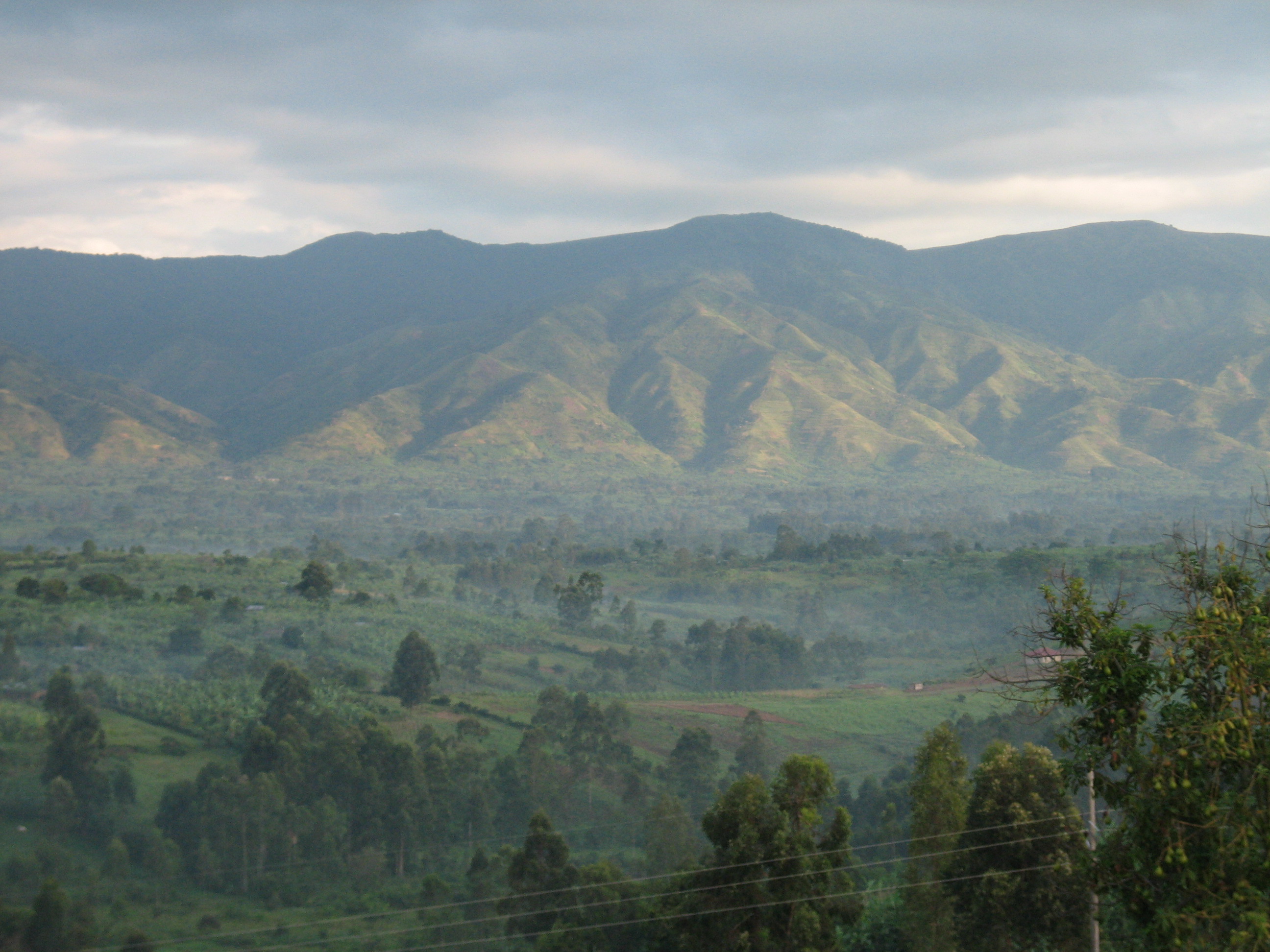
A UNESCO World Heritage Site spanning nearly 1,000 square kilometers, this mountain park shelters Africa’s third-highest peak alongside glaciers, alpine lakes, and exceptional plant ecosystems.
At a glance
Rwenzori Mountains National Park protects one of Uganda’s most dramatic landscapes. The park encompasses Africa’s third-highest mountain peak and is renowned for its striking biodiversity—from montane forests to alpine meadows studded with waterfalls and glacial lakes.
History
The park was established to preserve the Rwenzori Mountains, a vital ecological and geographical feature of East Africa. UNESCO recognition underscores its global importance as a natural heritage site.
What you see
The landscape is defined by dramatic elevation and natural features. Visitors encounter cascading waterfalls, alpine lakes fed by glacial melt, and extensive glaciers that crown the peaks. The vegetation transforms with altitude, creating distinct ecological zones that support rare and endemic plant species.
Cultural significance
The Rwenzori Mountains hold profound meaning for surrounding communities and international conservation efforts. The park’s plant life—diverse, resilient, and adapted to extreme alpine conditions—represents a living laboratory of ecological adaptation and remains critical for understanding mountain ecosystems in tropical Africa.
Key facts
- Location: Uganda
- Area: approximately 1,000 km² (386 sq mi)
- Coordinates: 0.4°N, 29.95°E
- UNESCO World Heritage Site: yes
- Notable feature: Africa’s third-highest mountain peak
Practical information & getting there
The park is accessed from western Uganda. High altitude and challenging terrain require proper preparation, including acclimatization time and appropriate equipment for mountain conditions. Consult with local guides and park authorities before planning a visit.
Sources & resources
Find it on the map
See this place and what’s around it →📷 Become a Cultural Heritage Online photographer
Share your photos of places: they stay published under your name as the author. The more they're seen, the more you get noticed — and soon a contest will reward the most appreciated photos.
Log in or sign up free to add a photo