
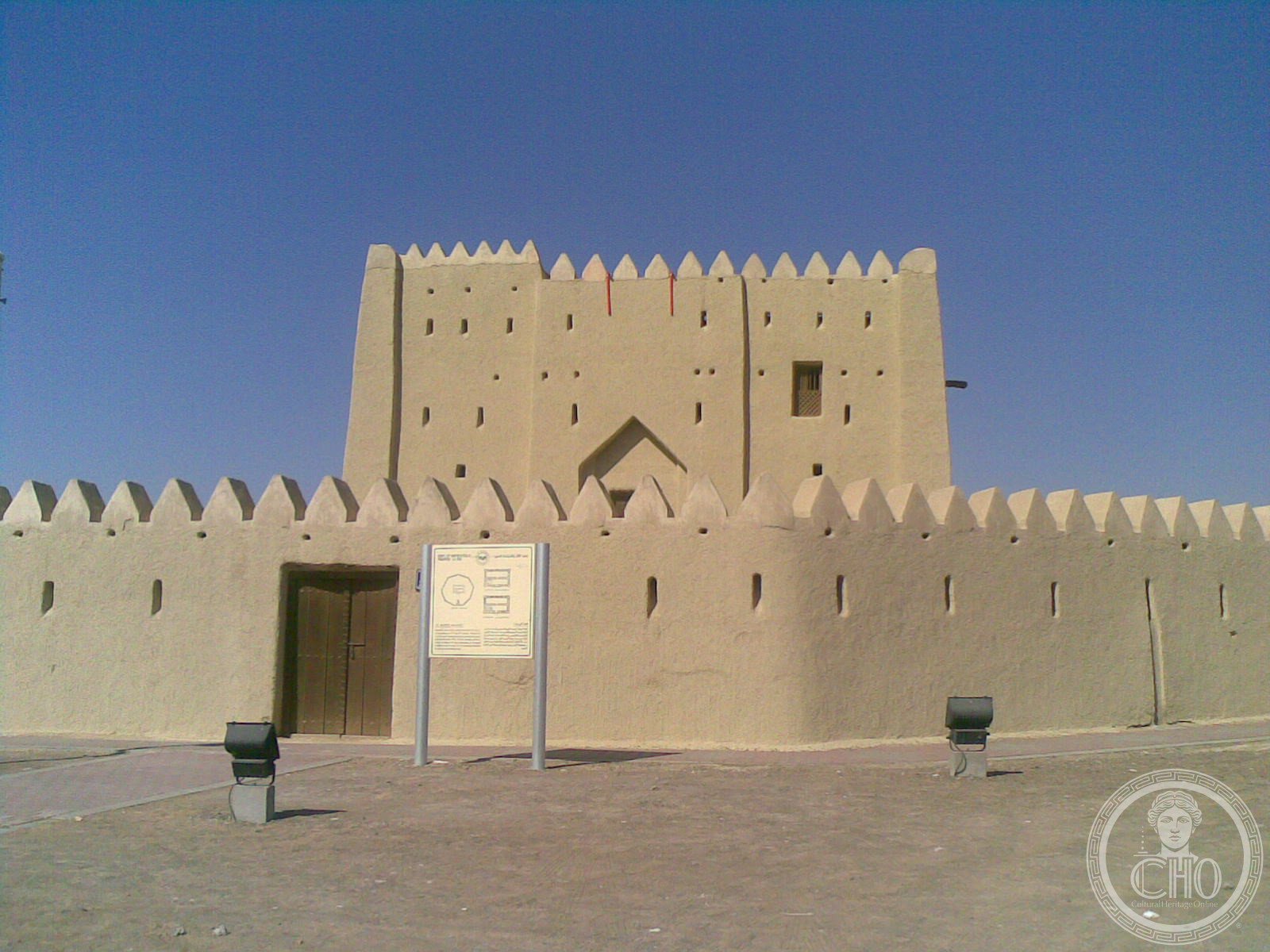
A layered archaeological site revealing millennia of settlement in the Al Ain region, from the Umm Al Nar period through Iron Age II, crowned by a substantial early 20th-century fort.
At a glance
Rumailah is a rectangular mound in Abu Dhabi containing multiple occupation phases. Beneath later structures lies evidence of Iron Age II habitation dated around 1,100–500 BCE, making it a crucial witness to the region’s ancient chronology.
History
Occupation at Rumailah extends back to the late Umm Al Nar period, a transformative era in the Arabian Peninsula. The most substantial phase of settlement occurred during Iron Age II, when the site hosted a major population center. The fort’s later construction, thought to date to the early 20th century, reflects continued human presence and the strategic importance of the Al Ain location across centuries.
What you see
The fort dominates the current landscape: a thick-walled structure built of coral and adobe, materials readily available in the UAE’s coastal and desert environment. Below this stands the Iron Age II settlement, preserved within the mound and accessible through archaeological excavation. The rectangular form of the mound itself tells of deliberate settlement planning in antiquity.
Cultural significance
Rumailah documents the long continuity of human settlement in Al Ain, a region where abundant freshwater springs supported life across multiple millennia. Its Iron Age II occupation provides critical data for understanding trade networks, settlement patterns, and daily life in the ancient Arabian Peninsula before the Islamic period.
Key facts
- Location: Al Ain, Abu Dhabi, United Arab Emirates (24.2769°N, 55.7589°E)
- Distance: 3 kilometres west of Hili Archaeological Park
- Primary occupation: Iron Age II (ca. 1,100–500 BCE)
- Earlier presence: Late Umm Al Nar period
- Later structure: Thick-walled coral and adobe fort, early 20th century
Practical information & getting there
Rumailah is situated within Al Ain’s archaeological precinct, proximate to Hili Park. For current visiting information, hours, and access conditions, contact Abu Dhabi’s Department of Culture and Tourism.
Sources & resources
Find it on the map
See this place and what’s around it →📷 Become a Cultural Heritage Online photographer
Share your photos of places: they stay published under your name as the author. The more they're seen, the more you get noticed — and soon a contest will reward the most appreciated photos.
Log in or sign up free to add a photoIs this page about you?
This page is read by travellers and heritage enthusiasts who find it on Google. Tell us how you are connected to this place and we will take it from there.