
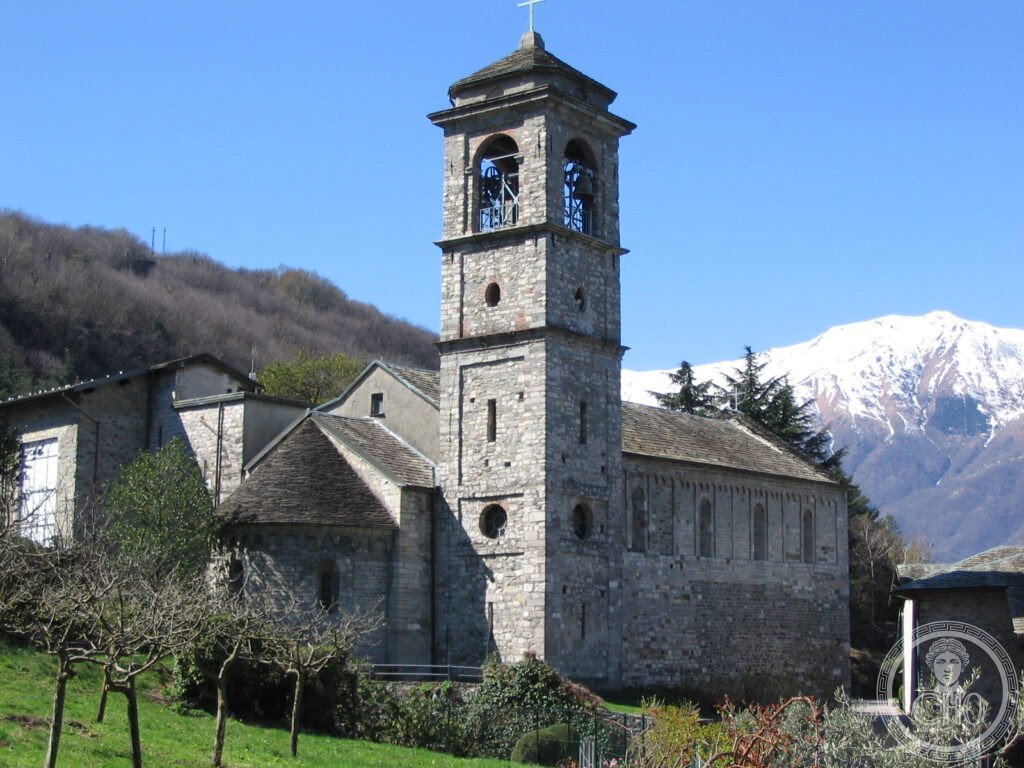
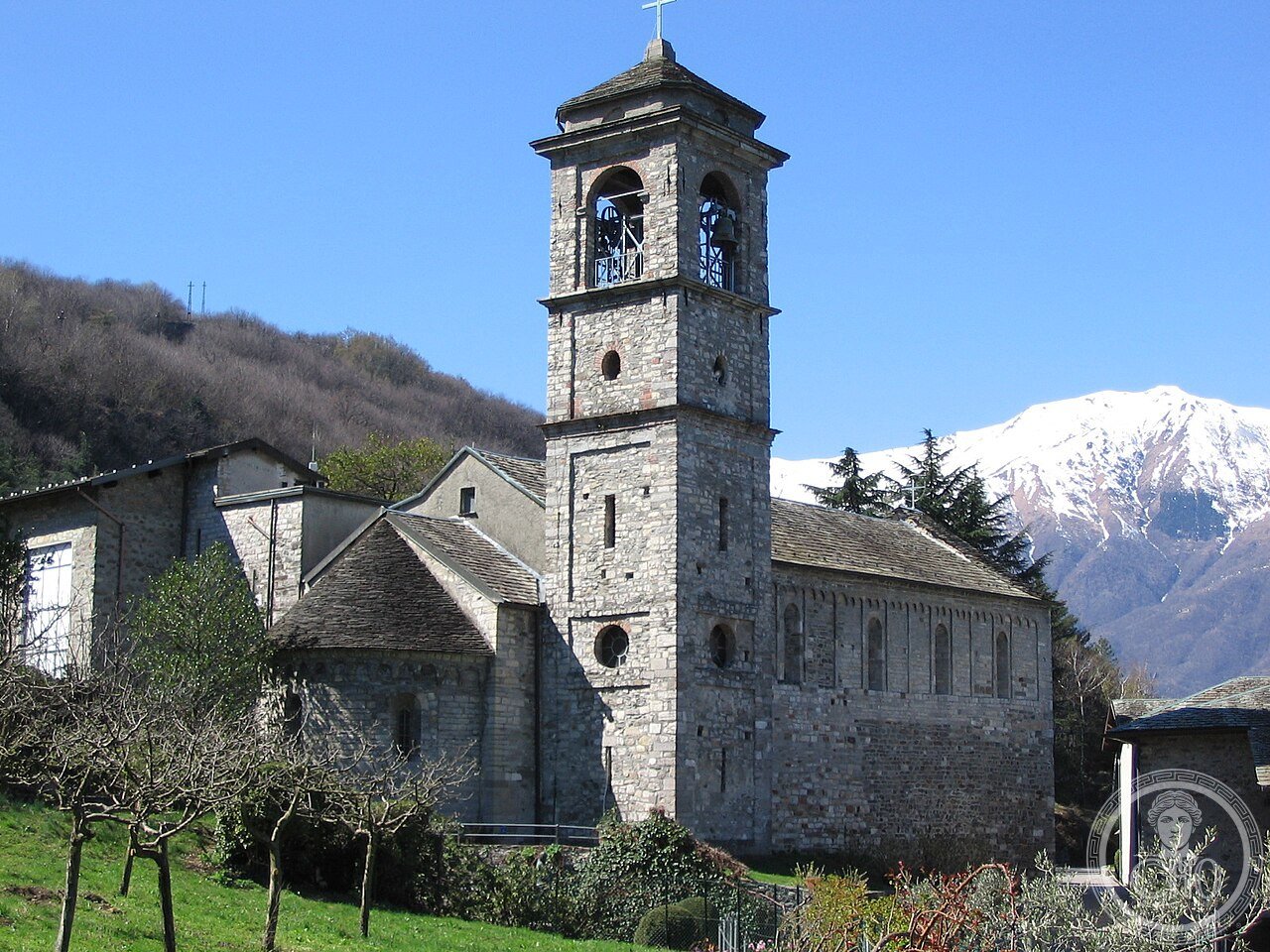
Il battello che viene da Como si avvicina alla penisola di Olgiasca, e la si vede: la chiesa romanica di pietra grigia, il campanile a bifore, il chiostro con gli archi gotici specchiati nell'acqua del ramo di Colico. I Cluniacensi costruirono questo priorato nell'XI secolo; oggi i Cistercensi ci distillano una grappa che i turisti del lago portano a casa come souvenir involontariamente medievale.
At a glance
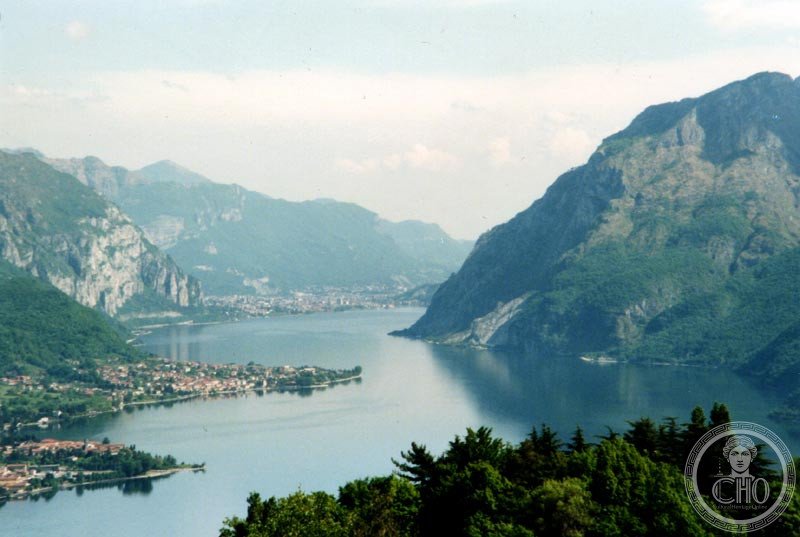
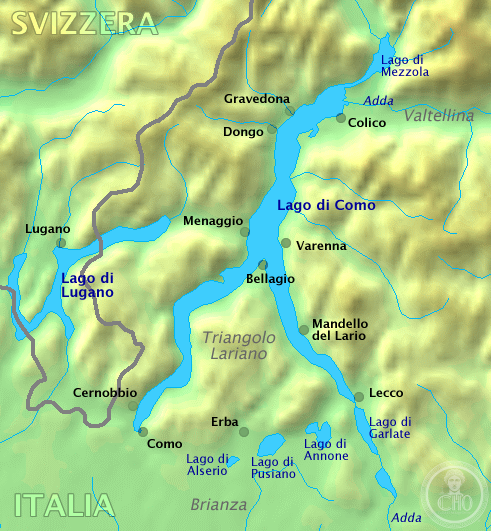
The Priorato di Piona (Abbey of Piona) occupies a small wooded peninsula (the Olgiasca headland) on the eastern shore of the northern arm of Lake Como, 5 km south of Colico. The church and cloister, built between the 11th and 14th centuries, represent the northernmost extension of Cluniac monasticism in Lombardy and form one of the most beautifully sited religious buildings in Italy. The church is Romanesque, built in local grey stone with a distinctive bell tower; the cloister, added in the 13th–14th centuries, has pointed Gothic arches with carved capitals showing human figures, animals, and interlace. The lake setting — the cloister garth opens toward the water, with the Alps of the Valtellina visible across the lake — gives the place a quality of visual drama unique among Italian monasteries. The Cistercian community that has occupied the priory since 1937 produces grappa, amaro, grappamiel (grappa and honey), and other spirits, sold in the abbey shop.
Key facts
- Founded: 11th century; Cluniac priory dependent on Cluny (Burgundy); passed through various orders before being acquired by the Cistercians in 1937
- Church of Sant'Agostino: Romanesque, 11th–12th c.; single nave; grey local stone; bell tower with Lombard bifore (double-arched windows); an older foundation (5th–7th c.) is documented under the current church
- Cloister: 13th–14th c. Gothic; 22 bays with pointed arches on twin columns; carved capitals with human figures, animals, foliate ornament; one of the finest Gothic cloisters in Lombardy
- Grappa and spirits: the monks' distillery produces grappa (from Valtellina grapes), grappamiel (grappa with honey from the monastery's bees), and herbal amaro; sold in the abbey shop and in local shops
- Lake setting: the priory is accessible by car (3 km from Colico) or by boat; the view from the lake, with the church and cloister on the headland, is one of the iconic images of Lake Como
History
The peninsula of Olgiasca had a Christian presence documented from the 5th–7th centuries; an early church dedicated to Sant'Agostino is attested. The Cluniac priory was established in the 11th century, when the reforming monastic movement from Cluny in Burgundy was at the height of its expansion across western Europe. Cluny's model — a highly organized federation of dependent priories under the direct authority of the abbot of Cluny, all following a uniform liturgy — made it the most powerful monastic institution in 11th-century Europe; priories like Piona were part of this network. The building campaign of the 11th–14th centuries produced the church and cloister that survive today. After the decline of the Cluniac network in the later Middle Ages, the priory passed through several owners, including the Augustinian Canons, before falling into disuse. In 1937 the Cistercian monks of Casamari (Lazio) established a new community at Piona; they have maintained the priory ever since, combining monastic life with distilling and tourism.
What you see
The approach to Piona from Colico is by a narrow road through the headland woods; the priory appears at the road's end, facing a small bay. The church facade, in grey stone, has a simple Romanesque portal; the bell tower stands free of the church on the left, with its Lombard-style bifore windows. The interior of the church is a single nave with wooden roof; the barrel-vaulted presbytery is Romanesque; fragments of 14th-century frescoes survive in the apse. The cloister, entered from the north side of the church, is the architectural climax: 22 bays of pointed Gothic arches frame a garth that opens on the lake side to a view of the Alps across the water. The carved capitals — human heads, animals, birds, interlace — are varied and inventive. The distillery and shop are in the monastery's south wing; visitors can taste and buy the grappa and amaro after visiting the church and cloister.
Practical information
- Opening hours: daily 09:00–12:00 and 14:00–17:00 (summer: until 18:00)
- Admission: free (donation welcome)
- Abbey shop: open same hours; grappa, grappamiel, amaro, honey
- By boat: scheduled ferry from Como stops at Colico; no direct boat landing at Piona but private boat possible
- Time needed: 30–45 minutes
Getting there
By car from Colico (5 km south): signs to Olgiasca and Abbazia di Piona from Colico town. By ferry: Como–Colico service (Navigazione Laghi); 5 km by car or taxi from Colico to Piona. GPS: 46.0650° N, 9.3528° E.
Nearby
- Colico — 5 km north; town at the northern tip of Lake Como; 19th-century fortifications (Forte Montecchio Nord); windsurfing and sailing
- Varenna — 15 km south; medieval village on the eastern shore of Lake Como; Villa Cipressi and Villa Monastero (botanical gardens); Vezio Castle
- Bellano — 20 km south; Orrido di Bellano (gorge); Romanesque-Gothic church of Santi Nazaro e Celso
Sources
- Wikipedia — “Piona Abbey” (en.wikipedia.org/wiki/Piona_Abbey)
- Abbazia di Piona (official website — abbaziadipiona.it)
- Brogiolo, G.P., Architettura romanica in Lombardia, Milan 1993
Find it on the map
See this place and what’s around it →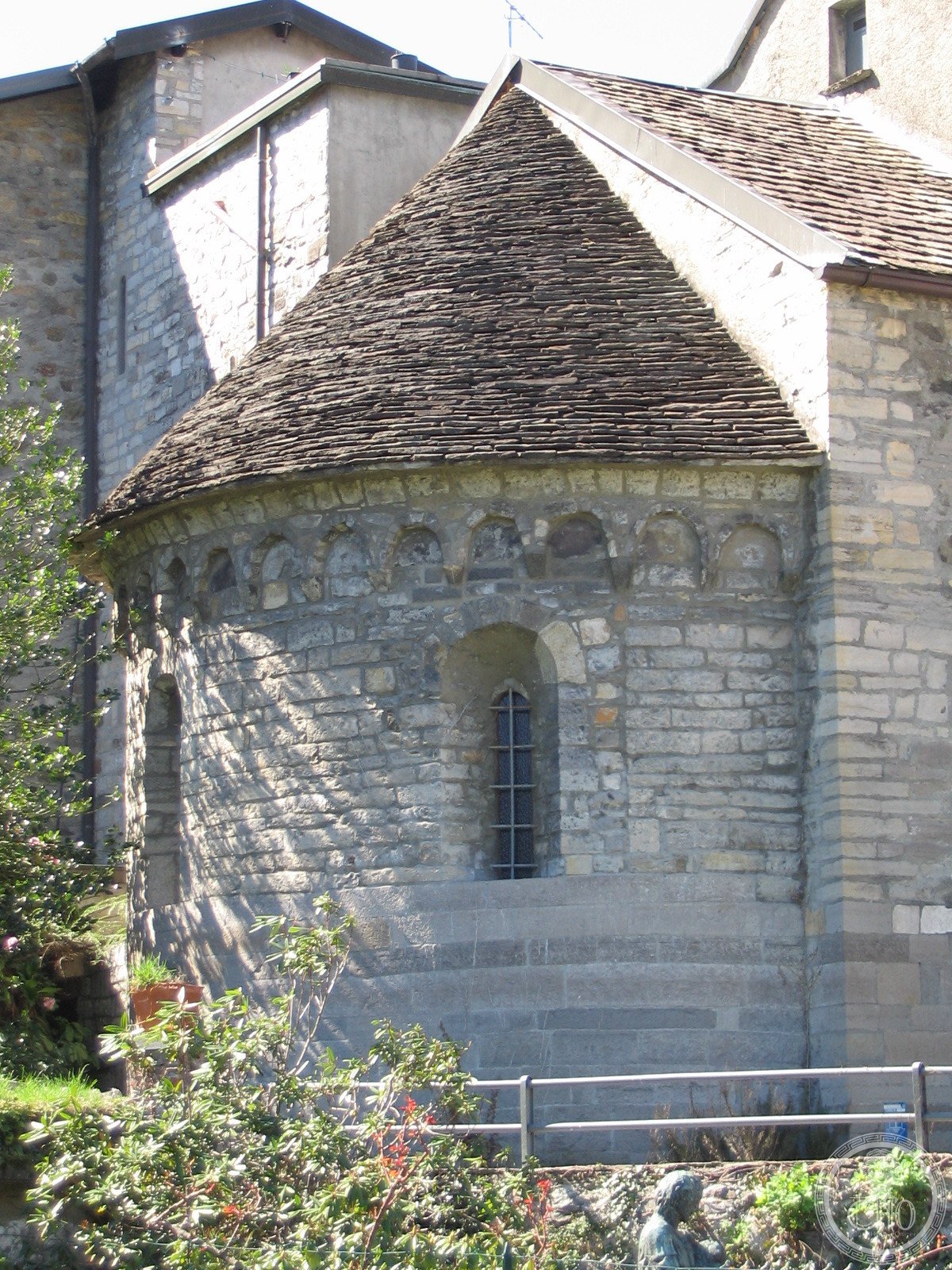
📷 Become a Cultural Heritage Online photographer
Share your photos of places: they stay published under your name as the author. The more they're seen, the more you get noticed — and soon a contest will reward the most appreciated photos.
Log in or sign up free to add a photoIs this page about you?
This page is read by travellers and heritage enthusiasts who find it on Google. Tell us how you are connected to this place and we will take it from there.