
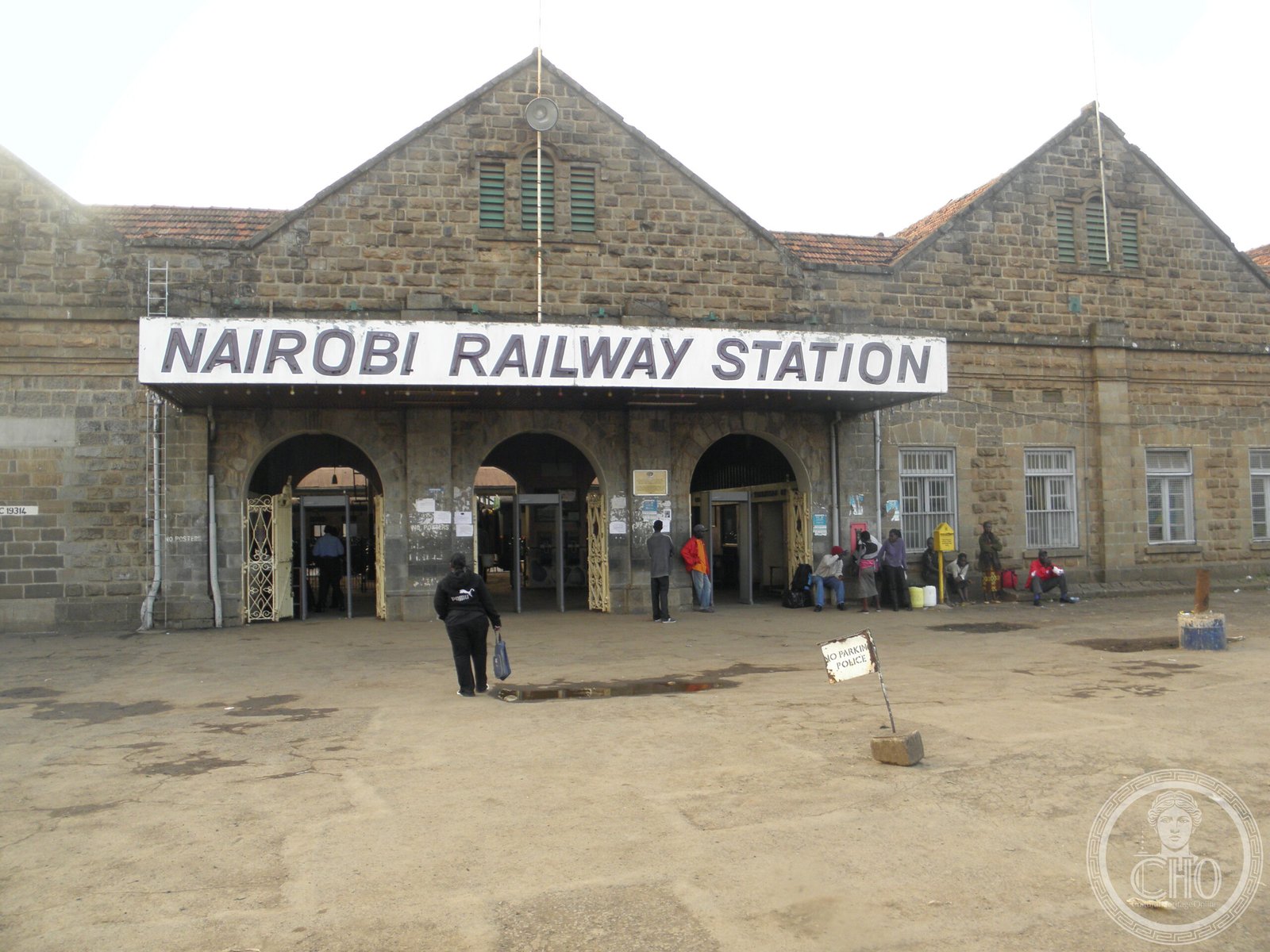
Nairobi Railway Station, built in 1899, is one of the oldest and most historically significant structures in Kenya's capital. Constructed as the principal terminus on the Uganda Railway — the ambitious metre-gauge line built by the British to connect the East African coast to the interior — the station effectively gave birth to Nairobi itself, which grew from a temporary rail depot into a major colonial city. Its robust colonial-era architecture, set at the southern edge of the CBD, reflects the Victorian ambition of East African railway expansion. Although intercity passenger services have shifted to the modern Standard Gauge Railway terminus, the station remains active for freight and metro rail, and its adjacent Railway Museum is one of East Africa's finest collections of historic locomotives.
At a glance
- Type
- Railway station
- Period
- 1899
- Style
- British Colonial
- Location
- Station Road, Nairobi, Kenya
- Coordinates
- 1.2917° S, 36.8286° E
- Architect(s)
- Uganda Railway Engineering Department
Overview
Nairobi Railway Station sits at the southern edge of the CBD and operates on the metre-gauge network inherited from the Uganda Railway. For over a century it was the beating heart of Kenya's rail system, connecting Nairobi to Mombasa on the coast and, through the East African Railways network, to Uganda and Tanzania. The station compound also houses the Nairobi Railway Museum, established in 1971, which preserves a remarkable collection of historic steam and diesel locomotives and offers visitors a vivid window into the railway age that shaped East Africa.
History
The Uganda Railway reached the site of present-day Nairobi in 1899, and the railway camp that grew up around the terminus became the foundation of the city. The station building, constructed that same year, received successive structural additions throughout the twentieth century as traffic expanded. For decades it handled millions of passengers and vast quantities of freight, including tea, coffee, and agricultural exports from the Kenyan highlands. The Kenya-Tanzania international rail link closed in 2006. In 2012, a new metro rail service to Syokimau suburban station opened. The completion of the Mombasa-Nairobi Standard Gauge Railway in 2017, operating from a separate terminus, ended long-distance passenger services from the historic station.
Architecture & Design
The station exemplifies the utilitarian but dignified aesthetic of late Victorian British colonial railway architecture. The main building presents a symmetrical facade of plastered masonry construction with a prominent central entrance bay, arched openings, and a low-pitched roof suited to the tropical climate. The design follows the template applied across the British colonial railway network in East Africa and India: functional clarity married to a degree of civic grandeur appropriate to a major terminus. Later twentieth-century additions are more prosaic, but the original core retains its character as a piece of Victorian imperial infrastructure that has been continuously adapted to modern use.
Cultural significance
Nairobi Railway Station is nothing less than the birthplace of the city. Without the Uganda Railway and its Nairobi terminus, one of Africa's great capitals would not exist. The station carries profound significance as both an origin point and a symbol of East Africa's complex colonial history. The Railway Museum compounds this significance by preserving the material culture of a transport revolution that transformed the continent. For Kenyans, the station is at once a site of colonial memory, industrial heritage, and urban identity.
Visiting today
The Nairobi Railway Museum, adjacent to the station, is the primary draw for heritage visitors and is open to the public. It features historic steam and diesel locomotives, carriages, and railway artefacts, and occasionally runs steam excursions on restored rolling stock. The station itself handles metro commuter rail services to Syokimau. The surrounding neighbourhood is undergoing significant redevelopment as Nairobi expands southward.
Getting there
The station is located on Station Road, approximately 2 km south of Kenyatta Avenue in central Nairobi. It is accessible by matatu, taxi, and ride-hailing services (Uber, Bolt). The metro commuter rail service connects the station to Syokimau, roughly 20 km away. Jomo Kenyatta International Airport is approximately 16 km southeast of the station, a 30-45 minute drive depending on traffic.
Sources & resources
Find it on the map
See this place and what’s around it →Record researched and written by Luigi De Marchi for Cultural Heritage Online, 2026.
📷 Become a Cultural Heritage Online photographer
Share your photos of places: they stay published under your name as the author. The more they're seen, the more you get noticed — and soon a contest will reward the most appreciated photos.
Log in or sign up free to add a photoIs this page about you?
This page is read by travellers and heritage enthusiasts who find it on Google. Tell us how you are connected to this place and we will take it from there.