
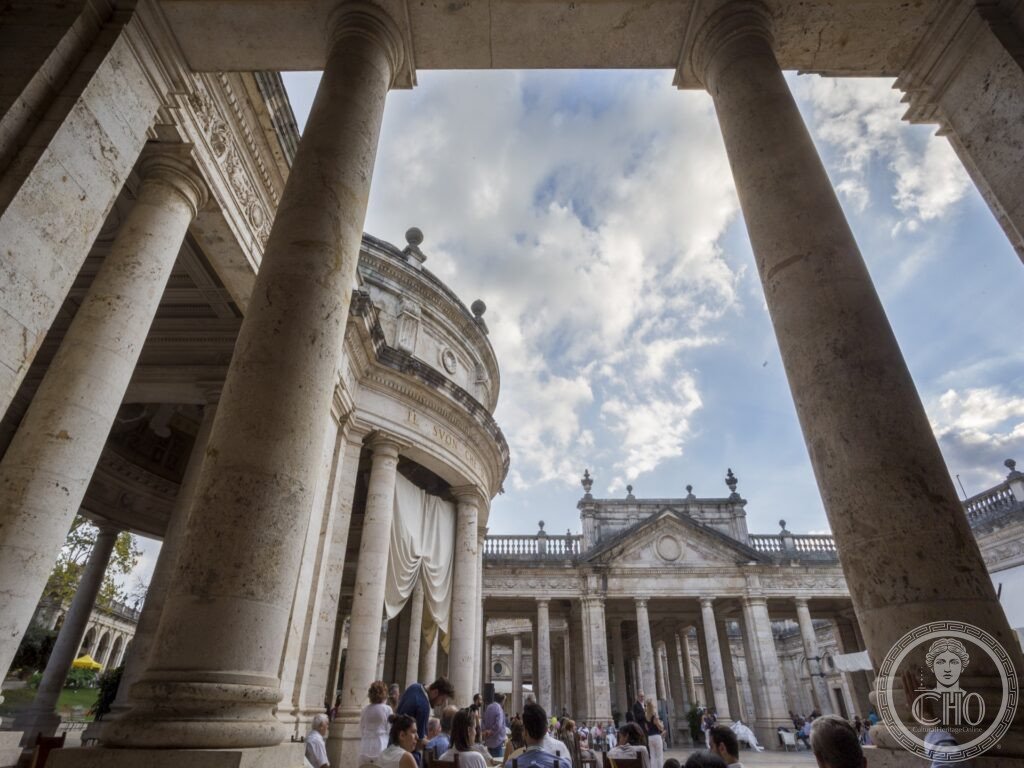
Montecatini Terme — Italy’s representative in the 11-city transnational serial property “The Great Spa Towns of Europe” (UNESCO 2021) — contains in the 7-hectare Parco delle Terme a sequence of thermal bathing establishments built between 1898 and 1927 in an exceptionally pure Liberty (Art Nouveau) style that represents the final phase of the European thermal resort typology: a tradition that began with Bath in the 18th century and culminated in the ornate pavilions and colonnades of Central Europe and Italy before the First World War ended the Belle Époque.
At a glance
Montecatini Terme (province of Pistoia, Toscana; UNESCO 2021, ref. 1618) is the Italian component of the transnational serial property “The Great Spa Towns of Europe 1700-1920” — 11 historic spa towns across 7 European countries (Austria, Belgium, Czech Republic, France, Germany, Italy, United Kingdom) recognized for their outstanding universal value as an ensemble that “represents an outstanding example of the interchange of values underlying the development of the European spa town between c.1700 and the 1930s” (WHC criterion ii, iii, iv). The Montecatini Terme component covers the historic spa park (Parco delle Terme) with six thermal establishments: the Tettuccio (1898-1927, the largest and most ornate), the Terme Leopoldine (1775, neoclassical), the Stabilimento Excelsior (1915), the Terme Redi (1926), the Terme Regina (1924), and the Stabilimento La Salute (1926); plus the associated urban fabric of hotels, villas, and gardens built between 1870 and 1930 that represent the complete European spa-resort typology.
Key facts
- Il Tettuccio (1913-1927, Ugo Giovannozzi): The Tettuccio is the most elaborate of the six Montecatini establishments: its design (commissioned by the Società delle Terme di Montecatini at the peak of the Liberty fashion in Italy, with Ugo Giovannozzi as chief architect, 1913-1927) incorporates a 150-metre curved colonnade (in concrete, faced with marble and decorated with mosaic panels by Galileo Chini and other leading Liberty decorators), a central pool-hall (the “source room” where the thermal water flows from spigots into drinking cups), and surrounding gardens; the total enclosed area is approximately 20,000 m² making it the largest indoor spa establishment in Italy; the decoration programme (Galileo Chini’s mosaic panels, the painted ceilings, the stucco friezes, and the bronze fountain elements) is the most complete ensemble of applied Liberty art in any single Italian building
- Le sorgenti termali (acqua oligominerale): Montecatini’s thermal waters (oligomineral sulphate-bicarbonate-magnesium waters, naturally warm at ~27°C) have been used therapeutically since at least the Roman period; the systematic medical exploitation began in 1417 under Filippo Brunelleschi’s supervision (the architect commissioned by Uguccione Malatesta to repair the Roman-era spas); the waters are still prescribed today by Italian GPs for digestive disorders (the Tettuccio water, salty and mildly bitter, is the most actively therapeutic)
- Galileo Chini (1873-1956) e la decorazione Liberty del Tettuccio: Galileo Chini — the Florentine painter, ceramicist, and decorator who is the central figure of Italian Liberty — executed the tile and mosaic decoration of the Tettuccio (1913-1927) and is also the designer of the ceramic tile programme of the Palazzo di Bangkok’s throne room (1911-1913, commissioned by King Chulalongkorn of Siam); the Tettuccio is the largest and most complete single programme of Chini’s work surviving anywhere
- UNESCO: 2021, ref. 1618 (transnational serial property: Bath, Spa, Vichy, Baden-Baden, Bad Ems, Bad Kissingen, Frantikovy Lázně + Karlovy Vary + Mariánské Lázně, Montecatini Terme)
- GPS: 43.8808, 10.7734 — Google Maps (Terme Tettuccio, Montecatini Terme)
History
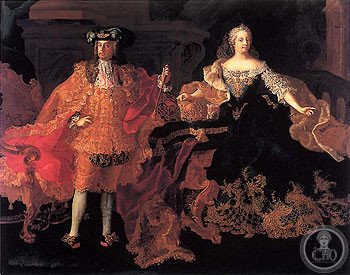
The thermal springs at Montecatini were used in antiquity and are documented in medieval sources; the first systematic exploitation was organized in 1417 when Uguccione Malatesta commissioned Filippo Brunelleschi (the architect of Florence’s dome) to design the layout of the spa establishments. The Medici Grand Duchy improved the facilities in the 16th and 17th centuries; the decisive expansion came under Grand Duke Leopold I of Tuscany (r.1765-1790), who commissioned the neoclassical Terme Leopoldine (1775) and established the infrastructure of the modern resort town (the central park, the hotels, the road network). The Belle Époque phase (1880-1927) brought the Liberty decorative programme to its fullest expression, with the Tettuccio commissions to Ugo Giovannozzi and Galileo Chini representing the peak of Italian spa architecture.
What you see
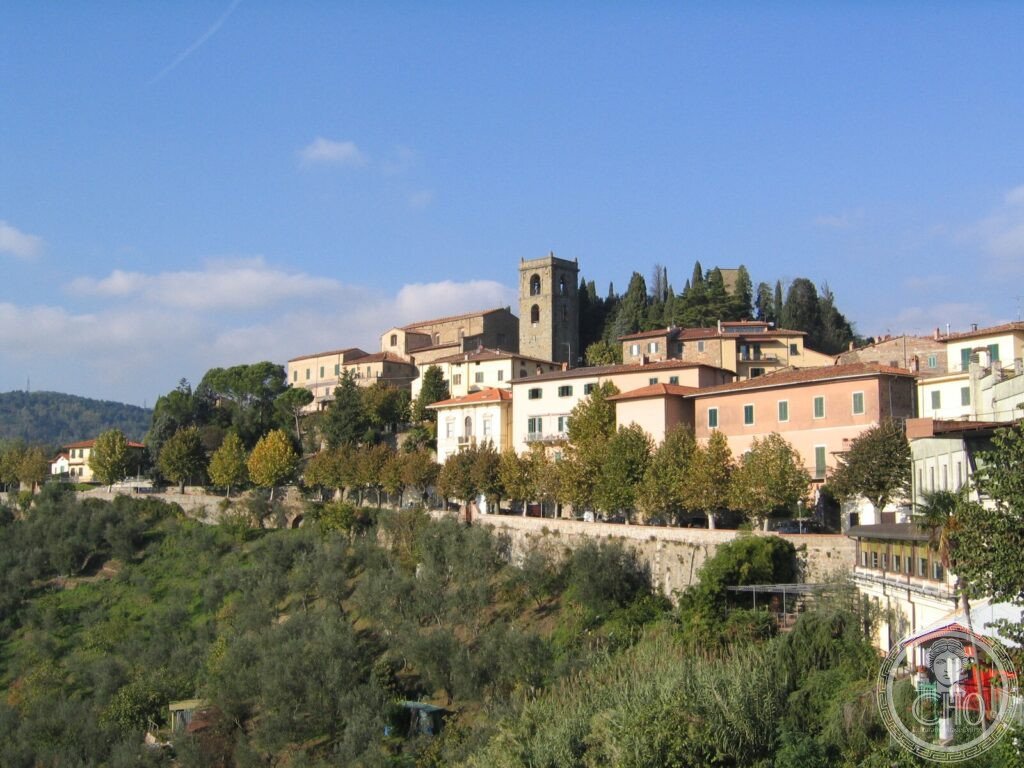
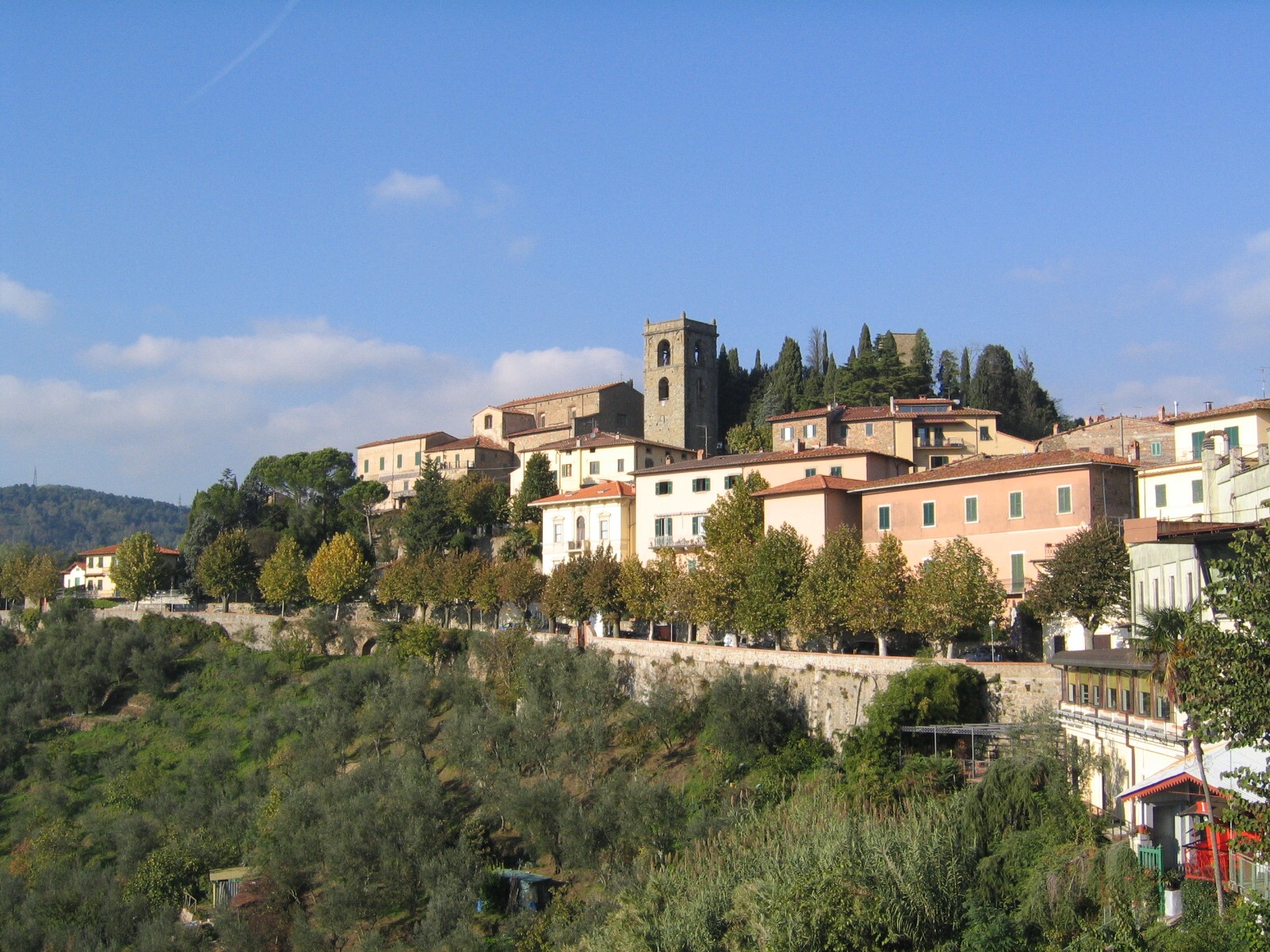
The Montecatini UNESCO circuit centres on the Parco delle Terme (the large public park immediately west of the central Viale Verdi, open year-round). The primary experience: the Tettuccio (season: April-October; the interior colonnaded drinking hall is the essential visit — arrive early morning before tour groups, buy the minimum “water-drinking” admission, and walk the full length of the 150-m colonnade); the Terme Leopoldine (the neoclassical counterpoint to the Tettuccio’s Liberty exuberance; built 1775, it’s the oldest surviving establishment and has a restrained Tuscan neoclassical style that contrasts effectively with the Tettuccio next door); and the Terme Redi and Excelsior buildings (exterior only; the Excelsior has the most photogenic Liberty facade on Viale Verdi). The funicular railway to Montecatini Alto (the medieval hilltop village above the spa town; 5 min, €5 return) gives the best panoramic view of the Parco delle Terme from above.
Gallery
Practical information
- Tettuccio (drinking/bathing): Viale Verdi 71, Montecatini Terme; open April-October, Monday-Saturday 8:30-12:00 (drinking cure) and 15:00-18:00; Sunday 9:00-12:00; admission for “cura delle acque” (water drinking cure) ~€8 per day (includes glass hire and unlimited water); full medical spa treatments require prior booking and a medical consultation. Note: the establishment is a functioning thermal cure centre, not a museum — some areas are reserved for cure guests with medical prescriptions.
- Terme Leopoldine: Adjacent to the Tettuccio in the Parco delle Terme; open April-October; the external colonnade and the garden are publicly accessible; interior requires thermal treatment booking.
- Funicolare Montecatini-Montecatini Alto: Piazza Giusti, Montecatini Terme; €5 return; April-October daily; recommended for the view and for the medieval village of Montecatini Alto (the pre-modern settlement above the spa town; good for lunch).
Getting there
Terme Tettuccio, Viale Verdi 71, Montecatini Terme (PT), Toscana. GPS 43.8808, 10.7734. By train: Trenitalia from Florence (45-55 min regional; frequent); from Pisa (50 min). Montecatini Terme station is 10 min on foot from the Parco delle Terme (Viale Verdi). By car: from Florence, A11 west (35 km, 25 min); from Pisa, A11 east (50 km, 35 min); from Lucca, SS435 east (25 km, 25 min).
Nearby
- Lucca — 25 km north-west; (CHO card TBD); the best-preserved medieval walled city in Tuscany (the ramparts 4.2 km of 16th-17th century walls, walkable in 1 hour); the Duomo di San Martino (12th century Romanesque), the church of San Michele in Foro, and the Torre Guinigi (medieval tower with holm-oak trees growing from the top)
- Pistoia — 14 km east; the Cathedral of San Zeno (12th century, with the silver Altare di San Jacopo — a 9-sq-metre silver altarpiece in progress for 200 years, 1287-1456), the Ospedale del Ceppo (portico with glazed terracotta frieze by Giovanni della Robbia, c.1526)
- Collodi (Pinocchio) — 15 km north; the village of Collodi is the birthplace of Carlo Lorenzini (pen name Carlo Collodi, 1826-1890), author of “Le avventure di Pinocchio” (1881-1883); the Villa Garzoni with its formal garden (17th century, one of the finest Baroque gardens in Tuscany) and the Parco di Pinocchio (sculpture garden) are at Collodi
Sources
- UNESCO: whc.unesco.org/en/list/1618
- Wikipedia EN: Montecatini Terme
- Terme di Montecatini official: termemontecatini.it
- Giovannozzi, Ugo: Il Tettuccio di Montecatini (monograph, ICOMOS submission document, 2020)
Gallery
Find it on the map
See this place and what’s around it →📷 Become a Cultural Heritage Online photographer
Share your photos of places: they stay published under your name as the author. The more they're seen, the more you get noticed — and soon a contest will reward the most appreciated photos.
Log in or sign up free to add a photo