

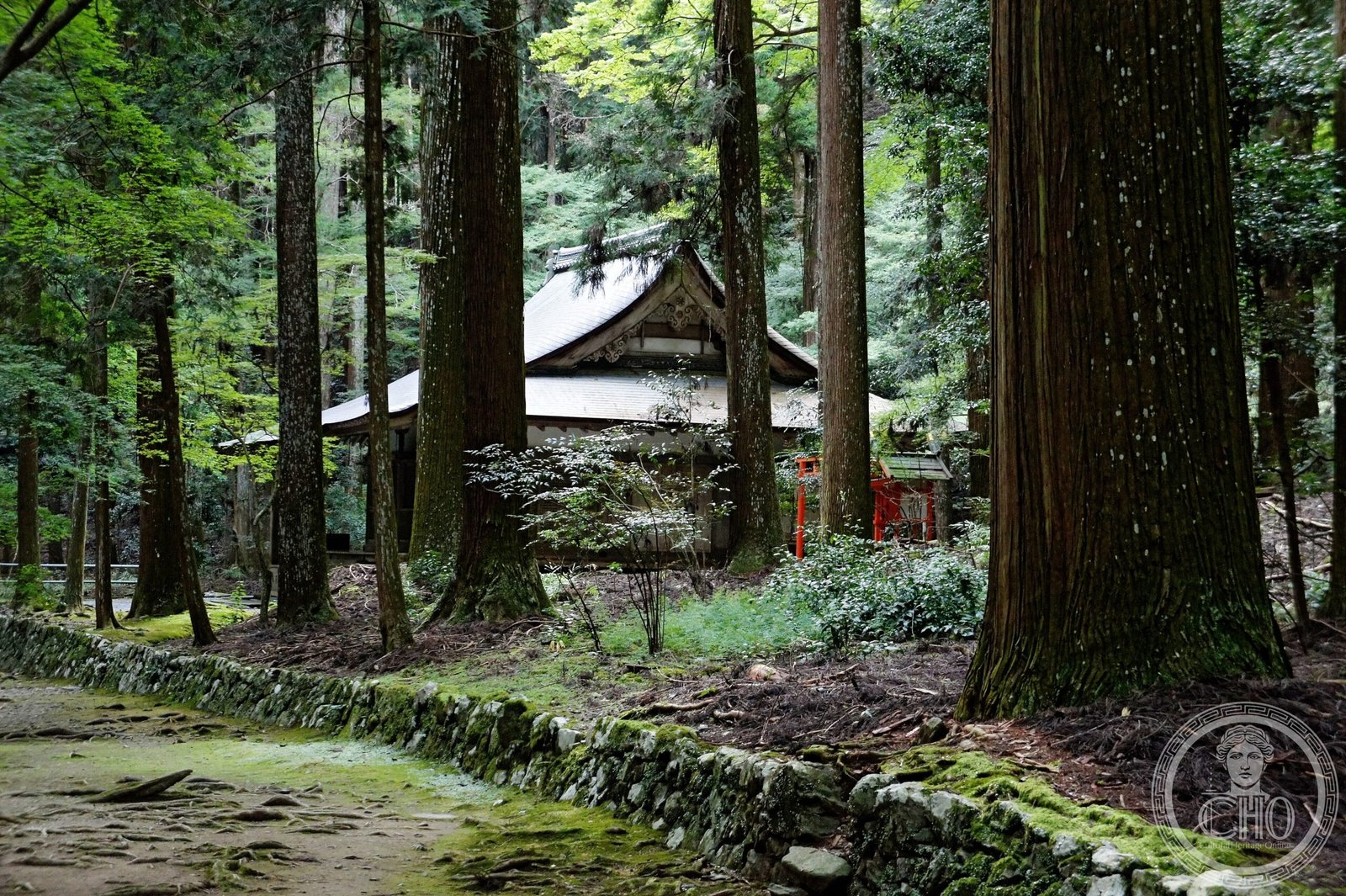
A distinguished Shingon Buddhist temple founded by the scholar-monk Myōe, Kōzan-ji houses some of Japan’s most celebrated medieval ink paintings and holds status as a UNESCO World Heritage site.
At a glance
Kōzan-ji stands in the Toganōchō area of Kyoto’s Ukyō Ward, formally part of the Omuro sect of Shingon Buddhism. The temple is renowned for its exceptional collection of national treasures and important cultural properties, anchored by the masterwork Chōjū-jinbutsu-giga.
History
The monk Myōe (1173–1232), a leading Shingon scholar, established Kōzan-ji as a centre of Buddhist learning and artistic patronage. The temple’s golden age coincided with the flourishing of ink painting in medieval Japan. In 1994, it was designated part of the UNESCO World Heritage Site “Historic Monuments of Ancient Kyoto,” recognising its enduring significance to Japan’s cultural heritage.
What you see
The temple’s most celebrated possession is the Chōjū-jinbutsu-giga, a series of ink paintings from the 12th and 13th centuries. These scrolls, executed in dynamic brushwork, depict animals and human figures with wit and observational precision—among the finest examples of pre-modern East Asian painting. The temple also venerates multiple deities: Biyakkōshin, Zenmyōshin, Kasuga Myōjin, and the temple’s tutelary Shintō deity.
Cultural significance
Kōzan-ji exemplifies the intellectual and artistic ambitions of medieval Kyoto’s Buddhist establishment. Myōe’s vision transformed the temple into a beacon of Shingon scholarship and artistic innovation. The preservation of the Chōjū-jinbutsu-giga—arguably the finest medieval Japanese painting—underscores Kōzan-ji’s irreplaceable role in East Asian art history.
Key facts
- Founded by Myōe (1173–1232)
- Omuro sect of Shingon Buddhism
- Location: Umegahata Toganōchō, Ukyō Ward, Kyoto
- Coordinates: 35.06°N, 135.68°E
- UNESCO World Heritage Site (1994)
- Holds the Chōjū-jinbutsu-giga (12th–13th-century ink paintings)
Practical information & getting there
Kōzan-ji is located in northwestern Kyoto. You can reach it by local bus or taxi from central Kyoto; the journey takes approximately 30–45 minutes depending on traffic. Visiting hours and admission fees vary seasonally; confirm details before your visit. Photography policies may apply, especially for the temple’s precious artworks.
Sources & resources
Find it on the map
See this place and what’s around it →📷 Become a Cultural Heritage Online photographer
Share your photos of places: they stay published under your name as the author. The more they're seen, the more you get noticed — and soon a contest will reward the most appreciated photos.
Log in or sign up free to add a photoIs this page about you?
This page is read by travellers and heritage enthusiasts who find it on Google. Tell us how you are connected to this place and we will take it from there.