
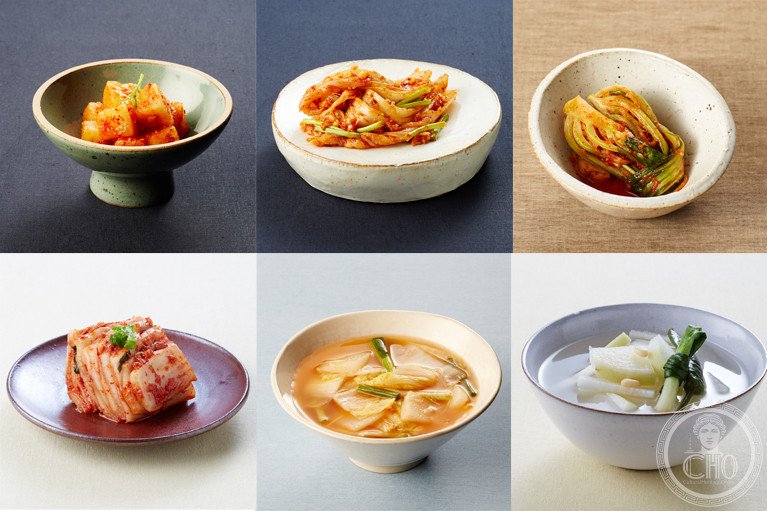
In homes and villages across Korea, the autumn ritual of kimjang brings communities together to ferment and preserve napa cabbage and radishes in a labor-intensive practice that sustains both body and social bonds through winter.
At a glance
Kimjang is the collective process of making and sharing kimchi, Korea’s cornerstone fermented vegetable side dish. Participants—families, neighbors, and entire communities—prepare hundreds of liters of kimchi using salted vegetables, gochugaru (chili powder), garlic, ginger, spring onions, and jeotgal (salted seafood). The finished product is distributed among households for year-round consumption and shared celebration.
Origins & history
Kimchi fermentation is woven into Korean culinary tradition across centuries. Traditionally, winter kimchi was stored in large earthenware vessels called onggi, buried or placed outdoors on terraces called jangdokdae to maintain cool temperatures and prevent freezing during harsh winters. The communal labor of making and sharing—gimjang itself—became a village-wide social event, a way to ensure every household had provisions for the cold months ahead.
The practice
Kimjang is intensely physical and sensory. Participants salt and prepare napa cabbage or Korean radish, then layer them with pungent seasonings: crimson gochugaru coats each leaf, while minced garlic and ginger infuse the mixture with heat and depth. Jeotgal—fermented fish and seafood—adds umami complexity. The vegetables are packed into onggi, traditional unglazed earthenware jars with wide mouths and sturdy bases, designed to breathe during fermentation. The smell is distinctive and sharp, the work rhythmic and communal. Nowadays, household kimchi refrigerators maintain optimal fermentation conditions, though the social and ritual dimensions remain central.
Cultural significance
Kimjang embodies Korean values of cooperation, family care, and seasonal stewardship. It is a practice of resilience and provision, historically ensuring survival through winter scarcity. The sharing of finished kimchi strengthens community ties and affirms mutual obligation. Kimchi itself remains a staple eaten with nearly every Korean meal and features in countless soups and stews, making gimjang not merely a cooking technique but a cultural anchor that passes knowledge, taste, and belonging across generations.
Key facts
- Country: South Korea
- Anchor community: Seoul
- Coordinates: 37.56553, 126.99021
- UNESCO Intangible Cultural Heritage reference: 00881
- Hundreds of kimchi variants exist, using different vegetables as primary ingredients: baechu-kimchi, kkakdugi, chonggak-kimchi, and oi-sobagi among them
Where to experience it
Seoul and throughout South Korea serve as the heartland of kimjang practice. The tradition remains alive in homes, community centers, and cultural institutions across the country. To witness or participate in kimjang, connect with local community organizations, cultural centers, or family-run restaurants and food producers who maintain the practice and may welcome visitors during preparation seasons.
Sources & resources
Find it on the map
See this place and what’s around it →📷 Become a Cultural Heritage Online photographer
Share your photos of places: they stay published under your name as the author. The more they're seen, the more you get noticed — and soon a contest will reward the most appreciated photos.
Log in or sign up free to add a photo