
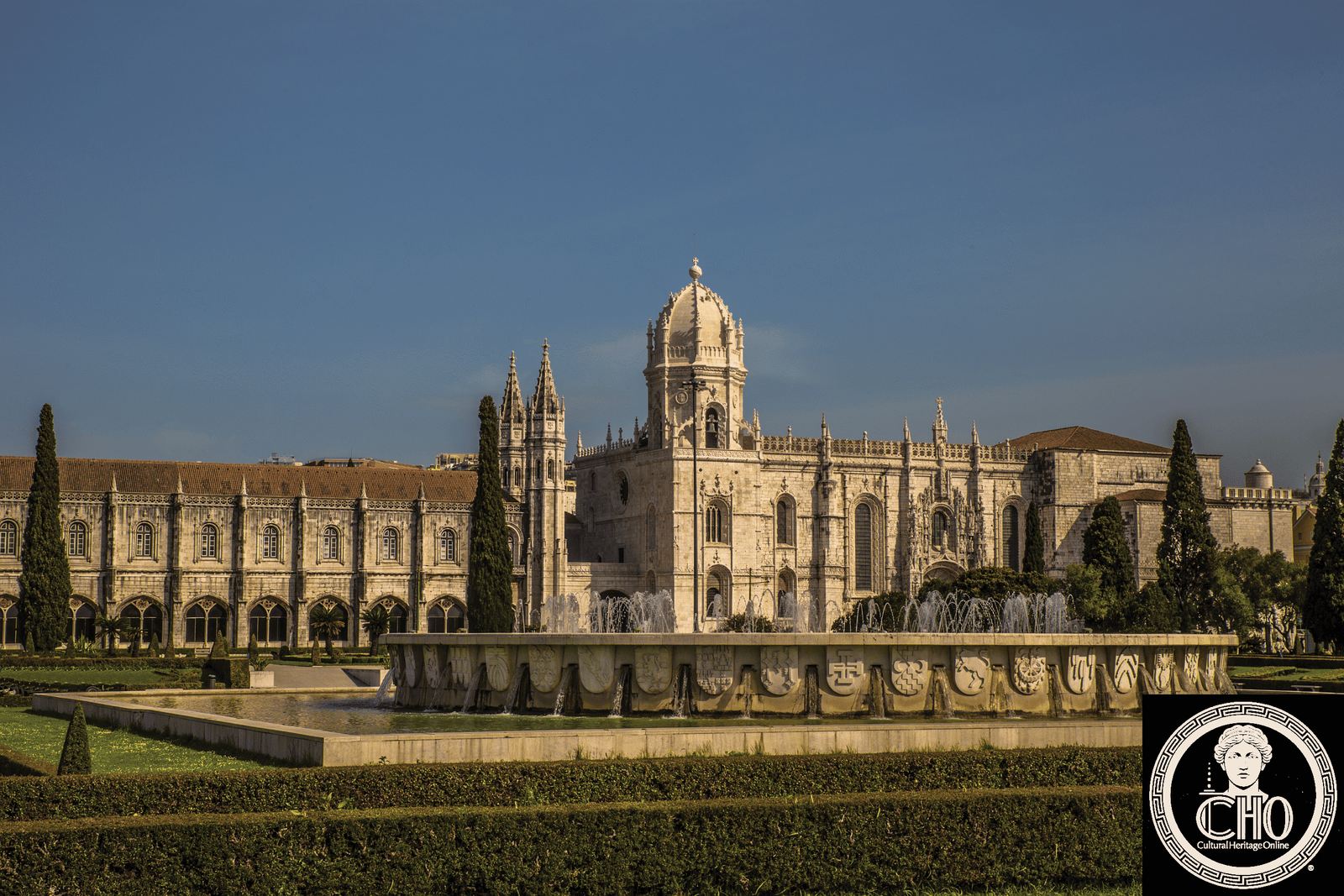
A masterpiece of late Portuguese Gothic architecture, this former monastery near the Tagus river became the royal necropolis of the Aviz dynasty and now houses the tombs of explorer Vasco da Gama and poet Luís de Camões.
At a glance
The Jerónimos Monastery stands in the Belém parish as one of Lisbon’s most striking examples of Manueline style. Begun in the early 1500s near Vasco da Gama’s departure point for India, it was funded by taxes levied on the Portuguese India Armadas’ annual profits. The monastery remained active until secularization in 1833, when the state transferred ownership to the Real Casa Pia de Lisboa charitable institution.
History
Construction commenced in the early 16th century, marking a golden age of Portuguese maritime expansion. The monastery became the necropolis of the royal dynasty of Aviz during the 1500s, securing its place as a repository for royal memory. By royal decree on 28 December 1833, the monastery was secularized and transferred from religious to secular control. In 1880, a significant symbolic act occurred: the remains of Vasco da Gama and Luís de Camões—whose epic poem The Lusiad immortalized da Gama’s voyage—were relocated to newly carved tombs in the church nave, positioned only meters from the tombs of kings Manuel I and John III, whom da Gama had served.
What you see
The monastery exemplifies the late Portuguese Gothic Manueline style, characterized by ornate decoration and distinctive architectural features. Its church contains the elaborate tombs of both royal figures and maritime heroes, arranged to reflect the historical prominence of the Aviz line and Portugal’s age of discovery.
Cultural significance
The Jerónimos Monastery encapsulates Portugal’s maritime identity and dynastic pride. Housing the remains of da Gama and Camões alongside monarchs transforms it into a monument celebrating exploration, literature, and power—a physical manifestation of how Portugal saw itself during its global ascendancy.
Key facts
- Location: Belém parish, Lisbon, Portugal
- Coordinates: 38.6978, -9.2061
- Period: Early 1500s (construction)
- Style: Late Portuguese Gothic Manueline
- UNESCO World Heritage Site: Yes (1983)
- Notable interred: Vasco da Gama, Luís de Camões, King Manuel I, King John III
- Secularized: 28 December 1833
Practical information & getting there
The monastery is located in Belém, a district of western Lisbon accessible by public transport. It stands near the Tower of Belém, also a UNESCO World Heritage Site, making both sites convenient to visit together. For current visiting hours, admission details, and guided tour information, consult local tourism resources.
Sources & resources
Find it on the map
See this place and what’s around it →
📷 Become a Cultural Heritage Online photographer
Share your photos of places: they stay published under your name as the author. The more they're seen, the more you get noticed — and soon a contest will reward the most appreciated photos.
Log in or sign up free to add a photoIs this page about you?
This page is read by travellers and heritage enthusiasts who find it on Google. Tell us how you are connected to this place and we will take it from there.