

Three sacred islands in Vanuatu preserve the living memory of a great chief whose burial — found exactly as oral tradition described, four centuries later — proved the reliability of Pacific oral history as archaeology.
At a glance
On the Lelepa island group west of Efate, Vanuatus main island, three sites form a sacred ritual landscape associated with Roi Mata, the most celebrated chief in Vanuatu oral tradition. Feles Cave on Lelepa Island was his residence; Mangarisou hill on Efate was his death site; and Retoka Island was his burial place. In 1967, excavation of Retoka found a mass grave containing approximately 50 individuals arranged exactly as oral tradition had described for four centuries — one of the most remarkable validations of oral history ever documented. The Domain became a UNESCO World Heritage Site in 2008, the first in Oceania inscribed primarily for living oral cultural significance.
Key facts
- UNESCO inscription: 2008 (first WHS in Oceania inscribed for oral cultural significance)
- Three sites: Feles Cave (Lelepa Island), Mangarisou hill (Efate), Retoka Island burial ground
- Chief Roi Mata: Died c. 1600 AD; credited with unifying warring island communities across Vanuatu
- The burial: ~50 individuals in communal grave on Retoka, consistent with four centuries of oral tradition
- Excavation: José Garanger, 1967 — oral tradition and archaeology aligned precisely after 400 years
- Living tradition: Oral history, song, dance, and taboo practices still maintained by the Lelepa community
- Access: Guided tours only from Port Vila; boat required to reach the three islands
History
Roi Mata was the paramount chief of the Lelepa-area communities approximately 400 years ago, and the oral traditions surrounding his life, death, and burial have been maintained with extraordinary fidelity by the people of Lelepa ever since. According to tradition, Roi Mata was a unifier who brought peace to communities in violent conflict, and his burial was an event of enormous ceremonial significance: members of his court were laid around him in paired positions, some reportedly accompanying their chief in death voluntarily.
In 1967, French archaeologist José Garanger excavated the site on Retoka Island that oral tradition had consistently identified as Roi Matas burial place. The excavation found exactly what tradition described: a large communal grave with the skeleton of a senior male at the centre, surrounded by approximately 50 men and women in the precise arrangements the oral accounts specified, with grave goods matching oral descriptions. This extraordinary correspondence — four centuries of oral transmission validated by physical evidence — fundamentally changed scholarly understanding of Pacific oral history as historical knowledge. The site was inscribed as a UNESCO World Heritage Site in 2008.
Today the Lelepa community remains actively involved in managing the Domain. The oral traditions, songs, dances, and taboo practices associated with Roi Mata continue to be practised. This is a living cultural landscape: the past here is maintained as present.
What you see
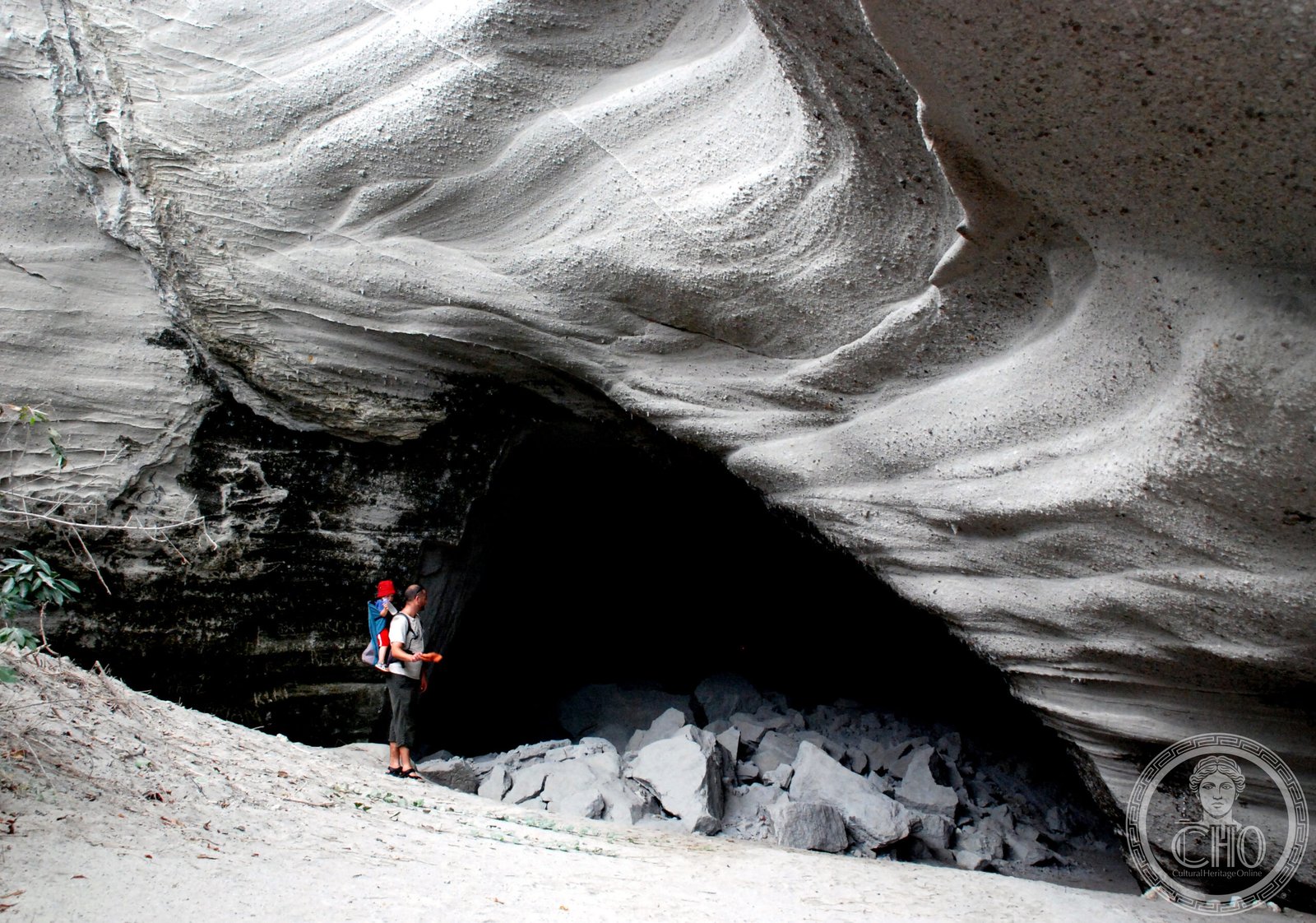
The three sites are spread across a small archipelago accessible only by boat from Port Vila. Feles Cave on Lelepa Island is a natural rock shelter associated with Roi Matas residence — a modest physical site whose significance lies entirely in its oral associations. The hill of Mangarisou on Efate, accessible by foot through secondary forest, is where tradition holds Roi Mata died. Neither site involves substantial constructed remains; the landscape itself is the monument.
Retoka Island is the most powerful of the three sites. The excavated burial area is marked and partially visible, and local guides from the Lelepa community explain the significance of Garancers 1967 discovery in the context of what oral tradition had always described. The islands sacred status means access is controlled and visitors experience it through community protocols — the correct way to encounter a site where the dead are held with active reverence.
Practical information
- Access: Day tours from Port Vila (approximately 45-minute boat ride); guided tours only — independent access not permitted
- Tours: Community-operated and Port Vila commercial operators offer combined Lelepa-Retoka day trips
- Duration: Full day excursion recommended to cover all three sites
- Respect: Retoka Island is a sacred burial site; follow guide instructions at all times
- Best time: Vanuatus dry season (May–October) for most comfortable visiting conditions
Getting there
The Domain is reached by boat from Port Vila on Efate Island. Vanuatu is served by Bauerfield International Airport (VLI) in Port Vila, with connections from Australia, New Zealand, Fiji, and other Pacific hubs. From Port Vila the boat journey to the Lelepa area takes approximately 45 minutes. Community and commercial tour operators in Port Vila offer guided day trips to all three sites; independent visits are not permitted. This is a full-day excursion by necessity.
Nearby
- Port Vila — Vanuatus capital and base for all Domain tours; the Vanuatu National Museum holds relevant archaeological collections
- Eton Beach — white sand beach on Efate, accessible as part of an island round-trip
- Mele Cascades — freshwater waterfall and natural pool near Port Vila, popular day excursion
Sources
- UNESCO World Heritage Committee, Chief Roi Matas Domain, Inscription 1280 (2008)
- Garanger, José, Archéologie des Nouvelles-Hébrides, Publications de la Société des Océanistes, Paris, 1972
- Huffman, Kirk, studies on Vanuatu oral tradition and archaeology, Australian National University
- Ballard, Chris, in A Companion to Archaeology, Blackwell, 2004
- Vanuatu Cultural Centre, oral tradition documentation, Port Vila, 2007
Find it on the map
See this place and what’s around it →📷 Become a Cultural Heritage Online photographer
Share your photos of places: they stay published under your name as the author. The more they're seen, the more you get noticed — and soon a contest will reward the most appreciated photos.
Log in or sign up free to add a photo