

When building began on Braga Cathedral, at the end of the eleventh century, Portugal did not yet exist as an independent state: it was a county under the Kingdom of León, governed by Henry of Burgundy. In the Chapel of the Kings, to this day, rest the tombs of Henry and his wife Teresa — the parents of Afonso Henriques, who in 1139 would proclaim himself the first king of Portugal.
About Braga Cathedral
The Cathedral of Braga is the oldest cathedral in Portugal, its construction beginning at the end of the 11th century on the site of an earlier church, within a diocese whose own roots trace back to the 3rd century AD, making it one of the oldest bishoprics on the Iberian Peninsula and a historic centre for the Christianisation of Gallaecia in northwestern Iberia. The cathedral was consecrated and dedicated to the Virgin Mary by Bishop Pedro on 28 August 1089. Its construction was actively promoted by Henry, Count of Portugal, who ruled the County of Portugal from 1093 until his death in 1112 and made Braga his capital; Henry married Theresa, Countess and later Queen of Portugal, in 1094. The couple’s son, Afonso Henriques, would go on to proclaim himself the first King of Portugal, making Braga Cathedral a foundational monument of Portuguese statehood, begun decades before the kingdom itself came into being. Both Henry and Theresa are buried within the cathedral’s Chapel of the Kings, each in a 16th-century tomb. The original 12th-century building was constructed in the Burgundian Romanesque style associated with the great monastery church of Cluny, an architectural model that went on to influence numerous other churches and monasteries across Portugal during the same period. Over the following centuries the cathedral was substantially modified and expanded, so that today it presents a layered mixture of Romanesque, Gothic, Moorish-influenced, Manueline, and Baroque elements accumulated across nearly a millennium of continuous use.
Key facts
- 3rd century AD: Diocese of Braga founded, among the oldest on the Iberian Peninsula
- Late 11th century: cathedral construction begins under Count Henry of Portugal
- 28 August 1089: cathedral consecrated to the Virgin Mary by Bishop Pedro
- 1094: Henry marries Theresa, future parents of Portugal’s first king
- 1139: their son Afonso Henriques proclaims himself first King of Portugal
- Chapel of the Kings: holds the 16th-century tombs of Henry and Theresa
- Architectural styles: Romanesque origins overlaid with Gothic, Moorish, Manueline, and Baroque additions
History
The cathedral’s construction under Count Henry of Portugal, decades before his son Afonso Henriques declared Portuguese independence, gives Braga Cathedral a unique status as a monument that predates the very kingdom it would come to serve — a physical record of the county-era foundations upon which the Portuguese state was later built. The burial of Henry and Theresa within the Chapel of the Kings ties the cathedral directly to the founding dynasty of Portugal, making it, alongside its religious function, a dynastic mausoleum comparable to royal pantheons found in other European founding monarchies.
The cathedral’s centuries-long accumulation of Romanesque, Gothic, Moorish-influenced, Manueline, and Baroque elements reflects the full span of Portuguese architectural history compressed into a single continuously used building, its Burgundian Romanesque core — modelled on the great Cluniac tradition — having itself shaped the design of numerous other Portuguese churches and monasteries built in the following century.
What you see
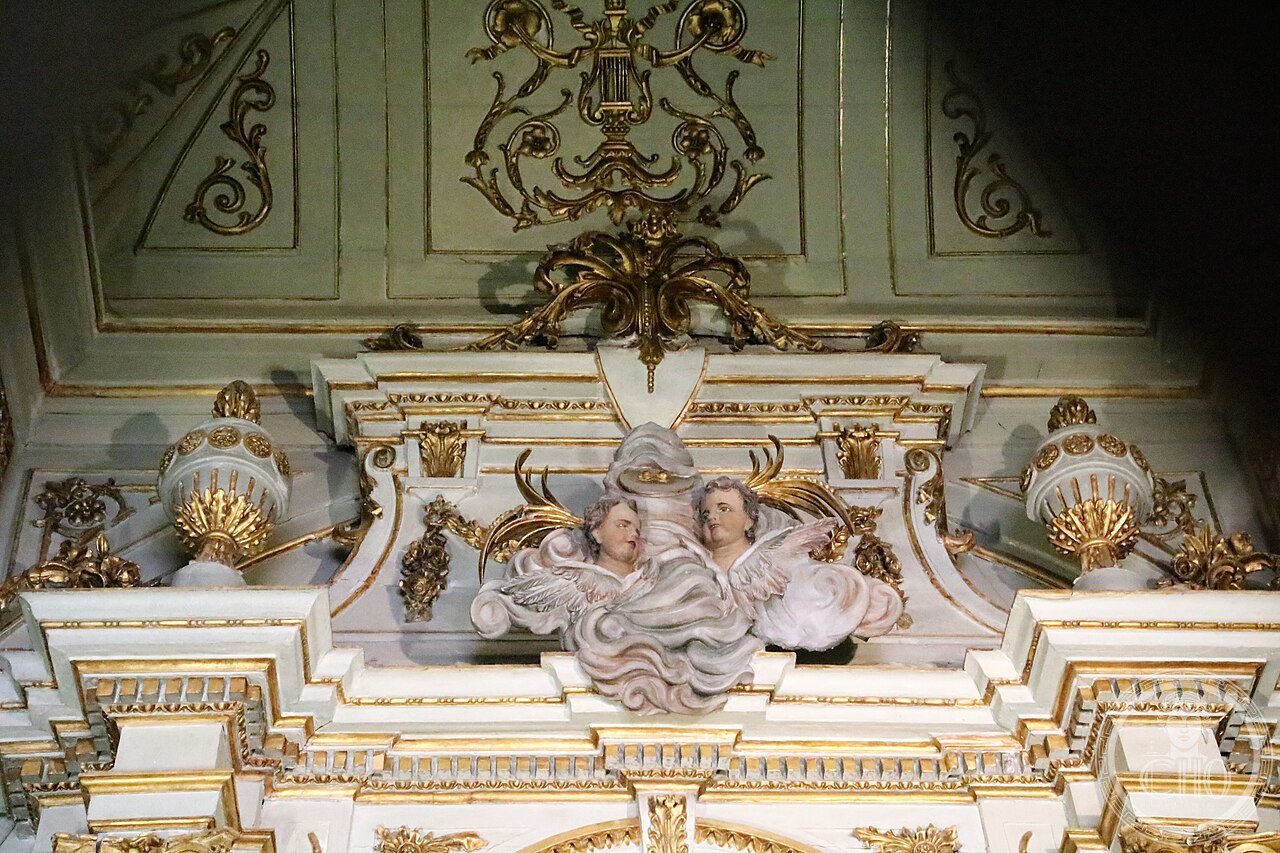
The cathedral’s Romanesque core, built in the Burgundian style associated with Cluny, survives beneath and alongside later Gothic, Moorish-influenced, Manueline, and Baroque additions accumulated over nearly a millennium. The Chapel of the Kings houses the 16th-century tombs of Count Henry and Countess Theresa, parents of Portugal’s first king, while the cathedral’s treasury preserves an extensive collection of ecclesiastical art and relics spanning its long history.
Practical information
- Opening hours: generally open daily with seasonal variation; check current hours before visiting; admission fee applies for the treasury and chapels
- Address: Rua Dom Paio Mendes, 4700-424 Braga, Portugal
Getting there
Braga Cathedral is located in the historic centre of Braga, in the Minho region of northern Portugal, easily reachable on foot. GPS: 41.5500° N, -8.4270° E.
Nearby
- Bom Jesus do Monte — the celebrated Baroque sanctuary on the outskirts of Braga
- Braga historic centre — the surrounding old town
- Guimarães — the “birthplace of Portugal,” a short distance away
Sources
- Wikipedia — “Braga Cathedral” (en.wikipedia.org)
- Visit Portugal — “Sé de Braga” (visitportugal.com)
- Prudêncio — “A Brief History of Braga Cathedral” (prudencio.pt)
Find it on the map
See this place and what’s around it →📷 Become a Cultural Heritage Online photographer
Share your photos of places: they stay published under your name as the author. The more they're seen, the more you get noticed — and soon a contest will reward the most appreciated photos.
Log in or sign up free to add a photo