
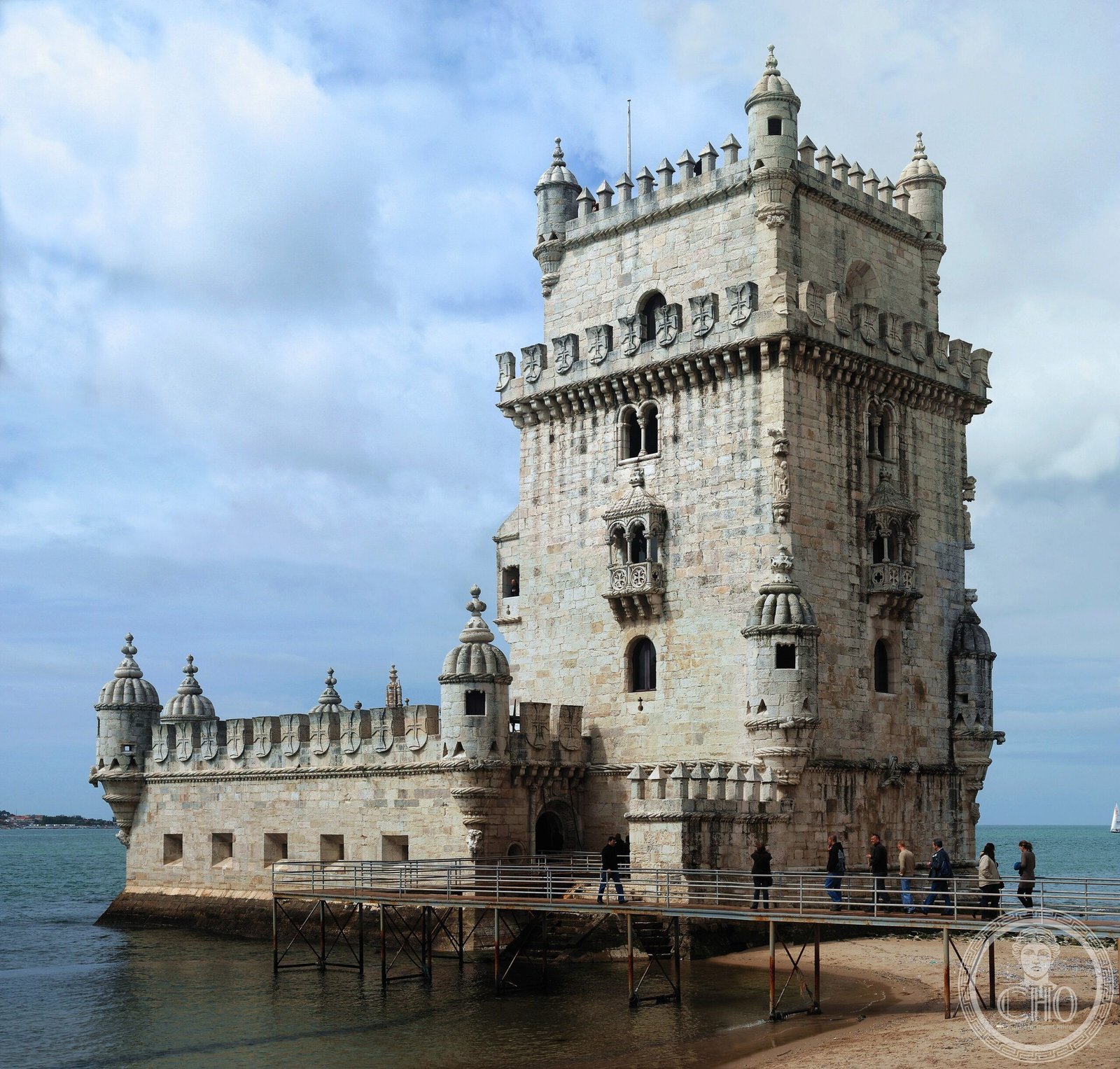
A masterpiece of Portuguese maritime ambition, this fortress once watched over departing explorers and stands as an enduring symbol of Europe’s Age of Discoveries.
At a glance
Belém Tower is a 16th-century fortification in Lisbon that served as both a practical stronghold and ceremonial entrance to the city. Built from local lioz limestone, the structure combines a bastion with a 30-metre four-storey tower. Its architectural vocabulary blends the ornate Portuguese Manueline style with Moorish-inspired elements, notably in its minarets.
History
The tower was constructed during the Portuguese Renaissance, when Lisbon’s explorers were extending European reach across the Atlantic and beyond. It served as a symbolic and practical gateway—a point of embarkation and disembarkation for Portugal’s maritime ventures. Since 1983, it has been designated a UNESCO World Heritage Site alongside the nearby Jerónimos Monastery, cementing its status as one of Europe’s most significant monuments to the Age of Discoveries.
What you see
The tower rises four storeys from a fortified bastion, its limestone walls articulating the exuberance of Manueline design. Decorative minarets, inspired by Moorish tradition, rise from its structure—a architectural dialogue reflecting Portugal’s multicultural history and Mediterranean horizons. The building was originally sited on a small island in the Tagus River near the Lisbon shore, not, as sometimes claimed, in the river’s middle.
Cultural significance
Few structures so vividly embody a nation’s historical moment. Belém Tower encapsulates Portuguese ambition during Europe’s great age of oceanic exploration. It remains a metonym for both Lisbon and Portugal itself, immediately recognized as shorthand for the country’s maritime heritage and global influence during the early modern period.
Key facts
- Country: Portugal
- City: Lisbon
- Period: 16th century
- Coordinates: 38.69°N, 9.22°W
- UNESCO World Heritage Site since 1983
- Height: 30 metres (100 feet)
- Material: Lioz limestone
- Architectural style: Portuguese Manueline with Moorish elements
Practical information & getting there
The tower is located on the Tagus River waterfront in the Belém district of western Lisbon. It is accessible by public transport and situated near other major monuments including the Jerónimos Monastery and the Padrão dos Descobrimentos (Monument to the Discoveries).
Sources & resources
Find it on the map
See this place and what’s around it →📷 Become a Cultural Heritage Online photographer
Share your photos of places: they stay published under your name as the author. The more they're seen, the more you get noticed — and soon a contest will reward the most appreciated photos.
Log in or sign up free to add a photoIs this page about you?
This page is read by travellers and heritage enthusiasts who find it on Google. Tell us how you are connected to this place and we will take it from there.