
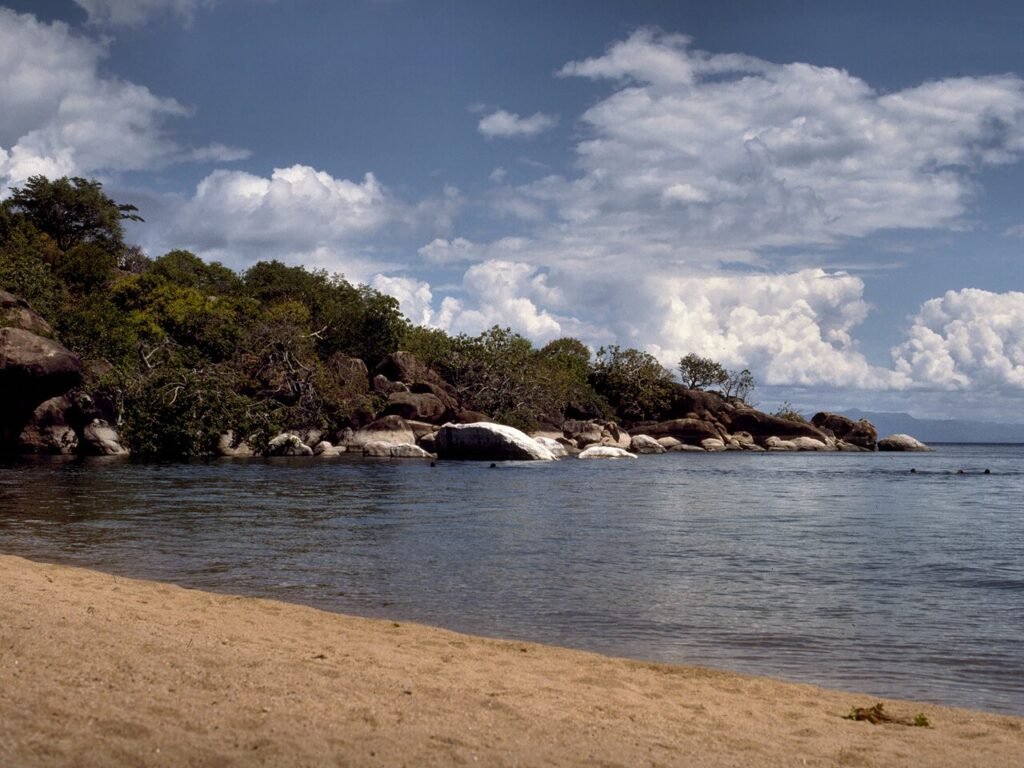
UNESCO World Heritage Sites Near Lilongwe: Lake Malawi National Park and Chongoni Rock Art
Malawi’s two UNESCO World Heritage Sites — the Chongoni Rock Art Area and Lake Malawi National Park — are both reachable from Lilongwe in a single day.
Malawi’s two UNESCO World Heritage Sites — the Chongoni Rock Art Area and Lake Malawi National Park — are both reachable from Lilongwe in a single day.
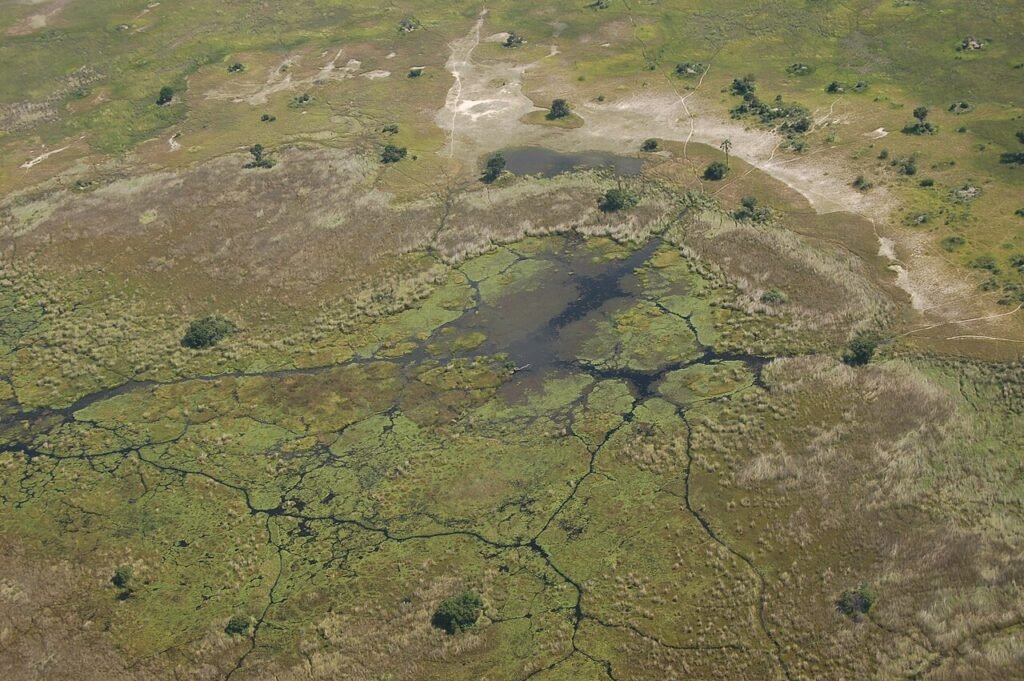
Botswana’s two UNESCO World Heritage Sites — the rock-art sanctuaries of Tsodilo Hills and the vast Okavango Delta wetland — are both reachable from Gaborone by domestic flight.
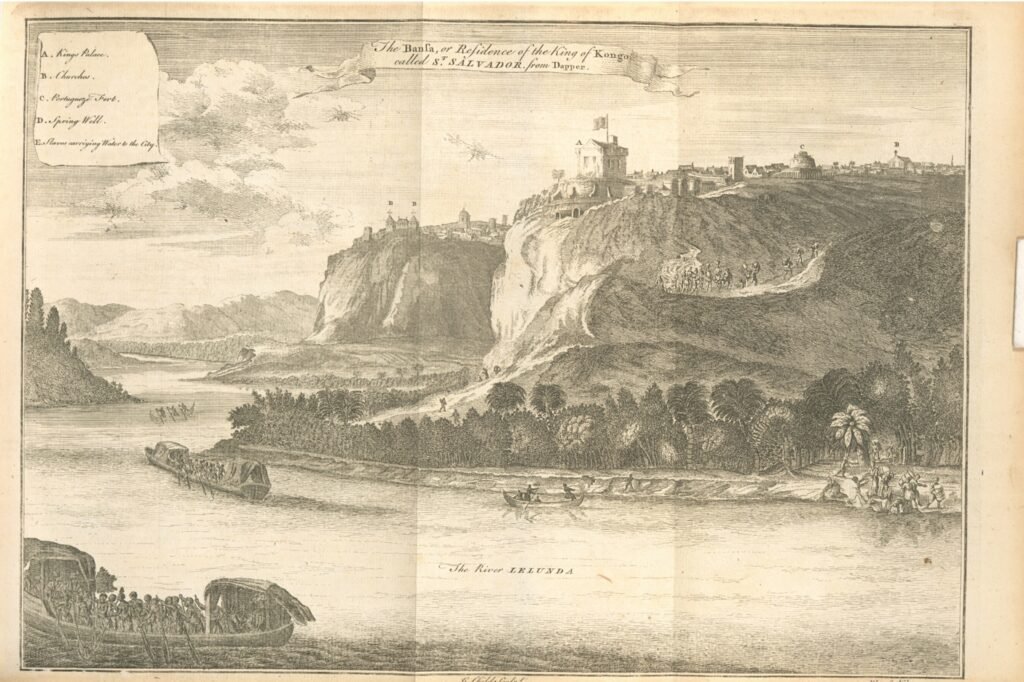
Angola’s sole UNESCO World Heritage Site, Mbanza Kongo, preserves the ruins and living culture of one of pre-colonial Africa’s most powerful kingdoms — 650 km north of Luanda.
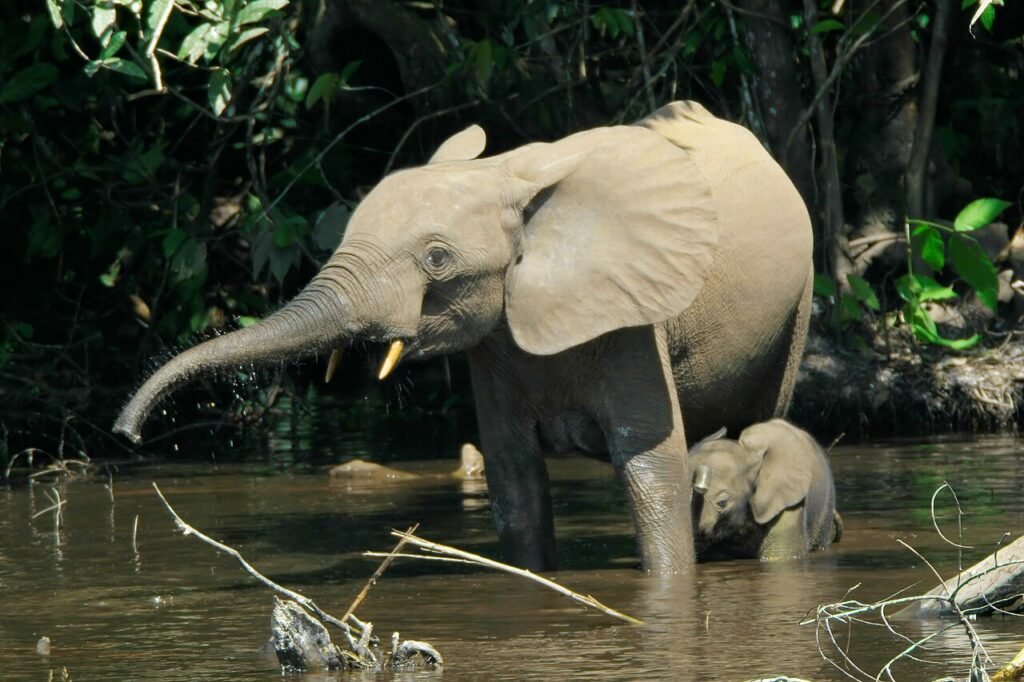
The Republic of Congo’s only UNESCO World Heritage Site, the Sangha Trinational forest, lies 900 km north of Brazzaville — remote, intact, and extraordinary for wildlife.
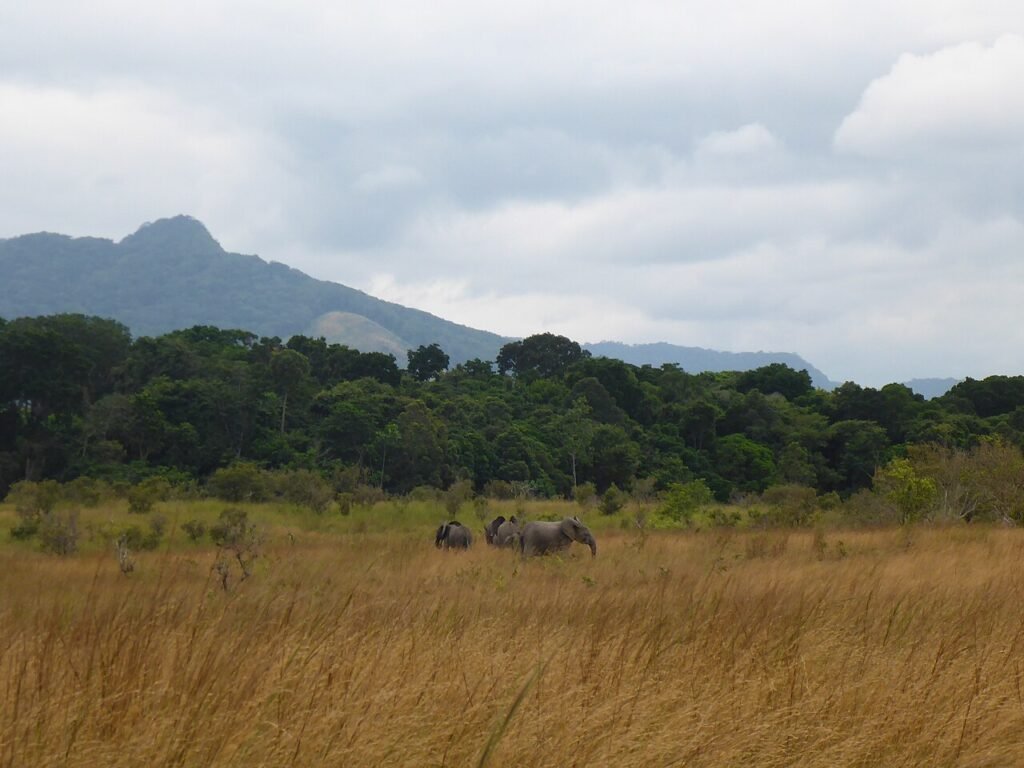
Gabon’s only UNESCO site reachable from Libreville combines Iron Age rock engravings with the world’s largest mandrill concentrations and western lowland gorillas — accessible by train in six hours.
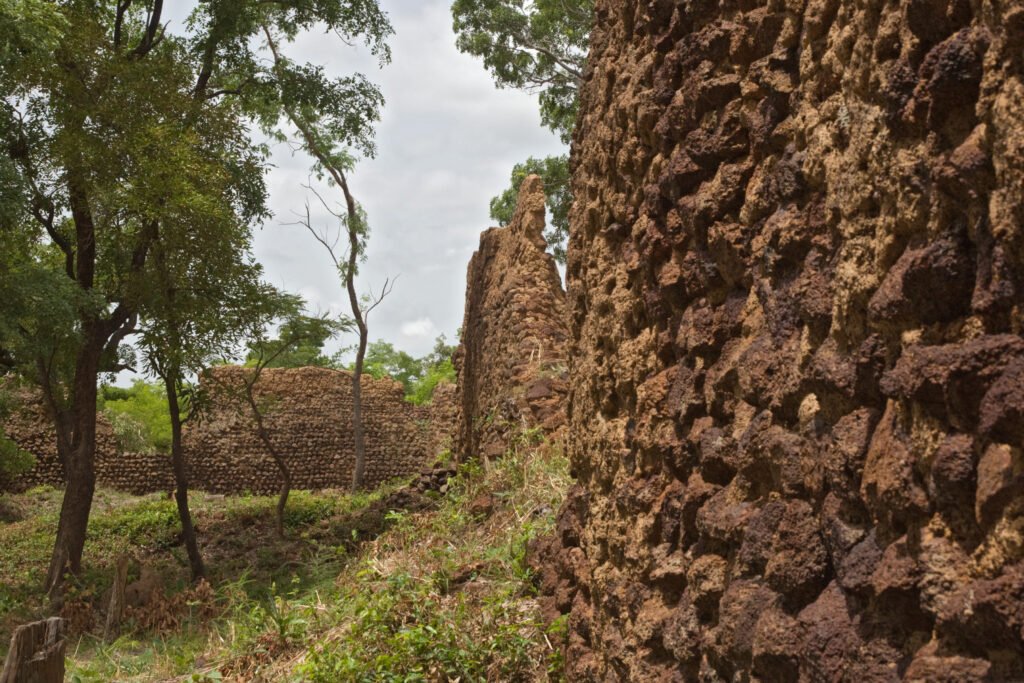
Burkina Faso’s two most accessible UNESCO World Heritage Sites from Ouagadougou: the ancient dry-stone enclosure of Loropéni and the vast W-Arly-Pendjari wildlife complex.
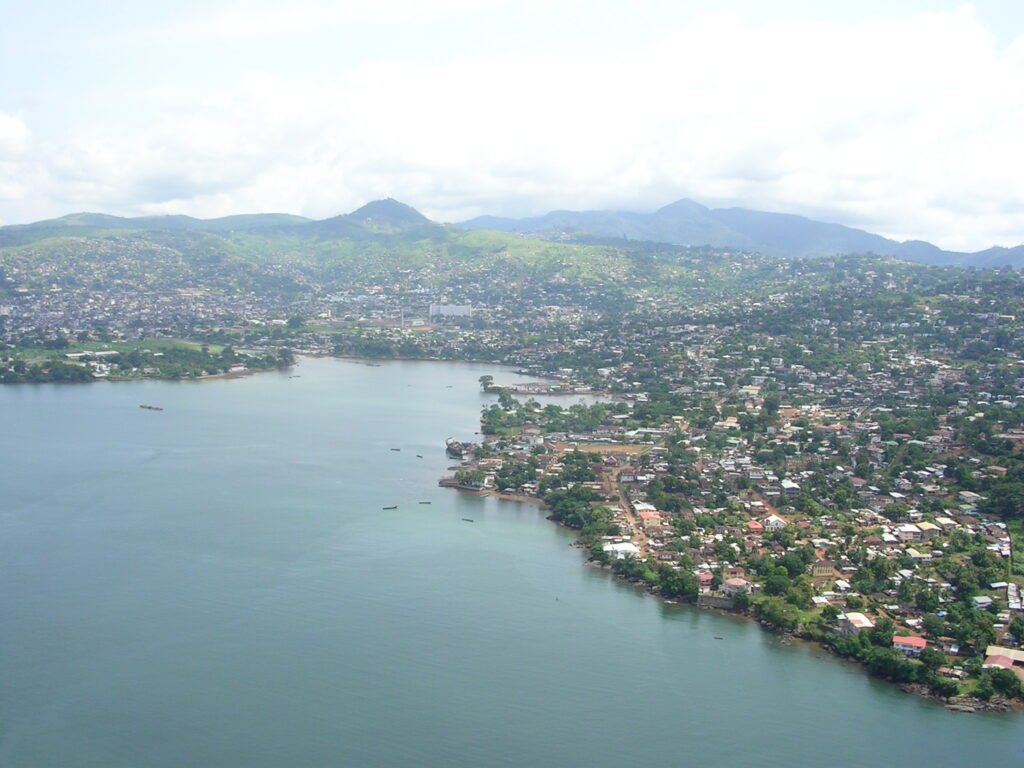
Sierra Leone has no inscribed UNESCO World Heritage Sites, but the Freetown region holds Bunce Island — the Atlantic slave trade’s most significant West African fort — alongside the fallen Cotton Tree and a chimpanzee sanctuary in ancient rainforest.
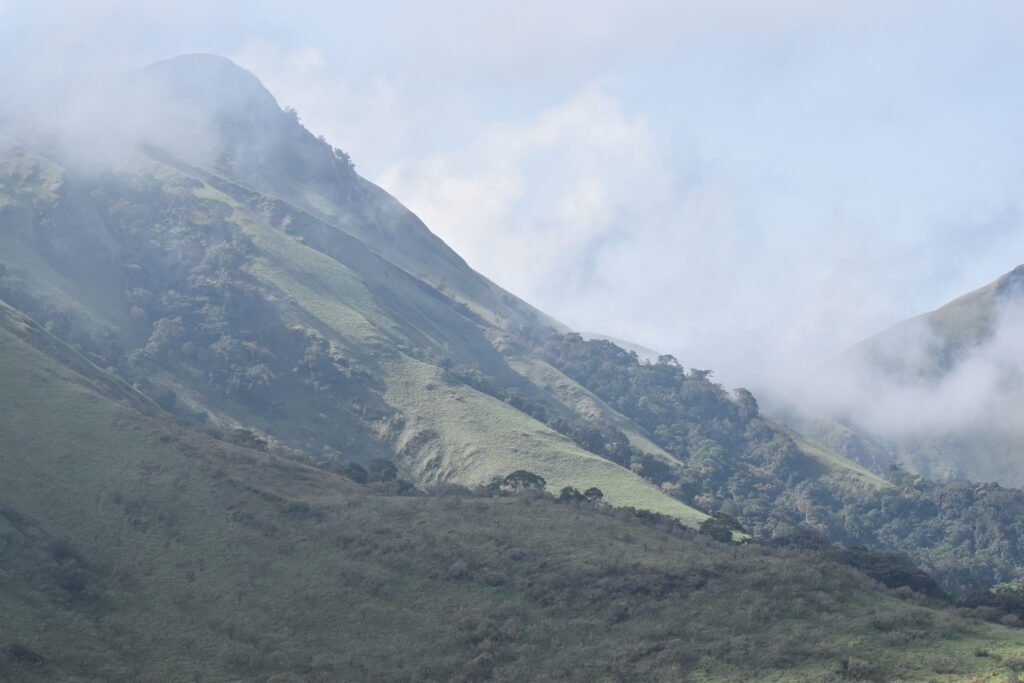
Guinea’s only UNESCO World Heritage Site, the Mount Nimba Strict Nature Reserve, rises to 1,752 m on the far southeastern border — 900 km from Conakry and home to species found nowhere else on earth.
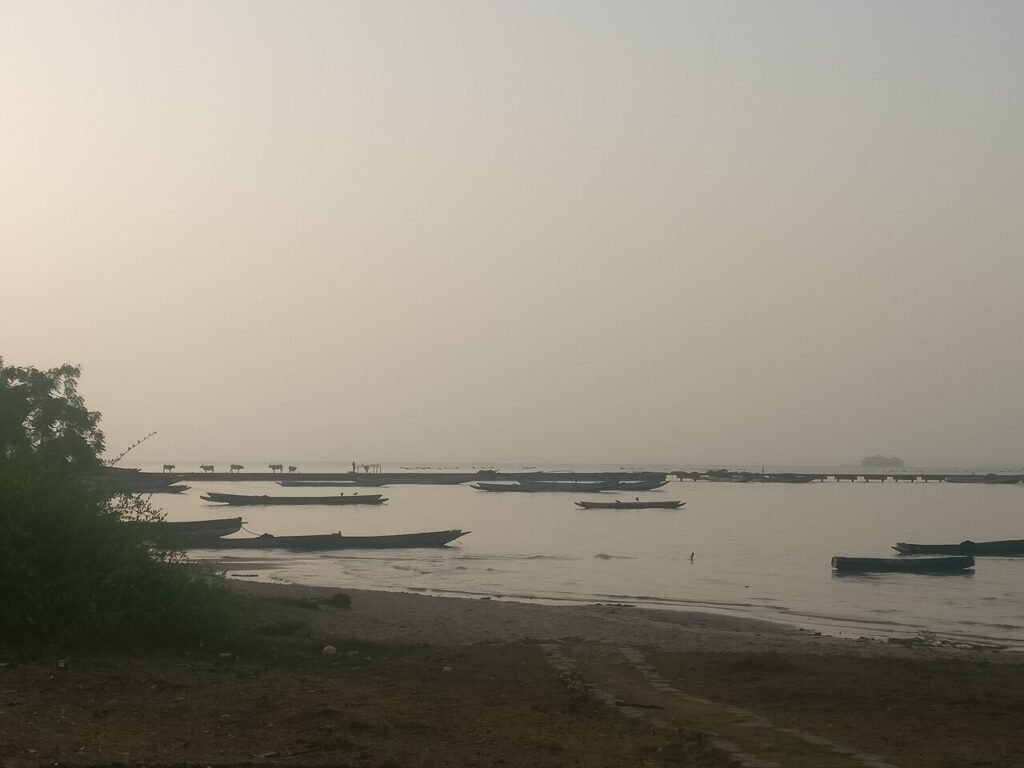
The Gambia’s two UNESCO World Heritage Sites — Kunta Kinteh Island and the Stone Circles of Senegambia — are both reachable as day trips or overnights from Banjul.